

Gipasikad sa 2026 ang Redmi nga adunay bag-ong Redmi Note 15 series. Kini ang sunod-sunod sa Redmi Note 14 series nga nakita nato kaniadtong Enero 2025, ug human og usa ka tuig, ang bag-ong modelo naa na karon.

Kini, akong gisugot nga mabasa nimo aron makita kung kinahanglan ba nimo ang bag-ong tuig nga mosugod sa niining bag-ong telepono.
Disenyo ug Konstruksyon

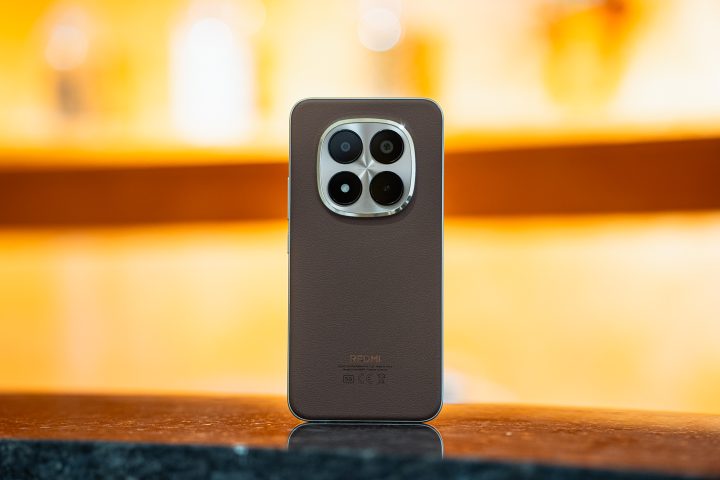
Sa mga bahin sa disenyo, ang Redmi Note 15 Pro+ kasagaran parehas sa iyang predecessor, ang Note 14 Pro+. Ang rounded square-shaped camera island halos sama ra, nga may gamay lang nga pagbag-o sa bezel.

Nindot sa pagkahawak, ug ang akong gihigugman kay dili kini nag-ubos og lisod nga mga dalungganan bisan pa sa naghagop nga kamot. Dili na lang, adunay mga mosulti nga naghatag kini og kusog nga premium nga hitsura ug pagkahawak sa telepono.
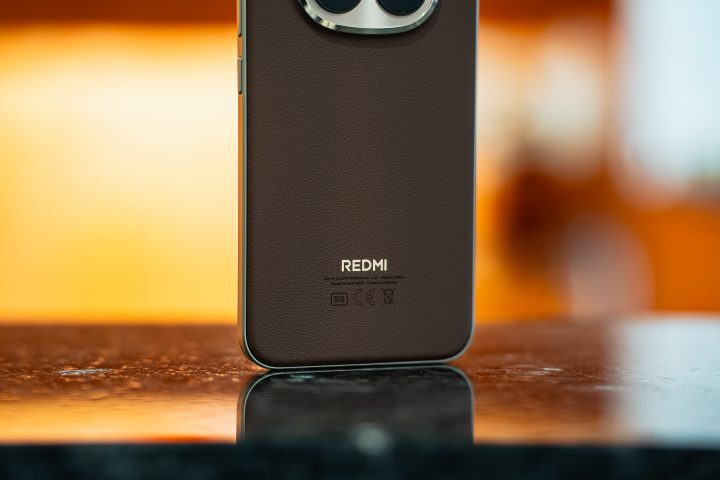
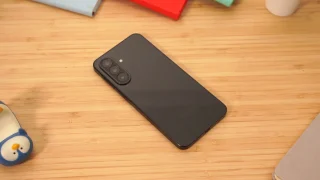
Kung ang kolor nga Mocha Brown dili para nimo, adunay duha ka laing mga kolor nga available: Glacier Blue ug Black, pero kini wala’y faux leather panel. Imbes niini, gigamit nila usa ka regular nga glass back panel nga gikabit sa aluminum frame.
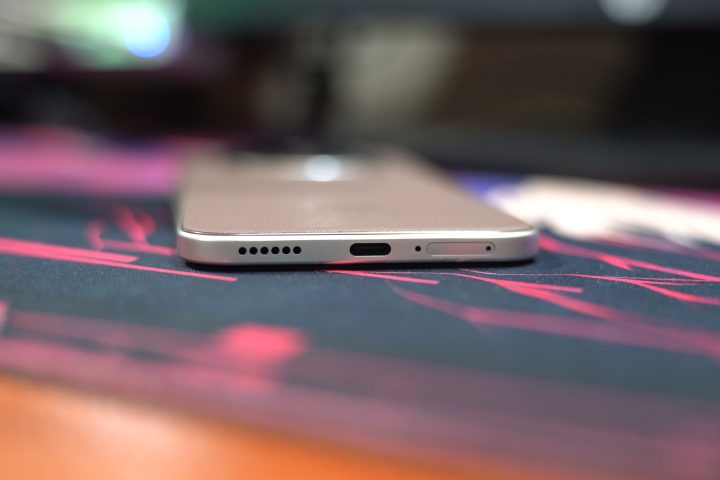
Walay pagbag-o sa ergonomics sa telepono. Ang volume rocker ug power button anaa pa gihapon sa tuo nga kilid, samtang ang wala nga kilid sa telepono limpyo. Sa ubos, makita nimo ang USB-C port, dual-sim card slot, ug usa sa duha ka loudspeaker. Sa ibabaw mao ang uban pang loudspeaker ug secondary microphone.
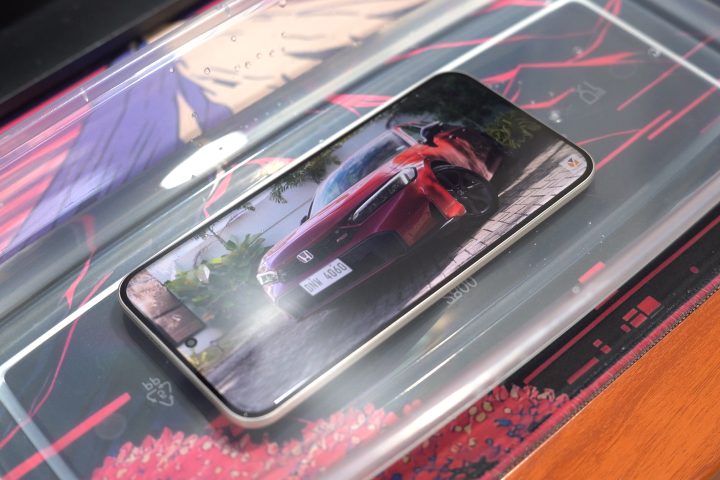
Aron maprotektahan ang imong telepono gikan sa mga elemento (o sa sayop nga pagtubod sa pool), ang Note 15 Pro+ adunay IP68 ug IP69 nga lebel sa proteksyon. Busa, bisan pa kung itukog kini sa tubig, kini magtrabaho og maayo. Pero sama sa kasagaran, ang dagat nga tubig usa ka lain nga isyu.
Displeyo, Multimedia ug Biometrika

Busa ang disenyo wala'y daghang pagbag-o gikan sa iyang nag-unang modelo, usa ka klaro nga pagbag-o sa Redmi Note 15 Pro+ mao ang display. Mas dako kini kaysa sa nauna, nga nag-ukol og 6.83-inches. Walay pagbaba sa LCD dinhi; gigamit pa usab kini nga 1.5K AMOLED panel nga adunay hangtod 120Hz refresh rate ug 3200 nits nga peak brightness.
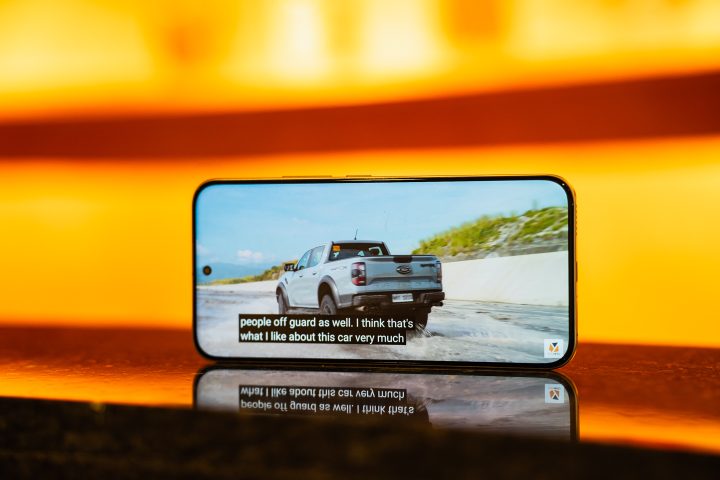
Sugod nga usa kini ka AMOLED panel, nagpakita kini og mga kasingkasing nga kolor ug maayong viewing angles. Kini naghatag og dako nga kalipay sa pag-binge-watch sa akong gihigugang nga serye o sa pag-follow sa mga show sa teleponong ini. Bisan pa man nimo nga nagtan-aw uban sa imong mga higala, makita usab nila ang tanan nga klaro.
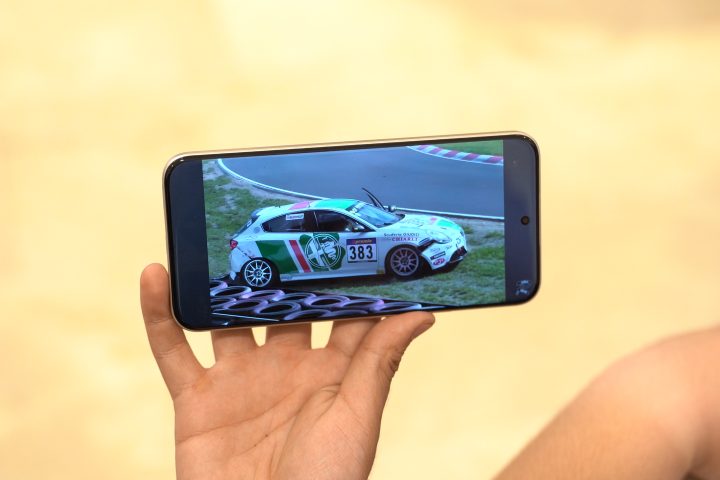
Wala nay problema sa paggamit niini sa gawas nga adunay 3200 nit nga peak brightness; Makita nato ang tanan nga klaro sa screen bisan pa sa kusog nga sinag sa adlaw.

Ug bahin sa 120Hz nga refresh rate, kita makakita og hamis nga mga animasyon samtang nagtan-aw og mga video, nagdula og mga dula, o bisan kung nagdula lang nato sa menu. Pero sigurado nga ang mga gamer ang magamiton niini aron mas maayo ang paggamit sa taas nga refresh rate, dugang pa niana sa sunod.

Magaling ang mga speaker para sa pagdula o pagtan-aw og serye. Aduna kini nga suporta sa Dolby Atmos ug Hi-Res audio, ug makasulod pa nato ang volume boost hangtod 400% aron mas dako ang tingog.
Busa, dili ko magrekomenda nga i-max ang volume kay mawala usab og gamay nga kalidad sa pagpalig-on sa tingog. Bisag 100% na, kusog na kini sa tingog, pero at least makapauswag pa sa volume ang mga end user kung kinahanglan.
Ug bahin sa biometrics, makapili ka taliwala sa in-screen fingerprint scanner o face unlock. Ang duha nagtrabaho og paspas, pero tungod sa personal nga preferensya, gipili nako ang paggamit sa fingerprint scanner tungod sa kahupayan.
Mga Kamera
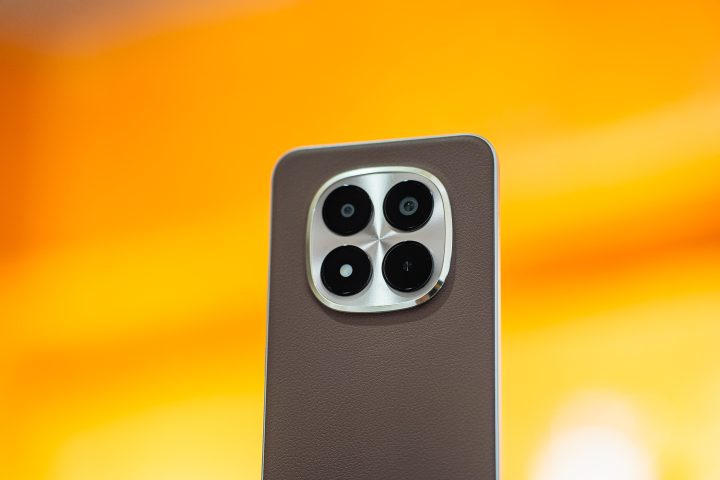
Kung nakita nimo ang camera island sa Redmi Note 15 Pro+, imong susihon nga aduna kini tulo ka mga kamera sama sa kaniadto. Pero interestingly, desisyon ni Redmi nga buhian ang usa, nga nagpabilin og duha. Makakuha kini og 200MP main shooter nga adunay 1/1.4-inch sensor nga naghatag og OIS ug usa ka 8MP ultrawide. Wala na ang 2MP depth sensor. Sa atubangan, aduna usab usa ka 32MP camera alang sa mga selfie.


Kahit sa ubos nga kahayag, ang mga hulagway naggikan og maayo. Adunay pipila ka grain kung atong i-pixel peep, pero sama sa kasamtangan, kini mas sapat na alang sa pag-post sa social media. Makagamit usab kita sa Ultra HD mode, pero totoo lang, wala ko makakita nga gigamitan nako kini. Ang standard mode mas sapat na.
Ana ra ang kasagaran nga pagkahadlok kung magsugod ta og gamit ang zoom. Ang bisan unsang 3x zoom ug ubos pa, makita nato ang pagbag-o sa kalidad. Apan, kini gipahinumdom tungod kay walay telephoto lens ang kamera. Sama usab ang sitwasyon kung gigamit ang ultrawide camera. Dili usab maayo ang performance sa ultrawide sa gamay nga kahayag, diin makita nato ang daghang grain.

As for video, the rear camera captures at a maximum of 4K@30FPS, while the front is limited to 1080p@30FPS. There doesn’t seem to be any form of stabilization at 4K, which leads to somewhat shaky shots. There is a Steadyshot mode but that’s limited to 1080p. However, we can capture some cinematic-style videos with it turned on.
The video quality is similar to the photos, where we are limited by the zoom and ultrawide. But if you keep it at 1x, it’s more than enough. Just check out the sample gallery below and see for yourself.
Redmi Note 15 Pro+
Dec 19 – 25, 2025


Performance and Benchmarks

Under the hood, the Redmi Note 15 Pro+ packs a Snapdragon 7s Gen 4 chipset. Depending on the specs, it can have up to 12GB of RAM and 512GB of storage. There’s no microSD card slot available, but 512GB is more than enough.
The chipset itself is very capable, and if you’re using it for everyday work or productivity purposes, you won’t be let down. We can leave multiple applications running in the background, and you can quickly switch between them without a problem. This means you can easily pick up where you left off.

It’s a similar story when it comes to playing games. On Genshin Impact, it could run the game smoothly on medium graphics at 60FPS without issues. We can bump some of the settings to high, but this also invites framerate drops.
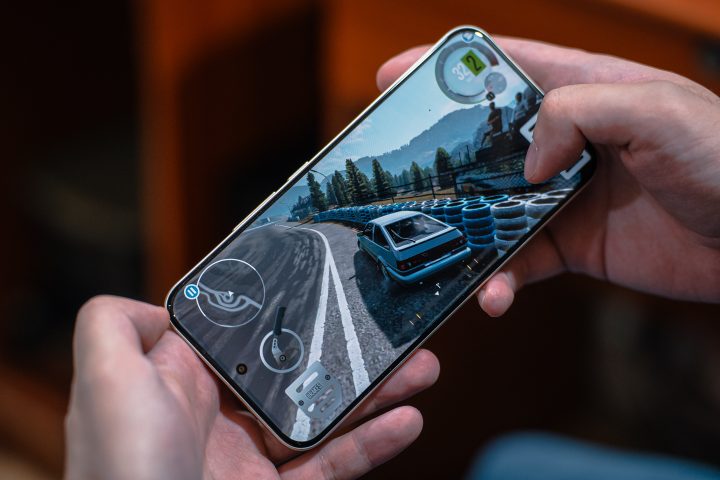
When playing CarX Drift 2, I left most of the graphic settings to medium as well in order to run the game smoothly at 120FPS. Similar to Genshin, it can run the game on high, but it has a hard time doing so at 120FPS. Instead, users will need to lower the FPS in exchange for better graphics or the other way around.

When playing both games, we experienced some heat from the phon,e but it’s not that bad. More importantly, the games didn’t slow down despite the heat.
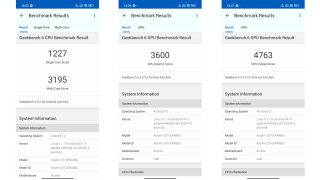
As for the benchmarks, you can check them out below.

| Device: | Redmi Note 15 Pro+ |
|---|---|
| Chipset: | Qualcomm Snapdragon 7s Gen 4 |
| RAM | 12GB |
| Antutu v11 | 1,082,834 |
| Antutu Storage Test (Read) | 1,045.0 MB/s |
| Antutu Storage Test (Write) | 1,016.0 MB/s |
| Geekbench Single-Core | 1,227 |
| Geekbench Multi-Core | 3,195 |
| Geekbench OpenCL | 3,600 |
| Geekbench Vulkan | 4,763 |
| 3D Mark Wild Life | -- UL server issue |
| PCMark Work 3.0 | 13,820 |
| Video Loop Test | 29 hours and 26 minutes |
OS, Apps, and UI
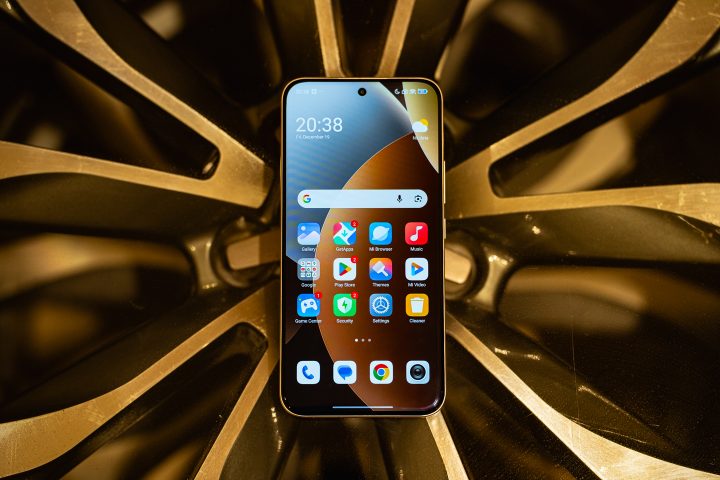
The Redmi Note 15 Pro+ runs on Xiaomi HyperOS 2.0, which is based on Android 15. I’m surprised that it doesn’t ship out with HyperOS 3, which is the latest version of the brand’s operating system based on Android 16.
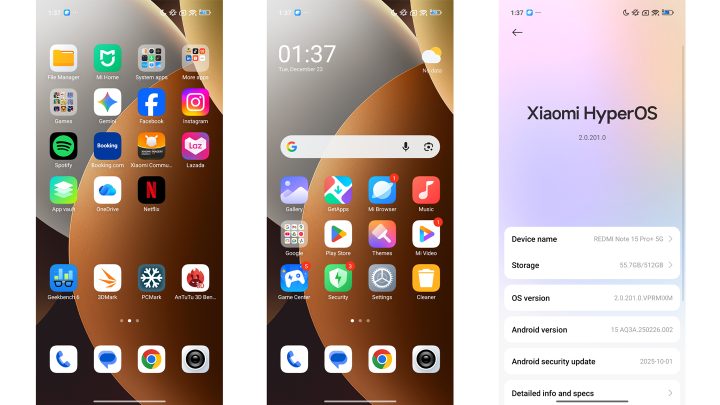
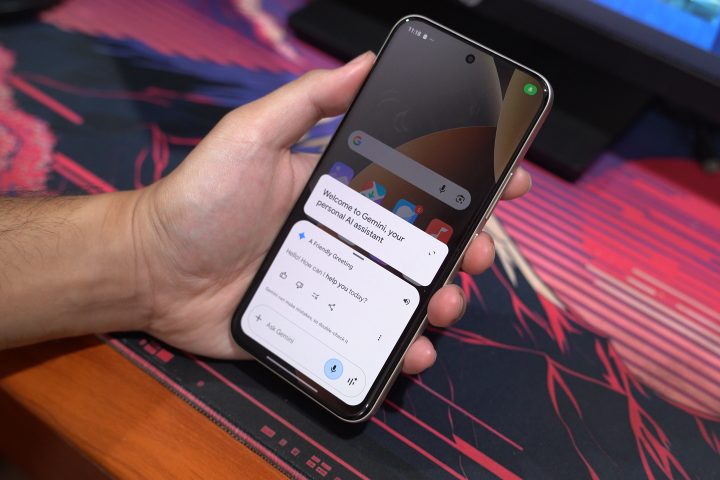
Thankfully, there are still some AI features available even with HyperOS 2.0. It’s not the full suite we’re used to with HyperOS 3, but at least you still have the AI functions in the gallery and even in the notes app, which are the ones you’ll probably use the most. You also have access to Gemini and its suite of functions.
But what I really don’t like about the OS is the bloatware. There’s a lot, and you will have to delete them one by one. Then there’s the pop-up ads coming from apps you don’t even use. It’s honestly annoying since you will have to mute it in the settings to get rid of them.
But other than that, HyperOS 2 is smooth to use on the Note 15 Pro+. Do note that at the time we reviewed this phone, it had yet to be officially launched. With that, it could update to HyperOS 3 by the time the phone launches globally.
Battery and Connectivity

Powering the Redmi Note 15 Pro+ is a 6500mAh battery pack, which is quite larger, especially compared to its competition. With that, we were expecting the phone to last a lot longer than one with a 5000mAh pack, right? Well, it does, but it’s by a big margin.
Using PC Mark’s Battery Benchmark, the Note 15 Pro+ only recorded 16 hours and 40 minutes of battery life. For reference, this was done with 50% brightness, airplane mode, and zero volume.
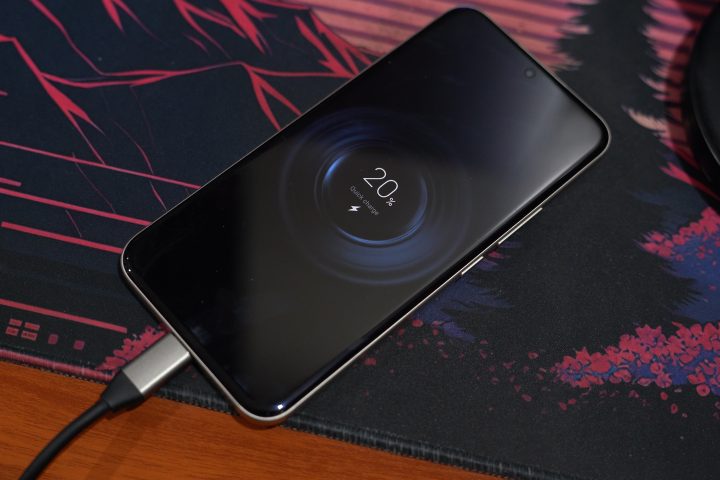
Honestly, we were expecting it to last a bit longer, but it’s only marginally better, especially considering how big it is. Thankfully, when we do need to charge, it doesn’t take long. It features a 100W HyperCharge, which can quickly juice the phone to 100% in a jiffy. There’s also 22.5W reverse wired charging if you want to help out a friend.
In terms of connectivity, the Note 15 Pro+ features Wi-Fi 6, Bluetooth 5.4, NFC, and even eSIM support.
Conclusion
Overall, the Redmi Note 15 Pro+ is a great phone, but you do have to consider that there will be newer models coming out later this year. Unless you really need a new mid-range smartphone right now, we don’t see the necessity in getting it.

Official Philippine SRPs:
- Redmi Note 15 Pro+ 5G (12GB + 256GB) - PHP 25,999
- Redmi Note 15 Pro+ 5G (12GB + 512GB) - PHP 27,999
Should you need to buy one for yourself this January, though you definitely won’t be let down by the Note 15 Pro+ in terms of performance, ruggedness, or even the beautiful display.
Sure, you might be annoyed by the pop-up ads and the bloatware, but hopefully, that can be mitigated once HyperOS 3 comes to this phone.
But so far what do you think of the Redmi Note 15 Pro+? Would you cop it? Share your thoughts in the comments below.
What we liked:
- Great performance
- Beautiful display
- Nice design
What we didn't like:
- Battery life isn't the best
- Cameras could be better
Redmi Note 15 Pro+ Specs:
6.83″ CrystalRes AMOLED, 1.5K (2772 × 1280)
Up to 120Hz, Up to 3200 nits
Snapdragon 7s Gen 4
Adreno GPU
Up to 8GB / 12GB RAM
256GB / 512GB storage
Cameras:
200MP main (OIS) + 8MP ultra-wide
32MP front camera
6,500mAh battery
100W HyperCharge, 22.5W reverse
Xiaomi HyperOS 2
5G, Wi-Fi 6E, Bluetooth 5.4, NFC, GPS
IP66 / IP68 / IP69 / IP69K
163.34 × 78.31 × 8.19–8.47 mm
207–208 g
Mocha Brown, Glacier Blue, Black


0 Comments
Leave a Reply