

Redmi da la bienvenida al 2026 con fuerza a través de la nueva serie Redmi Note 15. Es el sucesor de la serie Redmi Note 14 que vimos en enero de 2025, y después de un año, el nuevo modelo finalmente está aquí.

Específicamente, estaremos revisando el Redmi Note 15 Pro+, y por fuera podría parecer idéntico a su predecesor, conservando el icónico diseño de la isla de cámaras. Sin embargo, hay mejoras importantes bajo el capó, incluyendo un nuevo chipset y una batería más grande.
Con eso, debes preguntarte si vale la pena actualizar al nuevo Redmi Note 15 Pro+ antes de que se lancen los siguientes lotes de teléfonos a finales de este año.
Bueno, te sugiero que sigas leyendo para descubrir si deberías o no comenzar tu nuevo año con este teléfono completamente nuevo.
Diseño y Construcción

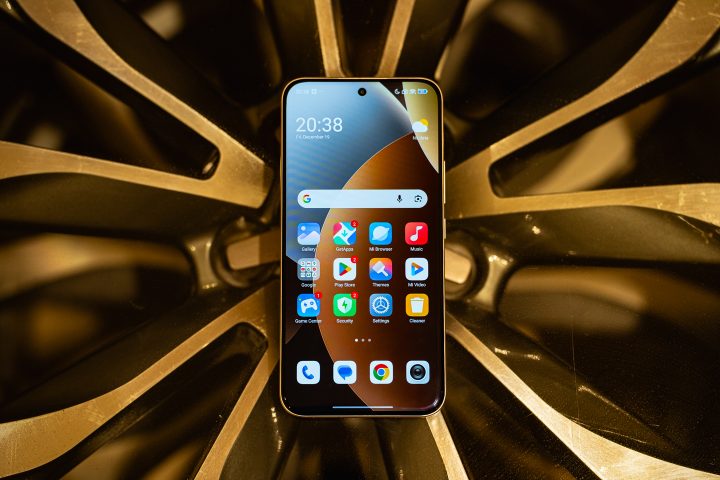
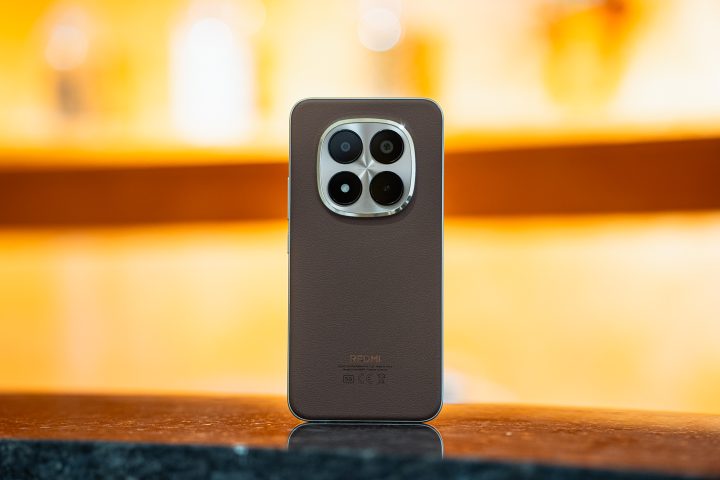
En cuanto al diseño, el Redmi Note 15 Pro+ se ve muy similar a su predecesor, el Note 14 Pro+. La isla de cámara con forma de cuadrado redondeado es casi idéntica, con solo cambios menores en los bordes.

Quizás la actualización más interesante que Redmi implementó en el Note 15 Pro+ es el uso de un panel trasero de cuero sintético. Tenga en cuenta que esto solo está disponible en el color Marrón Mocha, que es el que tenemos.
Siente bien al tacto, y lo que realmente me gusta es que no deja huellas dactilares desagradables cuando tienes las manos sudorosas. Por no mencionar que algunos dirían que incluso le da al teléfono un aspecto y sensación muy premium.
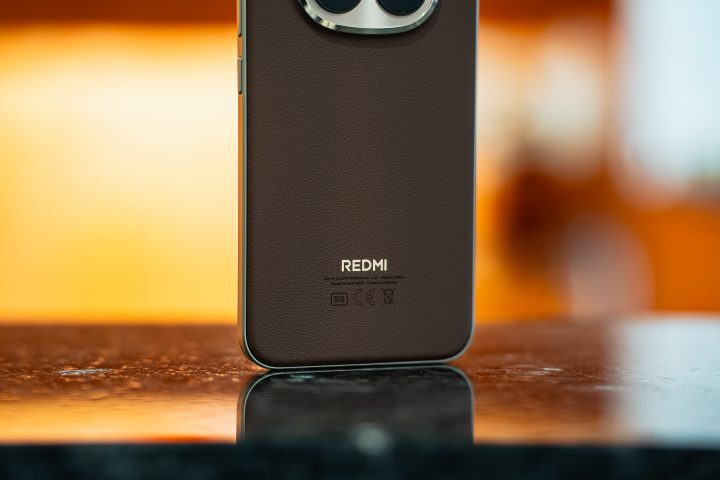
Si el color Mocha Brown no es de su agrado, hay dos colores disponibles: Glacier Blue y Negro, pero estos no cuentan con el panel de cuero sintético. En su lugar, utilizan un panel trasero de vidrio regular combinado con un marco de aluminio.
El diseño del panel trasero en sí también es mucho más minimalista, con el logotipo de Redmi en el centro inferior y una etiqueta sutil 5G debajo. Sin duda, el rediseño sutil ayuda a mejorar la apariencia del teléfono.

Tampoco hay cambios en la ergonomía del teléfono. El botón de volumen y el botón de encendido siguen en el lado derecho, mientras que el lado izquierdo del teléfono está limpio. En la parte inferior se encuentra el puerto USB-C, la ranura para tarjetas dual-SIM y uno de los dos altavoces. En la parte superior están el otro altavoz y un micrófono secundario.
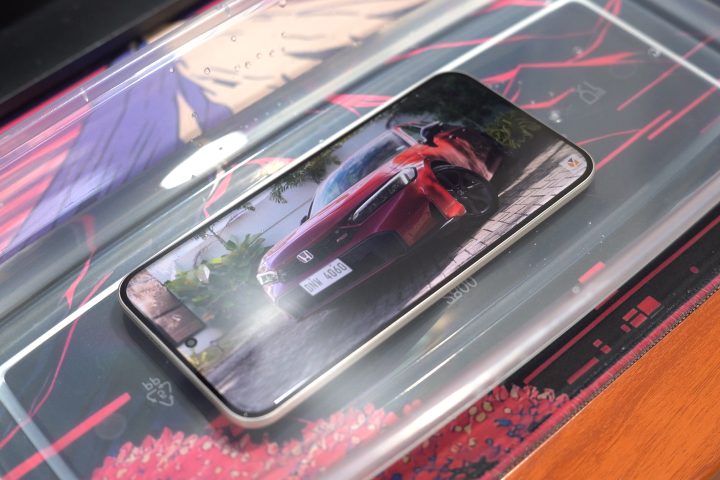
Para mantener su teléfono protegido de los elementos (o de sumergidas accidentales en la piscina), el Note 15 Pro+ cuenta con niveles de protección IP68 e IP69. Así que incluso si lo sumerge en agua, funcionará perfectamente. Pero como siempre, el agua salada es un asunto diferente.
Pantalla, multimedia y biométricos

Aunque el diseño no ha cambiado mucho con respecto a su predecesor, un cambio evidente en el Redmi Note 15 Pro+ es la pantalla. Es considerablemente más grande que antes, midiendo 6.83 pulgadas. No hay retroceso hacia LCD; sigue utilizando un panel de 1.5K AMOLED con una tasa de refresco de hasta 120Hz y un brillo pico de 3200 nits.

Considerando que es un panel AMOLED, presenta colores increíbles y ángulos de visión excelentes. Esto lo hizo muy agradable para maratonear mis series favoritas o ponerme al día con programas en este teléfono. Incluso cuando ves con amigos, ellos también podrán ver todo claramente.

No hay problema al usarlo al aire libre con su brillo pico de 3200 nits; podemos ver todo claramente en la pantalla a pesar del sol brillando intensamente.

En cuanto a la tasa de refresco del 120Hz, obtenemos animaciones fluidas al ver videos, jugar juegos o incluso simplemente navegar por el menú. Pero, por supuesto, los jugadores serán quienes más puedan aprovechar la alta tasa de refresco; hablaremos más sobre eso más adelante.

Los altavoces son agradables para jugar o ver series. Cuenta con soporte para Dolby Atmos y audio de alta resolución; incluso podemos aumentar el volumen hasta un 400% para que suene realmente fuerte.
Sin embargo, no recomiendo maximizarlo al máximo, ya que se pierde un poco de calidad a cambio del volumen. Incluso al 100%, ya es bastante alto por sí solo, pero al menos los usuarios finales pueden aumentar el volumen aún más si lo necesitan.
En cuanto a la biometría, puedes elegir entre un escáner de huellas dactilares en pantalla o el desbloqueo facial. Ambos funcionan rápido, pero por preferencia personal, elegí usar el escáner de huellas dactilares por conveniencia.
Cámaras
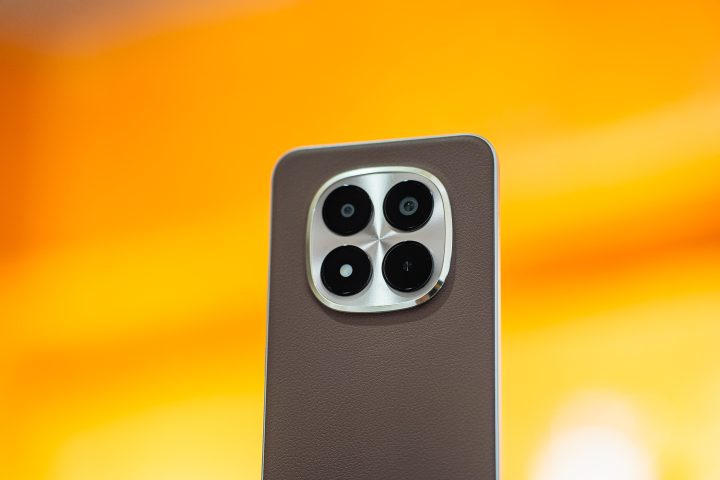
Si viste la isla de cámaras del Redmi Note 15 Pro+, asumirías que aún tiene tres cámaras como antes. Pero, curiosamente, Redmi decidió eliminar una, dejando solo dos. Cuenta con un 200MP principal con sensor de 1/1.4 pulgadas que incluye OIS y un 8MP gran angular. Ya no hay sensor de profundidad 2MP. En la parte frontal, hay una cámara 32MP para selfies.

A 1x o 2x de zoom, la cámara captura imágenes impresionantes. El procesador de imágenes del teléfono hace un gran trabajo equilibrando las luces y las sombras. Los colores son bastante precisos, similares a lo que realmente vemos con nuestros ojos. Tampoco está demasiado editado, lo que nos da una foto con apariencia natural.

Incluso con poca luz, las imágenes salen decentes. Hay algo de grano si hacemos zoom extremo en los píxeles, pero tal como está, es más que suficiente para publicar en redes sociales. También podemos aprovechar el modo Ultra HD, pero honestamente, nunca me encontré usándolo. El modo estándar es más que suficiente.
El único inconveniente es cuando comenzamos a usar el zoom. Más allá de un aumento de 3x, notaremos una caída en la calidad. Sin embargo, esto era de esperarse considerando que la cámara no tiene lente teleobjetivo. La historia es similar al usar la cámara ultrawide. El ultrawide tampoco rinde bien en condiciones de poca luz, donde notaremos mucho grano.

As for video, the rear camera captures at a maximum of 4K@30FPS, while the front is limited to 1080p@30FPS. There doesn’t seem to be any form of stabilization at 4K, which leads to somewhat shaky shots. There is a Steadyshot mode but that’s limited to 1080p. However, we can capture some cinematic-style videos with it turned on.
The video quality is similar to the photos, where we are limited by the zoom and ultrawide. But if you keep it at 1x, it’s more than enough. Just check out the sample gallery below and see for yourself.
Redmi Note 15 Pro+
Dec 19 – 25, 2025


Performance and Benchmarks

Under the hood, the Redmi Note 15 Pro+ packs a Snapdragon 7s Gen 4 chipset. Depending on the specs, it can have up to 12GB of RAM and 512GB of storage. There’s no microSD card slot available, but 512GB is more than enough.
The chipset itself is very capable, and if you’re using it for everyday work or productivity purposes, you won’t be let down. We can leave multiple applications running in the background, and you can quickly switch between them without a problem. This means you can easily pick up where you left off.

It’s a similar story when it comes to playing games. On Genshin Impact, it could run the game smoothly on medium graphics at 60FPS without issues. We can bump some of the settings to high, but this also invites framerate drops.

When playing CarX Drift 2, I left most of the graphic settings to medium as well in order to run the game smoothly at 120FPS. Similar to Genshin, it can run the game on high, but it has a hard time doing so at 120FPS. Instead, users will need to lower the FPS in exchange for better graphics or the other way around.

When playing both games, we experienced some heat from the phon,e but it’s not that bad. More importantly, the games didn’t slow down despite the heat.
As for the benchmarks, you can check them out below.

| Device: | Redmi Note 15 Pro+ |
|---|---|
| Chipset: | Qualcomm Snapdragon 7s Gen 4 |
| RAM | 12GB |
| Antutu v11 | 1,082,834 |
| Antutu Storage Test (Read) | 1,045.0 MB/s |
| Antutu Storage Test (Write) | 1,016.0 MB/s |
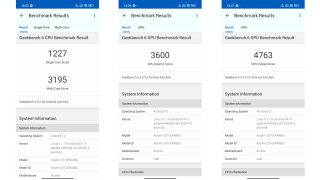
| Geekbench Single-Core | 1,227 |
| Geekbench Multi-Core | 3,195 |
| Geekbench OpenCL | 3,600 |
| Geekbench Vulkan | 4,763 |
| 3D Mark Wild Life | -- UL server issue |
| PCMark Work 3.0 | 13,820 |
| Video Loop Test | 29 hours and 26 minutes |
OS, Apps, and UI
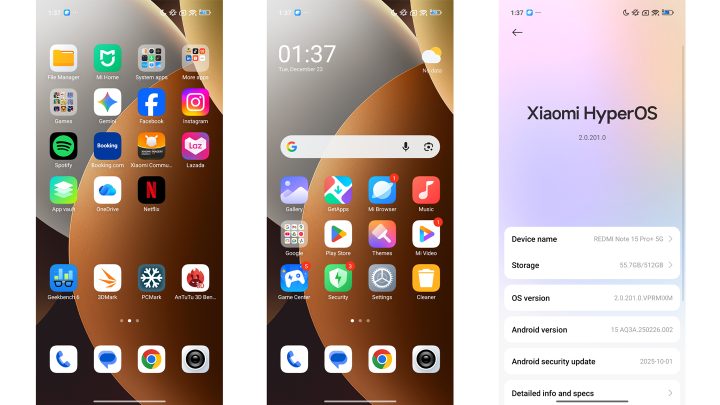
The Redmi Note 15 Pro+ runs on Xiaomi HyperOS 2.0, which is based on Android 15. I’m surprised that it doesn’t ship out with HyperOS 3, which is the latest version of the brand’s operating system based on Android 16.
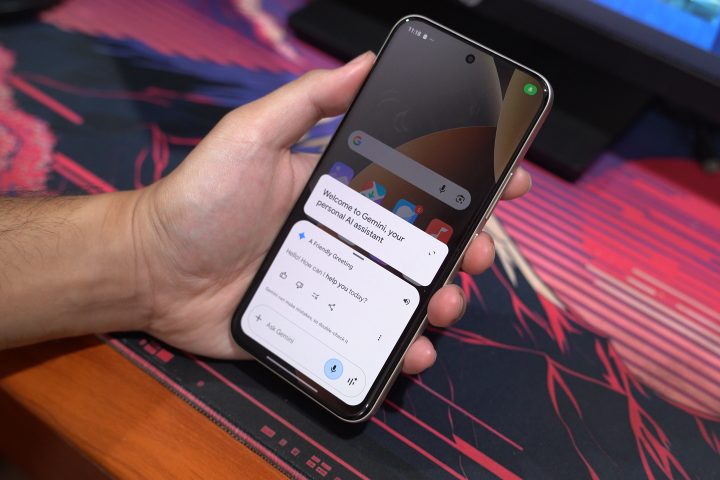
Thankfully, there are still some AI features available even with HyperOS 2.0. It’s not the full suite we’re used to with HyperOS 3, but at least you still have the AI functions in the gallery and even in the notes app, which are the ones you’ll probably use the most. You also have access to Gemini and its suite of functions.
But what I really don’t like about the OS is the bloatware. There’s a lot, and you will have to delete them one by one. Then there’s the pop-up ads coming from apps you don’t even use. It’s honestly annoying since you will have to mute it in the settings to get rid of them.
But other than that, HyperOS 2 is smooth to use on the Note 15 Pro+. Do note that at the time we reviewed this phone, it had yet to be officially launched. With that, it could update to HyperOS 3 by the time the phone launches globally.
Battery and Connectivity

Powering the Redmi Note 15 Pro+ is a 6500mAh battery pack, which is quite larger, especially compared to its competition. With that, we were expecting the phone to last a lot longer than one with a 5000mAh pack, right? Well, it does, but it’s by a big margin.
Using PC Mark’s Battery Benchmark, the Note 15 Pro+ only recorded 16 hours and 40 minutes of battery life. For reference, this was done with 50% brightness, airplane mode, and zero volume.
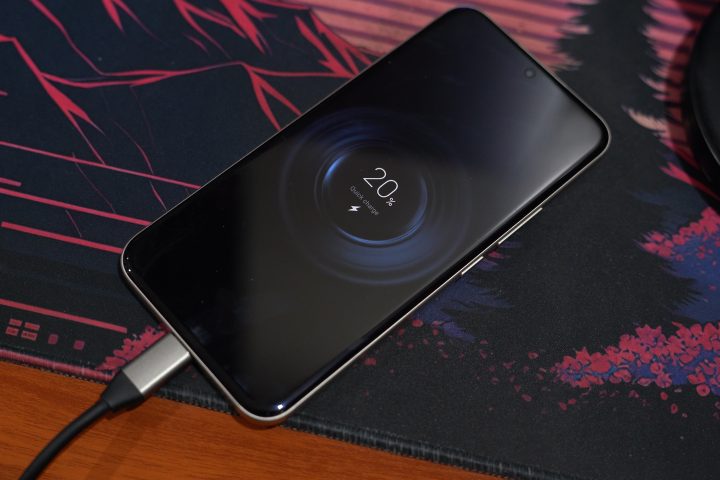
Honestly, we were expecting it to last a bit longer, but it’s only marginally better, especially considering how big it is. Thankfully, when we do need to charge, it doesn’t take long. It features a 100W HyperCharge, which can quickly juice the phone to 100% in a jiffy. There’s also 22.5W reverse wired charging if you want to help out a friend.
In terms of connectivity, the Note 15 Pro+ features Wi-Fi 6, Bluetooth 5.4, NFC, and even eSIM support.
Conclusion
Overall, the Redmi Note 15 Pro+ is a great phone, but you do have to consider that there will be newer models coming out later this year. Unless you really need a new mid-range smartphone right now, we don’t see the necessity in getting it.

Official Philippine SRPs:
- Redmi Note 15 Pro+ 5G (12GB + 256GB) - PHP 25,999
- Redmi Note 15 Pro+ 5G (12GB + 512GB) - PHP 27,999
Should you need to buy one for yourself this January, though you definitely won’t be let down by the Note 15 Pro+ in terms of performance, ruggedness, or even the beautiful display.
Sure, you might be annoyed by the pop-up ads and the bloatware, but hopefully, that can be mitigated once HyperOS 3 comes to this phone.
But so far what do you think of the Redmi Note 15 Pro+? Would you cop it? Share your thoughts in the comments below.
What we liked:
- Great performance
- Beautiful display
- Nice design
What we didn't like:
- Battery life isn't the best
- Cameras could be better
Redmi Note 15 Pro+ Specs:
6.83″ CrystalRes AMOLED, 1.5K (2772 × 1280)
Up to 120Hz, Up to 3200 nits
Snapdragon 7s Gen 4
Adreno GPU
Up to 8GB / 12GB RAM
256GB / 512GB storage
Cameras:
200MP main (OIS) + 8MP ultra-wide
32MP front camera
6,500mAh battery
100W HyperCharge, 22.5W reverse
Xiaomi HyperOS 2
5G, Wi-Fi 6E, Bluetooth 5.4, NFC, GPS
IP66 / IP68 / IP69 / IP69K
163.34 × 78.31 × 8.19–8.47 mm
207–208 g
Mocha Brown, Glacier Blue, Black




0 Comments
Leave a Reply