
If you’ve ever tapped an ID or payment card on a reader, been through a contactless toll gate on the highway, or even gone shopping for clothes at the mall, then you have experienced the wonderful technology known as RFID. An abbreviation for radio-frequency identification, RFID might feel like a distinctly 21st-century technology, but it actually has a fairly long history, with its earliest known predecessor dating back to 1945. Essentially, RFID is a form of wireless data transfer that utilizes radio waves. These are the RFID tag, RFID reader, and antenna. In a nutshell, it’s a simple matter of the RFID reader scanning the chip embedded in the RFID tag, retrieving its data. You may have noticed that RFID tags and stickers have either a squared-off spiral or zig-zag line. The RFID reader sends a radio wave of a certain frequency, depending on the use case. The RFID tag antennas accept this radio wave as energy, which then powers up the chip. Read more in our articles including "RFID - Explained!" and "WhatsApp for desktop now available for download".

If you’ve ever tapped an ID or payment card on a reader, been through a…
Feb 25, 2021Facebook-owned cross-platform instant messaging client, WhatsApp, has announced WhatsApp Web – the desktop version of…
May 11, 2016News about the Land Transportation Office (LTO) implementing RFID tagging on all motor vehicles this…
Sep 24, 2009
A new school year means new projects, research papers, presentations, and online learning tasks. Whether…
Jun 14, 2026
Inflation is now (May 2026) at 7.2%, electricity rates at Php14.33/kWhr, and gas prices through…
May 28, 2026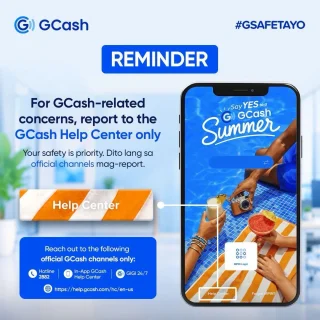
GCash has expanded its in-app help tools and security features to address a growing number…
May 22, 2026If you’ve ever tapped an ID or payment card on a reader, been through a contactless toll gate on the highway, or even gone shopping for clothes at the mall, then you have experienced the wonderful technology known as RFID. An abbreviation for radio-frequency identification, RFID might feel like a distinctly 21st-century technology, but it actually has a fairly long history, with its earliest known predecessor dating back to 1945.
Essentially, RFID is a form of wireless data transfer that utilizes radio waves. These are the RFID tag, RFID reader, and antenna. In a nutshell, it’s a simple matter of the RFID reader scanning the chip embedded in the RFID tag, retrieving its data.
Our coverage of what is rfid includes: "RFID - Explained!"; "WhatsApp for desktop now available for download"; "LTO to implement RFID tags on motor vehicles". Each article provides unique insights and information.