
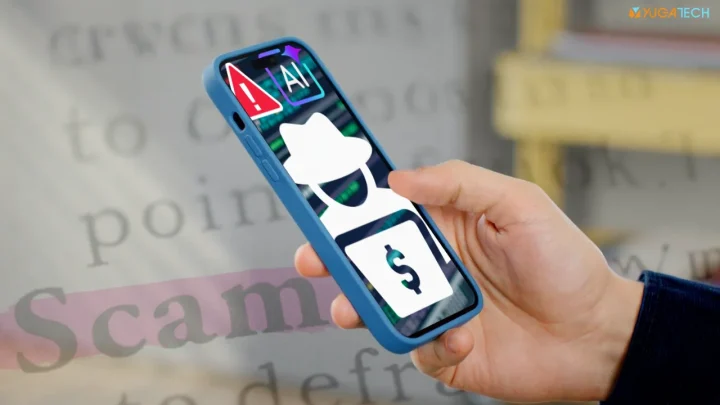
Artificial Intelligence (AI) has become part of everyday life for many Filipinos. Whether you’re asking an AI assistant to summarize a document, using it to draft emails, translate languages, or plan your next vacation, AI has made many daily tasks faster and more convenient. It helps students learn, professionals become more productive, and families stay connected.
But just as AI is making life easier, it’s also making life easier for cybercriminals.
Today’s online scams are no longer limited to poorly written emails or suspicious websites. Thanks to AI, scammers can now create convincing conversations, realistic-looking videos, fake customer service representatives, and even entire online communities designed to gain your trust.
When AI Creates a Fake Reality
One of the latest examples comes from cybersecurity company Check Point Software Technologies, which uncovered what researchers call the “Truman Show Scam”.

Unlike traditional phishing attacks, this scam doesn’t simply ask victims to click a malicious link. Instead, it creates an entire fictional investment world that feels completely legitimate.
Victims are initially contacted through SMS, online advertisements, or messaging platforms and invited to join exclusive investment groups on WhatsApp or Telegram. Inside these groups are AI-generated financial experts, active community members, professional market updates, and screenshots showing impressive investment returns.
Everything appears authentic.
The discussions are natural. The profile photos look real. Members constantly celebrate their profits. Even the investment platform itself is available through official mobile app stores.
Unfortunately, none of it is real.
The investment app merely displays fake balances and fabricated trading activity while encouraging users to complete identity verification and deposit real money. By the time victims realize they’ve been deceived, they’ve already handed over their funds, government-issued IDs, selfies, and other sensitive personal information.
This represents a new generation of cybercrime where scammers don’t simply impersonate people—they manufacture an entire digital reality powered by AI.
AI Is Fueling More Than Investment Scams
Investment fraud is only one example of how AI is changing the cybersecurity landscape.
As AI becomes more sophisticated, scammers are also using the technology to create more convincing forms of online fraud—from personalized phishing messages and fake customer service interactions to cloned voices and deepfake videos.
Phishing Messages
Scammers now use AI to create highly personalized emails, SMS messages, and chat conversations that closely resemble legitimate communications from banks, delivery services, online retailers, or even coworkers.
Instead of obvious spelling mistakes and awkward grammar, many phishing messages now read like professionally written customer service communications.
Deepfake Videos and Voice Cloning
AI can generate videos and audio recordings that imitate public figures, company executives, or even family members.
These deepfakes may be used to promote fake investments, request emergency money transfers, or convince victims to disclose confidential information. As the technology improves, distinguishing real from fake becomes increasingly difficult.
Identity Theft
Once scammers obtain your personal information—whether through fake investment platforms, phishing pages, or fraudulent verification requests—they can reuse those details for fake loan applications, account takeovers, SIM swap attacks, or other forms of financial fraud.
How to Spot AI-Powered Scams

Although AI-generated scams are becoming more sophisticated, they still share common warning signs.
If you receive an unexpected investment offer promising unusually high returns, treat it with caution. Legitimate financial institutions rarely recruit customers through random chat messages or social media groups.
Be skeptical of messages that create a sense of urgency. Scammers often pressure victims by claiming their account will be suspended, a prize will expire, or an investment opportunity is available for only a limited time.
Always verify the sender. Check email addresses, phone numbers, website URLs, and official company channels before responding or clicking any links.
If you encounter a video or voice recording that seems unusual, verify the information through another trusted source. Don’t rely solely on what appears in the video, even if it seems to feature a familiar face.
Finally, never upload government IDs, selfies, or personal documents to platforms that you cannot independently verify.
Good Cyber Hygiene Still Matters
Technology alone cannot stop scams. Safe online habits remain one of the strongest defenses.
Here are a few practical practices every internet user should follow:
- Use strong, unique passwords for every account.
- Enable multi-factor authentication whenever available.
- Keep your devices, apps, and browsers updated.
- Install reputable security software.
- Review app permissions regularly and remove unnecessary access.
- Be cautious about sharing personal information on social media.
- Immediately report compromised bank accounts, social media accounts, or mobile numbers if you suspect unauthorized access.
These simple habits significantly reduce the chances of becoming a victim, even as cybercriminals adopt more advanced AI tools.
Stay Informed as AI Continues to Evolve
Artificial Intelligence isn’t the problem—it’s how people choose to use it.
AI continues to improve productivity, learning, communication, and creativity. At the same time, it is giving scammers new ways to manipulate trust and create convincing digital experiences. That makes awareness just as important as technology itself.
Recognizing suspicious behavior, verifying information before acting, and protecting your personal data are becoming essential digital skills for every Filipino household.
Communities that promote responsible digital citizenship can also help people stay ahead of emerging threats. Through PLDT Home’s Online Alerto, Filipinos can learn practical cybersecurity tips, understand the latest online scams, and build safer digital habits for themselves and their families.
As AI continues to reshape the internet, staying informed is one of the best ways to use technology with confidence while keeping yourself and your loved ones safe online.
For more information, visit www.pldthome.com.






0 Comments
Leave a Reply