
تم إصدار سلسلة POCO F7، وما يثير الاهتمام حقًا في هذا الإصدار الجديد هو إضافة نسخة "ألترا": وهي POCO F7 Ultra. كما يوحي الاسم، فهي مجهزة بأقوى المواصفات والميزات التي رأيناها على الإطلاق على جهاز من POCO.

من الداخل، يتوفر على أحدث وأقوى معالج Snapdragon 8 Elite، ويتم تسعيره بشكل تنافسي مقارنة بالأجهزة الرائدة الحقيقية التي تعمل بنفس الشريحة.
ولكن، إلى جانب ذلك، ما الذي يحمله هاتف POCO F7 Ultra في جعبته؟ ستكتشفون ذلك قريبًا في هذه المراجعة الشاملة.
التصميم والإنشاء
أول ما ستلاحظه بالتأكيد هو المظهر المحدّث، والتغييرات التي أُدخلت هنا درامية للغاية.

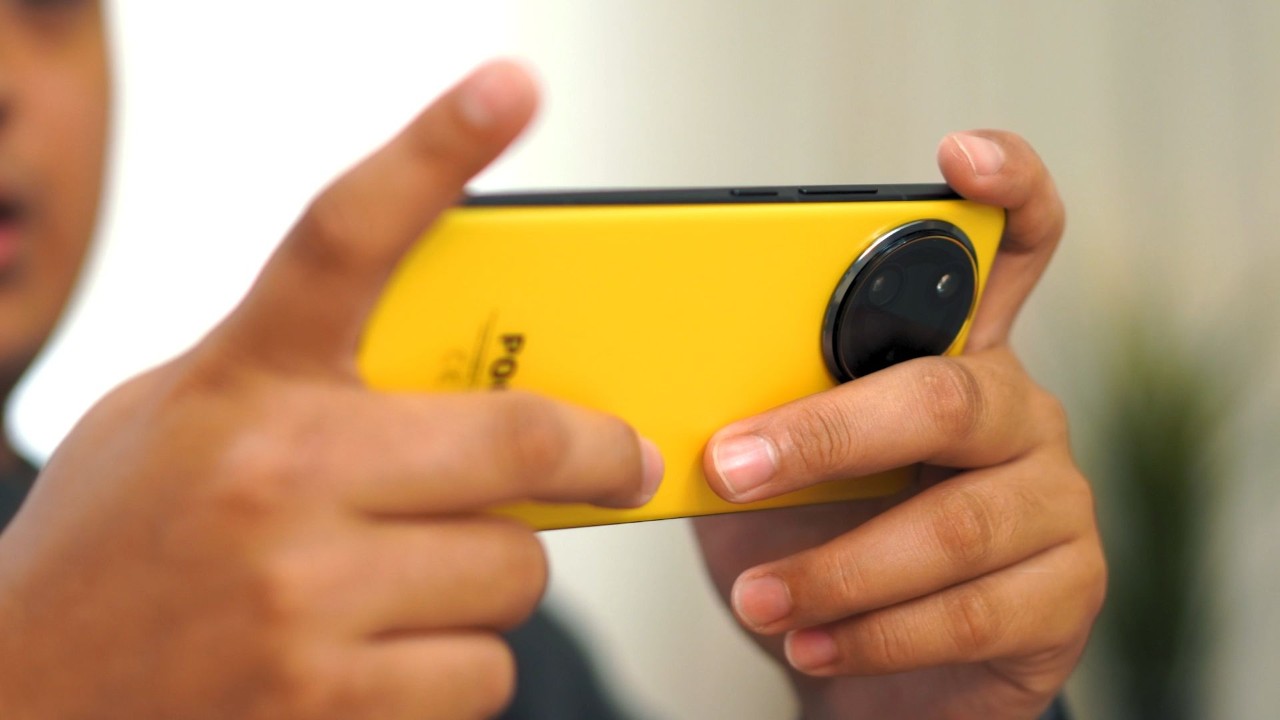
اختفت اللوحة المستطيلة من سلسلة POCO F6، وحلّ محلها الآن جزيرة كاميرا دائرية الشكل. وهي ليست في المنتصف على عكس النماذج الحديثة الجديدة من علامات تجارية أخرى، كما أنها أصغر نسبيًا أيضًا. لا تزال العدسات موضوعة في الزاوية العلوية اليسرى، بينما يقع فلاش LED ثنائي اللون بجانب الوحدة الدائرية.
جهازنا يتبع النمط الكلاسيكي باللونين الأسود والأصفر، وعند النظر عن كثب، يبدو أن الهاتف يتميز بلمسة مزدوجة الألوان. الجزء العلوي يحمل تأثيرًا لامعًا، بينما النصف السفلي ذو ملمس غير لامع.
كما في السابق، تنحني لوحة الخلفية الزجاجية نحو الحواف مما يجعلها أكثر راحة في الإمساك بها رغم الإطار المسطح. وفيما يتعلق بالإطار، فهو لا يزال مصنوعًا من المعدن بلمسة سوداء غير لامعة.
في حين أن تصميم F7 Ultra مقبول بحد ذاته، إلا أنه لا يمنح مظهرًا فاخرًا في رأيي المتواضع – على الأقل في خيار اللون الأصفر هذا. أعلم أن الأصفر هو لون هوية POCO التجارية، لكنه يبدو صاخبًا جدًا هنا. لحسن الحظ، هناك خيار باللون الأسود لمنح مظهر أكثر هدوءًا.

هذا جعلني أقدر حقًا تصميم هاتف POCO F6 Pro من العام الماضي، خاصةً في اللون الأبيض. يبدو تخطيط الكاميرا في F6 Pro أفضل بالنسبة لي، وإضافة نمط يشبه الرخام جعل الهاتف يبدو أكثر إثارة للاهتمام مقارنة بالنموذج الجديد.
كما أن شعار POCO هنا (في هاتف F6 Pro) أكثر خفوتًا وأصغر حجمًا من ذلك الموجود في هاتف F7 Ultra.

التصميم في النهاية أمر ذاتي، ولا زلت أقدر المظهر المُعاد تصميمه لهاتف F7 Ultra. علاوة على ذلك، فإن تركيزه الأساسي لا يكمن في مظهره، بل في أداؤه من فئة الرايات العليا—سنتحدث عن ذلك لاحقًا.
جدير بالذكر أن تحسينًا ملموسًا في F7 Ultra هو حصوله على تصنيف IP68 لمقاومة الغبار والماء، وهو حاليًا أعلى مستوى للحماية، مما يطابق ما يتمتع به الجهاز الرائد الفعلي. وتجدر الإشارة إلى أن F6 Pro كان يمتلك فقط تصنيف IP54 للمقاومة ضد الغبار والرشاشات.
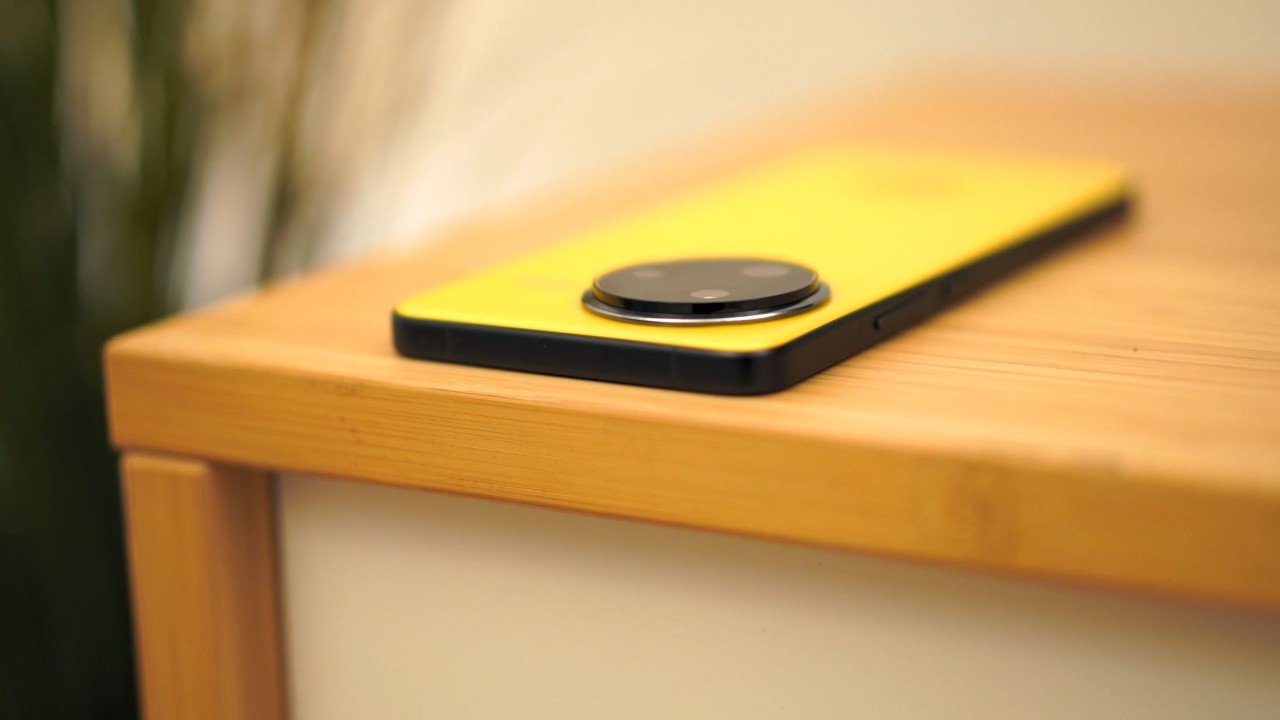
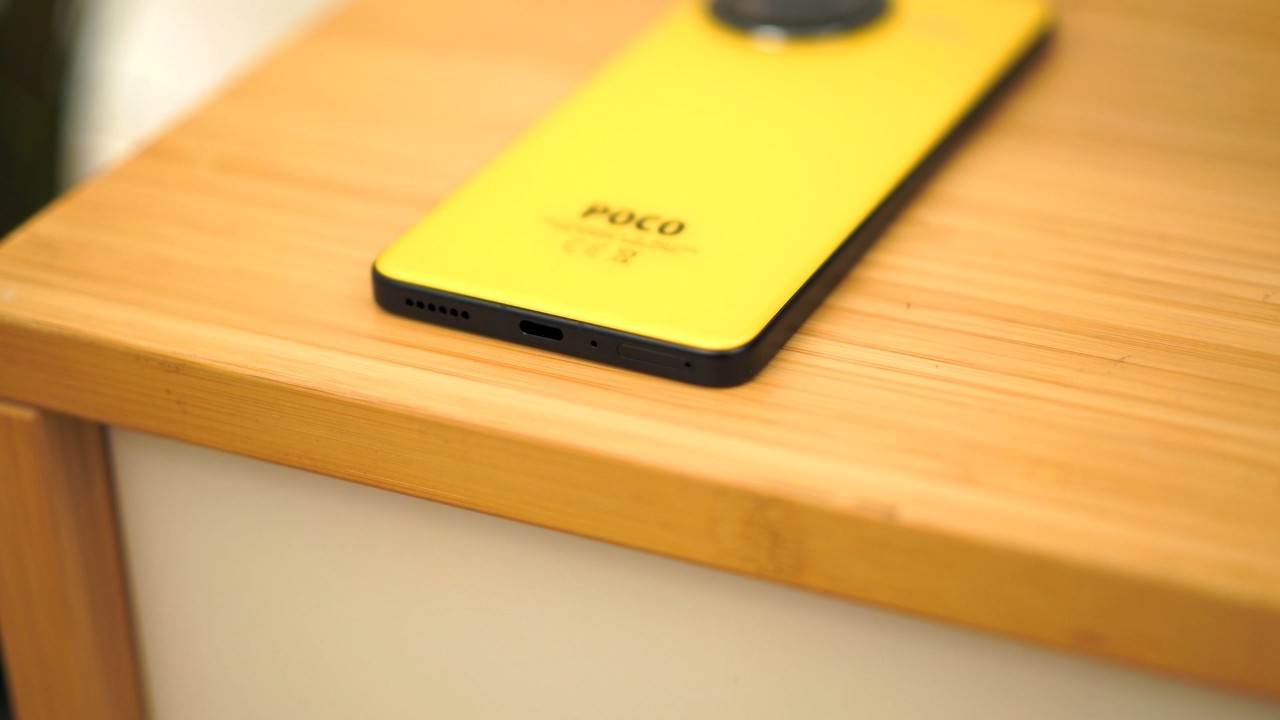
بالنسبة لواجهات الإدخال والإخراج، يقع زر الطاقة مع مقبض التحكم في الصوت على الجانب الأيمن، بينما تكون الجوانب العلوية واليسرى نظيفة. أما حامل بطاقة SIM ومنفذ USB-C وشبكة السماعة، فتوجد جميعها في الأسفل. يحتوي الهاتف على مكبرات صوت مزدوجة تعمل بنظام ستيريو، رغم أن المكبر الثاني مدمج داخل سماعة الاستماع.
ربما تتساءلون: هل لم يعد هناك جهاز إرسال بالأشعة تحت الحمراء؟ لا يزال موجودًا، لكنه الآن مدمج ضمن منطقة الكاميرا (أعتقد). لذا، فهذا أمر متاح.
الشاشة، الوسائط المتعددة، والبيومتركس
قلّب الهاتف وستجد شاشة AMOLED بدقة 2K بحجم 6.67 بوصة مع معدل تحديث سلس 120Hz، ودرجة سطوع قصوى تصل إلى 3200 شمعة/م². ومن المثير للاهتمام أن هذه السطوعة القصوى أقل قليلاً من هاتف F6 Pro الذي يبلغ 4000 شمعة/م². ومع ذلك، فإن هذه السطوعة تنطبق فقط على محتوى HDR، لذا فهي ليست مشكلة كبيرة.

شاشة هاتف POCO F7 Ultra تبدو مشابهة تقريبًا لشاشة العام الماضي، باستثناء أنها تستخدم زجاج POCO Shield الجديد بدلاً من Gorilla Glass. ومن حيث العرض البصري، يقدم F7 Ultra تجربة مشاهدة مُرضية، مع ألوان نابضة بالحياة وسواد عميق بفضل شاشته AMOLED.

كما هو متوقع، يدعم Widevine L1 لمشاهدة محتوى عالي الدقة على نتفليكس بشكل متواصل، وبث بدقة تصل إلى 4K Ultra HD (2160p) على يوتيوب.
إلى ذلك، يقدم الهاتف صوتًا ستريو يوفر تفاصيل دقيقة مع توازن جميل بين الترددات المنخفضة والمتوسطة والعالية. كما يتوفر الصوت العميق (الباس)، وإن لم يكن بقدر ما في الهواتف الرائدة الحقيقية، إلا أنه عميق بما يكفي لتجربة استماع ممتعة.

من أجل الأمان البيومتري، يستخدم F7 Ultra مستشعر بصمة إصبع مدمج في الشاشة، ولكن بدلاً من المستشعر البصري، فإنه الآن مزود بمستشعر فوق صوتي. هذا أكثر أمانًا بكثير وأسرع قليلًا في التعرف على بصمتي. بالإضافة إلى ذلك، أصبح موضعه أكثر راحة الآن، أقرب إلى مركز الشاشة.
الكاميرا
الآن، دعنا نتحدث عن الكاميرات. يأتي هاتف F7 Ultra بثلاث كاميرات في الخلف: مستشعر رئيسي بدقة 50 ميجابكسل مع تثبيت بصري (OIS)، وكاميرا تيليفوتو بدقة 50 ميجابكسل مزودة أيضًا بتثبيت بصري، بالإضافة إلى كاميرا واسعة الزاوية بدقة 32 ميجابكسل. أما للصور الذاتية، فيحتوي على عدسة بدقة 32 ميجابكسل في المقدمة.

من ورقة المواصفات وحدها، هذه بعض الترقيات الجيدة حقًا. أصبح بإمكانك الآن التقاط صور مكبرة تصل إلى 5x، والصور فائقة الاتساع أصبحت أكثر وضوحًا. كما أن إضافة عدسة التيليفوتو تعني أنك تحصل على صور ماكرو أفضل.
جودة الصورة رائعة مع نطاق ديناميكي جيد وألوان دقيقة. تبدو لقطات الليل حادة أيضًا، رغم أن التباين قد يكون مبالغًا فيه قليلاً في بعض الأحيان.
Check out some of our sample shots right here.
Shot on POCO F7 Ultra
Mar 8 – 23, 2025


For video capture, this phone can shoot up to 4K at 60 fps, and the results? Pretty solid. You get nice contrast and colors, too.
Both the main and telephoto sensors come with OIS, which definitely helps for stable shots, but a quick note—if you're shooting at 5x zoom in low light, you will notice some noise creeping in. Still, in well-lit conditions, the F7 Ultra’s video performance really pops off.
Performance and Benchmarks
Moving on to performance, the POCO F7 Ultra is an absolute beast of a device. It boasts the latest Snapdragon 8 Elite flagship chipset from Qualcomm—it's running the full version, mind you—so you can easily imagine what this thing is capable of.

For config, our unit comes with 16GB RAM and 512GB of storage.
In ANTUTU, the POCO F7 Ultra easily surpassed a score of 2.3 million points which is really impressive, considering this ain’t even a proper flagship device. The phone also crushed it on other tests garnering very high scores in ANTUTU Storage, and in Geekbench.
| Benchmark | POCO F7 Ultra |
| Chipset | Qualcomm Snapdragon 8 Elite |
| AnTuTu V10 | 2,388,511 |
| AnTuTu Storage | 183,800 |
| S.Read Speed | 3671.7 MB/s |
| S.Write Speed | 3957.3 MB/s |
| 3DMark Wild Life | MAXED OUT |
| 3DMark Wild Life Extreme | 5,422 (32.47 avg. fps) |
| Geekbench 6 CPU Single-Core | 2,347 |
| Geekbench 6 CPU Multi-Core | 8,307 |
| Geekbench 6 GPU OpenCL | 18,060 |
| Geekbench 6 GPU Vulkan | 24,246 |
| PCMark Work 3.0 performance | 17,608 |
| PCMark Work 3.0 battery life | 14 hrs & 16 mins |
With these numbers, you can expect top-notch performance, especially when it comes to gaming. We mostly played Zenless Zone Zero with all the graphics settings cranked up to High and it did not stutter one bit.
Also, the phone debuts the so-called VisionBoost D7 display chip which provides “smart frame rate” at 120 fps, enhanced graphics, and Game HDR—or so POCO claims at least.

Perhaps, the only indication of this feature is when playing Asphalt Legends Unite, where there is an option to set the frame rate to 120 fps. This is something like the POCO F6 Pro didn’t have. Although, this could also mean that the F7 Ultra’s chipset is powerful enough to handle such high frame rates consistently.
It does get a bit warm after several minutes of playing, but not too hot to the touch.
OS, UI, and Apps
Turning onto software, the POCO F7 Ultra runs Xiaomi’s latest HyperOS 2 based on Android 15.

Since it’s got a very powerful chipset, animations are buttery smooth and snappy, and you can appreciate all the blurring elements across the UI. So far, we haven’t encountered any issues or bugs whatsoever.


Similar to Xiaomi’s flagship, the F7 Ultra comes with nifty AI features. An overview of them can be found on the Settings under the Xiaomi HyperAI tab. There’s Google Circle to Search and AI app boost referring to built-in AI features inside system apps like Notes, Gallery, and Recorder.
There’s a handful of bloatware here, though you can easily remove or uninstall them.

As of writing, there’s no info yet about how long Xiaomi will provide software support for the POCO F7 Ultra. But for reference, the POCO F6 Pro is promised to get three years of major OS upgrades and four years of security patches.
Connectivity and Battery Life
In terms of battery life, the POCO F7 Ultra performs decently. It packs a slightly larger than usual battery, rated at 5300mAh.
During my use, the handset usually lasted half a day of use. This includes watching content on YouTube and Netflix, as well as playing a couple of matches in games like Honor of Kings and doing dailies in ZZZ.

In PCMark, the phone managed to get 14 hours and 16 minutes of runtime. That might not be as impressive, but in case the phone’s battery drops low, charging it to full takes less than 30 minutes.
The phone supports 120W of fast charging, the same as last year, but what’s more impressive is it supports 50W of wireless charging.
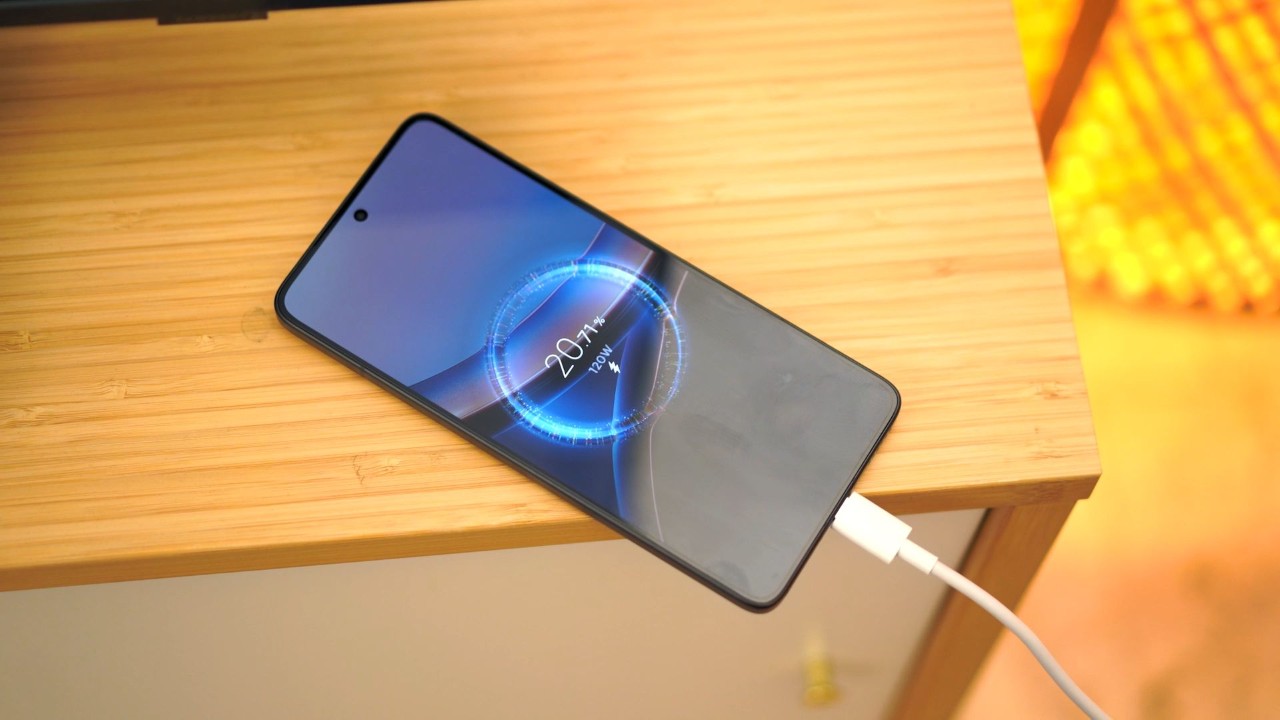
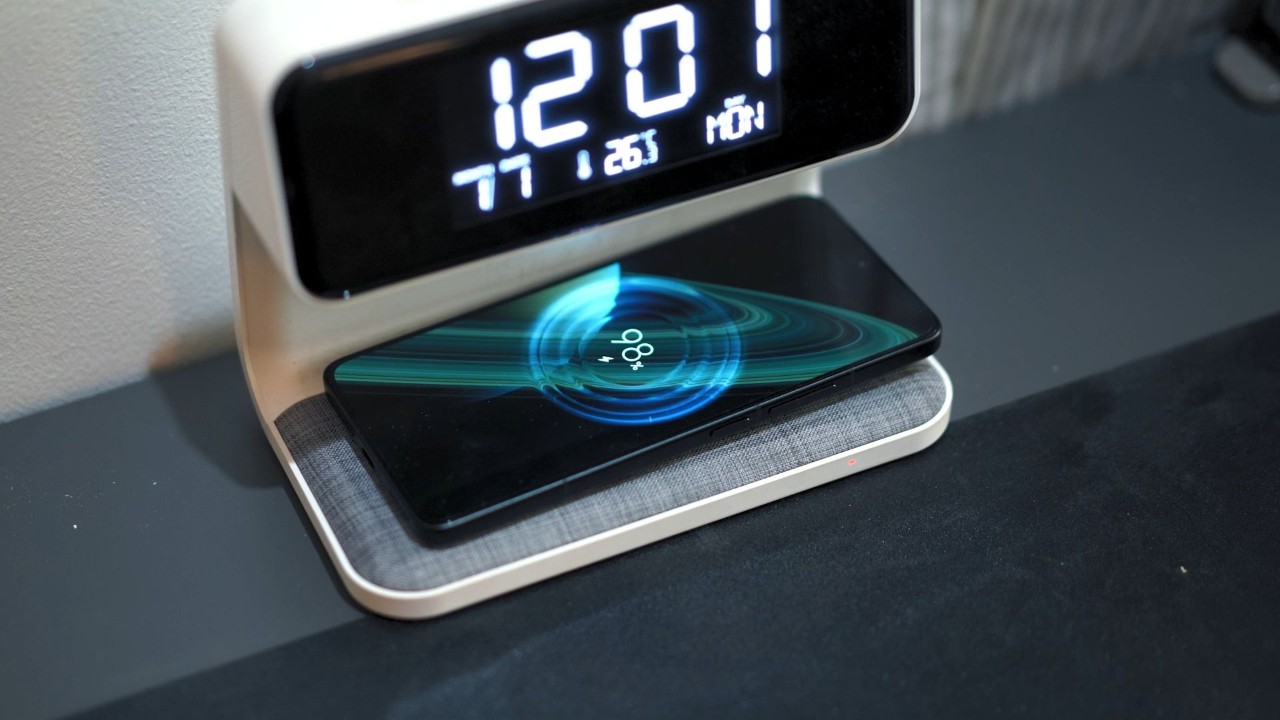
I also got to mention this new “Battery protection” feature in the Settings that wasn’t available to Xiaomi phones before. Assuming that this is similar to iPhone’s battery health metrics that shows ‘Maximum capacity’, this is surely a welcome addition.

Although, we’re not quite sure if only the newer Xiaomi phones will get this feature or a future software update for other models will do. I hope it’s the latter.
Connectivity-wise, it’s got all the essentials: 5G, NFC, the good ol’ IR blaster like mentioned earlier, Wi-Fi 7, and Bluetooth 6. Sadly, this iteration is still not eSIM-capable.
Price and Verdict
To wrap it all up, the POCO F7 Ultra is a clear statement of what you can get when flagship performance meets aggressive pricing.
With its flagship-tier performance thanks to Snapdragon 8 Elite, solid cameras, and added features like IP68 and 50W of wireless charging, the F7 Ultra is packing serious value for money.
The POCO F7 Ultra sets you back PHP 36,999 for the 12GB+256GB trim, while the 16GB+512GB version goes for PHP 39,999. The brand is also currently running early bird promos until April 3, 2025—slashing its prices down to PHP 34,999 (12GB+256GB) and PHP 37,999 (16GB+512GB).

Sure, the design isn't necessarily going to win any awards, but it's hard to ignore the sheer performance this device delivers. And for the price, the POCO F7 Ultra indeed offers all the high-end specs you’d expect from a premium phone without the premium price tag.
What we liked:
- Flagship-tier performance
- Addition of IP68 rating, telephoto camera
- More than capable camera performance
What we didn’t like:
- Presence of bloatware
POCO F7 Ultra specs:
6.67-inch 2K AMOLED display
3200 x 1440 pixels, 120Hz, 526 ppi
3200 nits peak brightness
POCO Shield Glass
Qualcomm Snapdragon 8 Elite
3nm, octa-core, up to 4.32GHz
VisionBoost D7 display chip (12nm)
12GB, 16GB LPDDR5X RAM
256GB, 512GB UFS 4.1 storage
Triple rear cameras:
- 50MP f/1.6 main, OIS
- 50MP f/2.0 telephoto, OIS
- 32MP f/2.2 ultrawide, 120° FoV
32MP selfie camera (hole punch notch)
Dual nano-SIM
5G, 4G LTE
Wi-Fi 7
Bluetooth 6.0
Dual-frequency GPS
USB Type-C
NFC
Under-display fingerprint sensor (ultrasonic), face unlock
IP68 dust and water resistance
Dual stereo speakers, IR blaster
Xiaomi HyperOS 2, Android 15
5300mAh battery
120W charging (wired)
50W wireless
160.26 x 74.95 x 8.39 mm
212g
Black, Yellow (colorways)


0 Comments
Leave a Reply