
If you’re on the hunt for a new smartphone right now, you might want to stick around.

Because in this article, we’re calling out the stuff you should NOT be falling for when picking your next daily driver in the big 2026. These are smartphone myths, plus some straight-up marketing fluff that brands keep pushing like they actually matter.
So, without further ado, let’s get into it.
1. Higher battery capacity doesn’t always yield longer battery life
One of the biggest trends right now is phones flexing these ridiculously massive batteries. And that’s the first thing we’re going to talk about.

Marketing fluff number one: bigger battery doesn’t automatically mean better battery life. Most of the time, that’s just not how it works.
We’ve reviewed a bunch of big-battery phones lately, and looking at our data below, not all of them actually last longer.
Most of these are midrange phones, and the worst example so far is the HONOR X9d. Even with an 8300mAh battery, it only got around 17 hours of uptime. That’s not terrible by any means, but when you compare it to something like the Xiaomi 15T Pro, which has a much smaller 5500mAh battery, it still managed to get longer uptime at almost 19 hours.
True flagships are a different story though. The ones with larger batteries easily push past 20 hours, and that’s probably because flagship chipsets are way more efficient than midrange ones.
This just proves that battery life isn’t all about how big the battery is. It really comes down to how efficient the chipset. Adding to that, software optimization is also a key factor.
Notice the Nothing Phone (3) and (3a) Lite models? Despite the smaller capacity and despite not having true flagship chipsets, they still achieved almost 18 hours of battery life. That’s most likely because Nothing is known for offering less bloated OS providing near stock Android experience, therefore it’s much more optimized.
What’s even more interesting is that some budget and entry-level phones actually last longer. Perhaps that’s because of lower-spec displays, less demanding chipsets, so fewer things draining power.
But at the end of the day, it’s almost always a case-to-case basis. So, the next time you hear a brand hyping up a phone just because it has a massive battery, maybe take that with a grain of salt.
2. More megapixel count doesn’t mean better image quality
Another thing that fits the topic is our regular reminder when reviewing smartphone cameras: higher megapixel count doesn’t always mean better image quality.
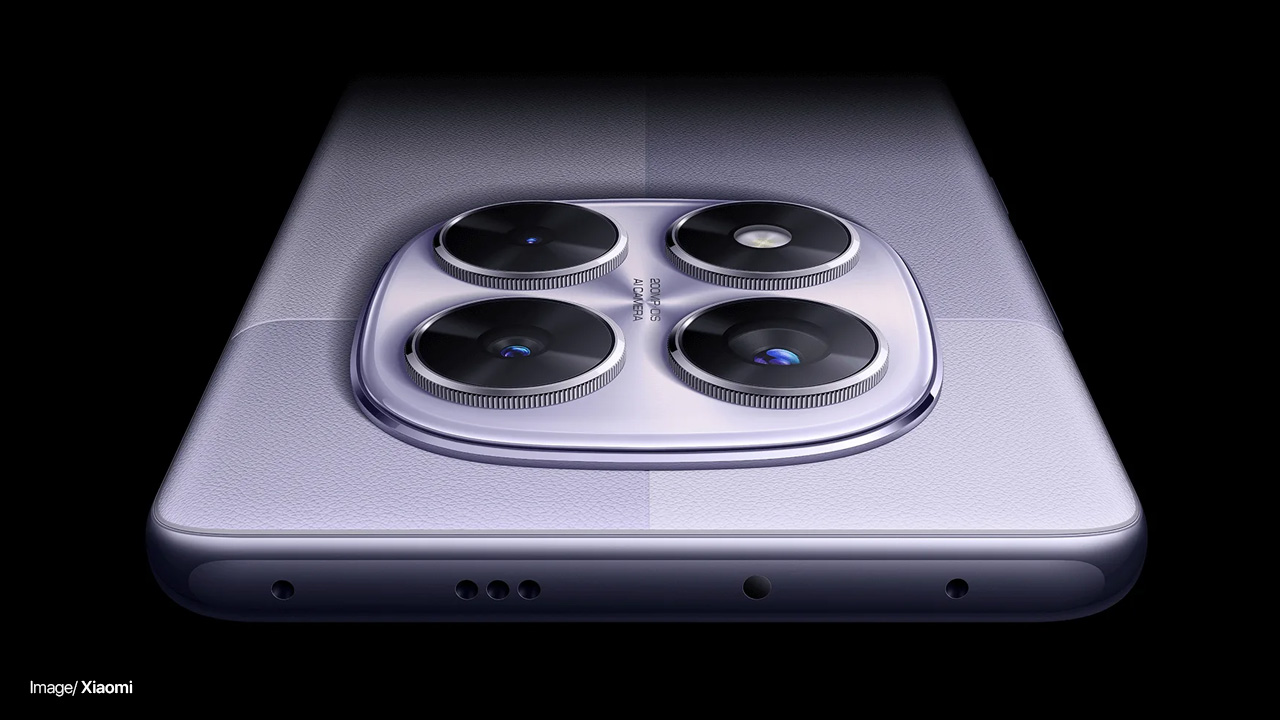
A number of midrange Android phones have 108- or even 200-megapixel main cameras, and on paper, that sounds impressive. But in real-world use, more megapixels don’t magically give you better photos.
What actually matters more is the sensor size, pixel quality, image processing, and how good the phone’s computational photography is. That’s why you’ll often see two phones with very different megapixel counts still producing photos that look surprisingly similar.
Case in point: let’s take a look at our recent comparison review where we put up the POCO M8 Pro 5G against the REDMI Note 15 Pro+ 5G.
They feature a 50- and a 200-megapixel sensor, respectively, and guess what? In terms of image quality and even video capabilities, POCO still managed to come close. And in some cases, we actually preferred shots taken on the POCO over REDMI’s.
Perhaps, an advantage here is image cropping and REDMI can actually shoot at 4x zoom, and of course, there’s pixel binning for better low-light performance.
But let’s be real. Once you upload these photos to social media, they get compressed anyway. And most people aren’t zooming in to pixel-peep, so a lot of that extra detail just gets lost.
3. RAM extension is ‘essentially’ useless
Now, another thing we’ve been seeing a lot lately is the addition of virtual RAM or in other words, memory extension… it’s essentially useless for most people.
In case you didn’t know, virtual RAM basically uses part of the phone’s storage to act like RAM, hence the name. While that can help keep apps from reloading in the background, it’s still slower than the actual RAM, so it won’t make your phone faster or whatever.
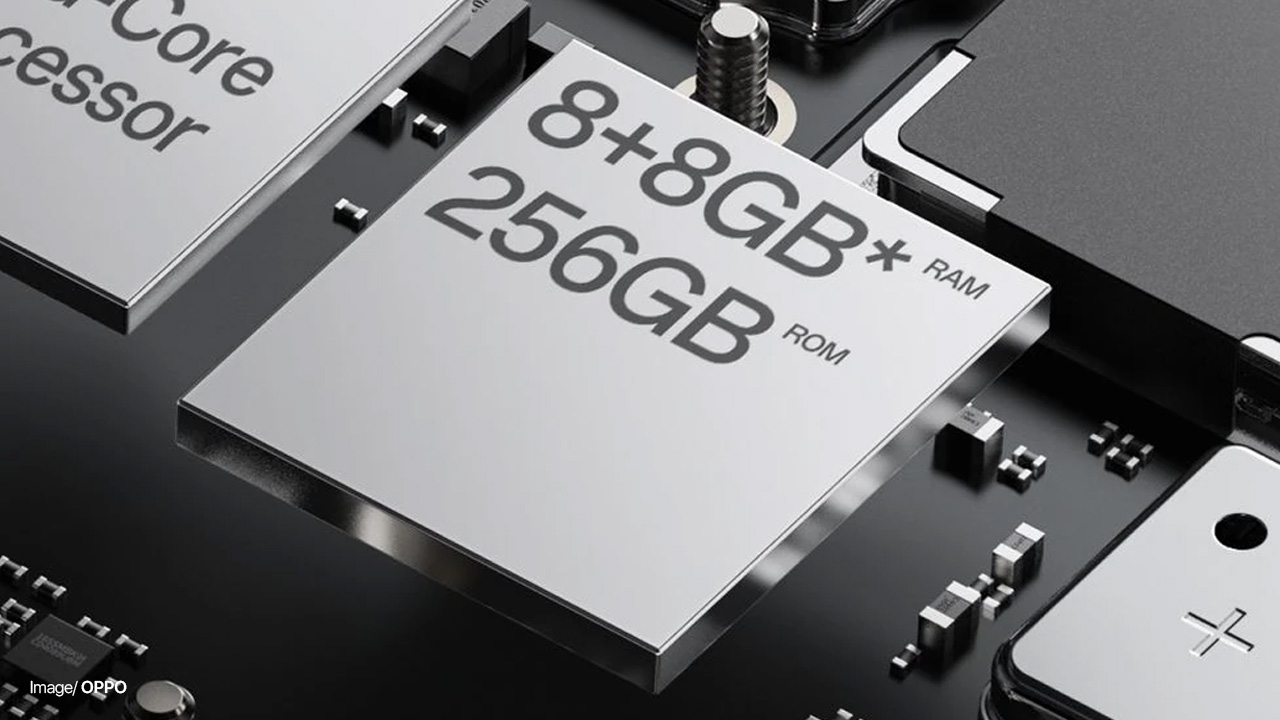
It can be somewhat useful if your phone has limited physical RAM, which makes sense for budget phones.
Then again, the improvement is usually minor. In our opinion, it’s better to just turn it off if your device has enough RAM, like 12GB or more.
So, if a brand is advertising “+8GB” or “+12GB” of RAM through virtual RAM, just know that it’s mostly a flex on paper. Real RAM will always beat virtual RAM, no contest.
4. 120Hz display does not mean 120 FPS in gaming
This one trips up some people. Just because a phone has a 120Hz display doesn’t mean every game you play will run at 120 frames per second or FPS.
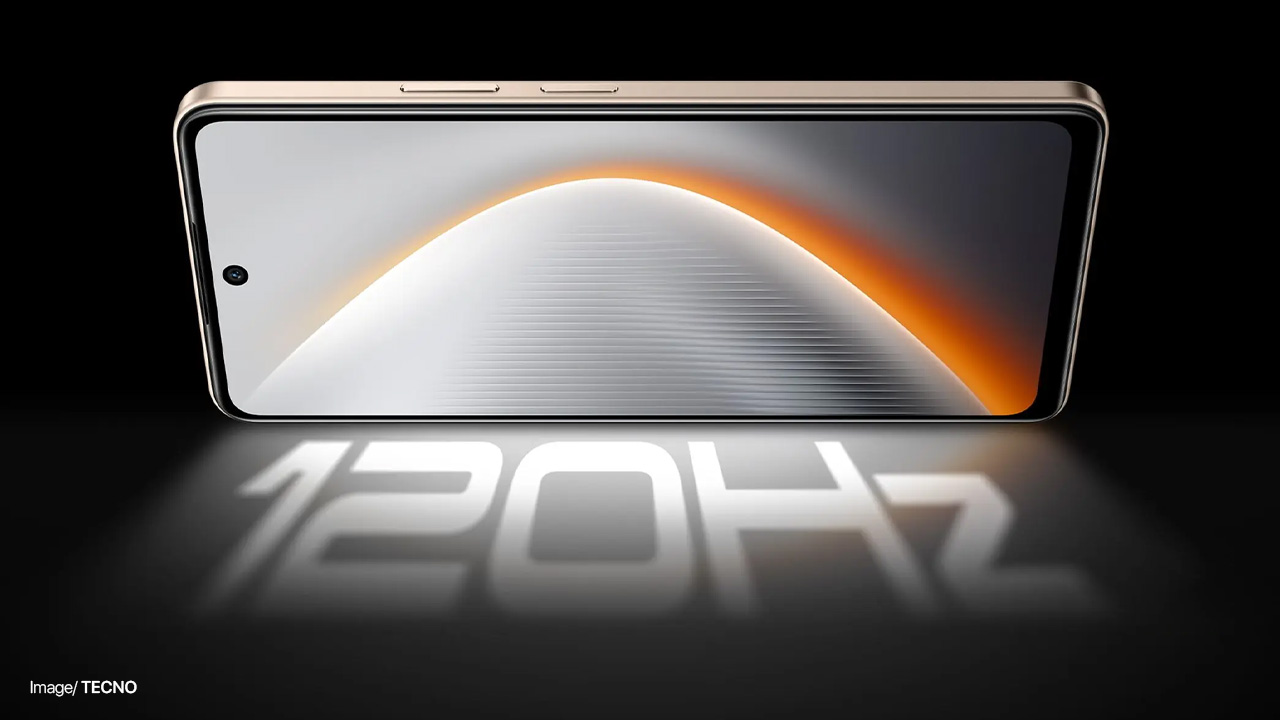
Look at it this way, the refresh rate mostly depends on the display panel itself, and the frame rate in games is always gonna be determined by the chipset.
The game itself is also a key factor. So, demanding games like Wuthering Waves or Genshin Impact may be capped to 60 FPS and games like Call of Duty Mobile and Mobile Legends run at up to 120 FPS.
Then again, it still boils down to how powerful the chipset is. If it’s a flagship phone or even an upper midrange phone, you can expect it to run games at 120 FPS or higher.
That said, a higher refresh rate does make stuff feel smoother like scrolling and UI animations, so it’s still great to have even for phones with not so powerful chipsets.
5. “Peak” brightness doesn’t really matter
Last, but not the least, let’s talk about peak brightness.
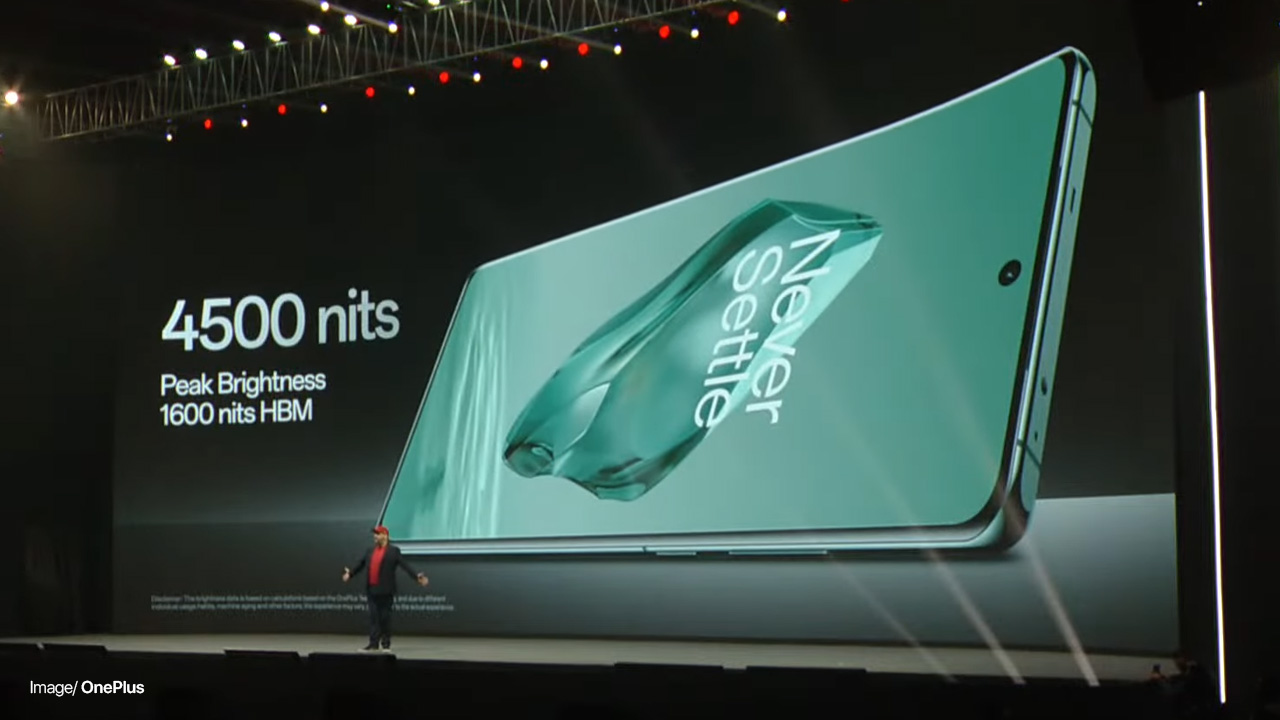
Brands do love to flaunt huge numbers in this regard. For example, we’ve seen OnePlus 13 do 4500 nits of peak brightness, but here’s the catch: that number usually only applies to HDR highlights, not everyday use.
What does that even mean? Well, say you’re watching a Netflix movie, and your device has HDR capabilities, the phone can technically achieve that insane peak brightness, but only for some parts of the screen (not the entire screen) and for a short amount of time only (short bursts like sunlight, explosions, reflections shown in the video content).
What actually matters for most of us is the “typical” brightness, the one you’ll actually see when using your phone or scrolling through apps. There’s also this “high brightness mode” or “HBM”, and other brands like to call it “Sunlight mode” which is usually turned off by default.
Once enabled, it kicks in when you’re outdoors under harsh sunlight to boost brightness temporarily.
In the case of OnePlus 13, it has a typical brightness of 800 nits and can reach up to 1600 nits in HBM.
And honestly, 800 to 1,000 nits are already more than enough. You wouldn’t want to strain your eyes by cranking the brightness all the way up for long periods anyway.
So, at the end of the day, that so-called peak brightness isn’t really a key selling point that anyone needs to consider.
Final thoughts
After all that’s been said, buying a smartphone in 2026 shouldn’t be always about chasing the biggest numbers on the spec sheet.
What truly matters is how well everything works together: the chipset, software optimization, camera processing, and the overall balance of the device.
Instead of falling for marketing buzzwords, how about focusing more on real-world performance and how a phone actually fits your lifestyle? Because in the end, the “best” smartphone isn’t the one with the boldest claims, it’s the one that simply does its job, reliably and efficiently in day-to-day use.







0 Comments
Leave a Reply