
Microsoft is closing a loophole that allowed users to bypass its Microsoft Account (MSA) and internet requirement when setting up a Windows 11 device. In its latest Windows 11 Insider Preview build, the company has removed the long-used “bypassnro” command — a backdoor that let users complete the out-of-box setup offline and without linking a Microsoft account.
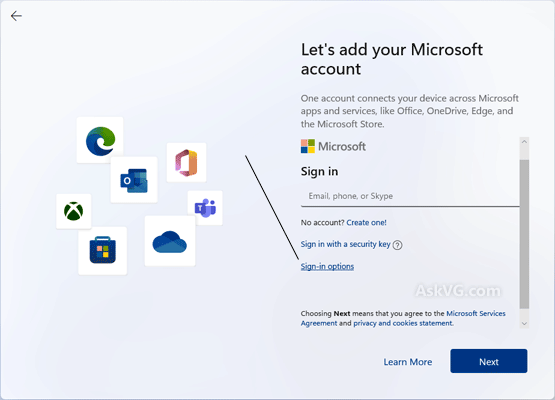
This change, first reported by Windows Central, signals that Microsoft is no longer tolerating workarounds. The company claims the removal of the bypass script is intended to “enhance security and user experience,” forcing all new installations of Windows 11 to exit setup with both internet connectivity and a Microsoft Account in place.
For those unfamiliar, the “bypassnro” command was a simple, effective trick for IT professionals, power users, and privacy-conscious individuals to avoid Microsoft’s increasingly locked-down setup process. All it took was a Shift + F10 keystroke during setup and entering a single line to proceed offline. That’s no longer possible in the latest beta build — and it’s likely to disappear from production versions of Windows 11 in the coming weeks.
For now, there are still more complex workarounds available, such as tweaking the registry manually during setup with the following command:
reg add HKLM\SOFTWARE\Microsoft\Windows\CurrentVersion\OOBE /v BypassNRO /t REG_DWORD /d 1 /f
shutdown /r /t 0
But these methods aren’t guaranteed to last, and Microsoft may patch them out soon. Another path is using unattended.xml files to preconfigure devices — a method commonly used by IT admins setting up multiple systems. However, it’s not practical for most regular users looking to avoid account requirements on a single PC.

The move comes as Microsoft increases pressure on users to fully adopt its Windows 11 ecosystem, phasing out Windows 10 support by October 2025 and limiting installation options for users who don’t meet its strict hardware and setup requirements. The company has already:
- Blocked installations on older PCs without TPM 2.0 support
- Disabled the use of older Windows product keys for fresh installs
- Pushed full-screen upgrade prompts and purchase nudges to Windows 10 users
- Enforced Microsoft Account login for both Home and Pro editions
For many users, especially privacy-focused individuals or those in rural or limited-connectivity areas, these requirements feel overly restrictive. While Microsoft continues to claim these changes improve the user experience and security, critics argue they strip away user control and create unnecessary hurdles — especially when setting up secondary or offline-use devices.
If Microsoft moves forward with removing even the registry-level workarounds, users may be left with no official way to install Windows 11 without logging in or creating a Microsoft account. Unless a policy shift happens, it’s clear the company is fully committing to its cloud-connected, account-integrated vision for Windows — whether users like it or not.





time to switch to linux