

If you’re looking at phones that sit right between upper midrange and full flagship territory, these two are probably already on your shortlist. The POCO F8 Pro and the HONOR 400 Pro offer both promising flagship-level experiences without going to that the premium pricing.

Perhaps, the difference lies in their priorities. The POCO F8 Pro is clearly built for performance, gaming, and endurance while the HONOR 400 Pro leans more toward premium design, cameras, and smart software features.
On paper, both look impressive. But how do they actually compare in real-world use? Let’s break it down in this comparison.
Design and Construction
Starting with the looks, the POCO F8 Pro takes a very practical approach to design. You get a glass front and back, paired with a metal frame, giving it a solid and reassuring feel the moment you pick it up.
The flat design helps it sit steady on tables and makes it easier to grip during long gaming sessions.

The back finish is subtle, it’s matte to be exact and it doesn’t retain smudges as much. One thing that adds to that confidence is its IP68 dust and water resistance, including protection for submersion.
The IR blaster is still here too, which is a small feature but one that’s genuinely useful once you start using it.
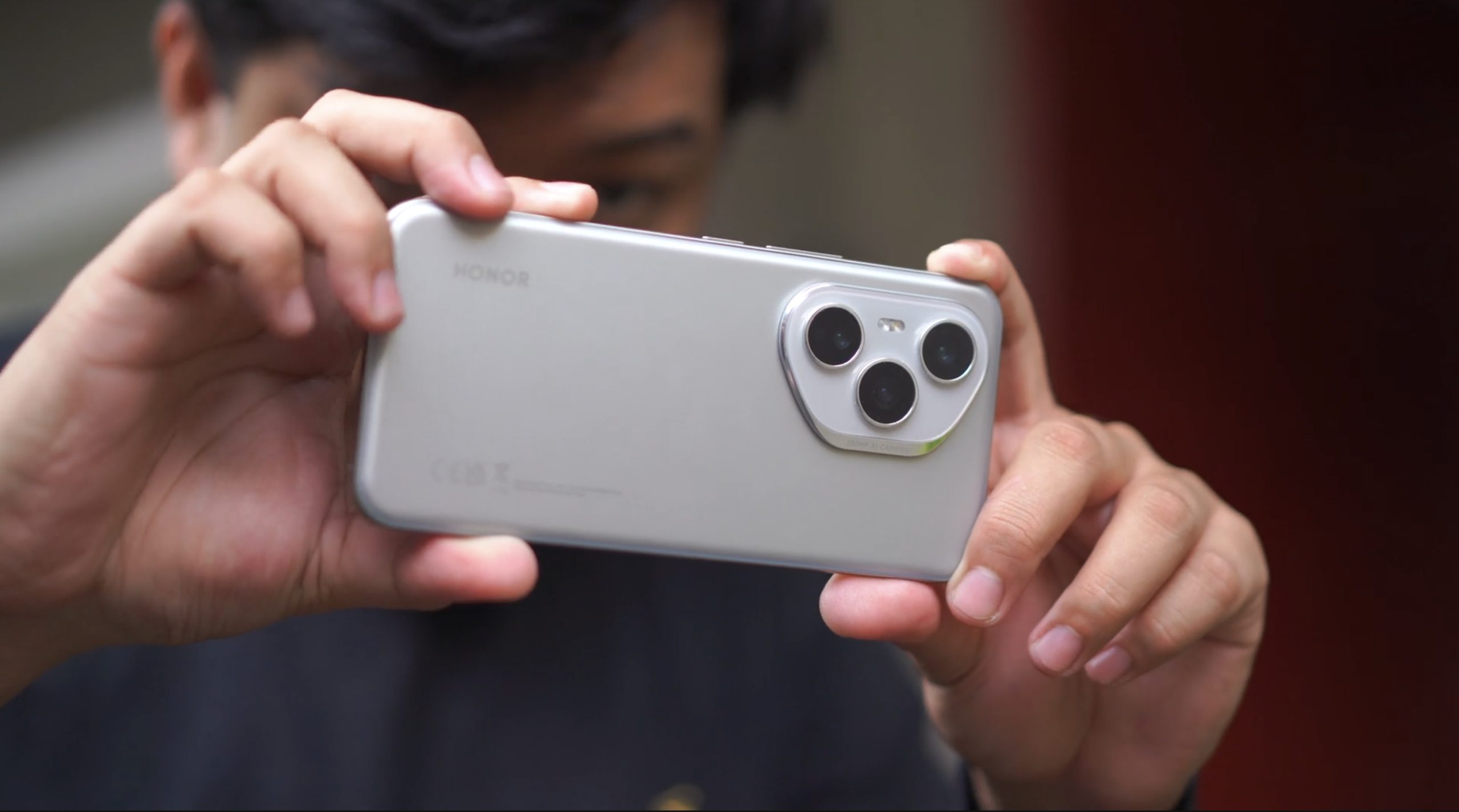
Meanwhile, the HONOR 400 Pro feels more refined from the get go. The frosted glass back also resists fingerprints and the curved edges give it a more comfortable grip.
Durability is another strong point. The HONOR 400 Pro carries IP68 and IP69 ratings, plus a 5-star SGS drop resistance.
It feels like a phone designed to survive daily wear and tear without losing that premium look. Color options are also more understated and professional, which fits the phone’s overall character.
With both phones offering strong build quality and water resistance, the POCO F8 Pro feels tough and practical, but the HONOR 400 Pro still comes through as the more premium and and better-looking device overall… at least in my opinion.
Display, Multimedia, and Biometrics
Flip to the front, the F8 Pro features a tad bit smaller 6.59-inch AMOLED display with a 120Hz refresh rate, and it’s excellent for everyday use and gaming.
Scrolling is smooth, animations feel fluid, and the touch response is especially impressive for fast-paced games. Brightness goes up to around 3500 nits, which makes outdoor visibility a non-issue even under harsh sunlight.

Color tuning leans toward vibrant but controlled, so content looks good without being overly saturated. Watching videos, browsing social media, or playing games all feel enjoyable.
Audio is another strong point for the F8 Pro. The stereo speakers tuned by Bose deliver loud, clear sound with good separation, making them great for gaming and streaming without headphones.
Biometric security is handled by an ultrasonic in-display fingerprint sensor. It’s fast and accurate, though the placement is slightly higher than what I’m used to. But once you get the hang of it, unlocking the phone becomes second nature basically.
As for the HONOR 400 Pro, it has a larger 6.7-inch quad-curved AMOLED display, also running at 120Hz. What really stands out is brightness. With peak levels reaching up to 5000 nits in HDR content, this display is easy to use outdoors.

Its thin bezels help create a more immersive viewing experience, especially when watching movies or playing games.
Colors are punchier, and while reds can look slightly oversaturated at times, most users will find the display visually pleasing. Stereo speakers here are noticeably improved compared to the base HONOR 400, and interestingly, it offers a more fuller sound and better balance.
Nonetheless, both phones offer great displays and audio, but the brighter screen, more immersive feel, plus the slightly better audio quality give the HONOR 400 Pro the edge for multimedia.
Cameras
Talking about the cameras, the POCO F8 Pro uses a triple rear setup with a 50MP main camera, an 8MP ultra-wide, and a 50MP telephoto lens.
The HONOR 400 Pro goes much further with its camera system though. It features a 200MP main shooter with OIS, a 50MP telephoto also with OIS, and a 12MP ultrawide lens.

In good lighting, photos are sharp with warm, vibrant colors and good dynamic range. The telephoto lens is a standout for zoom shots at this price, especially for casual photography.
POCO F8 Pro sample shots:
POCO F8 Pro comparo shots
Dec 21 – 22, 2025


HONOR 400 Pro sample shots:
HONOR 400 Pro comparo shots
Dec 21 – 22, 2025


The 400 Pro’s 200MP main camera captures excellent detail with strong dynamic range and more natural color output.
Low-light performance is decent, but noise becomes more noticeable, particularly on the ultra-wide and telephoto lenses.

The 50MP telephoto with OIS performs better in low light and delivers more consistent zoom results. Night mode is reliable, and the 50MP front camera produces sharp, flattering selfies.
Video recording goes up to 8K at 30 fps for the POCO while HONOR is capped at 4K at 60 fps. Both produce nice, stabilized shots that already look good for socials. However, the 400 Pro relatively offers better output and cleaner audio for the most part.
POCO F8 Pro sample video:
HONOR 400 Pro sample video:
If cameras matter to you, the HONOR 400 Pro does offer a more capable and versatile setup.
Performance
Performance-wise, this is where the POCO F8 Pro really separates itself from the competition. Powered by the Snapdragon 8 Elite and paired with up to 12GB of LPDDR5x RAM, this phone is built for hardcore gaming.
Benchmarks tell us a very clear story. POCO scored 2.6 million points on AnTuTu version 10, maxed out 3DMark Wild Life, and reached over 6,000 points in Wild Life Extreme averaging 38 frames per second.

Geekbench 6 scores hit over 1,400 single-core and 6,700 multi-core, with very strong GPU numbers as well.
In real-world use, that power is even more obvious. Apps open instantly, multitasking is a breeze, and demanding games like Wuthering Waves, PUBG, and Pokémon Unite run smoothly.

At max settings, Wuthering Waves does get the phone heating up drastically faster, but performance remains stable and there’s no heavy throttling to be seen here.
On the other hand, the HONOR 400 Pro uses the Snapdragon 8 Gen 3, which is, to be fair, it is a still a very capable flagship chip.
It scored over 1.8 million points on AnTuTu, maxed out standard 3DMark Wild Life, and reached over 4000 points in Wild Life Extreme pumping up 27 frames per second on average.
Geekbench 6 results came in at 1,303 single-core and a little over 4,500 multi-core.
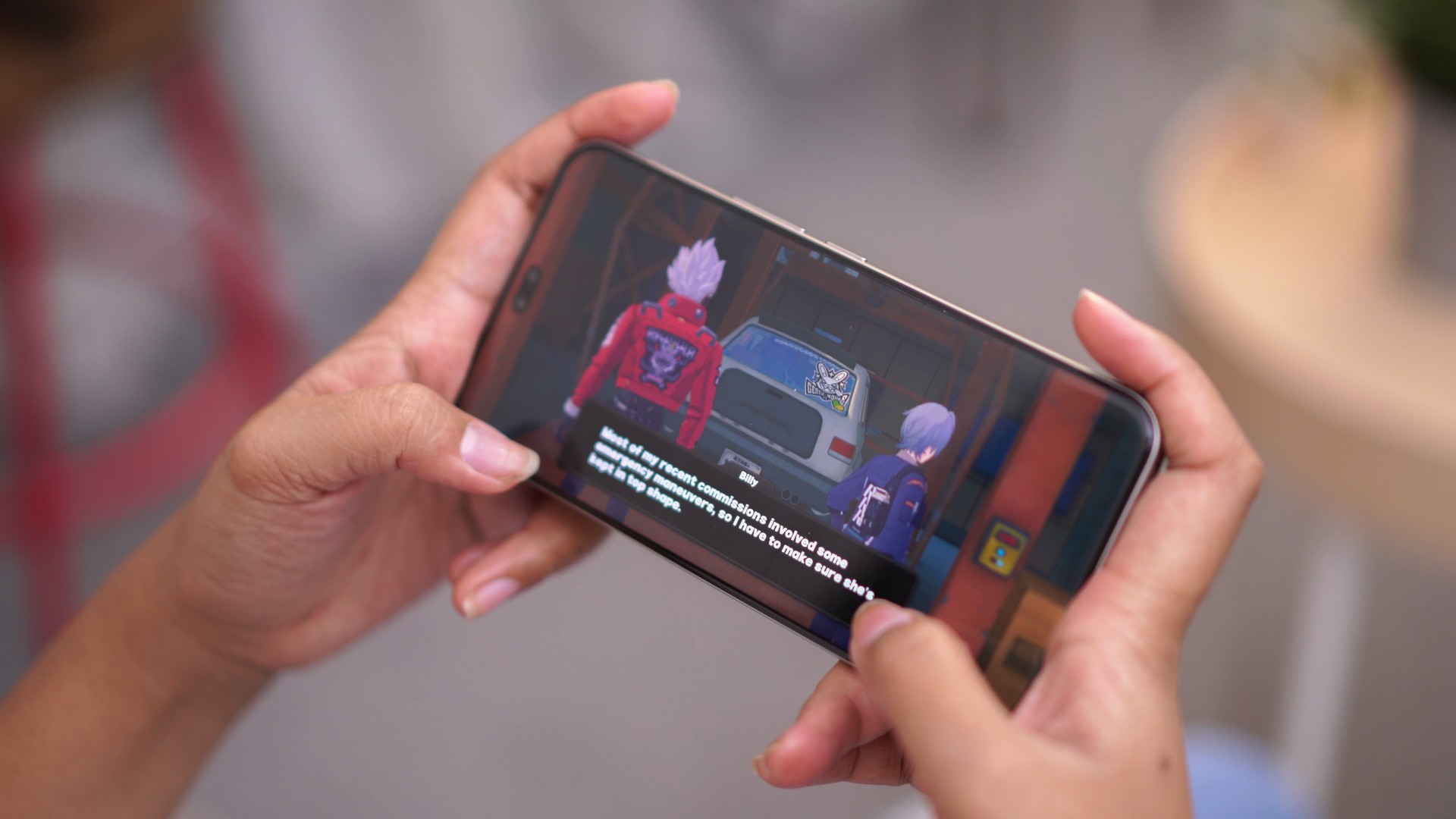
In daily use, it still feels fast and reliable. Games like Genshin Impact and Wuthering Waves run well at high settings, and thermals stay comfortable even during longer sessions.
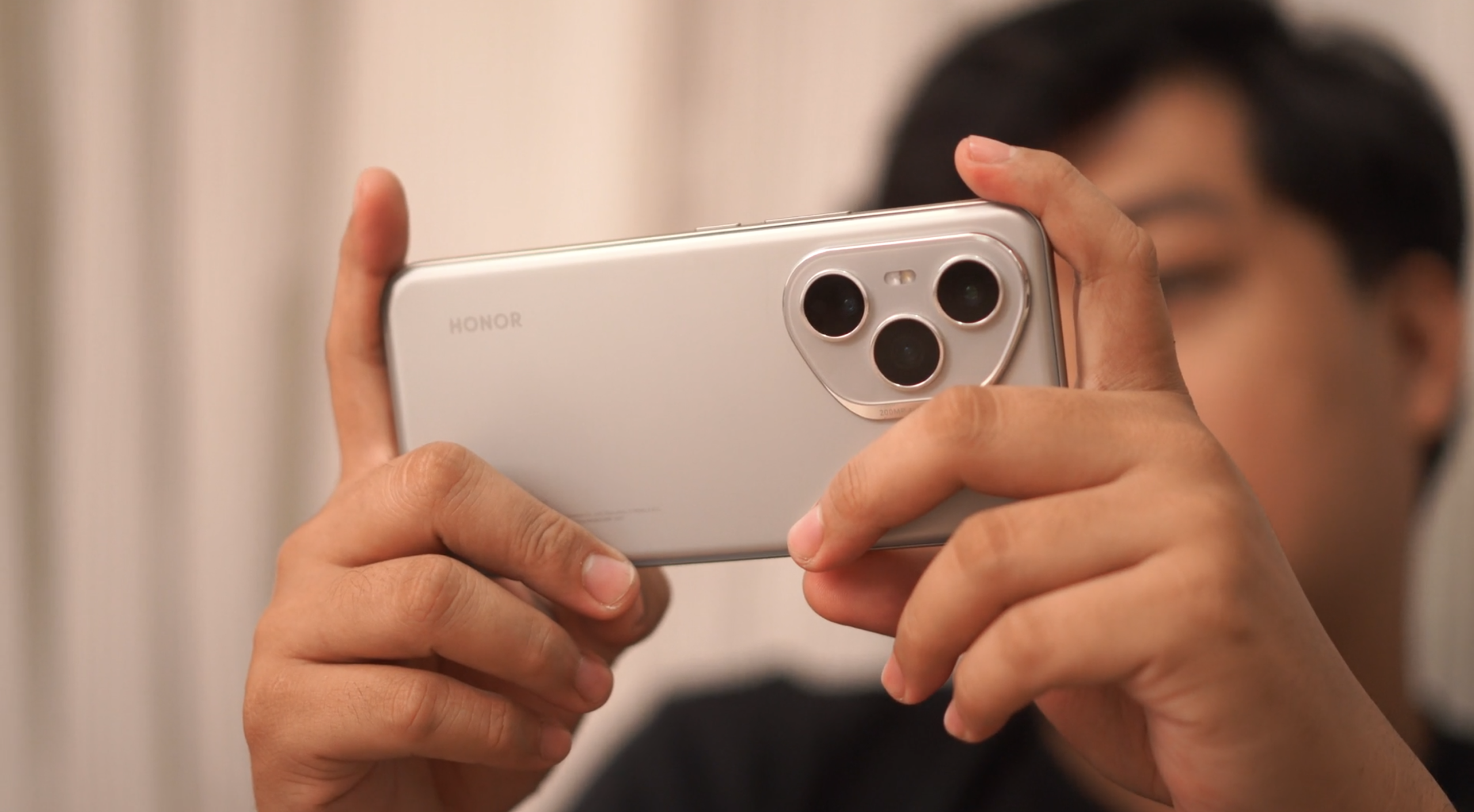
Still, when you compare them side by side, the POCO F8 Pro simply pushes harder and sustains higher performance.
For users who care about raw power, benchmarks, and gaming longevity, the POCO F8 Pro clearly leads in this category.
| Benchmark | HONOR 400 Pro | POCO F8 Pro |
|---|---|---|
| Chipset | Snapdragon 8 Gen 3 | Snapdragon 8 Elite |
| AnTuTu V10 | 1,834,815 | 2,661,660 |
| Geekbench 6 CPU Single-Core | 1,303 | 1442 |
| Geekbench 6 CPU Multi-Core | 4,567 | 6700 |
| Geekbench 6 GPU OpenCL | 12,763 | 18,015 |
| Geekbench 6 GPU Vulkan | 14,090 | 23,782 |
| PCMark Work 3.0 Performance | 16,153 | 21,768 |
| PCMark Work 3.0 battery life | 17 hrs & 45 mins | 17 hrs & 50 mins |
| 3DMark Wild Life | MAXED OUT! | MAXED OUT! |
| 3DMark Wild Life Extreme | 4,634 | 6,401 |
OS, UI, and Apps
Now, onto the software-side.

The POCO F8 Pro runs Android 16 with HyperOS 3. The experience is smooth, fast, and familiar if you’ve used Xiaomi or POCO devices before.
Animations are fluid, multitasking tools like split screen and floating windows work well, and Game Turbo helps fine-tune performance during gaming sessions.
There are substantial bloatware and sadly, ads are still here. Despite the fact, customization options are easy to access. Everything feels designed to stay out of your way and let the hardware do its thing.

As for the HONOR 400 Pro, it runs MagicOS 9 on top of Android 15. It’s apparently much more feature-heavy and leans strongly into AI.
You get tools like Magic Portal, live translation, AI writing assistance, and deepfake detection– which feels more refined than what Xiaomi offers.
Even better, HONOR offers a solid update pledge of up to six years for both major OS upgrades and security patches.
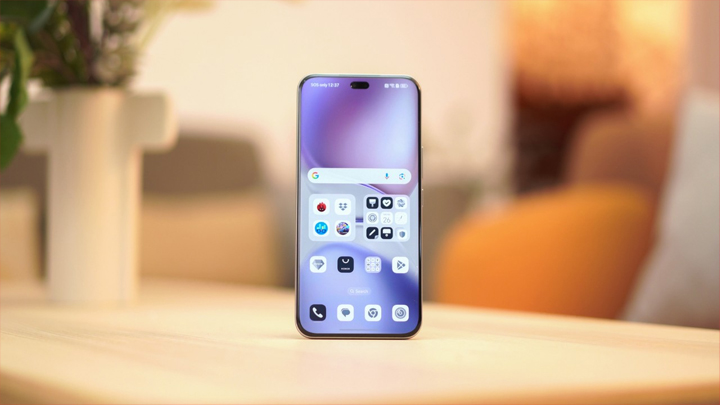
The POCO is left with four years of OS upgrades and up to six years of security patches, which is still a pretty decent update policy.
That said, we’re giving the point this round to the HONOR 400 Pro.
Connectivity and Battery Life
For battery, the POCO F8 Pro packs a slightly larger 6,210mAh unit.
During heavy use, it easily lasted us a full day and in our PCMark battery life test, it was able to get 17 hours and 50 minutes of uptime.

Charging is fast at 100W wired, and reverse wired charging is supported, though wireless charging is not supported here.
Meanwhile, the HONOR 400 Pro comes with a 6,000mAh battery and performs about the same with POCO’s. Our PCMark battery life test garnered a result of 17 hours and 45 minutes.
Charging also matches POCO at 100W wired, but HONOR adds 50W wireless charging and, take note, it even with charger in the box so that’s something to give our kudos.
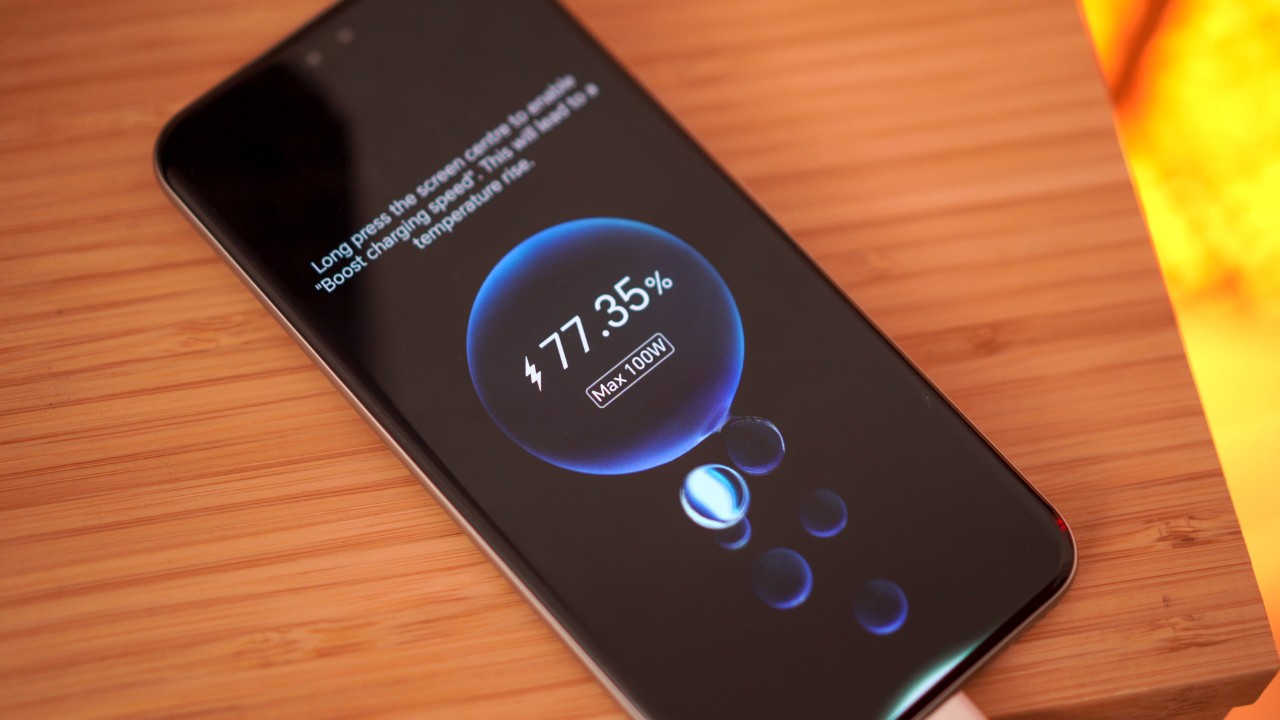
Battery life is excellent on both phones but the added convenience of wireless charging gives HONOR a slight advantage here.
Verdict
Wrapping this up, the POCO F8 Pro is indeed built for performance. With the Snapdragon 8 Elite, it handles heavy games, multitasking, and demanding apps with ease.
Starting at just PHP 29,999, it’s one heck of a flagship killer that not only provides top-tier processing power, but also capable cameras, solid battery life, and more than enough multimedia experience.

As for the HONOR 400 Pro, it definitely leans more toward balance and refinement. Its camera system is quite impressive, it almost felt like a flagship at that.
Wireless charging, AI-powered features, and long-term software support also add to its overall advantages over the competition.
With a price tag of PHP 32,999, it may not match the POCO in terms of raw performance, but for everyday use, especially in photography, it delivers exceptionally well.
If you’re a gamer or a power user, the POCO F8 Pro makes more sense. But, if you care more about camera performance, then the HONOR 400 Pro is a no-brainer.

| HONOR 400 Pro | POCO F8 Pro |
|---|---|
| 6.7-inch FHD+ quad curved AMOLED | 6.59-inch FHD+ AMOLED |
| 2800 x 1280 pixels, 120Hz refresh rate, 460 ppi | 2510 x 1156 pixels, 120Hz refresh rate |
| 5000 nits HDR peak brightness | 3500 nits (peak) brightness |
| - | Corning Gorilla Glass 7i |
| Snapdragon 8 Gen 3 | Qualcomm Snapdragon 8 Elite |
| 12GB RAM | 12GB LPDDR5X RAM |
| 256GB, 512GB storage | 256GB, 512GB UFS 4.1 storage |
| Triple rear cameras: | Triple rear cameras: |
| - 200MP f/1.9 main, OIS | - 50MP f/1.88 main, OIS |
| - 50MP f/2.4 telephoto, OIS | - 50MP f/2.2 telephoto |
| - 12MP f/2.2 ultrawide | - 8MP f/2.2 ultrawide |
| 50MP f/2.0 + 2MP depth front sensors (pill-shaped notch) | 20MP selfie shooter (punch hole notch) |
| Dual nano-SIM, supports eSIM | Dual nano-SIM (supports eSIM) |
| 5G, 4G LTE | 5G, 4G LTE |
| Wi-Fi 7 | Wi-Fi 7 |
| Bluetooth 5.4 | Bluetooth 5.4 |
| GPS, A-GPS, GLONASS, BeiDou, Galileo, QZSS | GPS |
| USB Type-C | USB Type-C |
| NFC | NFC |
| Under-display fingerprint sensor (optical), 2D face unlock | Under-display fingerprint sensor (ultrasonic), face unlock |
| IP68/ IP69 dust and water (submersion) resistance | IP68 dust and water (submersion) resistance |
| Dual stereo speakers, IR blaster | Dual stereo speakers (sound by Bose), Dolby Atmos |
| MagicOS 9.0 (Android 15) | HyperOS 3, Android 16 |
| 6 years major OS upgrades and security patches | - |
| 6000mAh Si/C battery | 6210mAh battery |
| 100W charging (wired) | 100W charging (wired) |
| 50W wireless | 22.5W reverse wired charging |
| 160.8 x 76.1 x 8.1 mm | 157.49 x 75.25 x 8.0 mm |
| ~205g | 199g |
| Lunar Grey, Tidal Blue, Midnight Black (colorways) | Titanium Silver, Blue, Black (colorways) |




0 Comments
Leave a Reply