
The HONOR 400 Pro is finally here in the Philippines, and for a premium mid-range device, this one’s looking like a flagship phone already.
For starters, it now has a flagship chipset underneath, the Snapdragon 8 Gen 3, and a bunch of other features typically seen from the high-end models.
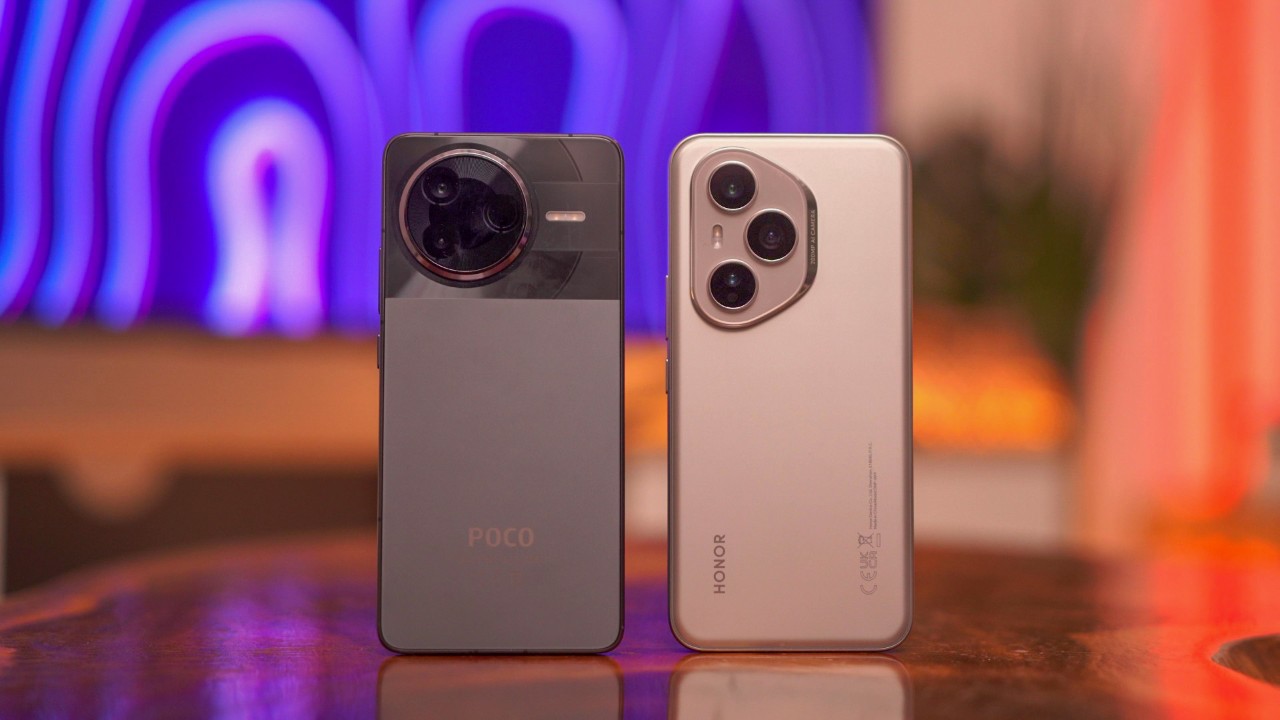
Another Snapdragon 8 Gen 3-powered device that falls in the premium mid-range segment is the POCO F7 Pro. And even though they share the same powerful chip, there are many differences to talk about.
That said, which one is THE better pick under the Php30,000 mark? Let’s dive into the details and find out in this comparison review.
Design and Construction
Starting with design, they both sure have their own sleek, distinctive styles.
Our HONOR 400 Pro wears a Grey color and it goes for a more minimalist vibe with a matte back. You’ll see the trapezoidal camera island at the upper-left corner housing three cameras, and it has a curved chassis where the back panel curves on the edges, and the metal frame itself is curved all around. This provides a slightly more comfortable grip for sure.

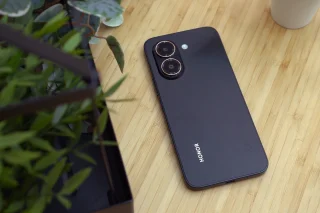
Meanwhile, on the POCO F7 Pro, there are a bit more design cues happening at the rear. We have the Black variant, sporting a two-tone finish with the upper half being in glossy while the bottom part is matte to the touch.
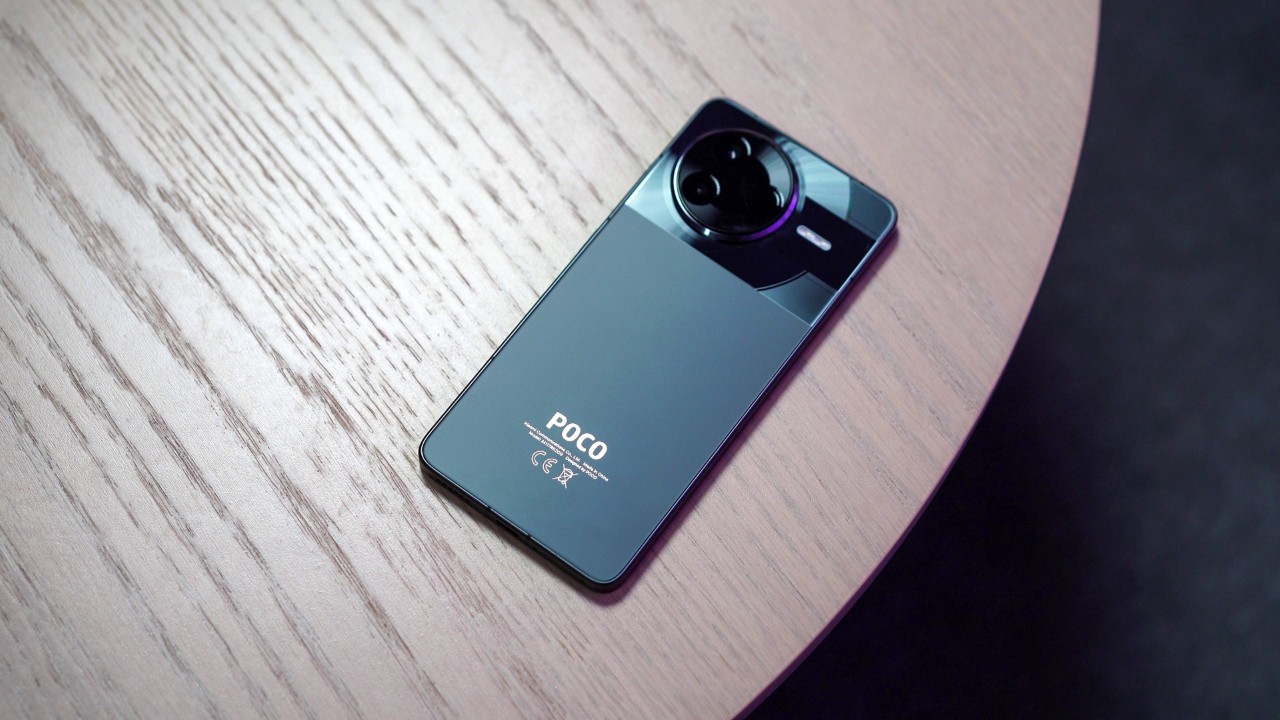
Taking a closer look, you’ll notice some design patterns splashed around the camera island. This module is a circular slab housing just two cameras, despite giving the impression that it has three.
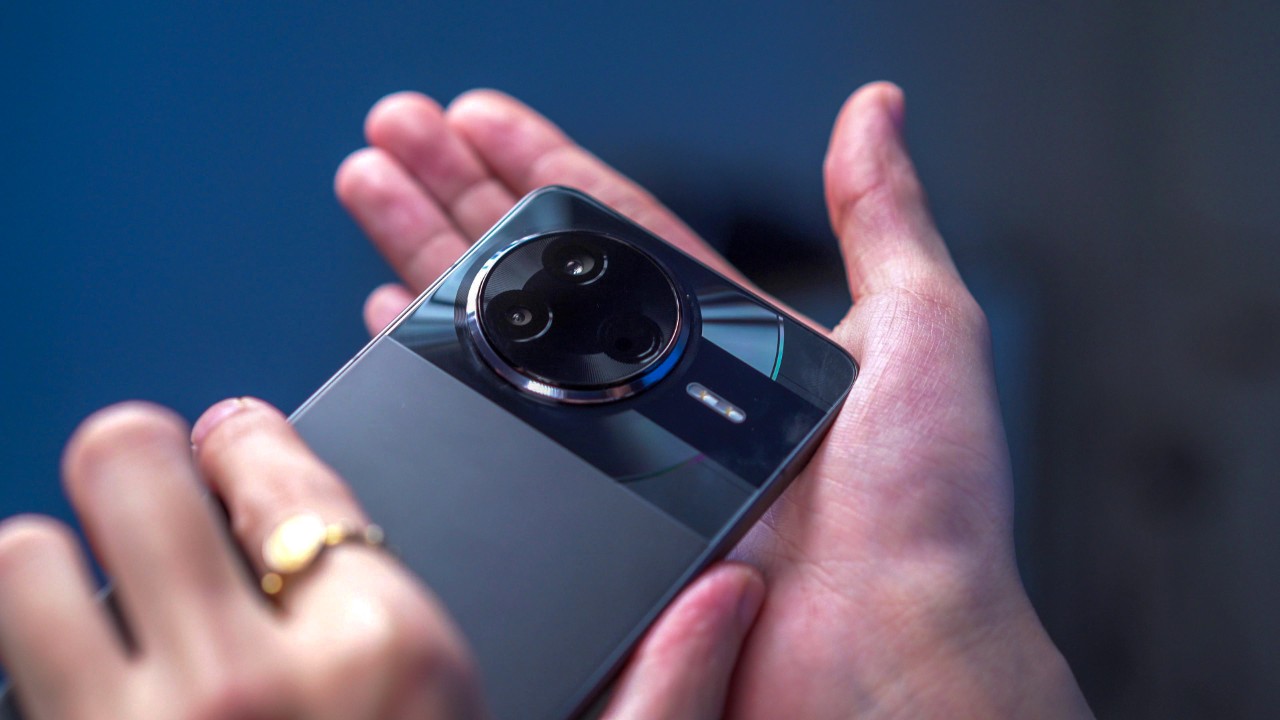
The F7 Pro has a flat-edge aesthetic—also accompanied by a flat metal frame—which, I know, that some of you may prefer rather than a curved one. Notably, both phones have similar sizes, measuring just about 8.1 mm, and both are lightweight as well, weighing more or less 206 grams.
For added protection, the HONOR 400 Pro has both an IP68 and IP69 ratings for dust and water resistance. This means it could withstand not just water submersion but also exposure to high temperature water jets. The F7 Pro still has a solid IP68 rating though.

So, design-wise, I’m leaning towards more to the HONOR 400 Pro’s aesthetic as it looks sleeker, looks more polished, and offers better ergonomics at least in my opinion. The POCO F7 Pro does give a higher sense of premium because of that flat-edge design, however its overall aesthetic doesn’t speak to me that much.
At the end of the day, design is subjective and with each model having no significant advantage over the other, then it’s just fair to give both of ‘em a point this round.
Display, Multimedia, and Biometrics
Moving over to display, we see quite a difference here.
The HONOR 400 Pro comes with a quad curved screen using a 6.7-inch Full HD+ AMOLED panel. It runs at a smooth 120Hz refresh rate and has an HDR peak brightness of 5000 nits.

As for the POCO F7 Pro, it features a tad bit smaller 6.67-inch AMOLED screen but has a higher resolution of Wide Quad HD+. So, the visuals are a lot sharper on this one. It also runs at 120Hz and offers 3200 nits of peak brightness.
Another key difference to see here is the notch. While the POCO F7 Pro comes with the usual punch hole notch, the HONOR 400 Pro comes with a pill-shaped notch and it’s not just for aesthetic as it actually houses two camera sensors.
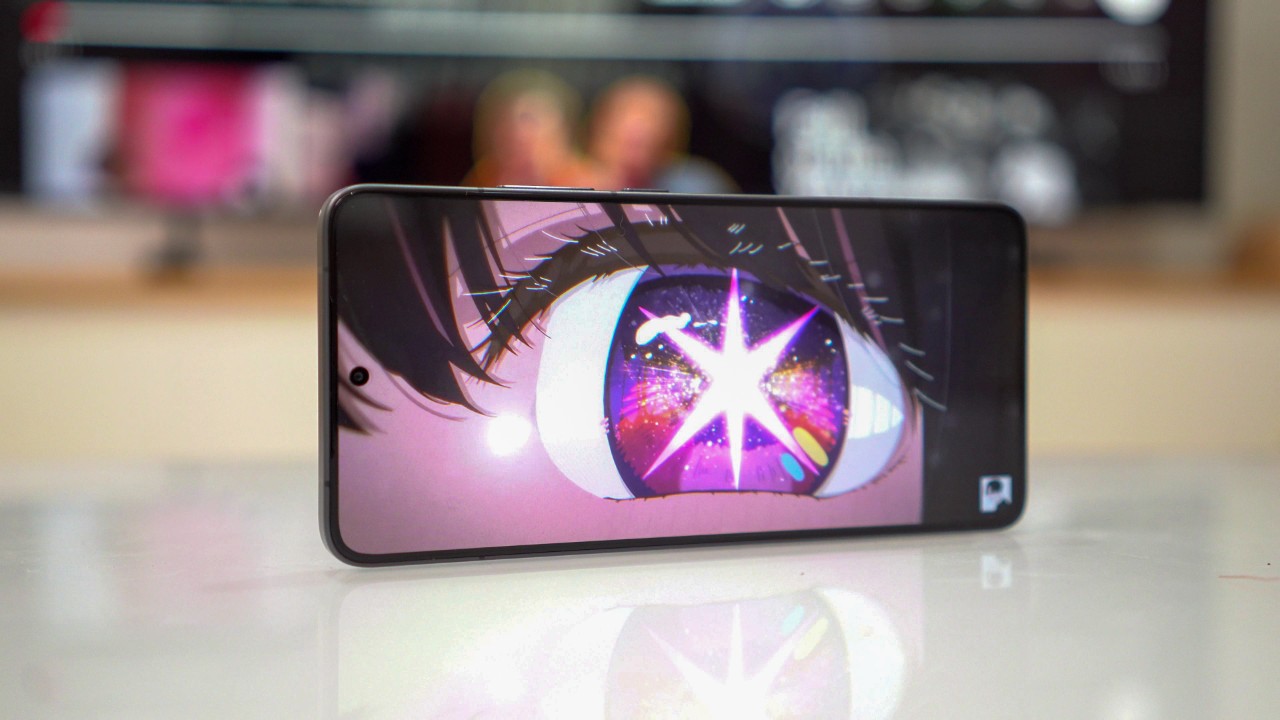
Talking about the visuals, both phones deliver a satisfying experience. The colors are nice and vivid with sharp details—especially for the F7 Pro—and you get true, deeper blacks.
The bezels are relatively thin and the HONOR 400 Pro even gives the illusion that it has a much thinner bezel thanks to its curved display. Although, they’re not quite uniform because the chin is a bit thicker for both models.

When it comes to audio, they both feature dual stereo speakers offering a nice sound stage. There’s an optimal balance between the highs and mids, and the lows pack a decent punch. They are not quite on par with the flagships, but the audio experience should be more than good enough for your entertainment needs.

Interestingly, in terms of biometrics security, only the F7 Pro offers an ultrasonic under-display fingerprint sensor which makes the unlocking experience slightly faster at least on paper. The HONOR 400 Pro is left with an optical fingerprint sensor.
For the actual experience though, both phones can swiftly recognize my thumb without much delay.
Again, subjectivity comes into play whether you’d like a curved or a flat screen, it’s up to you. Personally, I still prefer it flat so I’m on the POCO’s side on this one. On top of that, is its sharper screen resolution, and the use of more advanced ultrasonic fingerprint sensor.
Thus, I’m giving the point to the F7 Pro this round.
Performance and Benchmarks
Powering both phones is the last year’s flagship chip, the Snapdragon 8 Gen 3. That said, we can expect both phones to perform on the same level as the high-end flagship phones out there at least in terms of processing power.
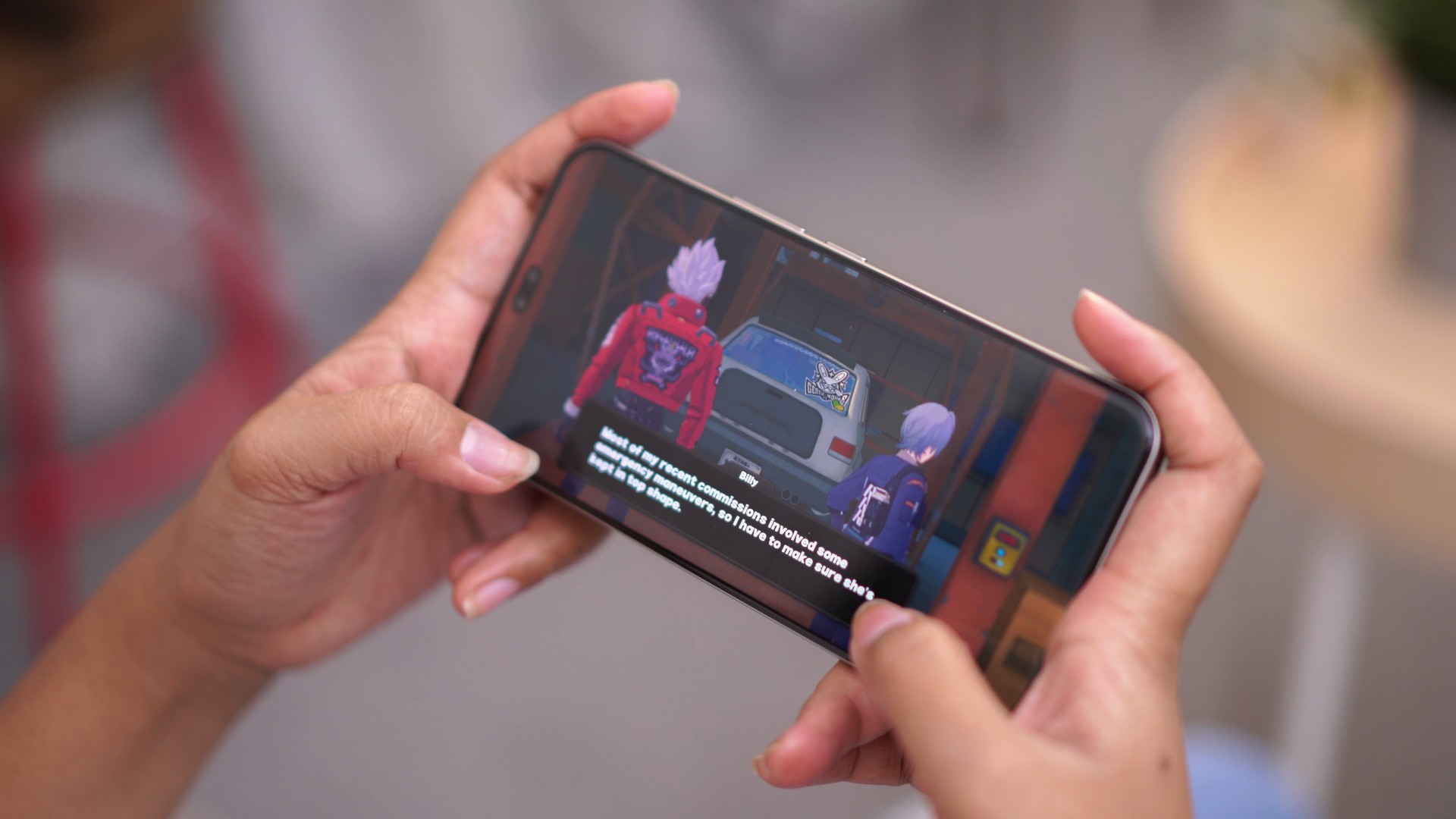
Taking a look at our benchmark results, we can see that the gaps in numbers aren’t that far as both phones were able to get impressive scores.
| Benchmark | HONOR 400 Pro | POCO F7 Pro |
|---|---|---|
| Chipset | Snapdragon 8 Gen 3 | Snapdragon 8 Gen 3 |
| AnTuTu V10 | 1,834,815 | 1,882,402 |
| Geekbench 6 CPU Single-Core | 1,303 | 2,176 |
| Geekbench 6 CPU Multi-Core | 4,567 | 6,534 |
| Geekbench 6 GPU OpenCL | 12,763 | 14,727 |
| Geekbench 6 GPU Vulkan | 14,090 | 16,375 |
| PCMark Work 3.0 performance | 16,153 | 16,191 |
Setting the numbers aside, using both phones feels as equally smooth. There’s no hassle in navigation, all apps run well with super fast app loading times, and you can play pretty much any games with these two.
Casual MOBA games ran flawlessly, and graphically demanding titles ran really well for both devices.
So, performance-wise, there’s not much to compare about since the two phones feature the same chipset. So, I’m giving this round a tie.
Cameras
In the camera department, this is where the HONOR 400 Pro really pops off.
It boasts a triple camera setup consisting of a 200-megapixel main shooter with OIS, a 50-megapixel telephoto, also with OIS, and a 12-megapixel ultrawide. For selfies, it gets a 50-megapixel front camera along with a 2-megapixel bokeh sensor—which explains the pill-shaped notch.

In contrast, the POCO F7 Pro features a dual camera setup led by a 50-megapixel main shooter with OIS, and an 8-megapixel ultrawide lens. Up front, it has a 20-megapixel selfie shooter.

On paper alone, the HONOR 400 Pro definitely sounds to have the advantage, especially with the amount of flexibility it offers.
While we say that higher megapixel count doesn’t translate to better image quality, the HONOR 400 Pro just takes much better pictures across the board. This means sharper detail, a more accurate color reproduction, and good dynamic range.
HONOR 400 Pro vs. POCO F7 Pro sample shots
Tuesday, Jul 29, 2025


The POCO F7 Pro does not skimp on quality either, especially with its main camera. But when it comes to ultrawide and zoom shots, the image quality starts to degrade mainly because it’s missing a telephoto lens. We’re also getting better selfies out of the HONOR 400 Pro in most cases.
As for videos, both phones do quite well. The detail and the colors are on point with ample amount of dynamic range and stabilization. However, as you’d expect, the detail is far better when shooting at longer zoom ranges from the HONOR 400 Pro.
On the subject of camera performance, the HONOR 400 Pro is the clear winner here, offering a more flexible camera setup and overall better imaging capabilities.
For more sample shots, head over to our separate full reviews below:
Battery Life
Battery-wise, both phones pack a 6000mAh unit, and based on our actual experience, these two can last pretty long throughout the day on typical use.
In our PCMark battery life test, the HONOR 400 Pro lasted longer, clocked at 17 hours and 45 minutes of runtime. The POCO F7 Pro is not that far behind at 15 hours and 59 minutes.

This great battery life is complemented with blazing fast charging technologies. The POCO F7 Pro gets a 90W charging, while the HONOR 400 Pro provides a tad bit faster 100W charging speed, which are pretty d*mn fast, if you ask me.
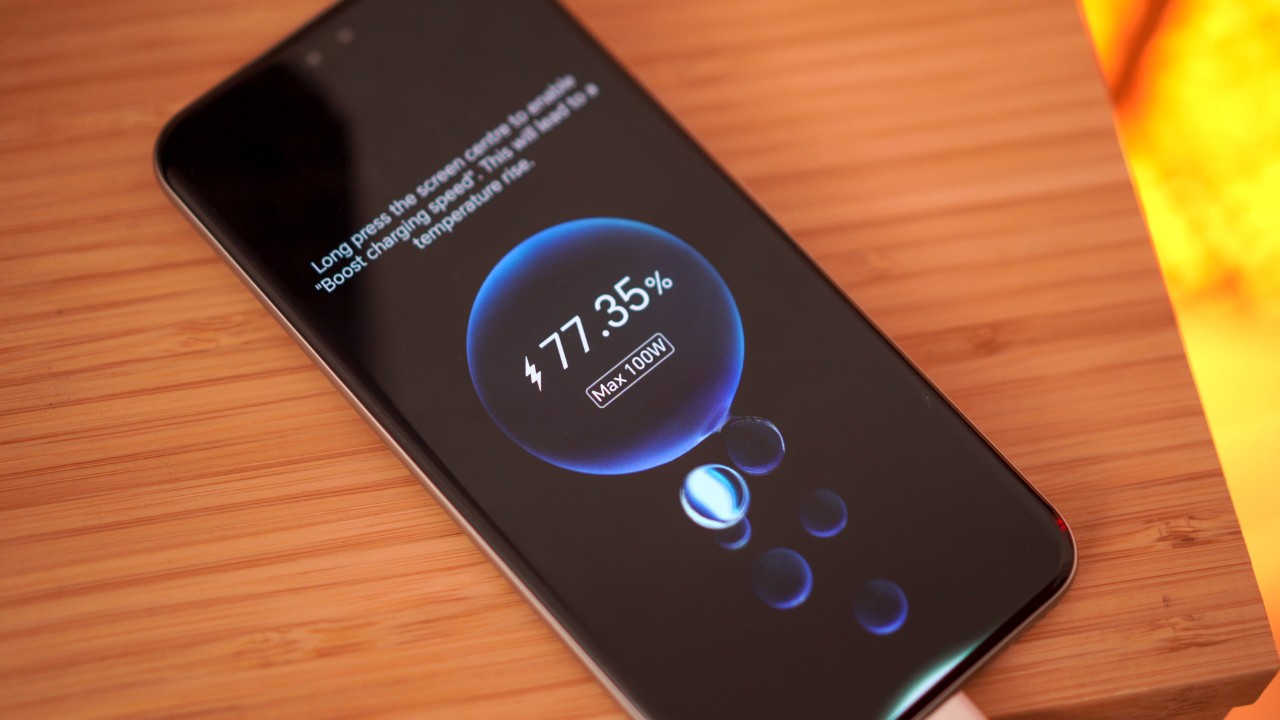
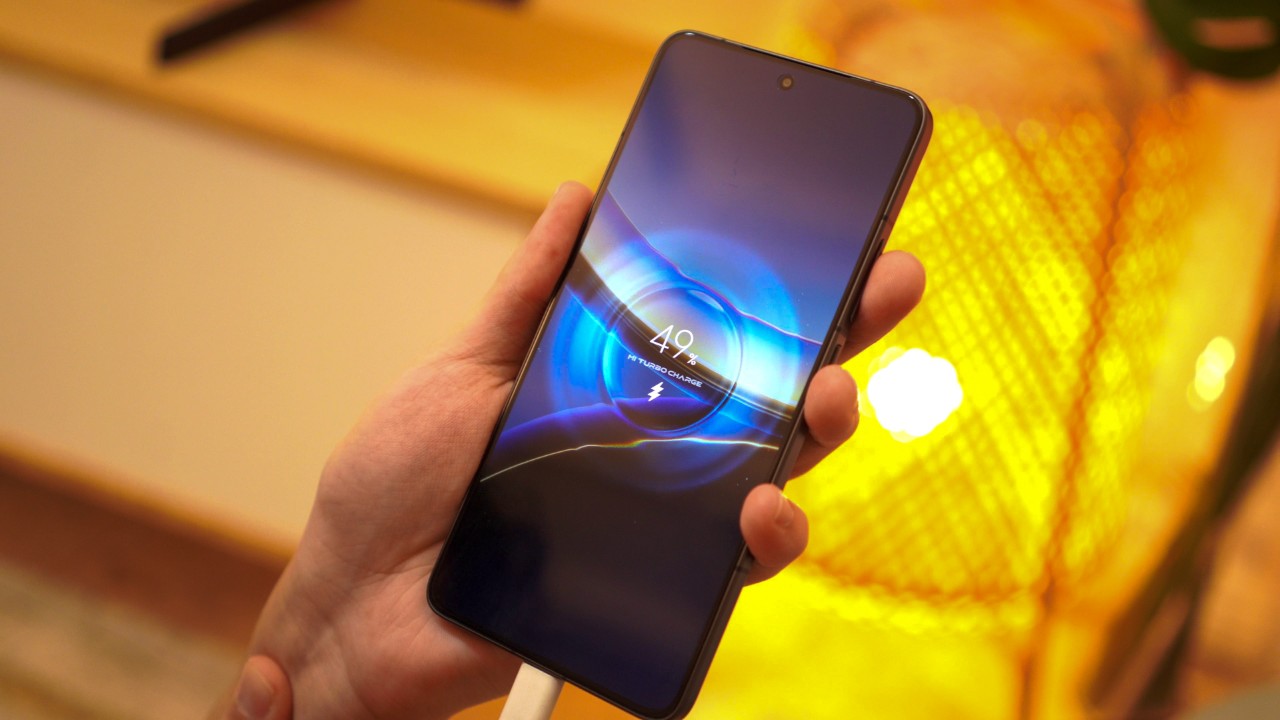
However, only the latter has wireless charging support, and that’s a HUGE advantage already. It’s also fast, rated at 50W, and it even supports reverse wireless charging. With that, you can make use of the phone’s large battery to charge your other devices wirelessly or wired if you have the right cables. Sadly, no bypass charging for both models. So, there’s that.
In the battery and charging segment, I’m giving the point to the HONOR 400 Pro mainly because it supports wireless charging that is also fast.
Connectivity and Other Features
On the software side, both phones run Android 15 out of the box albeit with different Android skins. The HONOR 400 Pro gets MagicOS 9 and the POCO F7 Pro gets Xiaomi HyperOS 2.
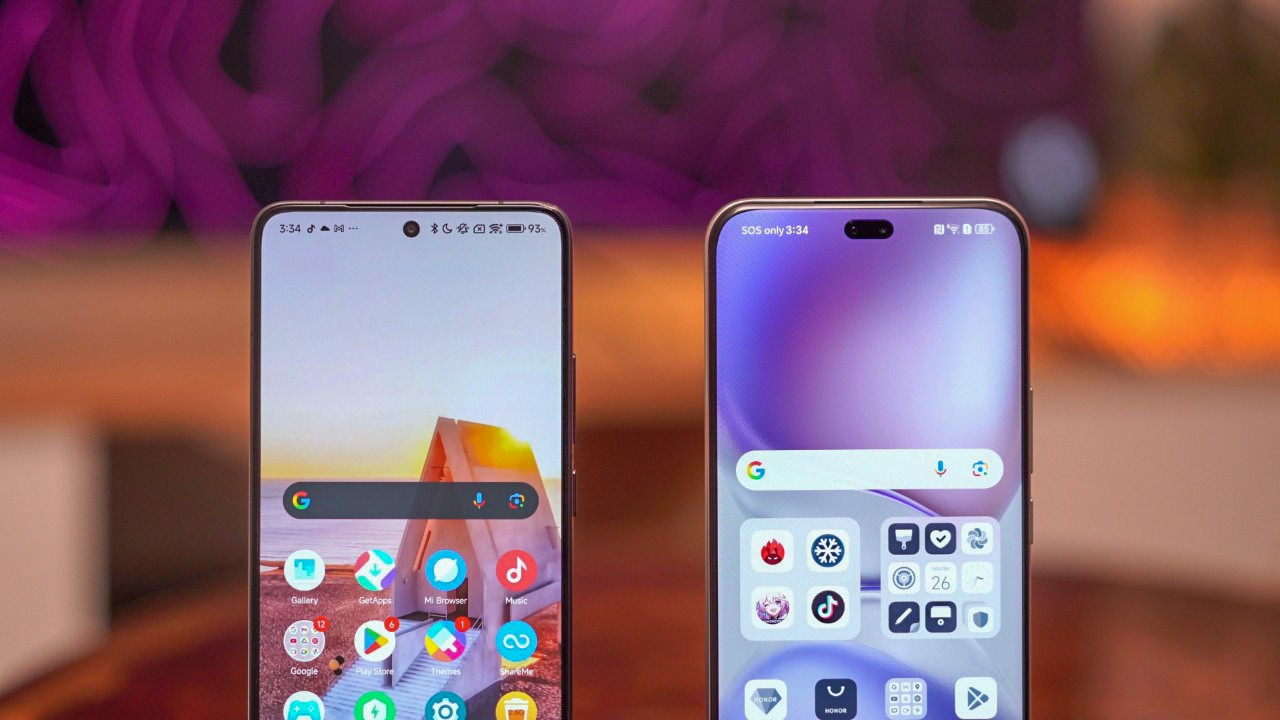
Both software have come a long way and are now pretty much solid in terms of features, UI design, and even user experience. I really liked all the aesthetic blur effects on the system-level, the animations are slick and snappy, and the UI design looks good.
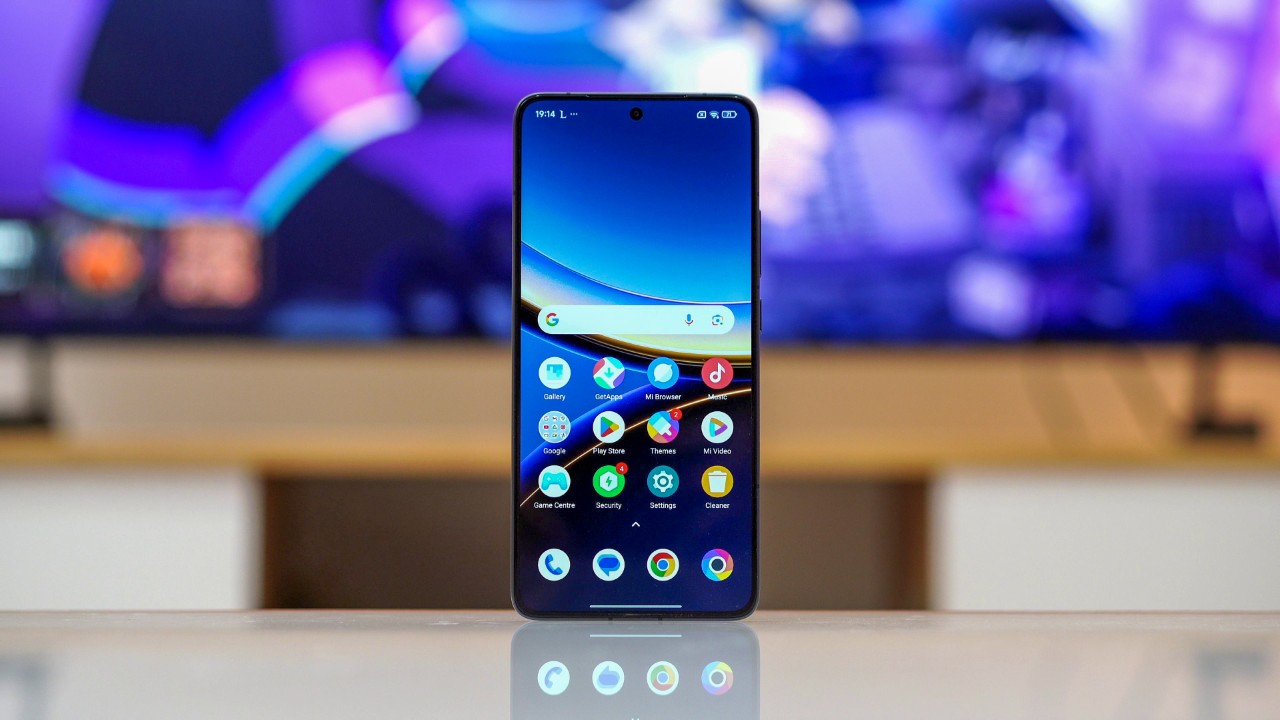
But perhaps the major advantage of the HONOR 400 Pro is its longevity. HONOR promises up to six years of software support including both major OS upgrades and security patches. That’s almost close to Google’s or Samsung’s promise of up to seven years of support duration.
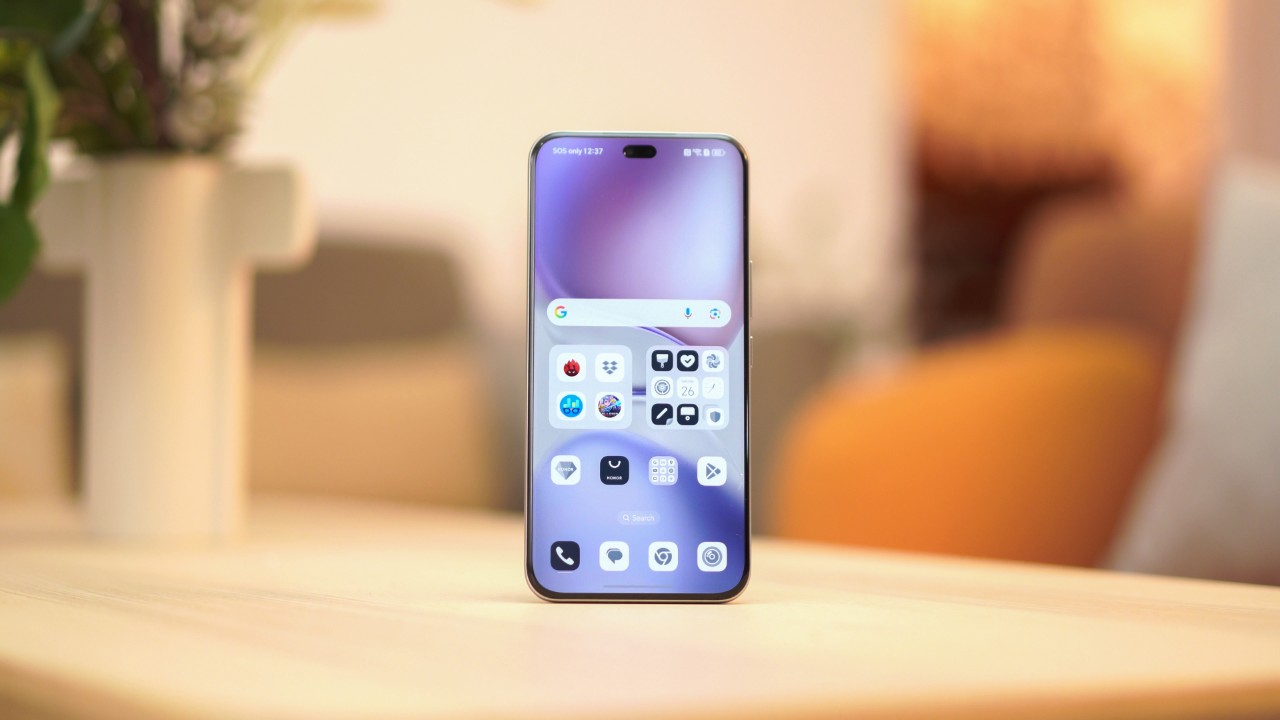
Meanwhile, the POCO F7 Pro has an update pledge of four major OS upgrades and six years of security patches, which ain’t that bad.
Connectivity-wise, both have all the essentials: including 5G, NFC, Wi-Fi 7, and even IR blaster. Although, another advantage of the HONOR 400 Pro is the addition of eSIM support which is really convenient if you travel a lot.
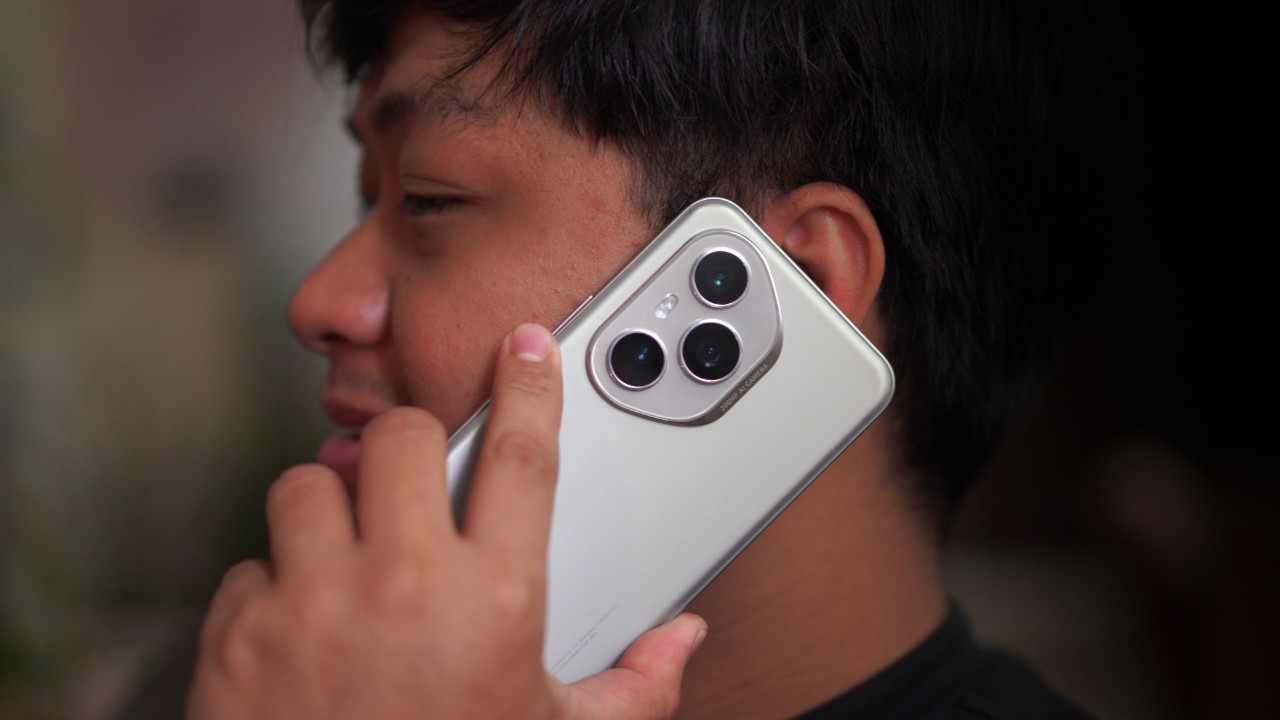
Therefore, HONOR takes the point yet again this round.
Which one should you get?
Now, let’s talk about the price.
The POCO F7 Pro starts at PHP 27,999 and PHP 29,999 for the 256GB and 512GB variants, respectively.
As of writing this comparison, however, HONOR has yet to announce the pricing for the HONOR 400 Pro. But if they’ll follow the same pricing as last year, then we could expect the price to go more or less PHP 29,999.

When it comes down to choosing which one to get, particularly in this price range, the HONOR 400 Pro is highly recommended between the two.
It takes the win by bringing more flexibility in camera performance, the inclusion of fast wireless charging and eSIM support, and not to mention, a sleeker, more ergonomic design.
The POCO F7 Pro still stands its ground with a capable camera performance and a better display. Although, it lacks some of the features like a telephoto lens and wireless charging that would otherwise make it a more compelling choice.
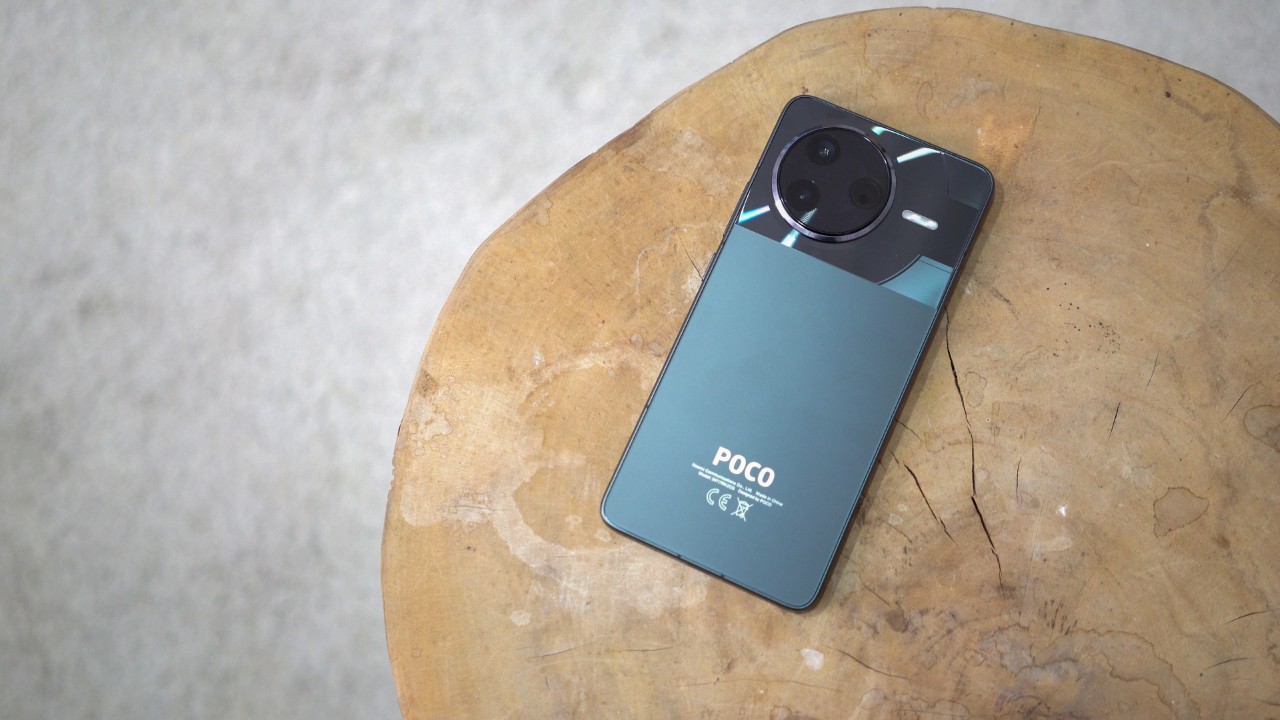
I would only recommend the POCO F7 Pro if you are already embedded in the Xiaomi ecosystem, as it offers solid software integration with other Xiaomi devices. If you’re a current Xiaomi user, it’s a good choice, but for others, the HONOR 400 Pro offers better value for money.
Ultimately, the choice is still yours!
HONOR 400 Pro vs. POCO F7 Pro specs:
| HONOR 400 Pro | POCO F7 Pro |
|---|---|
| 6.7-inch FHD+ quad curved AMOLED | 6.67-inch WQHD+ flat AMOLED |
| 2800 x 1280 pixels, 120Hz refresh rate, 460 ppi | 3200 x 1440 pixels, 120Hz, 526 ppi |
| 5000 nits HDR peak brightness | 1800 nits (HBM), 3200 nits peak brightness |
| - | Corning Gorilla Glass 7i |
| Snapdragon 8 Gen 3 | Snapdragon 8 Gen 3 |
| 12GB RAM | 12GB LPDDR5x RAM |
| 256GB, 512GB storage | 256GB, 512GB UFS 4.1 storage |
| Triple rear cameras: | Dual rear cameras: |
| - 200MP f/1.9 main, OIS | - 50MP f/1.6 main, OIS |
| - 50MP f/2.4 telephoto, OIS | - 8MP f/2.2 ultrawide |
| - 12MP f/2.2 ultrawide | - |
| 50MP f/2.0 + 2MP depth front sensors (pill-shaped notch) | 20MP selfie shooter (hole punch notch) |
| Dual nano-SIM, supports eSIM | Dual nano-SIM |
| 5G, 4G LTE | 5G, 4G LTE |
| Wi-Fi 7 | Wi-Fi 7 |
| Bluetooth 5.4 | Bluetooth 5.4 |
| GPS, A-GPS, GLONASS, BeiDou, Galileo, QZSS | GPS, Beidou, Galileo, GLONASS, QZSS, NavIC, AGNSS |
| USB Type-C | USB Type-C |
| NFC | NFC |
| Under-display fingerprint sensor (optical), 2D face unlock | Under-display fingerprint sensor (ultrasonic), face unlock |
| IP68/ IP69 dust and water (submersion) resistance | IP68 dust and water (submersion) resistance |
| Dual stereo speakers, IR blaster | Dual stereo speakers, Dolby Atmos/ Vision, IR blaster |
| MagicOS 9.0 (Android 15) | Xiaomi HyperOS 2, Android 15 |
| 6 years major OS upgrades and security patches | 4 major OS upgrades + 6 years security patches |
| 6000mAh Si/C battery | 6000mAh battery |
| 100W charging (wired) | 90W charging (wired) |
| 50W wireless | - |
| 160.8 x 76.1 x 8.1 mm | 160.26 x 74.95 x 8.12 mm |
| ~205g | 206g |
| Lunar Grey, Tidal Blue, Midnight Black (colorways) | Black, Silver, Blue |




0 Comments
Leave a Reply