
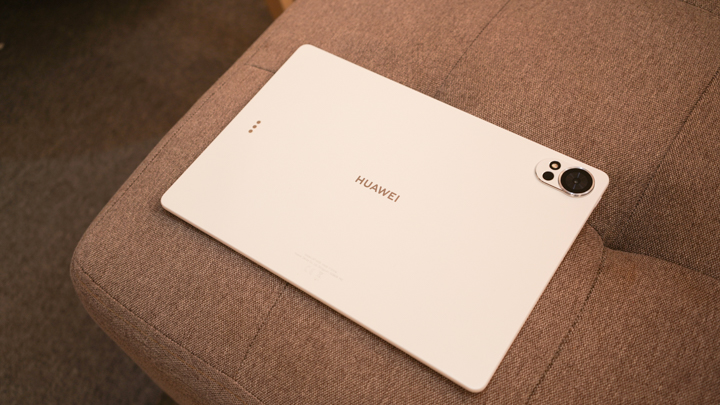
HUAWEI MatePad 12 X (2026) Review



Two Snapdragon 636-powered smartphones are put side-by-side in this specs comparison. Will it be the Xiaomi Redmi Note 6 Pro or the ASUS ZenFone Max Pro M1? Read more to find out!

Xiaomi Redmi Note 6 Pro recently surfaced online which features a 6.26-inch Full HD+ display with 2280 x 1080 resolution, Snapdragon 636 processor, 3GB RAM, 32GB internal storage, 12MP + 5MP dual rear cameras, 20MP + 2MP dual front, and 4,000mAh battery.
ASUS ZenFone Max Pro M1 is the company’s contender for a budget mid-range smartphone capable of rivaling Xiaomi’s Redmi Note 5. It comes with a 6-inch Full HD+ display with 2160 x 1080 resolution, Snapdragon 636 processor, 3GB RAM, 32GB internal storage, 13MP + 5MP dual rear cameras, 8MP front, and 5,000mAh battery.
Here are their detailed specs:
| Specification | Xiaomi redmi Note 6 Pro | ASUS ZenFone Max Pro M1 |
|---|---|---|
| Display | 6.26-inch 19:9 FHD+ display @ 2280 x 1080px | 6-inch FHD+ IPS display @ 2160 x 1080px, 424ppi |
| CPU | Qualcomm Snapdragon 636 1.8GHz octa-core | Qualcomm Snapdragon 636 1.8GHz octa-core |
| GPU | Adreno 509 | Adreno 509 |
| RAM | 3GB RAM | 3GB RAM |
| ROM | 32GB internal storage | 32GB internal storage |
| Storage | expandable via microSD card slot | microSD card slot (dedicated slot) |
| Rear Camera | 12MP + 5MP dual rear cameras | 13MP + 5MP PDAF rear camera, LED flash |
| Front Camera | 20MP + 2MP dual front cameras | 8MP front camera, LED flash |
| SIM | Dual-SIM (Nano, Hybrid) | Dual-SIM (nano) |
| Connectivity | 4G LTE | 4G LTE |
| Wi-Fi | WiFi | Wi-Fi 802.11 b/g/n |
| Bluetooth | Bluetooth | Bluetooth 4.2 |
| GPS | GPS | GPS with A-GPS, GLONASS, BDS |
| USB | micro USB | micro USB |
| Sensor | -Fingerprint scanner | -Fingerprint scanner -Face Unlock |
| OS | MIUI 9 (Android 8 Oreo) | Pure Android (Android 8.1 Oreo) |
| Battery | 4,000mAh battery with Fast Charging (5V 2A adapter) | 5,000mAh battery with flash charge |
Here are the advantages of each smartphone:
Xiaomi Redmi Note 6 Pro
ASUS ZenFone Max Pro M1
The Redmi Note 6 Pro’s display setup is better in terms of increased size, aspect ratio, and resolution as compared with the Max Pro M1. In terms of viewing experience, users will enjoy watching videos more with the former.
In previous leaks, the Redmi Note 6 Pro was said to have a Snapdragon 660 processor but based on its release, it only came with Snapdragon 636. Compared with the Max Pro M1, both of them should achieve similar performance in terms of benchmark scores.
It would seem that the Redmi Note 6 Pro is a selfie-centric smartphone. Its 20MP front shooter topples the 8MP of the Max Pro M1 in terms of resolution. We’ll know more about its camera quality once we have the unit on hand for review. In the meantime, check our sample photos of the ZenFone Max Pro M1 here.
Battery capacity is always one of the selling points of the Redmi Note and ZenFone Max series. In this case, the Max Pro M1 has a higher mAh than the Redmi Note 6 Pro. Battery performances are usually determined by the display, processor, and OS. We’ll know more which one has the longest battery life once we have the Redmi Note 6 Pro.
To summarize, users who like watching videos should pick the Redmi Note 6 Pro because of its better display setup. The ZenFone Max Pro M1, on the other hand, is better suited for users who like an almost stock Android experience and more storage.
The Xiaomi Redmi Note 6 Pro is priced at USD193.99 (~PHP 10,498) while the ASUS ZenFone Max Pro M1 (3GB) is priced at Php9,995. What do you guys think? Let us know your thoughts in the comments section below.







Apple, Asus, Cherry Mobile, Huawei, LG, Nokia, Oppo, Samsung, Sony, Vivo, Xiaomi, Lenovo, Infinix Mobile, Pocophone, Honor, iPhone, OnePlus, Tecno, Realme, HTC, Gionee, Kata, IQ00, Redmi, Razer, CloudFone, Motorola, Panasonic, TCL, Wiko
Best Android smartphones between PHP 20,000 - 25,000
Smartphones under PHP 10,000 in the Philippines
Smartphones under PHP 12K Philippines
Best smartphones for kids under PHP 7,000
Smartphones under PHP 15,000 in the Philippines
Best Android smartphones between PHP 15,000 - 20,000
Smartphones under PHP 20,000 in the Philippines
Most affordable 5G phones in the Philippines under PHP 20K
5G smartphones in the Philippines under PHP 16K


