
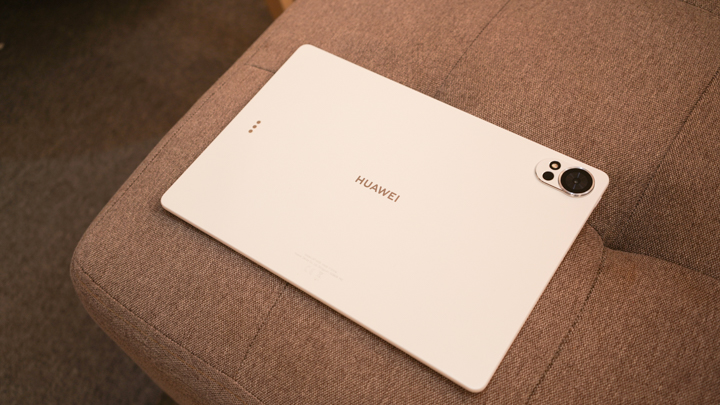
HUAWEI MatePad 12 X (2026) Review



As the back-to-school season kicks off, families across the Philippines are gearing up to equip their children with everything they need for a productive school year.
Whether it’s a new laptop for all their school projects, a smartphone as a daily driver and for virtual classes, or a tablet for educational apps and reading. It seems the demand for tech essentials like these is higher than ever.
But with rising prices and tighter household budgets, not everyone can afford to pay for these items in one go. That’s where easy, convenient consumer financing comes into play.

Over the past few years, options like Home Credit, BillEase, and Skyro have made it easier for Filipinos to buy now and pay later. But while all three platforms promise convenience, affordability, and speed, not all are created equal.
Choosing the right financing partner can mean the difference between a smooth, stress-free experience and a complicated, costly one. So, in this article, we take a deep dive into each of these three financing providers, comparing their loan approval process, interest rates, fees, loan amounts, accessibility, and overall value.
If you’re a parent, student, or working professional preparing for the school year, we hope that this guide will help you make an informed decision.
For most people, time is of the essence, especially when school is just around the corner. You don’t want to spend days chasing requirements or waiting for approval.
Home Credit is known for its lightning-fast approval system. All you need is one valid ID, and if you meet their criteria, you can get approved in as fast as one minute. This kind of speed is ideal for on-the-spot shopping, like when you’ve just found a tech deal you want to grab before it runs out.
You can apply directly through the Home Credit App or visit any of their 15,000+ partner stores nationwide. What sets Home Credit apart is the presence of trained sales representatives who are readily available to assist you throughout the process. This hands-on support is especially helpful for first-time borrowers or those who may not be as familiar with installment financing, making the experience easier, more personal, and less intimidating.
BillEase operates purely online, which appeals to ‘digital-first’ users. Its application process is also straightforward, but not quite as fast and convenient. Aside from a valid ID, BillEase also requires the latest proof of income and proof of billing.
Approval times can vary, as some users get responses instantly, while others may wait up to 1 banking day. For context, the verification process is conducted entirely online. Still, it’s a solid option if you’re comfortable transacting entirely through your smartphone.
Skyro takes a more traditional route. Their process involves submitting various documents, going through identity verification (including facial recognition), and in some cases, meeting with a representative in person. Because of this, approval can take anywhere from one to seven days. For users who need funding quickly, that kind of wait may be too long.
That said, Home Credit has the edge for users who value speed, ease, and minimal paperwork.
Not all financing needs are the same. Some customers are just buying a PHP 5,000 tablet, while others are investing in a PHP 60,000 laptop. Flexible loan amounts and repayment terms can make these purchases more manageable.
Home Credit offers thousands of deals you can choose from, and the maximum amount will vary depending on the item you want to purchase. They do, however, offer flexible repayment terms from 6 to 24 months, with offers as low as 0% interest and zero downpayment.
BillEase caters more toward smaller purchases. First-time users can borrow PHP 2,000 to PHP 10,000, and repeat customers with good credit may qualify for up to PHP 50,000. Repayment terms range from 1 to 6 months for new users and 12 to 24 months for returning users.
Skyro, on the other hand, offers the highest loan amount, from PHP 5,000 up to PHP 250,000. This could be helpful if you’re planning to buy multiple items or more expensive tech. However, repayment terms are more limited, with options fixed at 6, 9, or 12 months. That means even large loans must be repaid quickly, which can lead to steep monthly repayments.
So, if you’re looking for a sweet spot in borrowing with decent loan amounts and long, flexible terms, then Home Credit is your best bet. Skyro is the go-to for large loans for sure, while BillEase is suitable for smaller, short-term financing.
One of the biggest misconceptions about installment plans is that they’re always affordable. While they make upfront costs easier to manage, interest and processing fees can add up quickly. Here’s how each platform stacks up:
Home Credit delivers big value, especially with its Sulit-Skwela 2025 promo. Many of its partner stores now offer as low as 0% interest and zero down payment on select gadgets (particularly school essentials like laptops and tablets).
Outside of promo offers, Home Credit’s monthly processing fee is 0.5% of your monthly financed amount or a PHP 150 flat rate, depending on what is lower.
BillEase offers a flat 3.49% monthly interest rate, which remains consistent across different loan amounts. While this makes things predictable, it also means you’re always paying interest, even when other providers offer 0%. Additionally, their processing fee is around 3.38% of the loan amount, so it scales with how much you borrow.
Skyro has the widest range, charging between 1.5% to 7% per month. However, the biggest downside is the processing fee, which is either 16.6% of the loan amount or PHP 5,000, whichever is lower. That’s a significant chunk upfront, especially when compared to Home Credit’s PHP 500 flat fee.
For example, borrowing PHP 30,000 through Skyro could cost nearly PHP 5,000 in processing fees alone, before even counting the interest.
Therefore, in terms of affordability, especially during back-to-school season, Home Credit’s as low as 0% interest deals and low processing fees might appeal more to users. BillEase is also up to par with the competition, offering a fixed monthly interest rate and a relatively low processing fee (as long as users get a minimal loan amount).
Being able to access financing when and where you need it is crucial, especially for those living outside Metro Manila or shopping in physical stores.
Home Credit is available in over 75 provinces and, as mentioned earlier, boasts a network of more than 15,000 partner stores. From appliance shops to gadget retailers, you’re likely to find a store near you that accepts Home Credit.
Their mobile app also allows for pre-approval and online applications, so you can plan your purchases ahead of time. Additionally, users can visit Shoppingmall.ph to explore current offers, compare items, and find the nearest partner stores that carry the products they need.
BillEase, being fully digital, is great for online shoppers. It integrates well with major e-commerce platforms like Lazada and allows users to shop from home. However, it’s less useful for in-store purchases, which is sort of a limitation during seasonal sales or when you need the item right away.
Skyro is available in select areas, but the process often requires meeting with a representative or going through additional steps. This lack of nationwide coverage and reliance on physical verification make it quite less convenient for many users, especially those outside urban centers.
Thus, in this area, Home Credit offers the most extensive physical and digital presence, making it easy to access whether you’re shopping in-store or making a planned purchase. And with online shopping, BillEase has got you covered as well.
Getting financing is just the first step. What happens if something goes wrong? Good customer support can save you hours of frustration, so we’ll talk about that next.
Like I said, Home Credit has a strong retail presence, which means in-store sales agents can walk you through your options, answer all your questions, and help you troubleshoot. This in-person support is a huge benefit for first-time borrowers or those unfamiliar with financial products.
Their app also includes loan tracking, due date reminders, and support features that make managing your loan easier.
BillEase, while fully digital, does offer responsive online support through email and chat. However, some users may find it less personal or slower compared to in-store assistance.
Skyro is somewhat more hands-on, but not necessarily in a convenient way. The need for in-person validation and limited customer support availability can make resolving issues more time-consuming.
That said, for users who value both human support and digital tools, Home Credit appears to provide a better service experience.
Still unsure which one is right for you? Here’s a quick overview based on different situations:
After comparing all three services across the approval process, loan flexibility, affordability, accessibility, and all that, it’s clear that Home Credit nails it being the most well-rounded financing option for the average Filipino consumer.
With fast approval, flexible terms, nationwide reach, and offers like as low as 0% interest and zero downpayment, especially under the Sulit-Skwela 2025 promo, Home Credit provides exactly what students and families need during this important season. Every Sulit-Skwela laptop from Home Credit also comes with a FREE Globe GFiber Prepaid UNLI internet—no lock-in, no monthly bills, no installation fee.
Whether you’re buying a new laptop for college or a smartphone for grade school classes, Home Credit makes essential tech more affordable, accessible, and stress-free for the masses.
Download the Home Credit App on Google Play, the App Store, or Huawei AppGallery to check your eligibility and get pre-approved for product installments.
Visit Shoppingmall.ph 10 to browse a complete list of Sulit-Skwela offers, compare options, and find the nearest store where your chosen item is available. The promo period runs until July 31, 2025. Don’t miss out!






Apple, Asus, Cherry Mobile, Huawei, LG, Nokia, Oppo, Samsung, Sony, Vivo, Xiaomi, Lenovo, Infinix Mobile, Pocophone, Honor, iPhone, OnePlus, Tecno, Realme, HTC, Gionee, Kata, IQ00, Redmi, Razer, CloudFone, Motorola, Panasonic, TCL, Wiko
Best Android smartphones between PHP 20,000 - 25,000
Smartphones under PHP 10,000 in the Philippines
Smartphones under PHP 12K Philippines
Best smartphones for kids under PHP 7,000
Smartphones under PHP 15,000 in the Philippines
Best Android smartphones between PHP 15,000 - 20,000
Smartphones under PHP 20,000 in the Philippines
Most affordable 5G phones in the Philippines under PHP 20K
5G smartphones in the Philippines under PHP 16K