
The budget tablet market is heating up, with brands like Xiaomi and OPPO offering increasingly capable devices for under PHP 11,000. The Redmi Pad 2 and the OPPO Pad SE are two solid contenders in this space. Both offer large 11-inch displays, quad speakers, and Android 15 out of the box—but they also differ in some key areas that could make or break your purchase decision.
Let’s break down how these two stack up across design, display, performance, software, battery, and everything in between.

Design and Construction
Design is often the first impression, and both the Redmi Pad 2 and OPPO Pad SE aim to deliver a clean, minimal aesthetic, though they differ in execution.
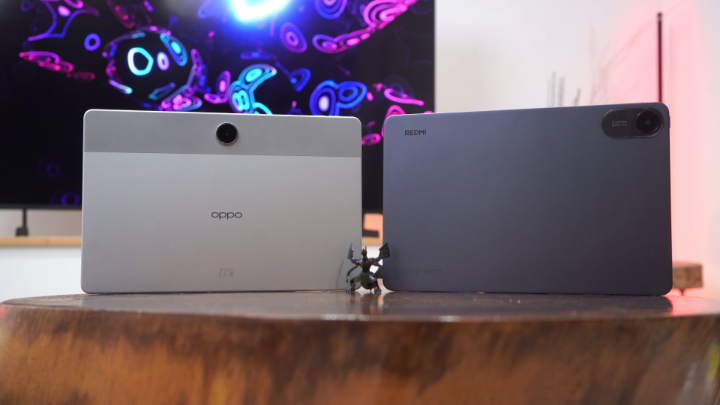
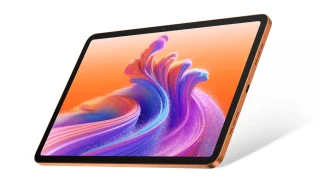
The Redmi Pad 2 leans toward a more practical design. It features a flat-edged aluminum body with a matte finish that feels sturdy and resistant to fingerprints. At 510 grams and just 7.36mm thick, it strikes a comfortable balance between portability and screen size. It’s also slightly narrower than the OPPO Pad SE, making it easier to hold in one hand, especially in portrait orientation.
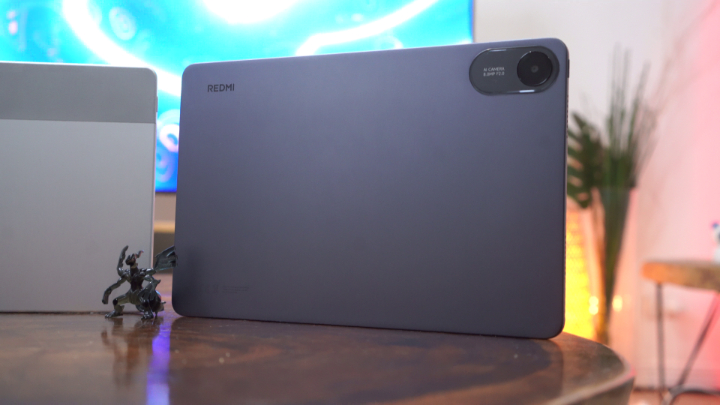
OPPO’s approach is a bit more refined. The Pad SE features a dual-tone aluminum body with soft curves around the edges, lending it a sleeker look. It’s slightly heavier at 530 grams and a touch thicker at 7.39mm, but the smooth curves give it a friendlier in-hand feel during extended use. You get two premium-looking finishes, Starlight Silver and Twilight Blue, whereas the Redmi Pad 2 comes in Graphite Gray and Mint Green.

However, Redmi adds some practical features that are absent on the OPPO Pad SE. The presence of a 3.5mm audio jack is a big deal for those who still rely on wired headphones, and more importantly, there is a variant that supports 4G LTE via a SIM slot, making it a much more versatile device on the go.
While OPPO’s design may look more polished, Redmi wins this category by balancing solid aesthetics with greater practical functionality.
In terms of everyday usability, the Redmi Pad 2 ultimately takes the lead for its lightweight body, 3.5mm headphone jack, and 4G LTE support which are features that truly matter for users who want more than just a pretty shell.
Display and Multimedia
Both tablets feature 11-inch IPS LCD panels with a 90Hz refresh rate, but there are some notable differences that affect overall viewing quality.
The OPPO Pad SE sports a Full HD+ resolution of 1920 x 1200 with a pixel density of 207 ppi. It peaks at 500 nits of brightness, which is decent for indoor use and occasional outdoor viewing under shade. Colors are reasonably accurate, and the refresh rate makes animations and scrolling feel smooth.
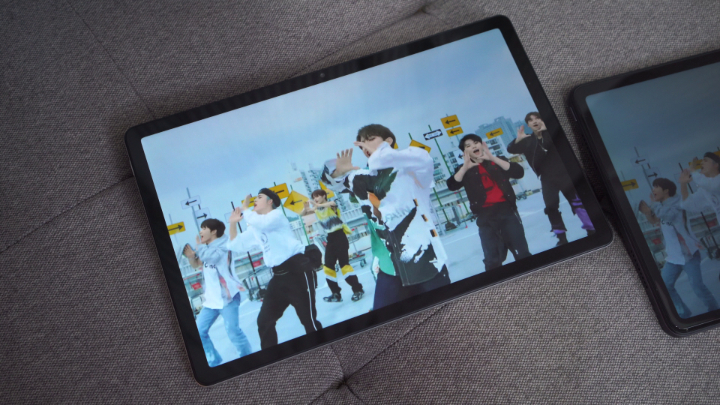
The Redmi Pad 2 steps it up a notch with a sharper 2.5K resolution at 2560 x 1600. This translates to crisper text and finer detail, especially when watching high-resolution videos or browsing graphic-heavy websites. The panel also pushes up to 600 nits in outdoor mode, making it more usable in bright environments like parks or cafes.
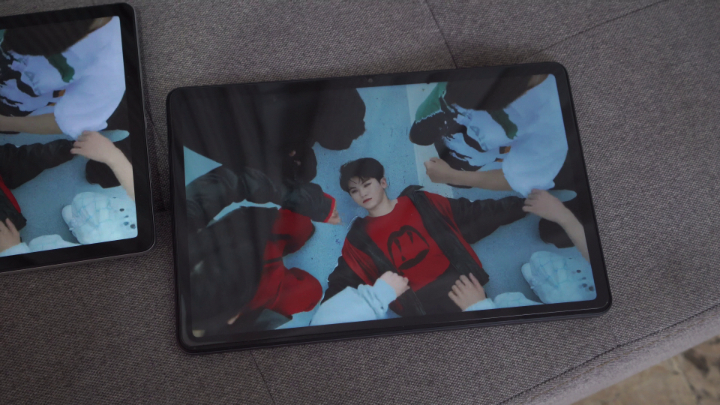
When it comes to audio, both tablets are equipped with quad stereo speakers. However, Redmi pulls ahead with noticeably richer bass. Whether you’re watching YouTube, Netflix, or just listening to Spotify, the Redmi Pad 2 delivers better spatial separation and depth in sound.
Adding to this, the Redmi Pad 2 offers more media flexibility with its 3.5mm headphone jack—a feature that’s increasingly rare but still incredibly useful, especially in educational settings or shared spaces where Bluetooth isn’t ideal.
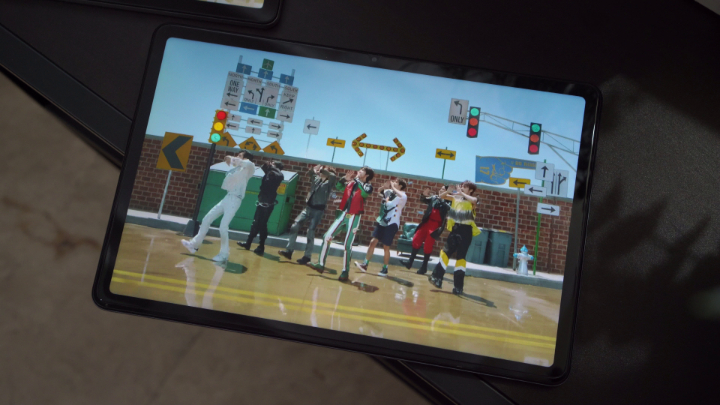
Overall, the Redmi Pad 2 delivers a more premium viewing and listening experience thanks to its higher resolution display, brighter screen, Dolby Atmos support, and headphone jack. For users focused on media consumption, it’s clearly the better option here.
Camera
Let’s face it: tablets aren’t known for their cameras, and that holds true for both of these devices.
The OPPO Pad SE and Redmi Pad 2 both feature a basic 5MP front camera and a single rear shooter. There’s a 5MP on the OPPO, and 8MP on the Redmi. Neither is going to replace your phone or digital camera, but they do serve their purpose for video calls, scanning documents, or snapping quick references.

In bright lighting conditions, both tablets can take serviceable photos, although Redmi’s 8MP sensor provides a slight edge in sharpness and dynamic range. For video conferencing, both front cameras perform similarly, with decent clarity and reliable face tracking in good lighting.
In low light, noise quickly becomes an issue for both, and focusing slows down. Still, these are adequate for online meetings and classroom settings, especially when paired with good lighting.
Since their camera systems are nearly identical in real-world usage, this one comes down to a tie. Neither has a significant advantage, and both are best suited for basic needs.
Redmi Pad 2 shots:
Redmi Pad 2 comparison shots
Tuesday, Jun 10, 2025


OPPO Pad SE shots:
OPPO Pad SE comparison shots
Jun 3 – 9, 2025


Redmi Pad 2 sample video:
Oppo Pad SE sample video: https://youtu.be/c0-i15S7Ivo
Performance
Under the hood, both tablets run on the MediaTek Helio G100 series, but there’s a clear distinction in configuration.
The OPPO Pad SE uses the standard Helio G100 with 4GB RAM and 128GB of storage. Unfortunately, this model does not support expandable storage via microSD. While it’s fine for basic usage like web browsing, watching videos, and running lightweight apps, it begins to show its limits with multitasking or heavier games.
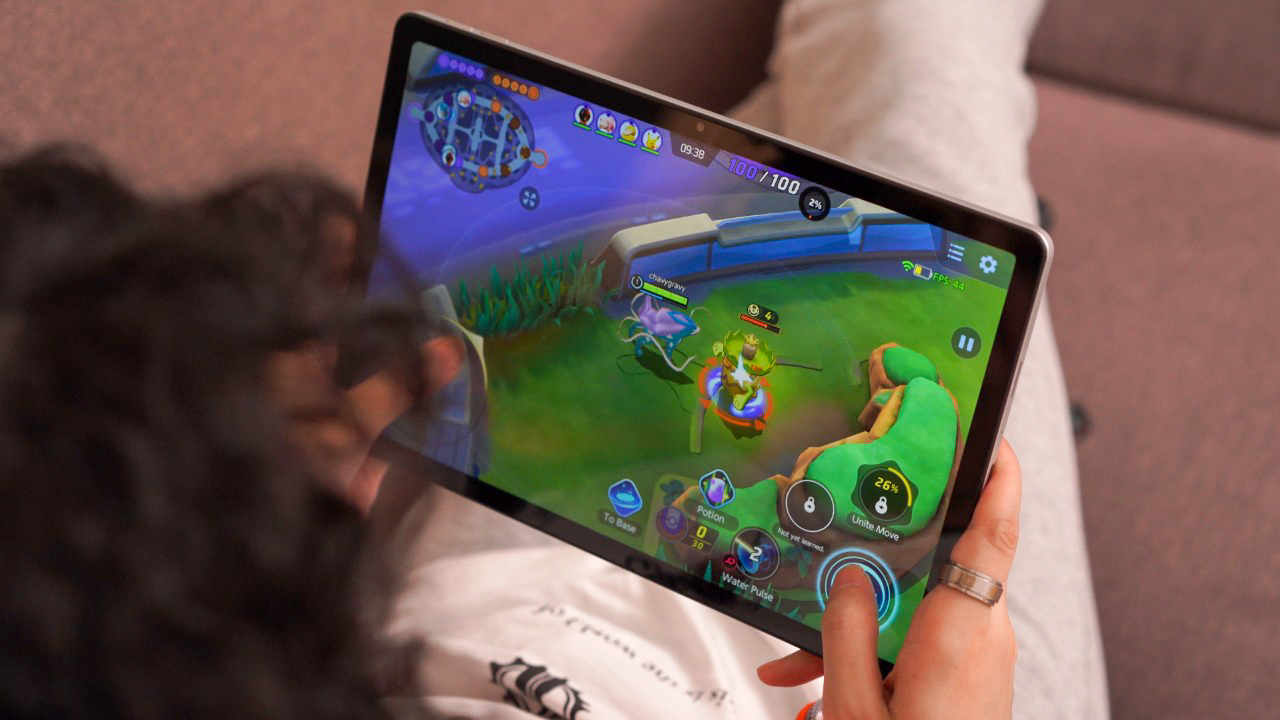
In contrast, the Redmi Pad 2 packs the slightly more optimized Helio G100 Ultra and comes with 6GB or 8GB of LPDDR4X RAM. Storage options go up to 256GB, and crucially, it supports microSD expansion up to 2TB. This makes a huge difference for users who store a lot of media offline or install larger apps and games.
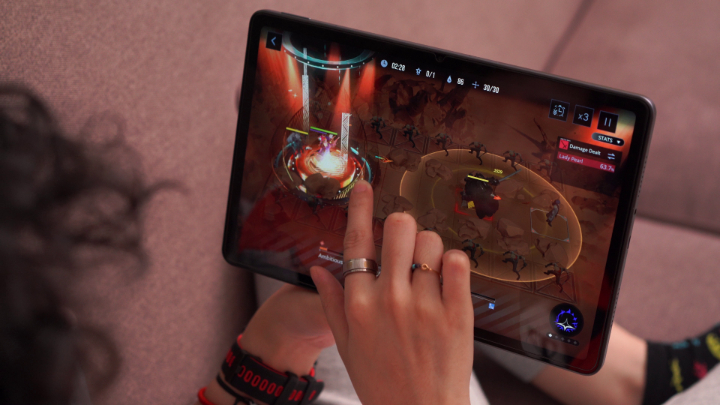
When it comes to gaming performance, both can handle casual titles like Pokémon Unite or Mobile Legends at medium to high settings. However, the extra RAM and optimized chipset on the Redmi Pad 2 give it better multitasking performance and smoother handling of more demanding games like Wuthering Waves or Honkai: Star Rail, where OPPO struggles noticeably more.
So while both tablets use a similar base chip, the differences in RAM capacity, storage flexibility, and thermal efficiency give Redmi a substantial performance advantage. For users who want their tablet to be more than just a video player or e-book reader, Redmi clearly offers more headroom for productivity and gaming.
| Benchmark | OPPO Pad SE | Redmi Pad 2 |
|---|---|---|
| Chipset | MediaTek Helio G100 | MediaTek Helio G100 |
| AnTuTu V10 | 437,103 | 411,282 |
| AnTuTu Storage | 58,648 | 63,607 |
| S.Read Speed | 1042.7 MB/s | 1043.7MB/s |
| S.Write Speed | 928.3 MB/s | 944.3MB/s |
| 3DMark Wild Life | 1,311 | Avg. FPS: 7.85 | N/A |
| Geekbench 6 CPU Single-Core | 720 | 729 |
| Geekbench 6 CPU Multi-Core | 1,938 | 1,977 |
| Geekbench 6 GPU OpenCL | 1,368 | 1300 |
| Geekbench 6 GPU Vulkan | 1,399 | 1272 |
| PCMark Work 3.0 performance | 8,729 | 10,055 |
| PCMark Work 3.0 battery life | 17 hours and 56 minutes | 21 hours and 20 minutes |
OS, UI, and Apps
Software is often an overlooked category in budget tablets, but it can dramatically affect how usable and enjoyable a device really is.
The Redmi Pad 2 runs HyperOS 2 based on Android 15, which is Xiaomi’s new system designed to replace MIUI. HyperOS for tablets borrows heavily from MIUI for Pad, offering a simple yet feature-rich interface. However, Redmi’s multitasking implementation still lacks polish. Notably, it does not support true floating windows or side-by-side dual-app modes. There is stylus support, but stylus features are limited.
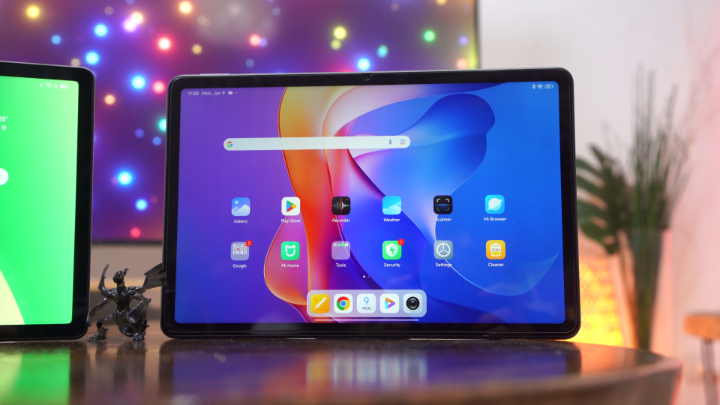
OPPO, on the other hand, runs ColorOS 15.0.1 also based on Android 15, and it’s far more refined for multitasking. The OPPO Pad SE supports floating windows and dual-window multitasking out of the box, allowing users to do things like browse the web while taking notes or watching videos while checking emails—all at the same time.
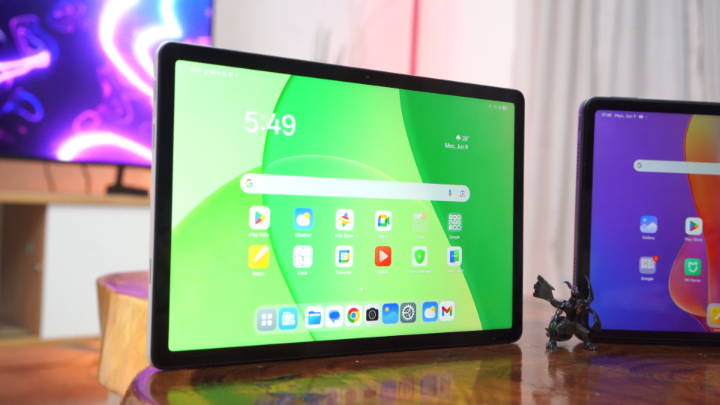
In day-to-day usage, ColorOS feels cleaner, more fluid, and better optimized for low-RAM devices. There’s minimal bloatware, and OPPO also offers decent longevity with software updates, though long-term OS upgrades haven’t been clearly guaranteed.

Ultimately, the OPPO Pad SE offers a better software experience thanks to its multitasking capabilities and cleaner, more optimized interface. For students and users who value efficient multitasking, OPPO’s tablet stands out in this category.
Connectivity and Battery Life
When it comes to connectivity, the differences between the two tablets are quite stark.
The OPPO Pad SE only comes in a Wi-Fi variant in the Philippines and lacks GPS functionality entirely. It does, however, offer the latest Bluetooth 5.4 for improved wireless connectivity and energy efficiency.
Meanwhile, the Redmi Pad 2 supports Wi-Fi 5, Bluetooth 5.3, GPS, and 4G LTE via a dedicated SIM card slot. This makes Redmi’s device more suitable for users who need mobile internet access for work, school, or travel.
On battery life, both tablets perform exceptionally well, but with different strengths.

The OPPO Pad SE houses a large 9340mAh battery, which, paired with the Helio G100 and clean software, provides excellent endurance. In real-world testing, it can last two full days of moderate use, including streaming, browsing, and reading. It also supports 33W wired charging, which is relatively fast for this category.
The only downside? OPPO doesn’t include a charger in the box, and without a SUPERVOOC-compatible brick, charging time may stretch to over two hours.
The Redmi Pad 2, in comparison, comes with a 9000mAh battery and 18W fast charging. While its charging speed is slower, it delivers great battery life as well as it averaged around 1.5 to 2 days of regular usage. Plus, a charger is included in the box, which adds convenience and value.
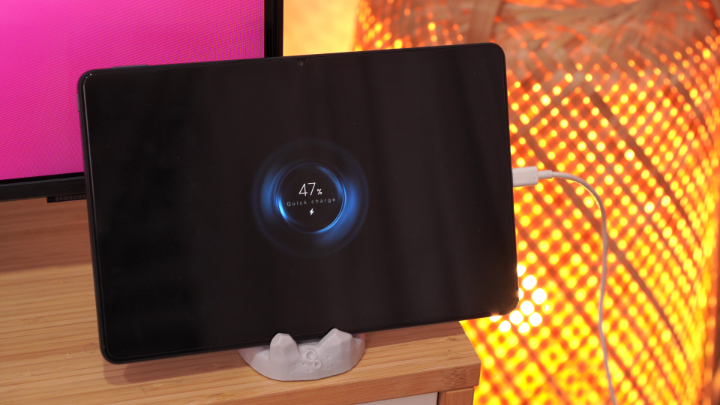
Both tablets impress here, but each one shines in a different aspect. OPPO has the edge in battery capacity and charging speed, while Redmi excels in connectivity and out-of-the-box usability.
Considering all this, it’s fair to say that both tablets are equal contenders in this category, depending on whether you value faster charging or better mobility features.
Price and Final Thoughts
Price is always a major deciding factor, especially in the budget segment.
The OPPO Pad SE starts at PHP 9,999, while the Redmi Pad 2 (the 4G variant) is priced slightly higher at PHP 10,499 for its base variant.
At just PHP 500 more, Redmi gives you higher resolution, more RAM, expandable storage, a 3.5mm jack, and mobile data support. That said, if your usage is more focused on reading, streaming, or light productivity tasks, OPPO’s cleaner UI and better multitasking features might suit you better.
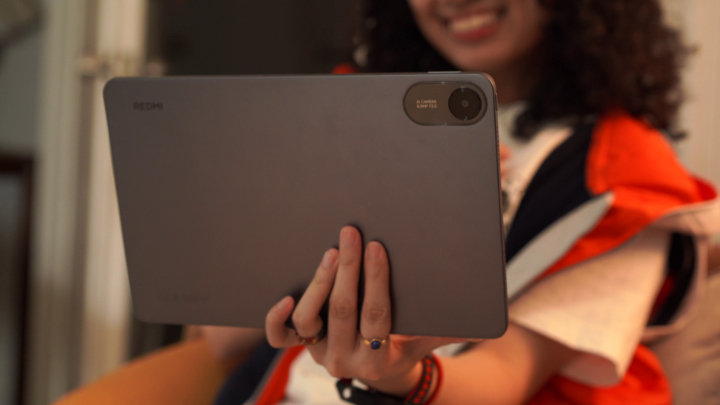
In conclusion, the Redmi Pad 2 delivers a more complete package in terms of performance, display quality, audio experience, and connectivity. It’s a well-rounded tablet that offers serious value for power users and students who want a bit more flexibility and horsepower.
However, if your needs are more about simplicity, smooth multitasking, and battery life, the OPPO Pad SE stands its ground well. It may lack storage expansion or LTE, but its well-optimized software, fast charging, and premium feel make it an excellent choice for light users or younger students.
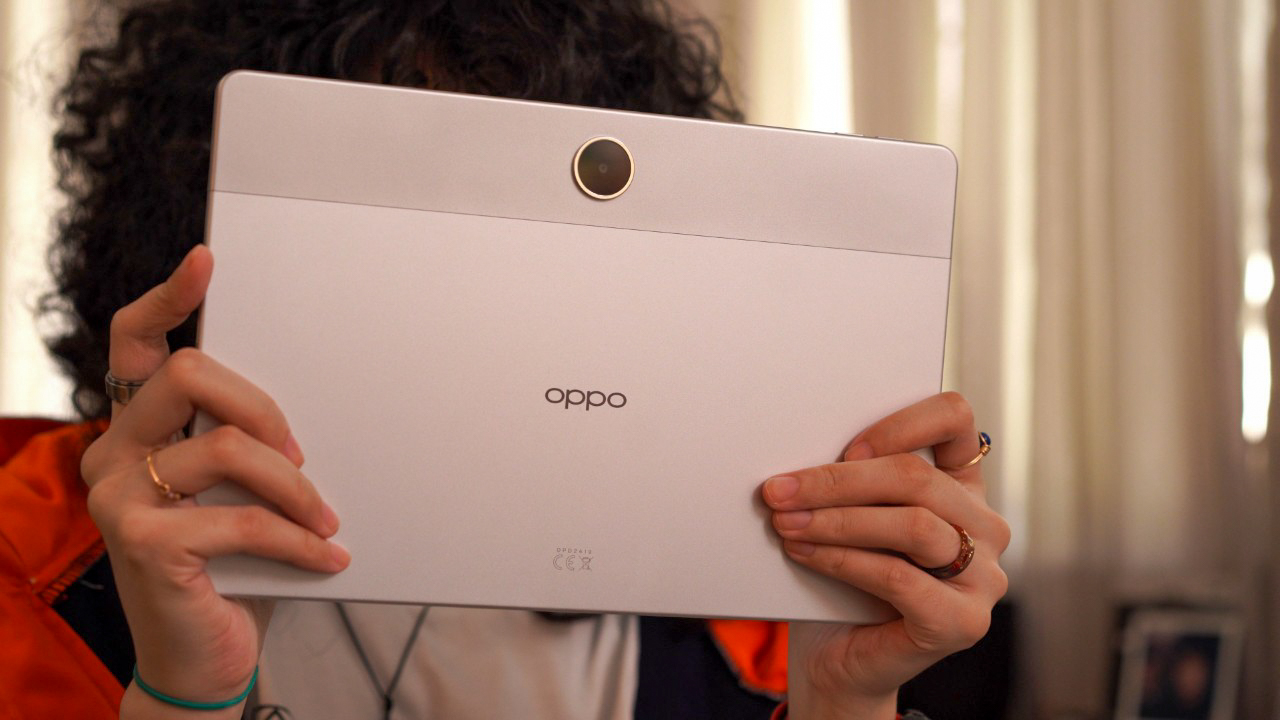
Ultimately, your ideal pick depends on how you plan to use your table but, either way, you’re getting strong value in the sub-11K peso category.
OPPO Pad SE specs:
11-inch FHD+ IPS LCD
1920 x 1200 pixels, 90Hz refresh rate, 207 ppi
500 nits peak brightness
MediaTek Helio G100
4GB RAM
128GB storage
(Not expandable)
5MP f/2.2 single rear camera
5MP f/2.2 selfie shooter
Wi-Fi 5
Bluetooth 5.4
USB Type-C
Face unlock
Quad stereo speakers
ColorOS 15.0.1, Android 15
9340mAh battery
33W charging (wired)
254.91 x 166.46 x 7.39 mm (dimensions)
530 grams 9weight)
Starlight Silver, Twilight Blue (colorways)
REDMI Pad 2 (4G) specs:
11-inch 2.5K IPS LCD
2560 x 1600 pixels, 90Hz refresh rate
600 nits (outdoor mode) brightness
MediaTek Helio G100-Ultra
6GB, 8GB LPDDR4x RAM
128GB, 256GB UFS 2.2 storage
Expandable up to 2TB via microSD
8MP f/2.0 single rear camera
5MP f/2.2 selfie shooter
Supports SIM card slot
4G LTE
Wi-Fi 5
Bluetooth 5.3
GPS
USB Type-C
3.5mm audio jack
Face unlock
Quad stereo speakers, Dolby Atmos
Xiaomi HyperOS 2, Android 15
9000mAh battery
254.58 x 166.04 x 7.36 mm (dimensions)
510 grams (weight)
Graphite Gray, Mint Green (colorways)

0 Comments
Leave a Reply