
Happy New Year, Readers! The year 2026 is being celebrated in a big way by POCO with its M-Series. The brand new POCO M8, the latest model from the brand, has been launched.
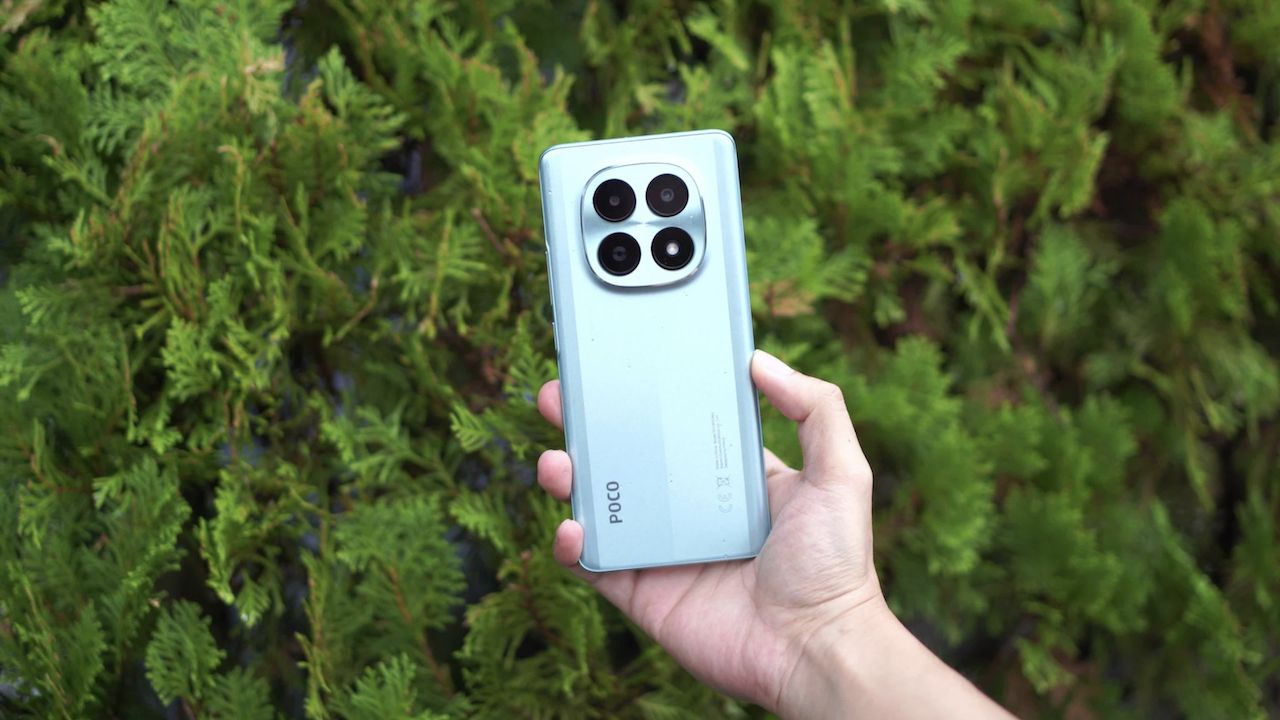
The M8 Series has a lot of upgrades and new features over its predecessor, and we would like to share our full experience with the unit today.
Design and Construction
Design-wise, the POCO M8 immediately stands out with its impressively thin build. The ultra-slim profile gives it a noticeably more premium look and feel, whether you’re holding it or simply glancing at the device. This is a huge departure from its predecessor, the POCO M7. While the M7 felt a bit hefty and boxier, the M8 opts for a slimmer, more curved silhouette that’s easier on the hands.
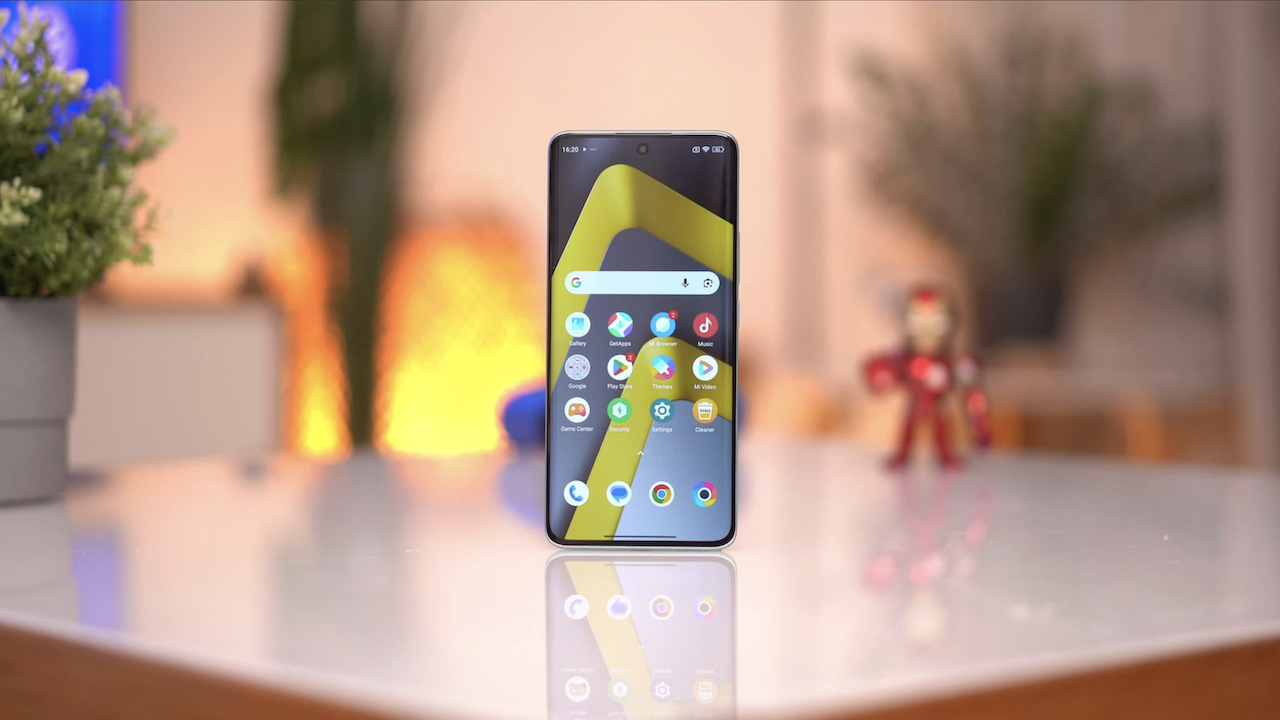 Measuring just 7.35mm thin and weighing only 178g, the POCO M8 is significantly lighter than the 224g M7. This makes it more comfortable to hold, easier to grip, and less tiring to use for extended periods.
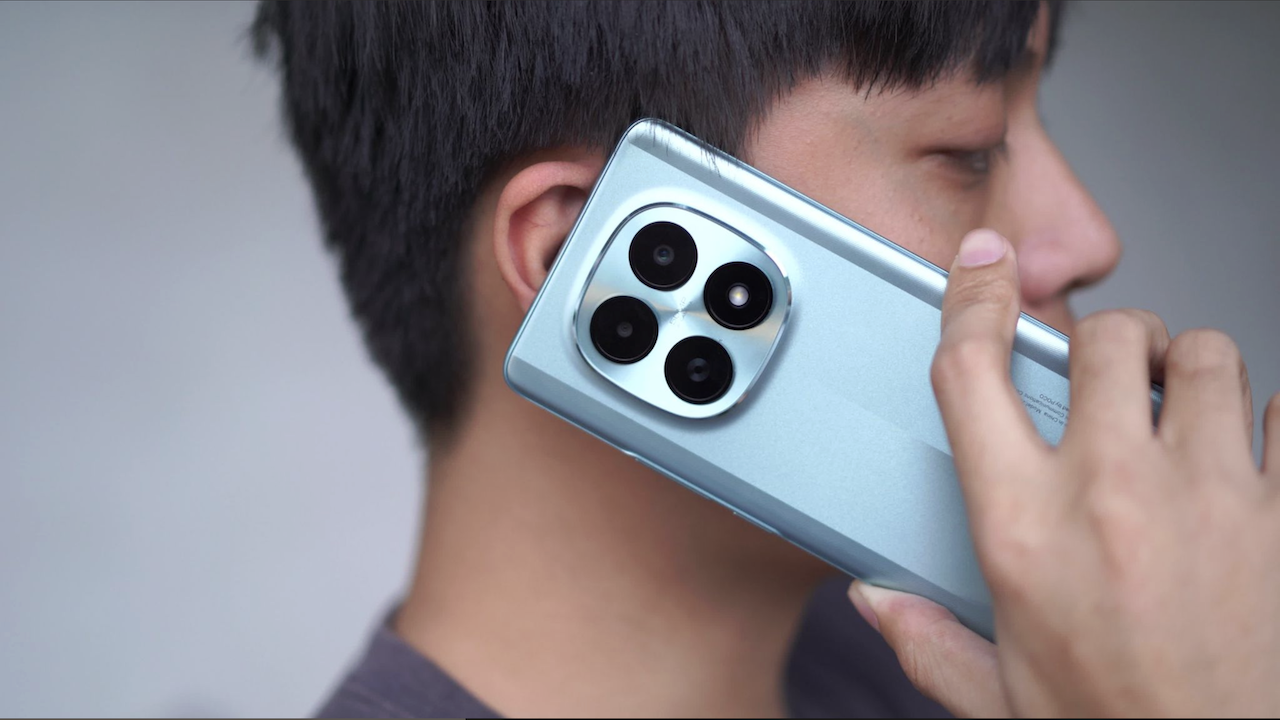
Moving to the rear panel, the unit I saw had a subtle blue-green tint, though the M8 is expected to launch in three colorways: Black, Green, and Silver. At first glance, it reminded me of the Redmi Note 14 Pro, but a closer look reveals a distinct design identity.
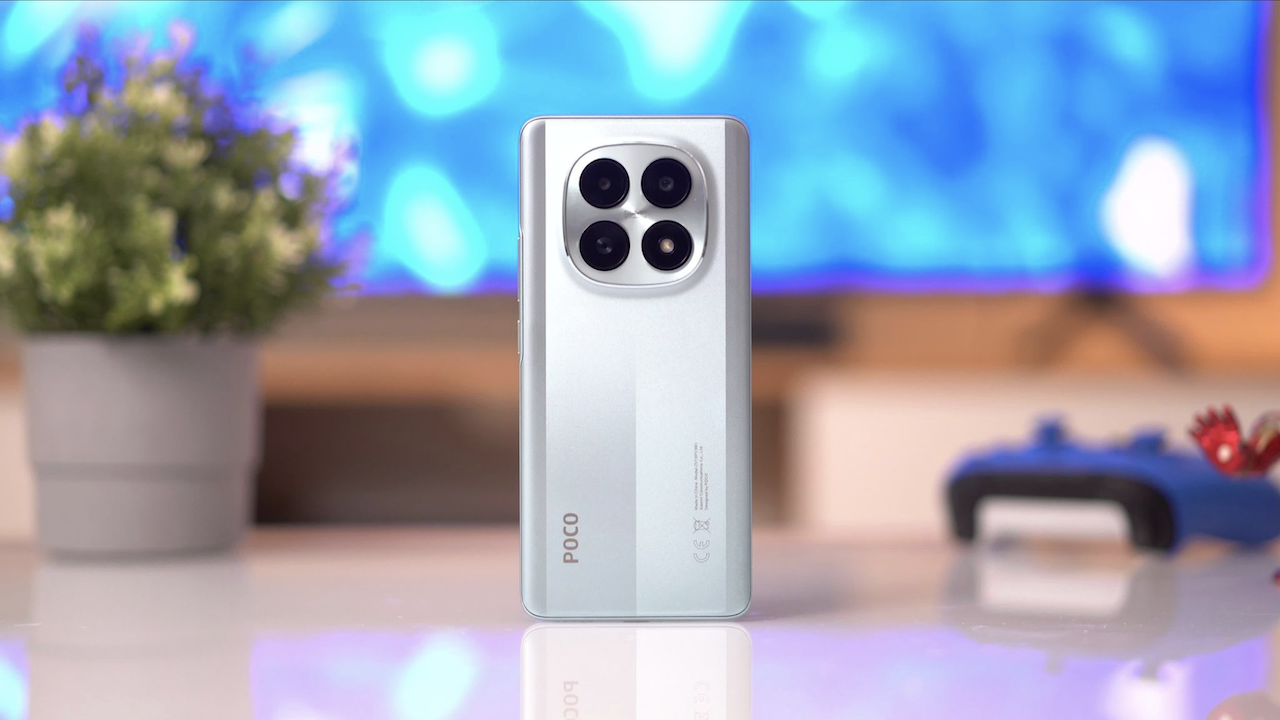 The back panel features a two-tone design paired with a matte texture. What I particularly liked is that it doesn’t easily attract fingerprints, while it may pick up light smudges, they’re easy to wipe off. You’ll also find the “POCO” branding placed vertically on the lower left portion of the rear panel.
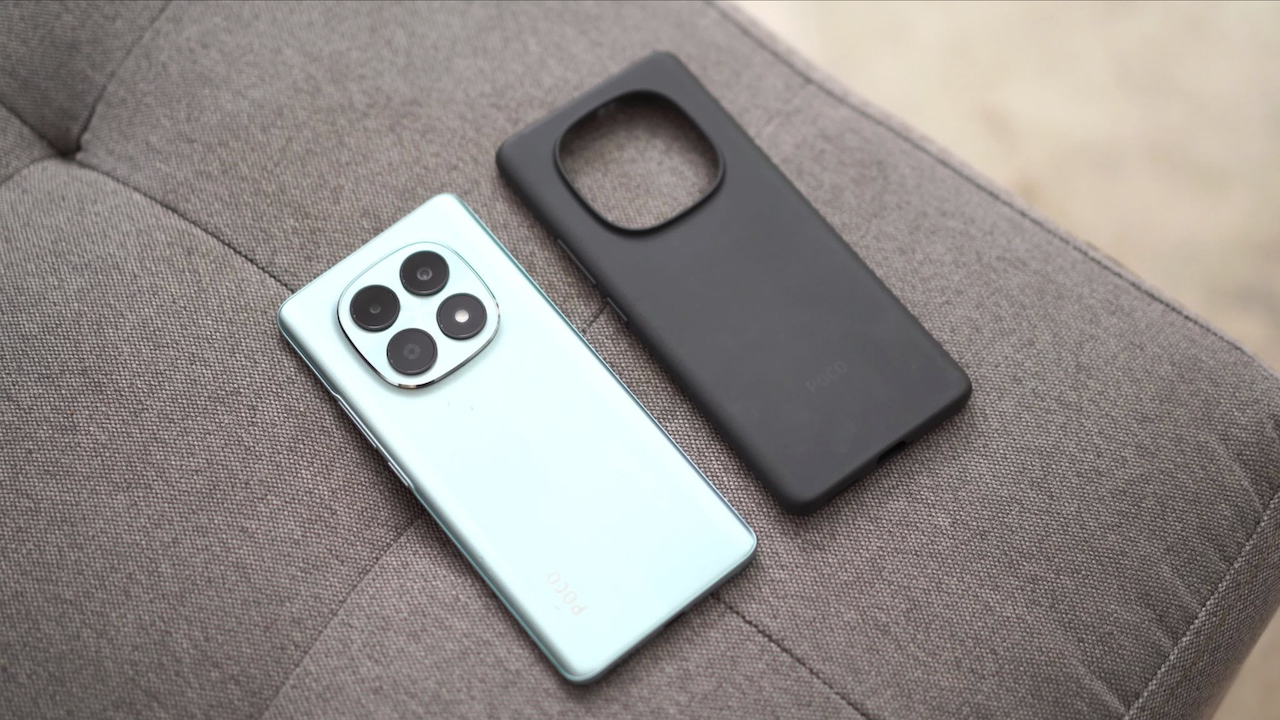
Durability is another strong point. Aside from its IP68 rating, which offers solid protection against dust and water, the side frames feel sturdy and well-built. POCO also continues to include a gray silicone case in the box, providing added protection against scratches and minor dents right out of the gate.
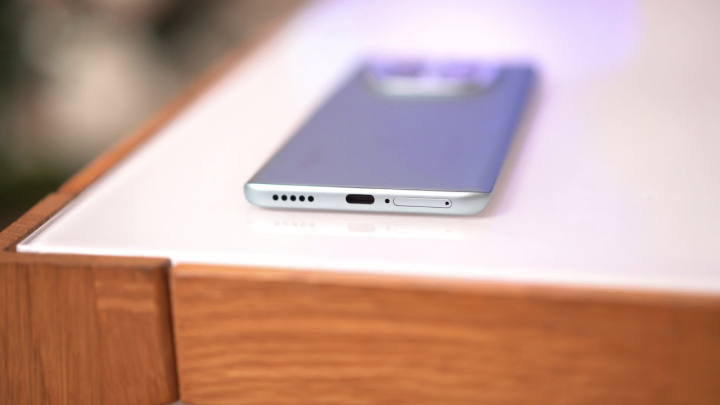
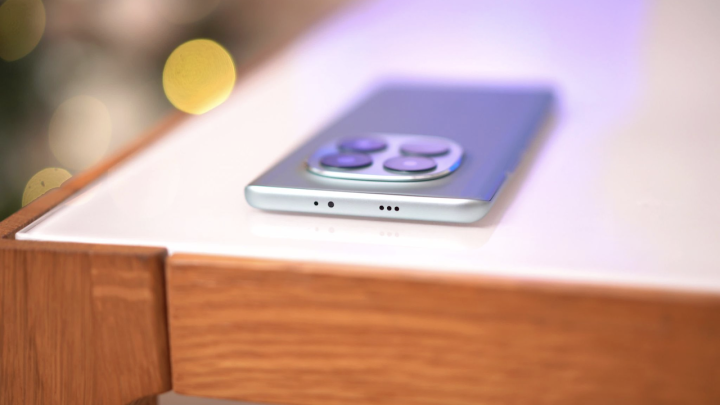
As for ports and controls, the SIM tray, primary speaker grille, and USB Type-C port are all located at the bottom. Up top, you’ll find the secondary speaker grille, microphone, and an IR blaster. The power button and volume rocker sit on the right side, while the left side remains clean and uncluttered.
Overall, the POCO M8 delivers a well-executed design that feels modern, lightweight, and durable, earning a definite plus point in my book.
Display, Multimedia and Biometrics
Now, moving on to the display and overall multimedia experience, the POCO M8 doesn’t disappoint. It features a 6.77-inch AMOLED display, which to be honest, looks like it has raised an overall level for the mid-range category. The 120Hz refresh rate makes swiping, scrolling, or just moving around the phone feel smooth as butter. It is the type of smoothness that gives an instant feel of premium quality, even if you are coming from midrange phones.
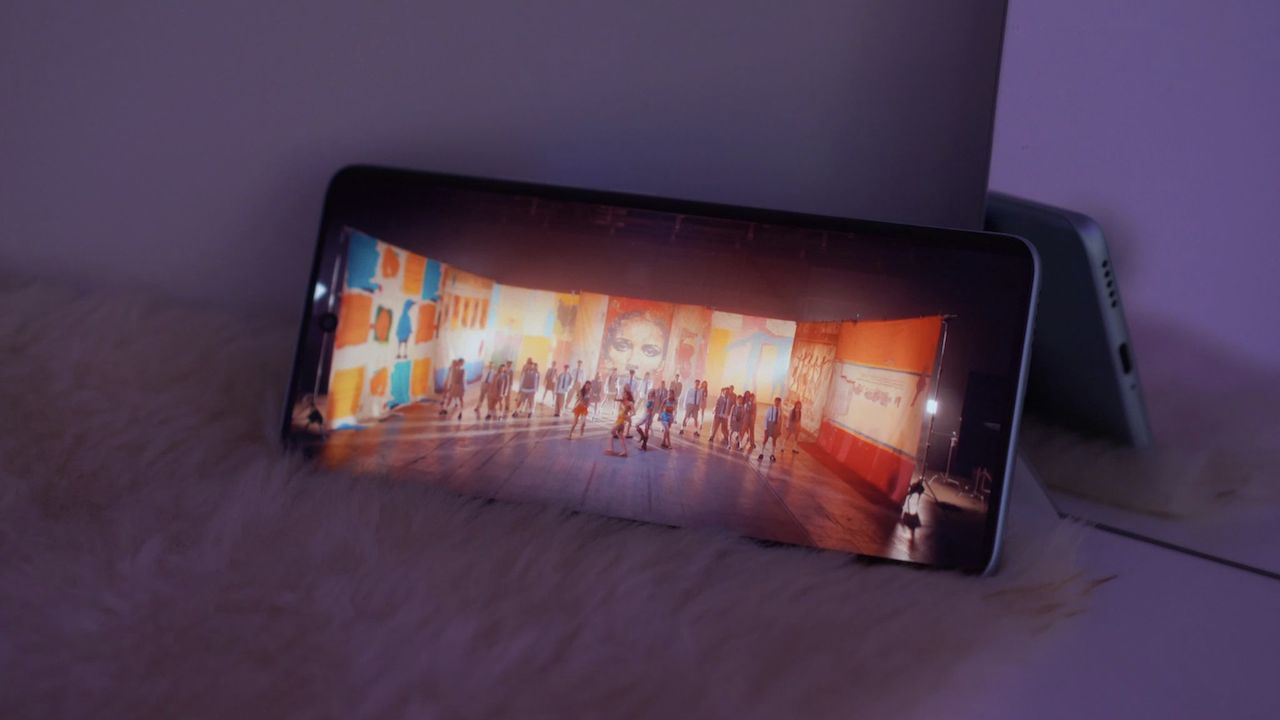 Indeed, the M8 has made every activity, such as watching movies, listening to music, seeing volleyball leagues, reading articles, or just browsing through social media platforms, very pleasurable. The curved display plus the slim bezels make it feel immersive, and that’s something you don’t always get at this price point. The display’s performance is such that it can be compared to the best in terms of brightness and clarity.
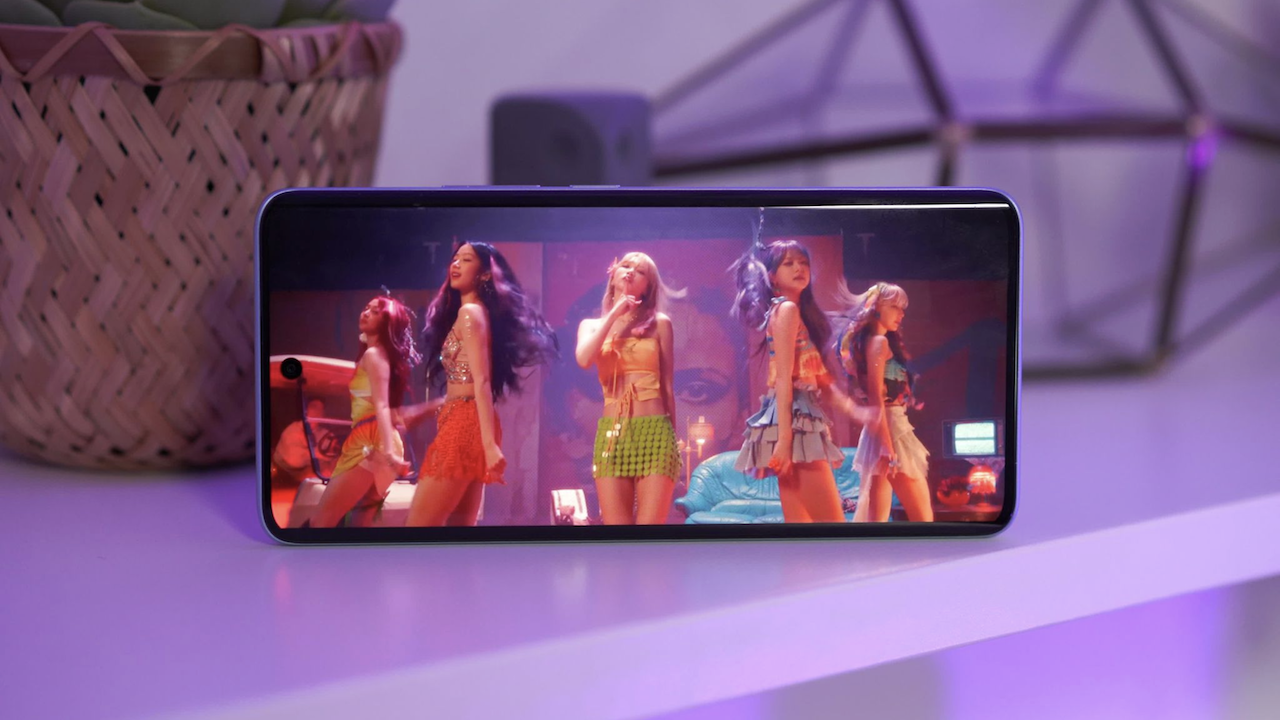 Outdoors, the POCO M8 holds up well. Brightness is sufficient even under direct sunlight, so whether you’re commuting or just strolling around, visibility won’t be an issue. That said, the audio experience is a bit of a mixed bag. Thanks to the dual stereo speakers and 300% volume support, it’s loud, but it’s not as punchy as I would’ve liked. The sound can feel a little thin at times. It’s not bad by any means, but if you’re expecting theater-level audio, you might be slightly underwhelmed.
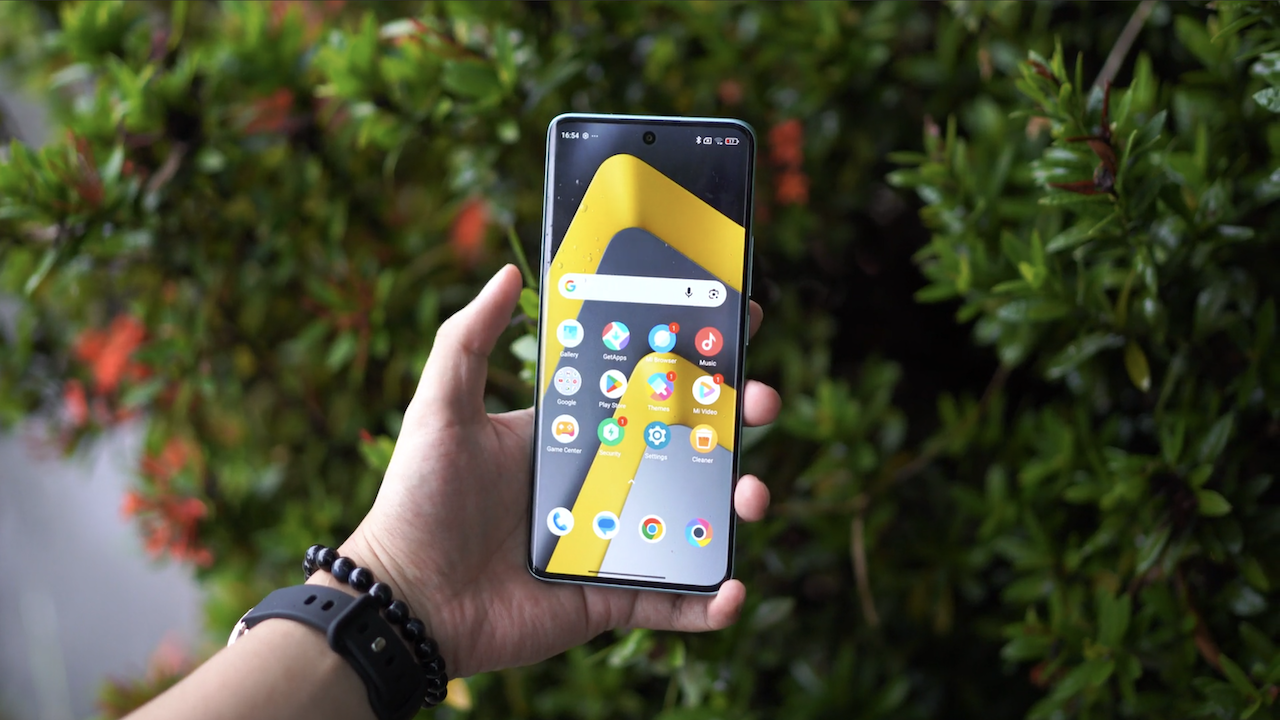
Security-wise, POCO keeps it simple and reliable. You get two things: facial recognition and an in-display fingerprint sensor that both operate well. The biometric systems have a fast response time and high reliability for daily use, which is always an added benefit.
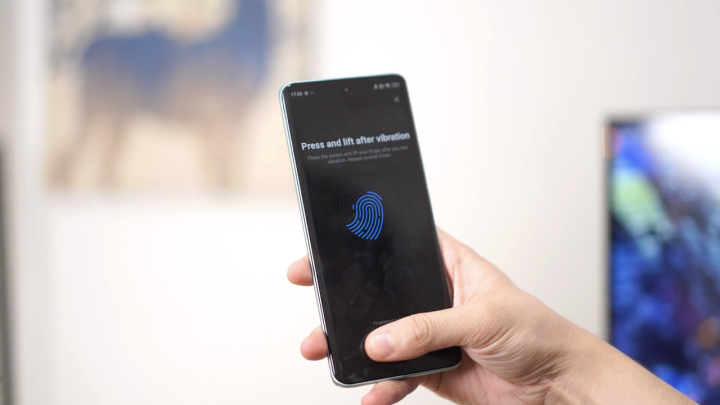
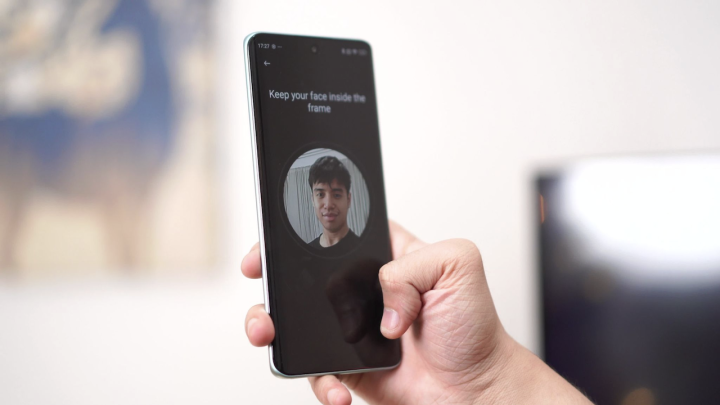
The POCO M8’s multimedia and screen performance are like the ones of a much more expensive phone. It is also one that is suitable for consumption on the go, on devices that are not so bright, colorful, and immersive. But the audio department is the only one that lacks a bit. Nonetheless, it still performs well as a media consumer no matter the location.
Cameras
Moving on to cameras, the POCO M8 sports a dual-lens rear setup. At first glance, the squircle camera island might make it look like it has four lenses, but that’s just a design trick. In reality, it features a 50MP AI main sensor paired with a 2MP auxiliary lens, along with an LED flash and another sensor tucked in there.
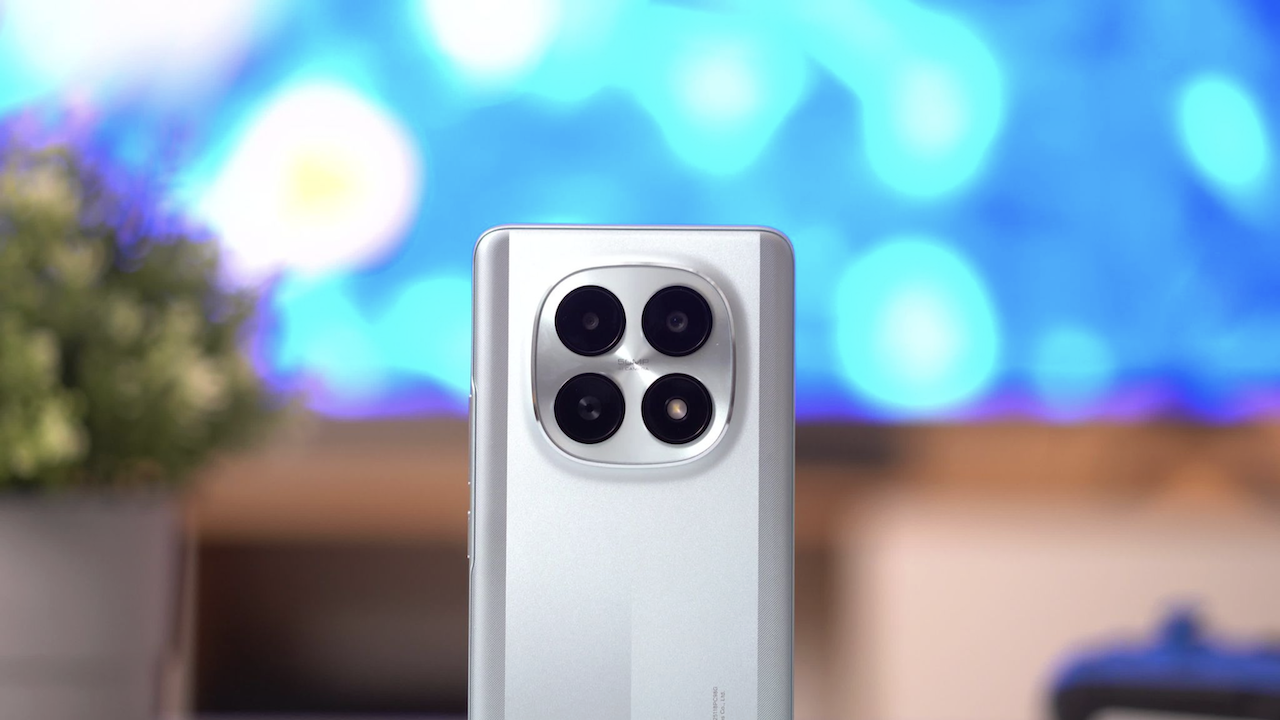
In real-world use, it takes solid photos, especially when there’s plenty of light. Colors are vibrant, and details are fairly crisp, but in low-light conditions, you might notice images turning slightly grayish. So, good lighting really helps the camera shine.
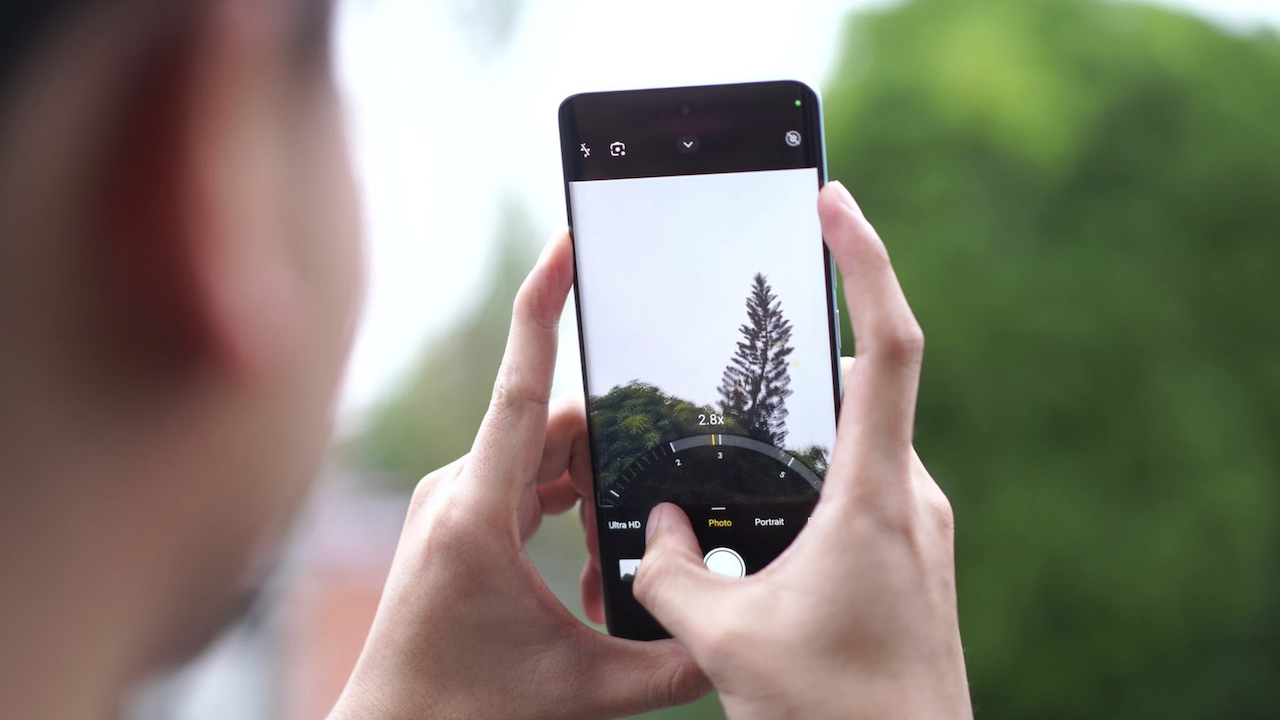
Don’t expect advanced zoom capabilities here since there’s no dedicated telephoto lens. Still, the M8 can handle close-up shots decently thanks to its AI camera, which digitally crops images to your desired size. You can zoom up to 10x digitally, but keep in mind that image clarity decreases as you push it further.
 For selfies, you get a 20MP lens in a punch-hole notch. Just like the rear camera, it performs well in good lighting, producing colorful and sharp shots. Video recording on the rear can go up to 4K at 30FPS, while the front camera maxes out at 1080p at 30FPS. Video quality is generally good, but expect some shakiness if you’re recording handheld, so a tripod or stabilizer is recommended if you plan to create content regularly.
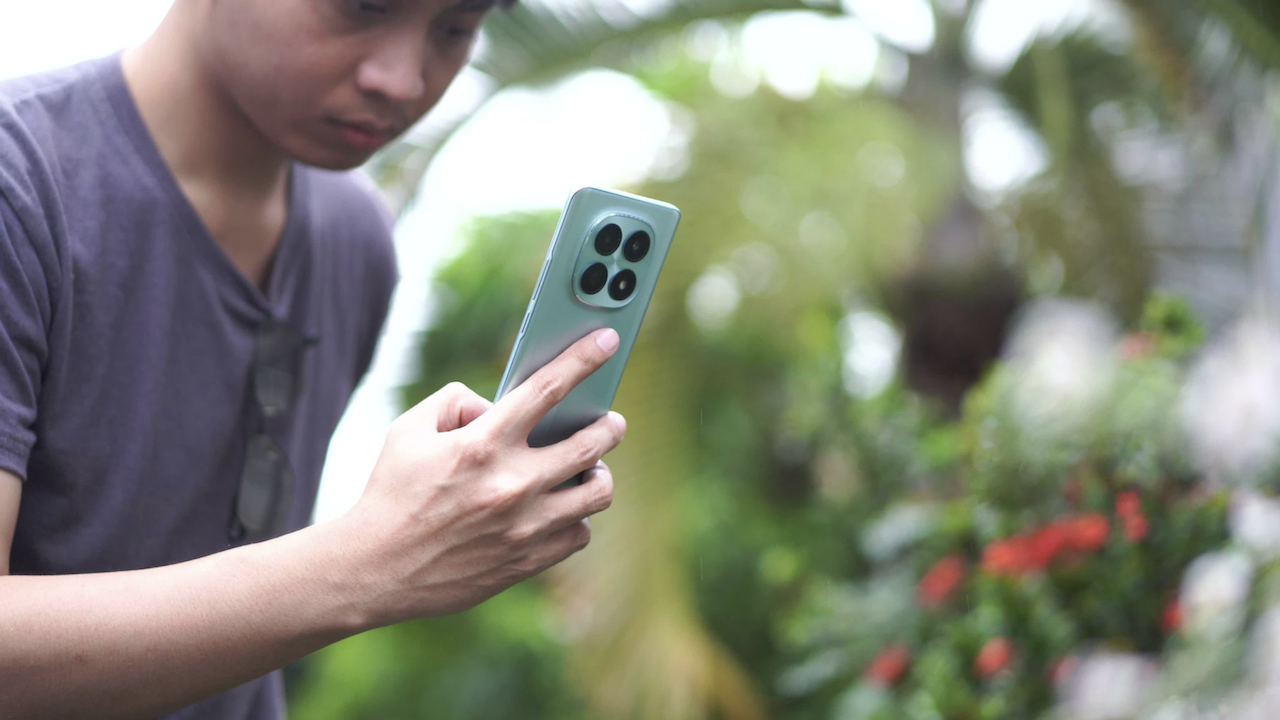 Night mode also performs surprisingly well, especially when shooting in Ultra HD. The POCO M8 also packs a handful of AI-driven features right in the gallery app, like AI Erase and AI Beautify, which can help you fine-tune your shots without needing third-party apps.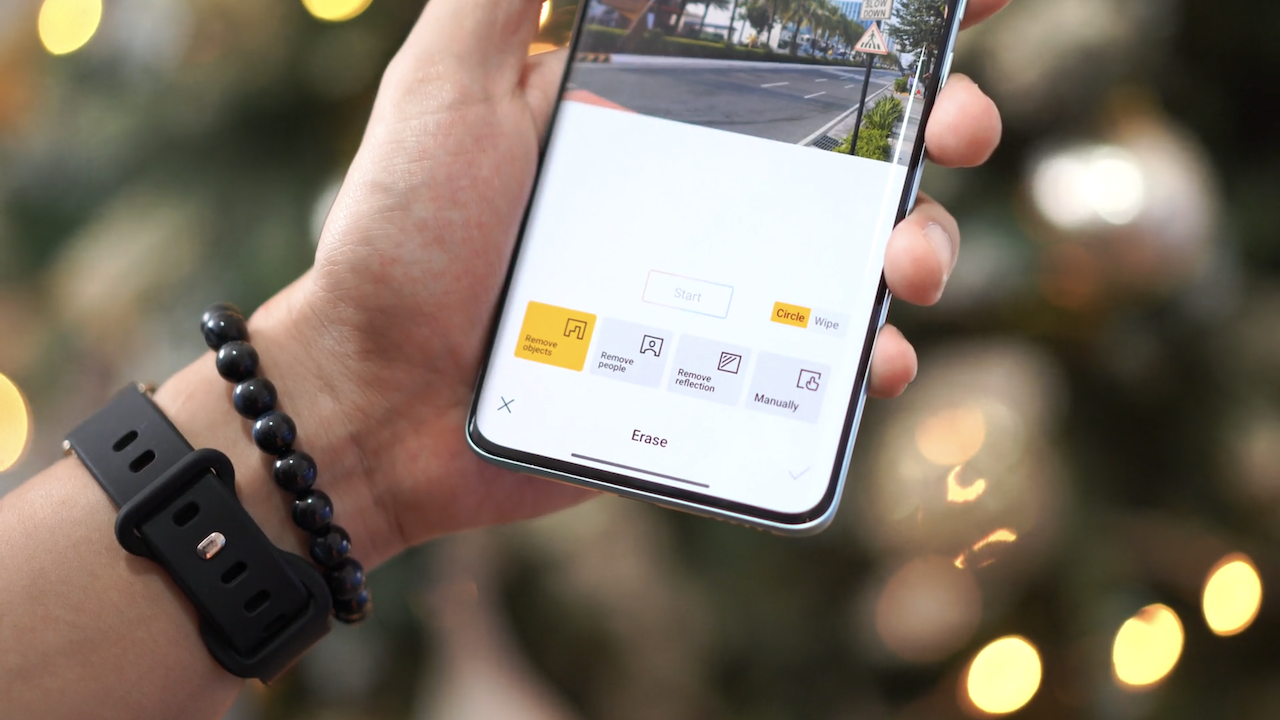
Overall, the M8’s cameras are reliable for everyday use. It’s not going to replace a flagship camera setup, but for its price, it handles photos and videos competently, with AI features that make snapping and editing easier.
And for those curious about actual sample shots? Check them out here.
POCO M8 5G
Dec 29 – 31, 2025


Performance and Benchmarks
Under the hood, the POCO M8 is powered by the Snapdragon 6 Gen 3, marking a notable jump from the M7’s Snapdragon 685. In real-world use, the difference is noticeable, the phone feels faster, smoother, and more responsive across the board.
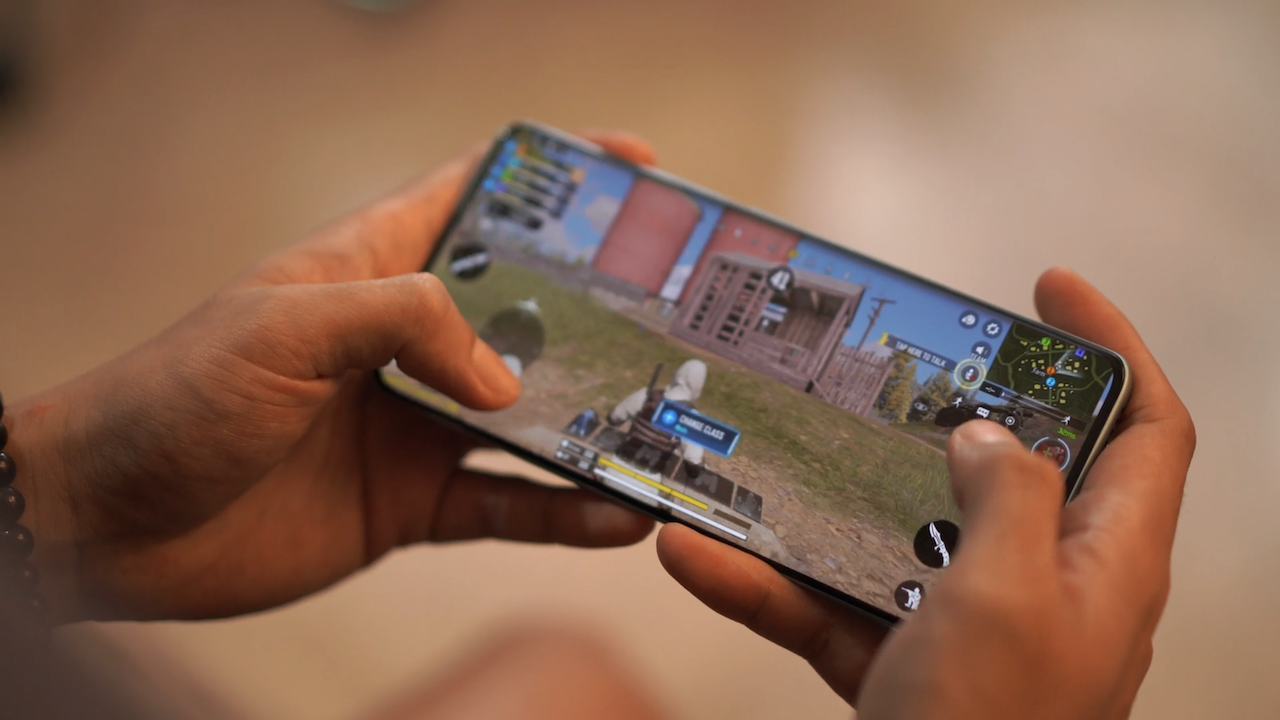 Our review unit comes with 8GB of RAM, plus an additional 6GB of virtual RAM, and a massive 512GB of internal storage. That’s more than enough space for your favorite apps and games. I spent quite some time gaming on this device, starting with my go-to, Mobile Legends.
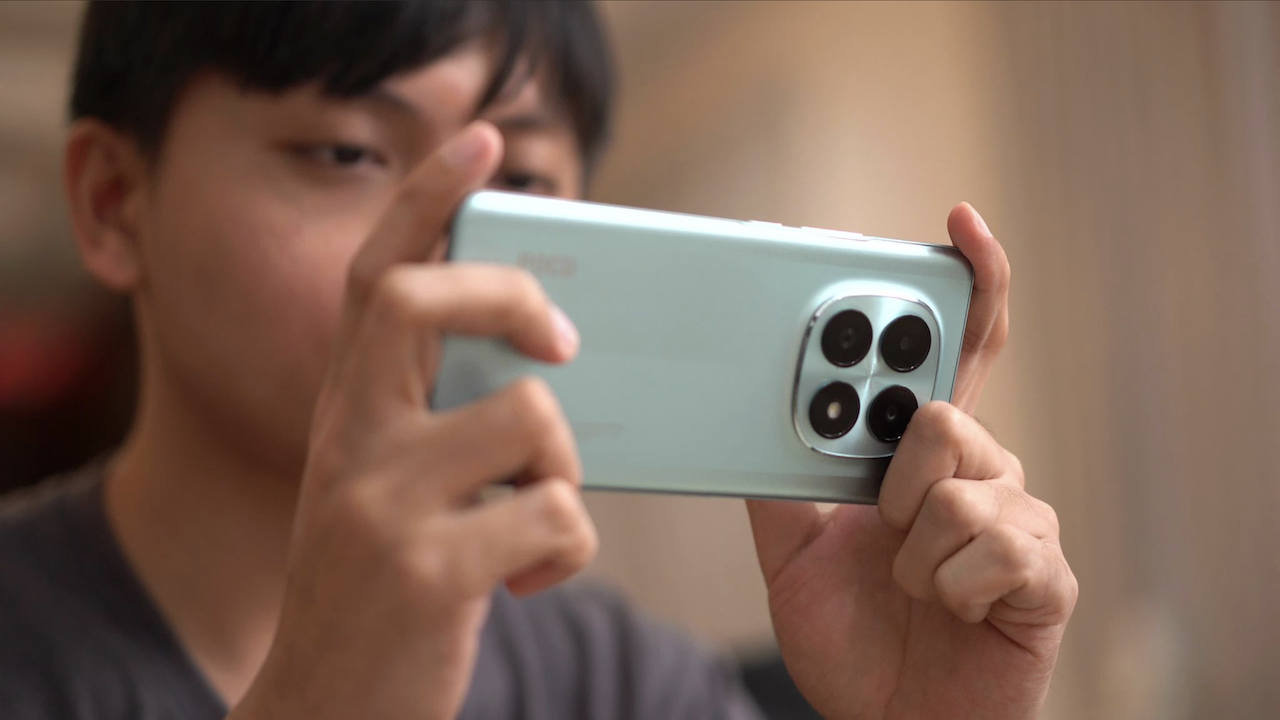
I cranked the graphics to the max and played for hours, and the experience was impressively smooth, no stutters and no hiccups. Even my cousins tried it out and were quick to compliment how efficiently the phone handled long gaming sessions.
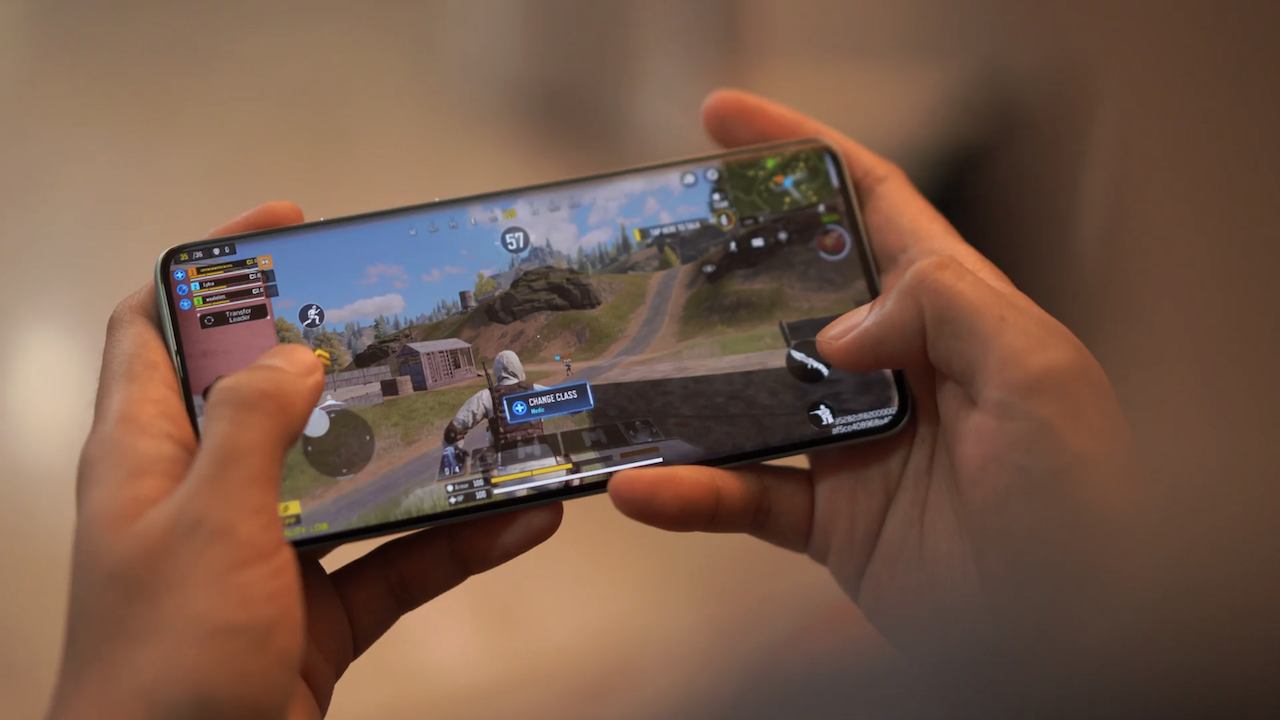 I also tested Call of Duty: Mobile, and the M8 handled it very well, providing smooth gameplay. For more graphics-intensive titles like Genshin Impact, the phone can struggle slightly. However, adjusting settings can help maintain decent performance. One thing I noticed during extended Genshin Impact sessions is that the phone warms up slightly, especially around the camera island. This is pretty normal for devices under heavy load, and personally, it didn’t feel uncomfortable, but it’s worth noting.
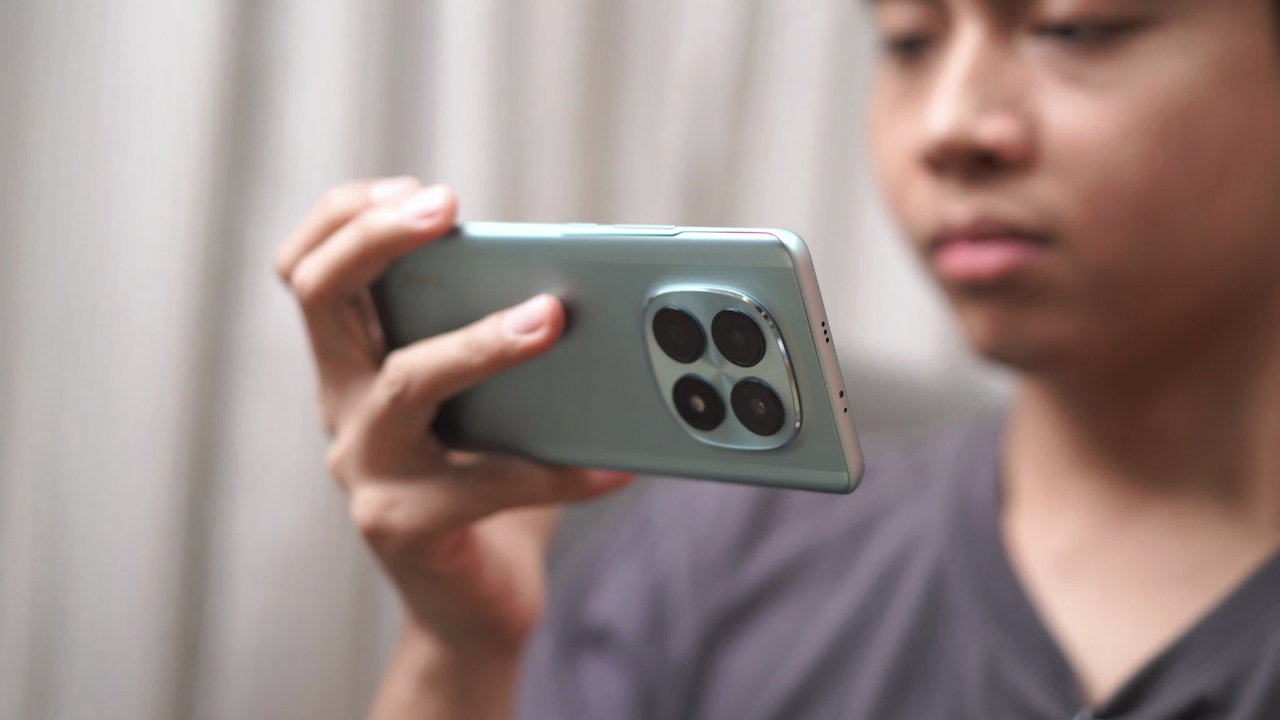 As for benchmarks, we’ve included the results below to give you a clear idea of the M8’s performance metrics. Overall, the POCO M8 delivers solid performance for casual and mid-range gaming, multitasking, and everyday use, definitely a step up from its predecessor.
| Antutu V10 | 666,148 |
|---|---|
| Antutu V10 Storage | 93,530 |
| Seq. Read | 1,071.7MB/s |
| Seq. Write | 938.7MB/s |
| Geekbench Single-Core | 1,013 |
| Geekbench Multi-Core | 2,932 |
| Geekbench OpenCL | 2,092 |
| Geekbench Vulkan | 3,336 |
| PCMark Work Performance | 11,044 |
| PCMark Battery Test | 20 Hours and 40 Minutes |
OS, Apps and UI
On the software side, the POCO M8 ships with HyperOS 2 on top of Android 15, bringing Xiaomi’s distinctive skin and ecosystem-specific features.
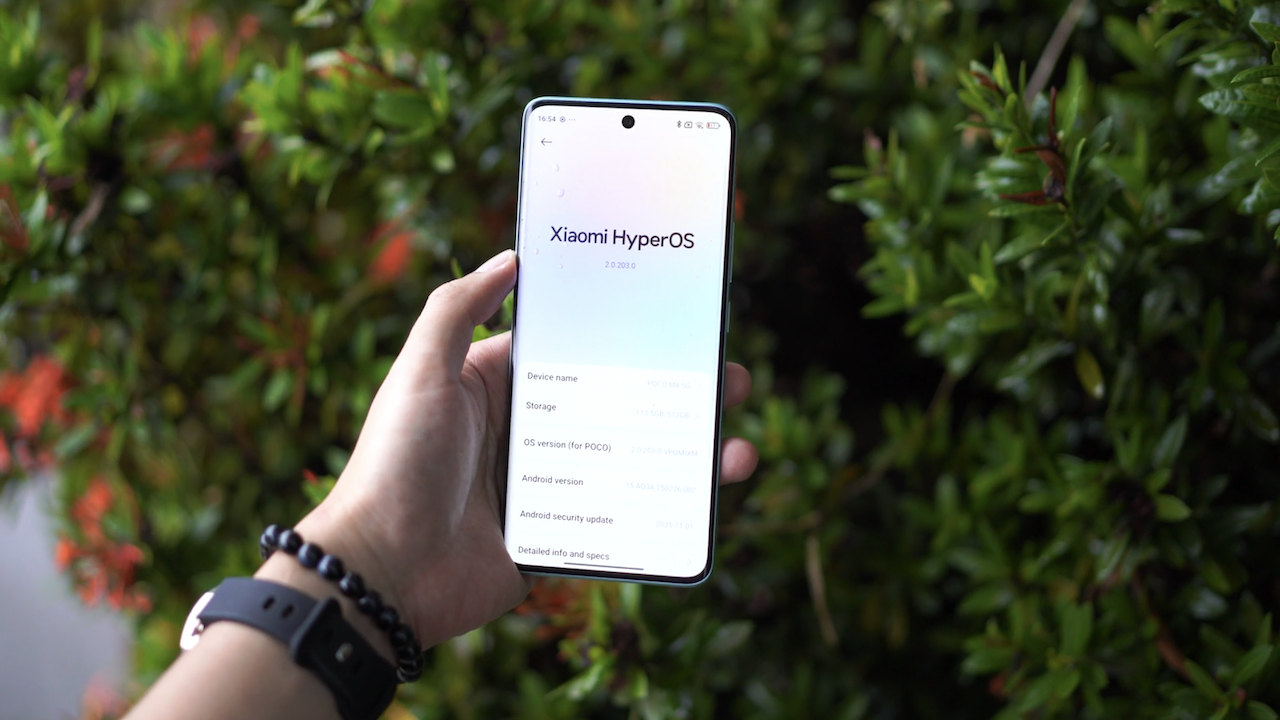
If you have experience with previous POCO phones, the interface will be very familiar to you. It is simple, clean, and intuitive with a fair amount of customization, you are allowed to change icons, wallpapers, and themes to your liking. Besides that, the overall UI experience is still pretty much the same as in the last POCO models.
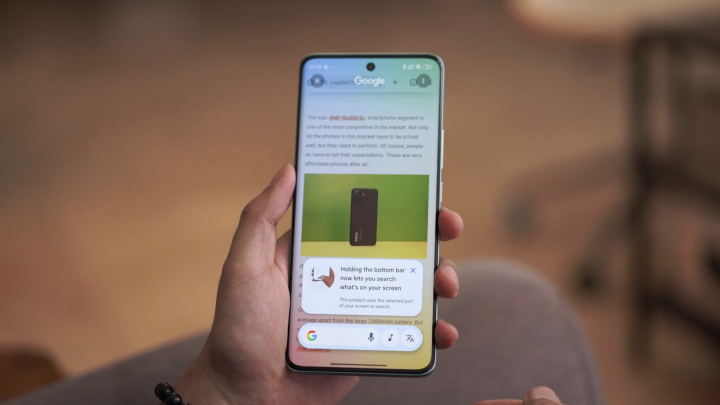
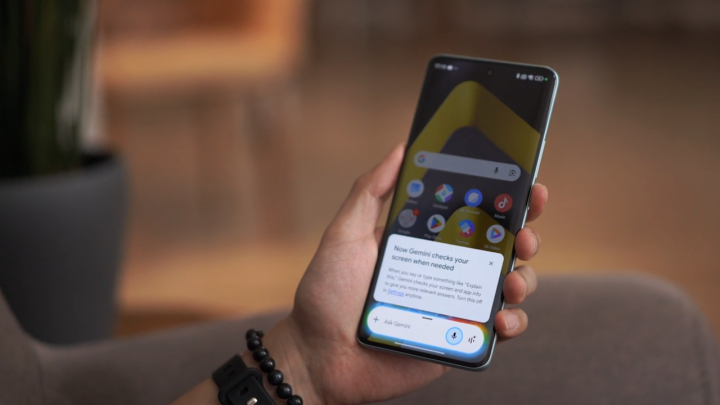
The M8 has a set of AI features as its major distinguishing point. The system has integrated tools like Circle to Search, AI Erase, and Google Gemini. If you have had a recent Redmi phone, this setup will be very much the same as they are using the same OS; thus, the AI capabilities are shared across Xiaomi’s devices and feel consistent.
For long-term support, POCO has committed to providing four years of OS updates and security patches, which is undoubtedly a nice feature in this area. It allows the users a bit of comfort as they know the device will not be obsolete very soon.
Battery
Jumping to battery life and connectivity, some of you might be wondering: why does the M8 Series have a smaller 5520mAh battery, while its predecessor packed a massive 7000mAh cell? Well, the answer lies in the phone’s slim design. With this battery, the M8 is currently the thinnest phone in the M-Series lineup.
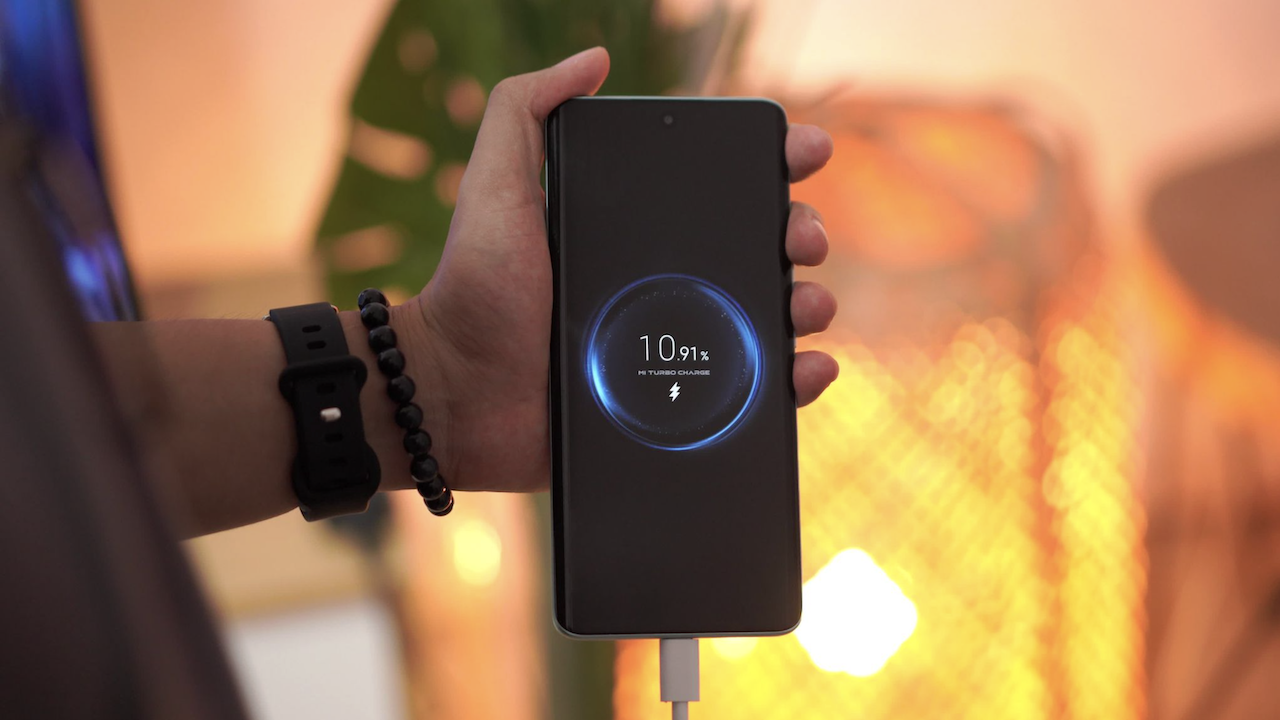
Despite the smaller capacity, don’t doubt its endurance. I always test my review units in real daily use, and the M8 easily lasted me an entire day. Whether moving from one place to another or running through daily tasks, it consistently delivered enough juice to keep me going.
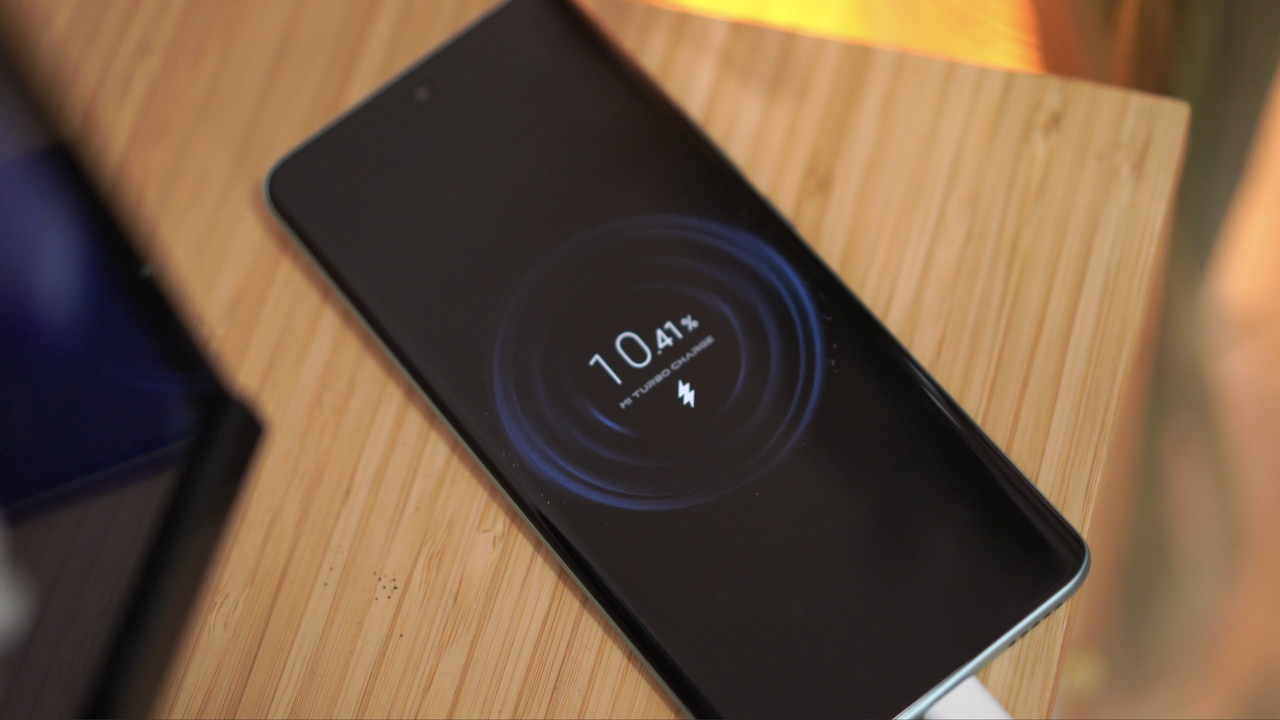
And if you ever do run low, 45W Turbo Charging quickly brings the battery back to full. On top of that, the M8 supports 18W reverse wired charging, letting you charge another device or accessory in a pinch.
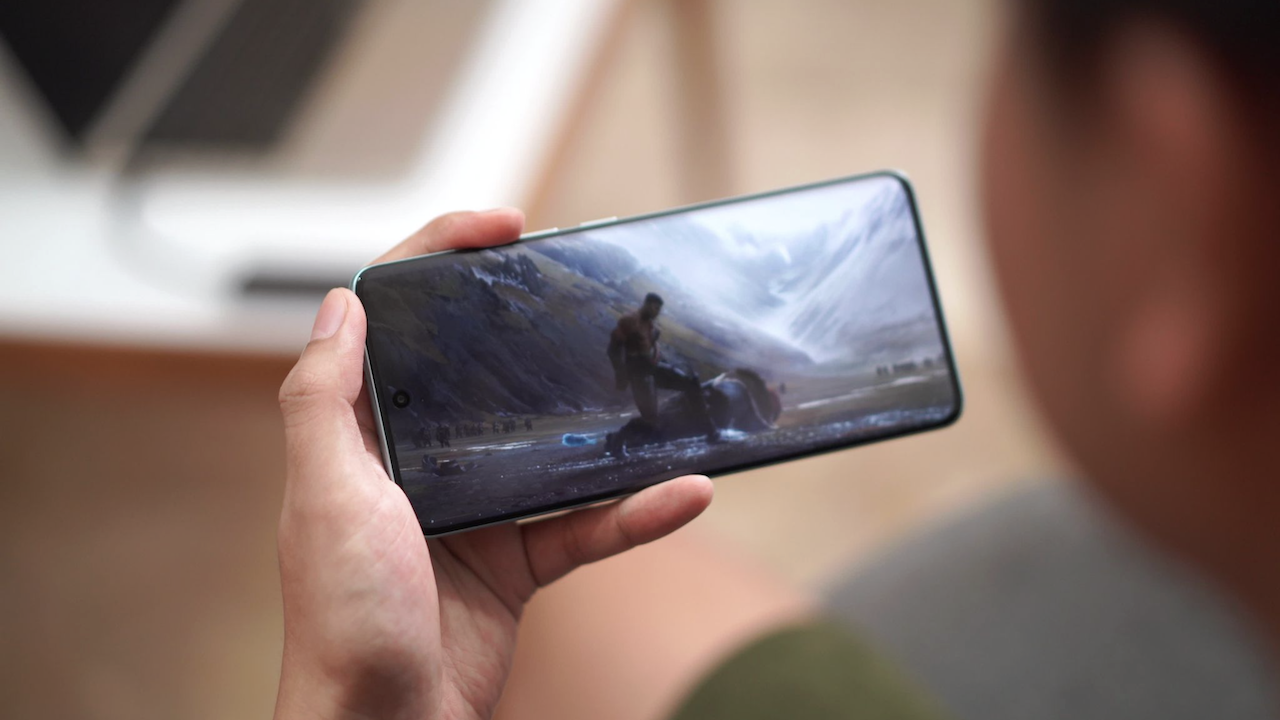 We also ran the usual PCMark Battery Test, and the phone recorded an impressive 20 hours and 40 minutes of uptime, almost on par with the M7 despite the smaller battery. Clearly, efficiency has been well-optimized.
Connectivity
As for connectivity, the M8 has you covered with the full suite: 5G, Bluetooth, GPS, NFC, and Wi-Fi, plus the ever-handy built-in IR blaster for smart home control. Overall, the POCO M8 proves that a slimmer battery doesn’t have to mean compromising on endurance or connectivity.
Conclusion
To sum up, the POCO M8 clearly indicates that the M Series has not only been about attracting price-sensitive customers but also providing a high-quality, well-rounded experience. The moment the phone is in your hand, the ultra-slim, 3D-curved design takes over your attention.
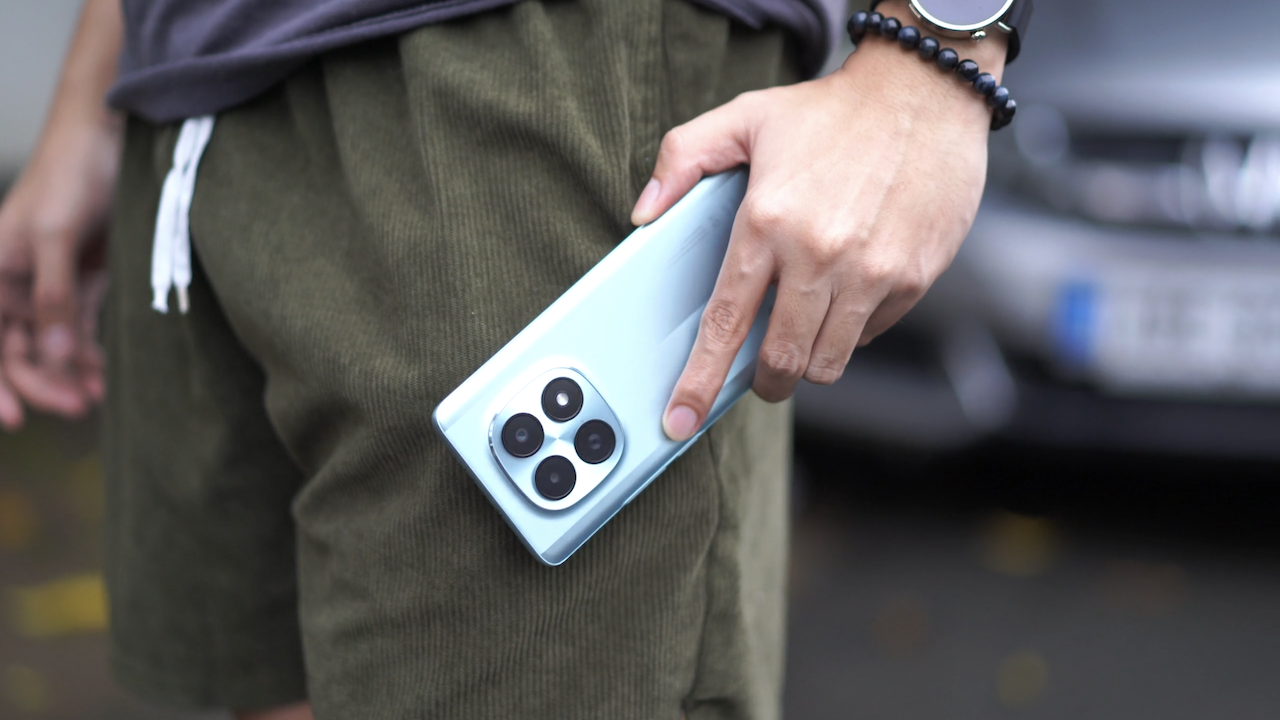 The 7.35mm thickness and 178g weight make it the most comfortable and stylish phone in the POCO lineup, giving it a premium aura in comparison with its predecessors. The experience is further escalated up to the next level by the vibrant display, smooth 5G performance, and decent battery life being the combination of these three factors.
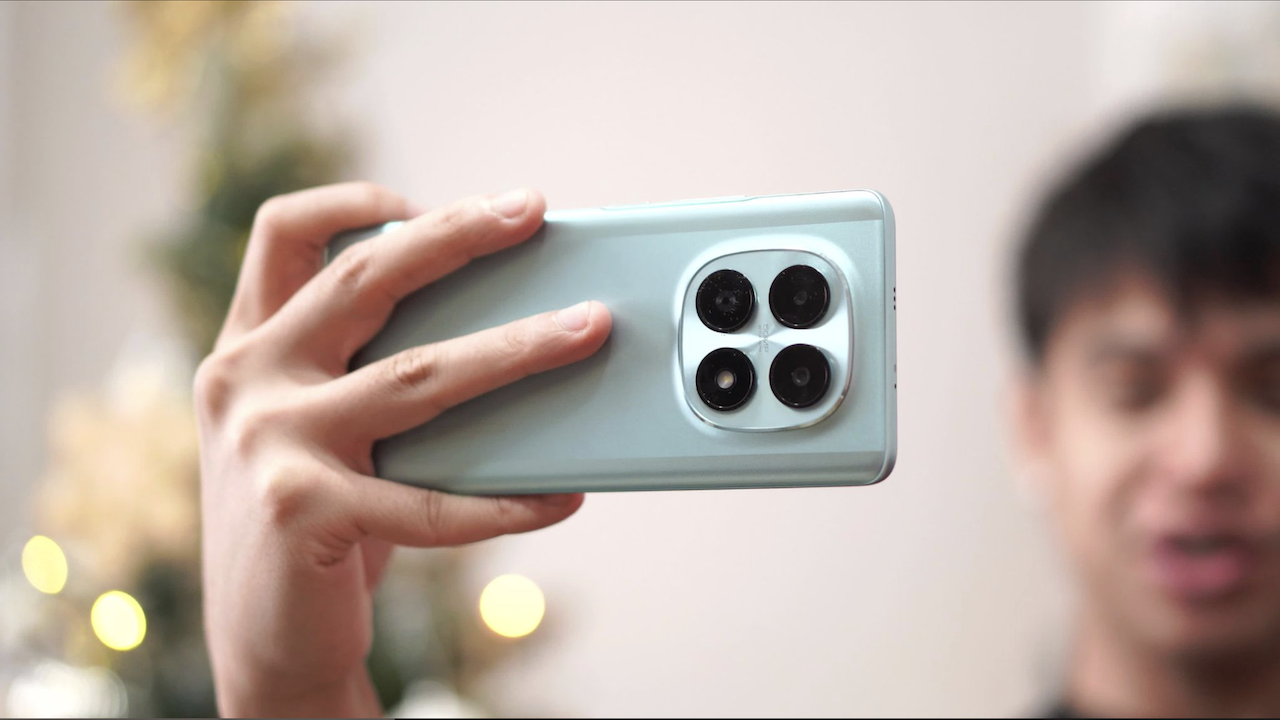
The phone is not built to be a gaming monster but it carries a healthy combination of power and efficiency, managing everyday chores and playing casual games with no problem. In conclusion, the POCO M8 is a clever device that comes along with the mobile phone features that are stylish, performant, and functional at the same time.
Official PH Pricing
Now, we’ve reached one of the most important parts of the review, pricing. To address the elephant in the room, The POCO M8 5G has a starting price of PHP 12,999 for the 8GB+256GB variant, while the higher storage capacity of 512GB will sell at PHP 14,999. Today, POCO is giving everyone a surprise with an early bird discount of PHP 10,599 (8GB +256GB) and PHP 12,329 (8GB+512GB).
POCO M8 5G specs:
- 6.77-inch AMOLED display, 120Hz Refresh Rate
- 1080 x 2392 pixels, 3200 nits peak brightness
- Qualcomm Snapdragon 6 Gen 3
- 8GB RAM
- 256GB, 512GB storage
Dual Rear Setup: - 50MP AI main sensor
- 2MP auxiliary lens
- 20MP front camera
- 5G, 4G LTE
- 2 nano SIMs + 1 microSD
- WiFi
- Bluetooth 5.1
- GPS,GALILEO, GLONASS, QZSS, BDS
- Under-display Fingerprint Scanner
- Dual stereo speakers
- IP68 dust and water resistance
- USB Type-C
- HyperOS 2 (Android 15)
- 5,520mAh battery, 45W Turbo Charging, 18W Reversed Charging
- 164 x 75.4 x 7.4 mm
- 178g
- Colorway: Black, Green, Silver


0 Comments
Leave a Reply