
This is the new POCO X8 Pro Max… sounds familiar? Well, POCO is clearly going a different route with this release. You see, this is the very first POCO X-Series model that has a “Max” in its name.

We’ve known about the POCO X8 Pro for a while now, the Pro Max variant doesn’t just mean a bigger screen, it also means a more powerful chipset and a bigger battery.
But besides going for an Apple-like naming scheme, what does the POCO X8 Pro Max bring to the table? Let’s find out in this review.
Design and Construction
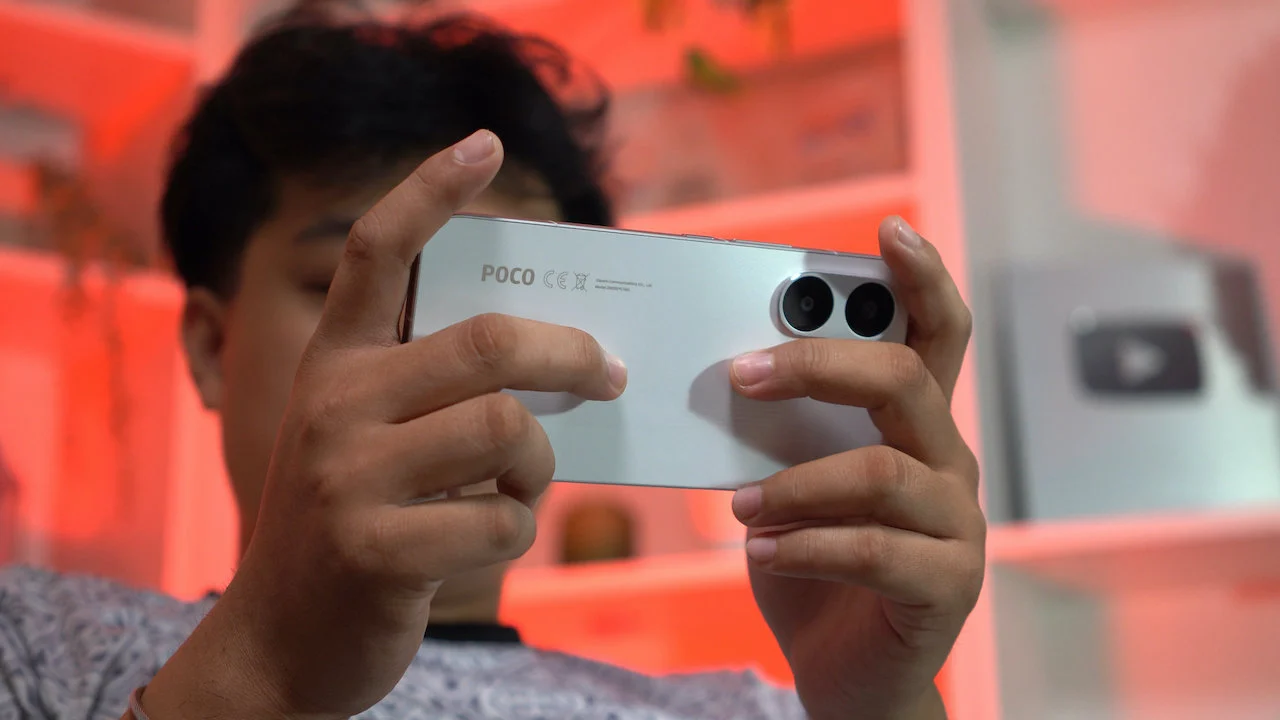
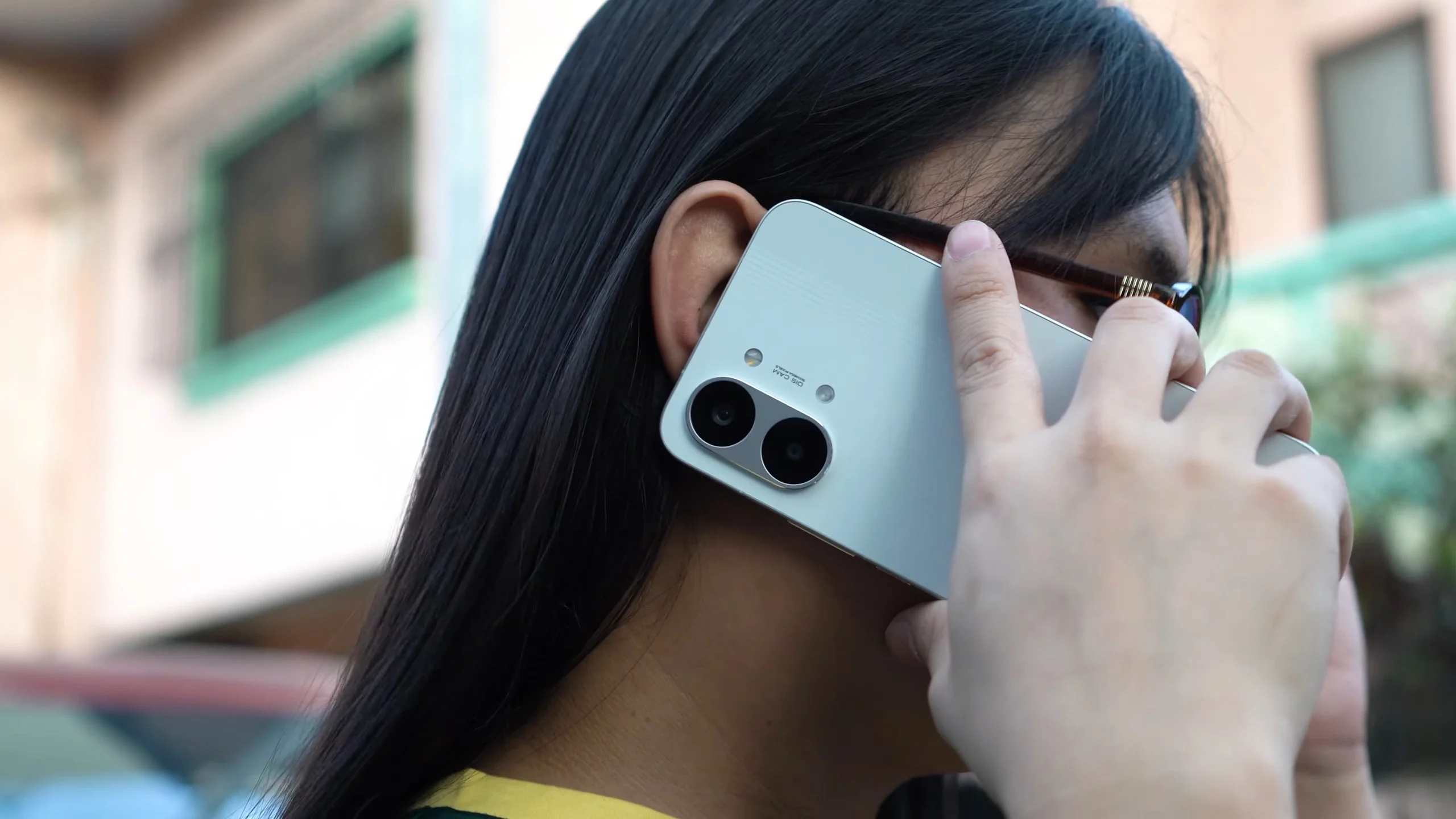
So, not only does the naming scheme sound familiar, but the looks are also pretty much the same case, too. The POCO X8 Pro Max reminds me a lot of the base iPhone 17, although, technically, the design is just a carryover from last year’s POCO X7 Pro.
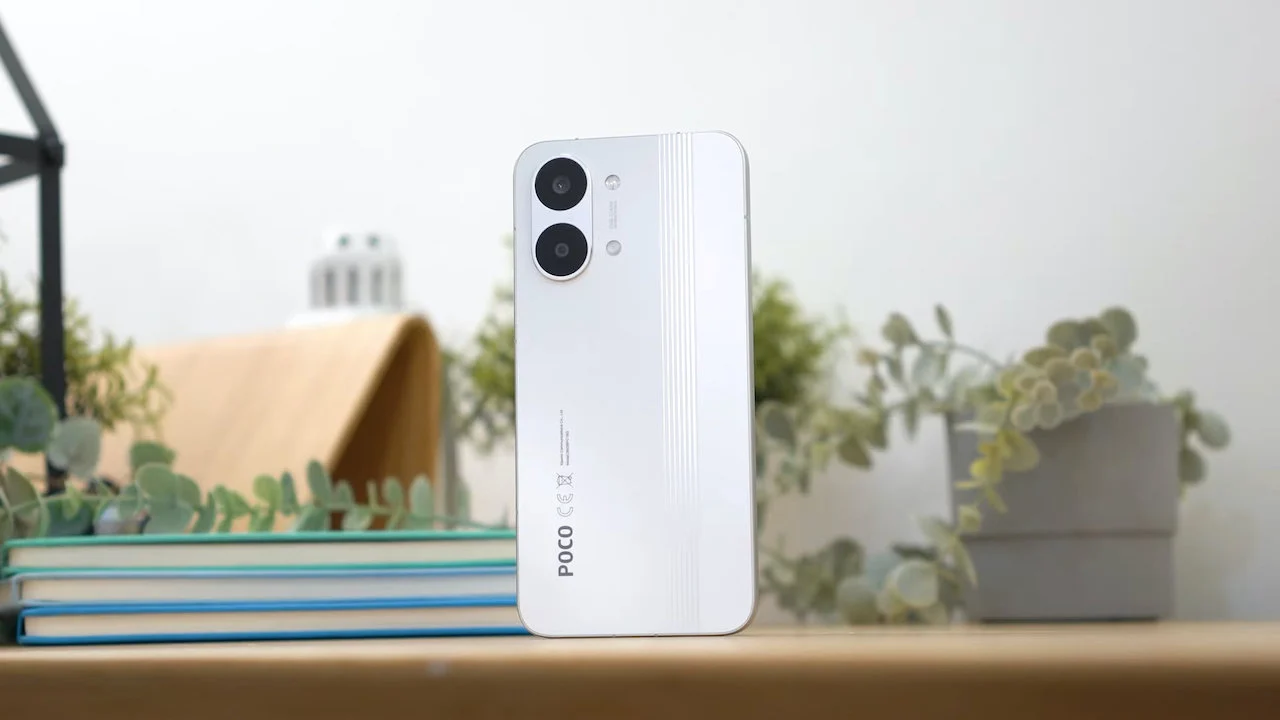
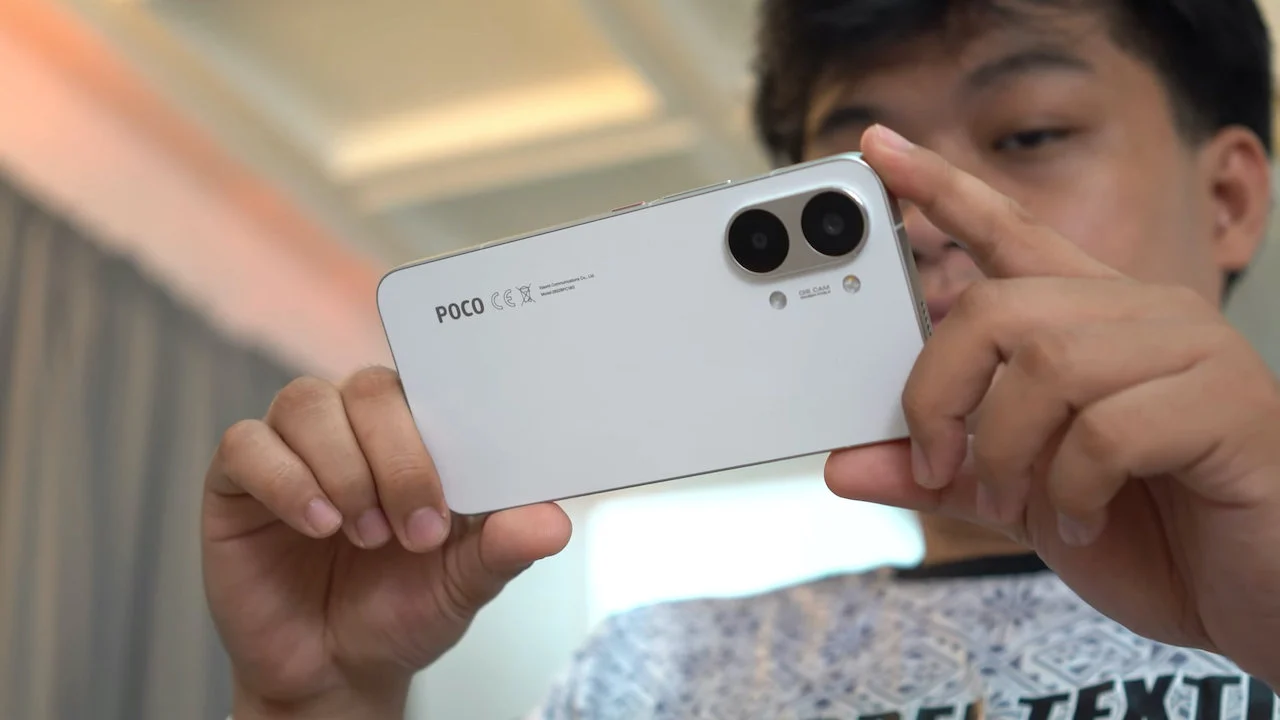
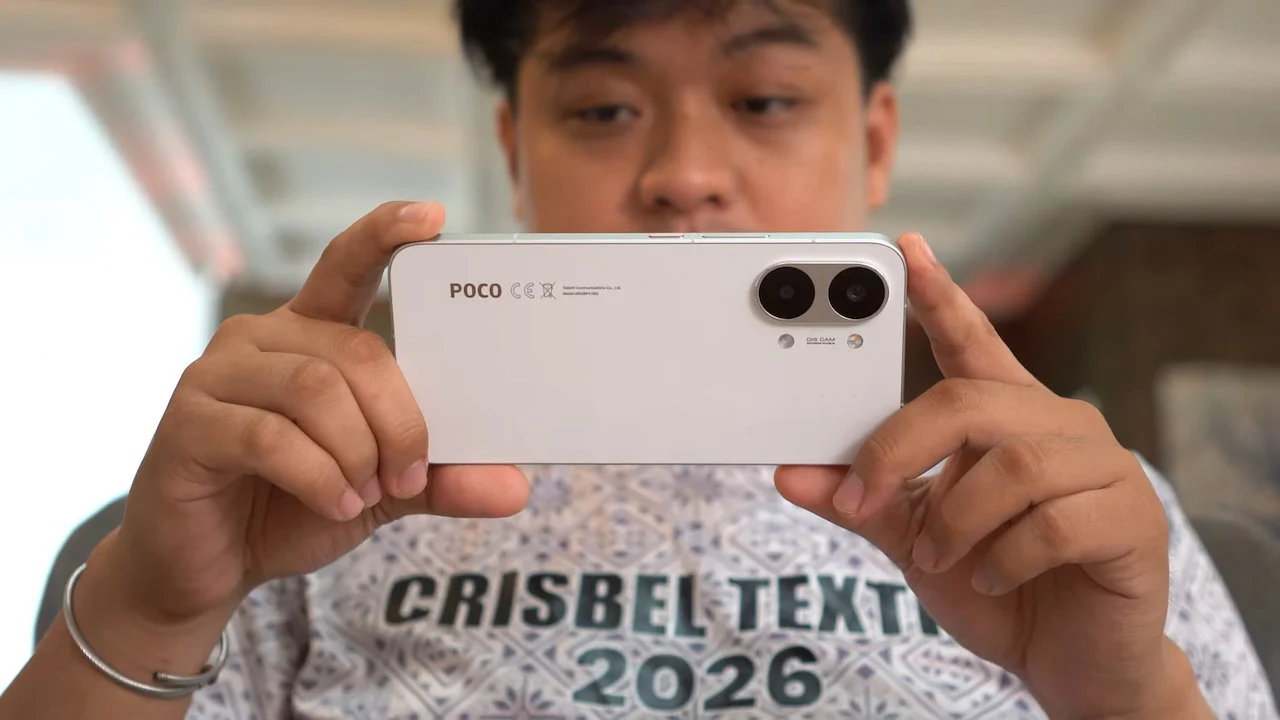
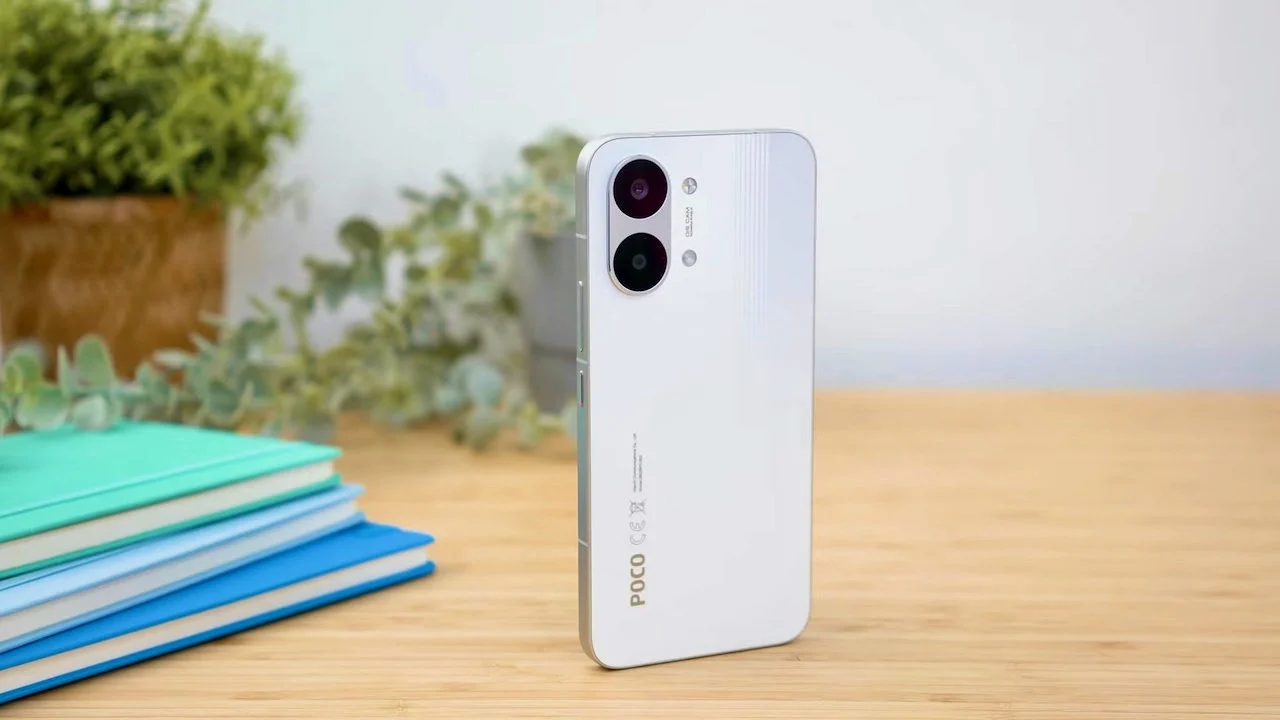
There’s the pill-shaped camera deco on the upper left corner, but the lenses are now leveled with the raised module itself. And instead of a more obvious two-tone finish, it looks to have a one whole slab with some subtle decorative lines on the right side.
Our unit is in the White colorway sporting a satin-like finish and while it is fairly resistant to smudges, the material feels plasticky in hand. It does have a flat-edge design, and the frame does feel metallic to the touch.
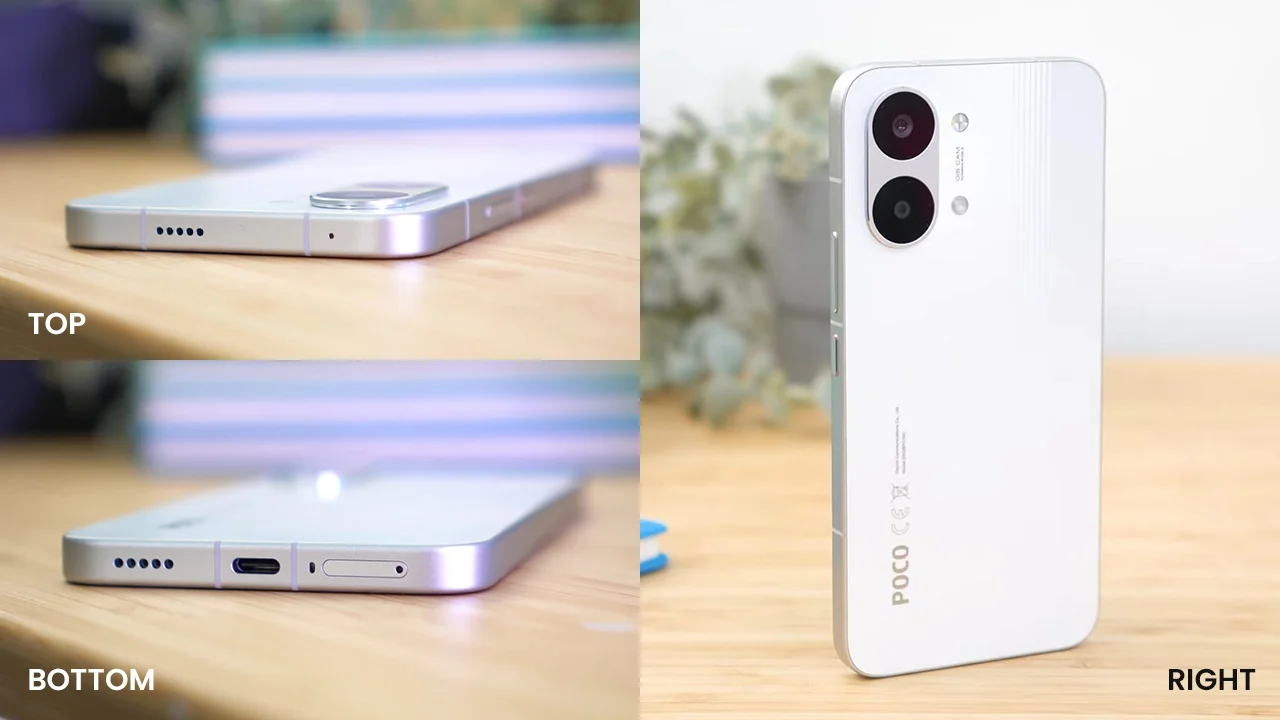
For I/Os, we have the usual layout here: a color-accented power button and volume rocker are on the right; one of the speakers and a mic up top; the SIM tray, another mic, the USB-C port and another speaker grill are found at the bottom; and there’s nothing on the left side.
Of course, there’s an IR blaster here, but it’s hidden somewhere on the back panel, probably on or beside the camera deco.
Now, in terms of extra protection, I’m happy to report that the POCO X8 Pro Max is IP68-rated for dust and water resistance.
Display, Multimedia, and Biometrics
Now, this phone being a Pro Max version, of course it boasts a larger 6.83-inch AMOLED display with a 1.5K resolution and 120Hz refresh rate.
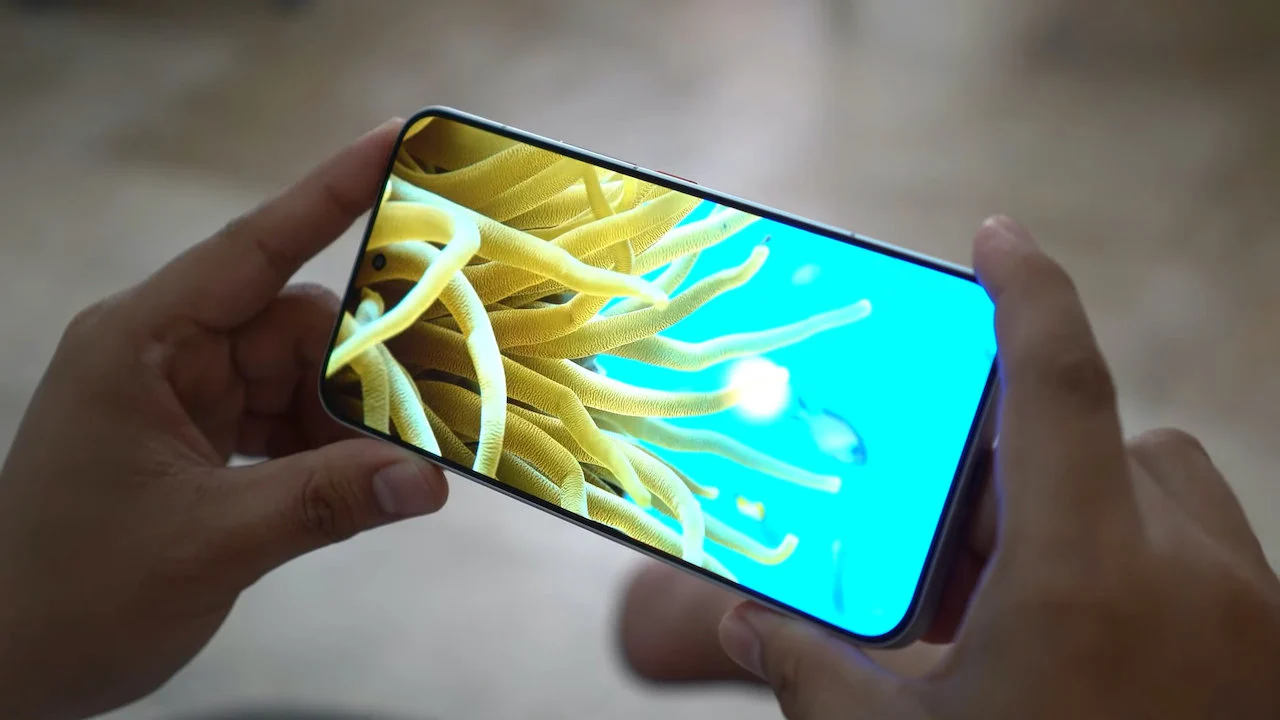
It has a peak brightness of 3500 nits, typical brightness at 800 nits, and in high brightness mode or HBM, it can go up to 2000 nits. That means when I was using this phone outdoors, I could still see the screen clearly.
No complaints here whatsoever. The screen offers sharp details, vibrant colors, and deep true blacks. I also like how thin and uniform the bezels are. It just makes the large screen more immersive.
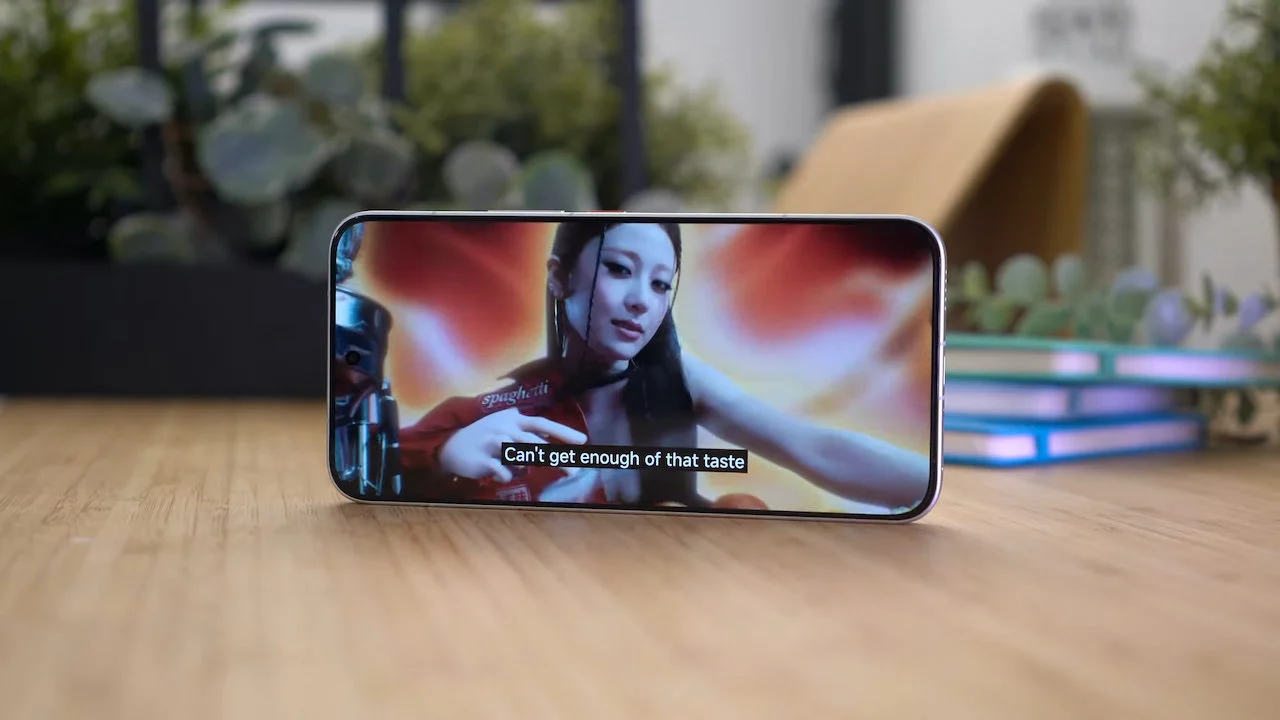
Speaking of immersion, the phone supports dual stereo audio with Dolby Atmos support, and the audio quality is decent, but it’s loud for the most part. The highs come through clearly, although the mids could get a little more presence, and the bass doesn’t have a lot of punch, but you can still hear it quite a bit.
The audio is loud enough and can fill a small room, it even has up to 400% volume, but the audio gets muffled at that point, so I usually set the volume a notch below 100%.
In case you’re wondering, there’s also a Gorilla Glass 7i on top, providing some degree of scratch resistance.
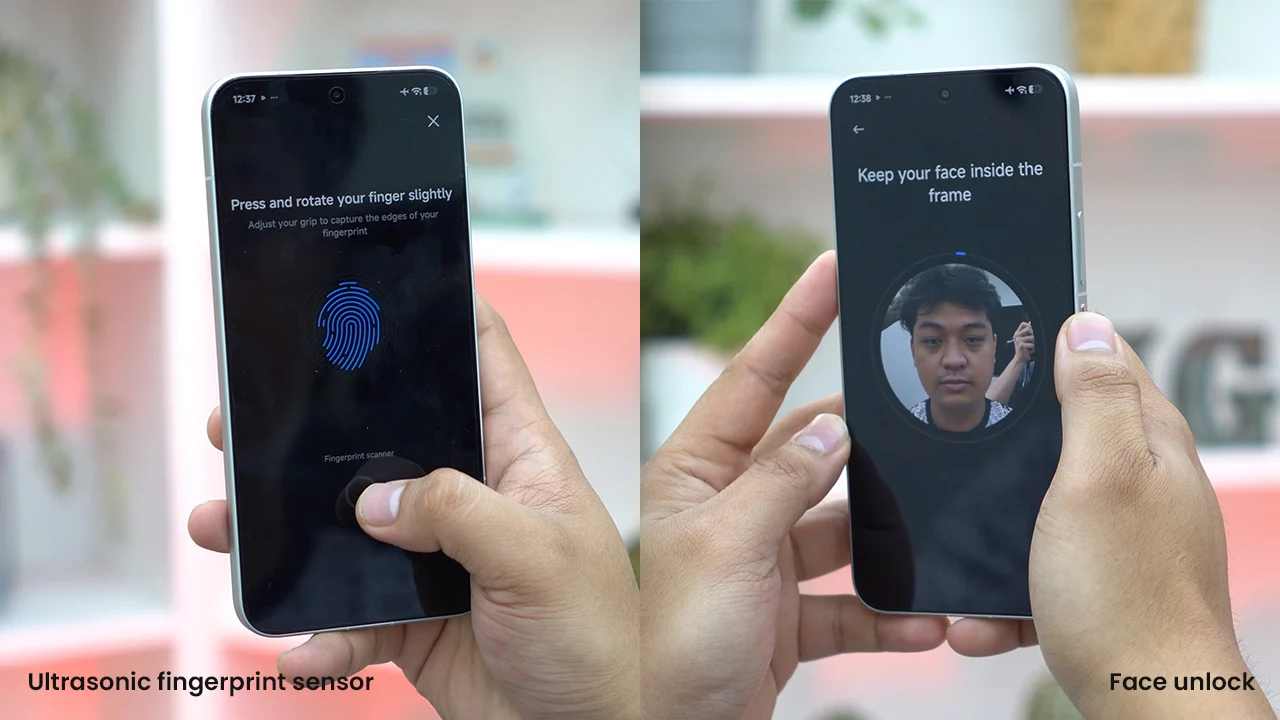
For biometrics security, the phone handles both face unlock and under-display fingerprint sensor. Notably, it’s already using an ultrasonic sensor, so it’s more reliable and a tad bit faster at reading my print, unlocking the phone almost instantly. So, that’s a plus.
Cameras
Moving on to cameras, I’m afraid the “Pro Max” moniker doesn’t really apply here. Because just like the POCO X8 Pro, the X8 Pro Max has the exact dual rear setup, except for having a more capable main sensor.
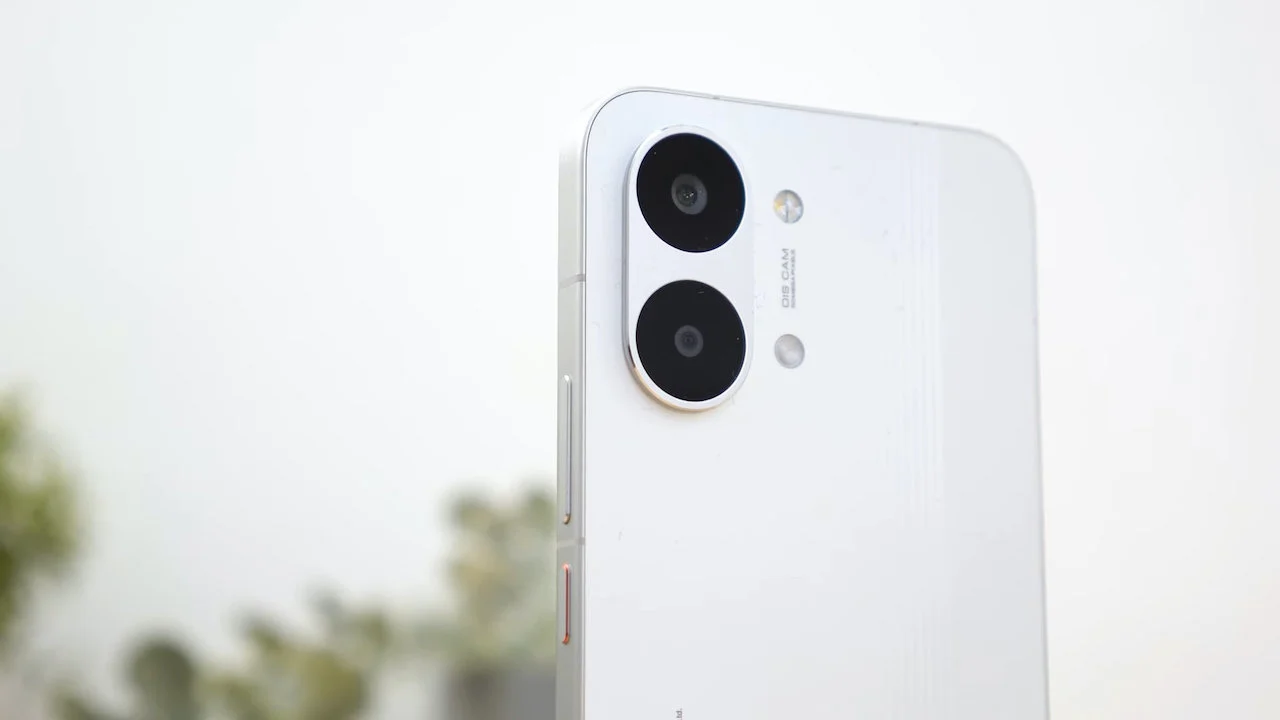
It has a 50-megapixel main shooter (Light Fusion 600) with OIS support alongside an 8-megapixel ultrawide lens. Up front, there’s the 20-megapixel selfie camera.
Looking at our sample shots, the image quality looks nice, especially with images taken from the main camera. The clarity is on point with accurate color reproduction, and surprisingly good dynamic range.
POCO X8 Pro Max sample shots
Monday, Mar 9


Portrait shots look great with natural-looking bokeh and have a good subject and background separation.
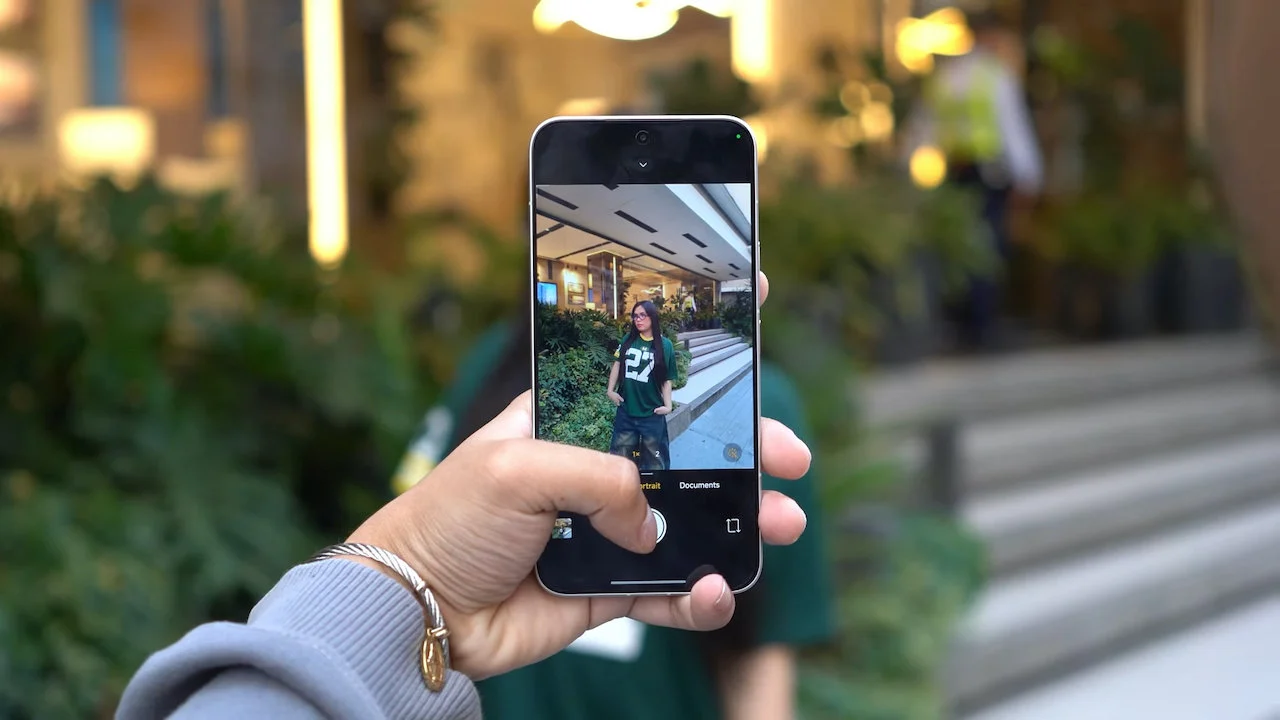
I like that the colors are consistent even at different zoom levels, and the ultrawide lens can actually capture nice wide-angle shots with decent clarity. Selfies look nice too, providing fairly accurate skin color and texture.
Weirdly enough, the video capture looks a little bit dull and dimmer, almost like a gray filter. The phone can shoot 4K videos at 60 fps from the rear, and both the ultrawide and selfie cameras are capped to 1080p, 30 fps.
Overall, the video quality is still mostly good with decent clarity and well-stabilized footage. Although keep in mind that it can get a little dimmer, and I just hope that it gets fixed in future updates.
Performance and Benchmarks
Now, moving on to performance, this is where the POCO X8 Pro Max starts to brag some rights.
Under the hood, it boasts the MediaTek Dimensity 9500s, which is a 3-nanometer chip. So, we’re expecting some flagship-level performance here.
Our benchmark results can actually vouch for us with the phone getting over 3 million points in AnTutu version 11. It even gets good graphical performance with its 3DMark Wild Life result being “MAXED OUT” and its Wild Life Extreme result averaging about 37 FPS.
| Benchmark | POCO X8 Pro Max |
|---|---|
| Chipset | MediaTek Dimensity 9500s |
| AnTuTu V11 | 3,020,363 |
| AnTuTu Storage V11 | 211,391 |
| S.Read Speed | 3336.9 MB/s |
| S.Write Speed | 3253.4 MB/s |
| 3DMark Wild Life | MAXED OUT |
| 3DMark Wild Life Extreme | 6,249 | Avg. FPS: 37.42 |
| Geekbench 6 CPU Single-Core | 2,608 |
| Geekbench 6 CPU Multi-Core | 8,343 |
| Geekbench 6 GPU OpenCL | 18,844 |
| Geekbench 6 GPU Vulkan | 20,609 |
| PCMark Work 3.0 performance | 18,133 |
| Video loop test | 33 hrs & 20 mins |
Setting the numbers aside. Doing productivity tasks, multi-tasking, and especially gaming- the POCO X8 Pro Max had no sweat juggling those.
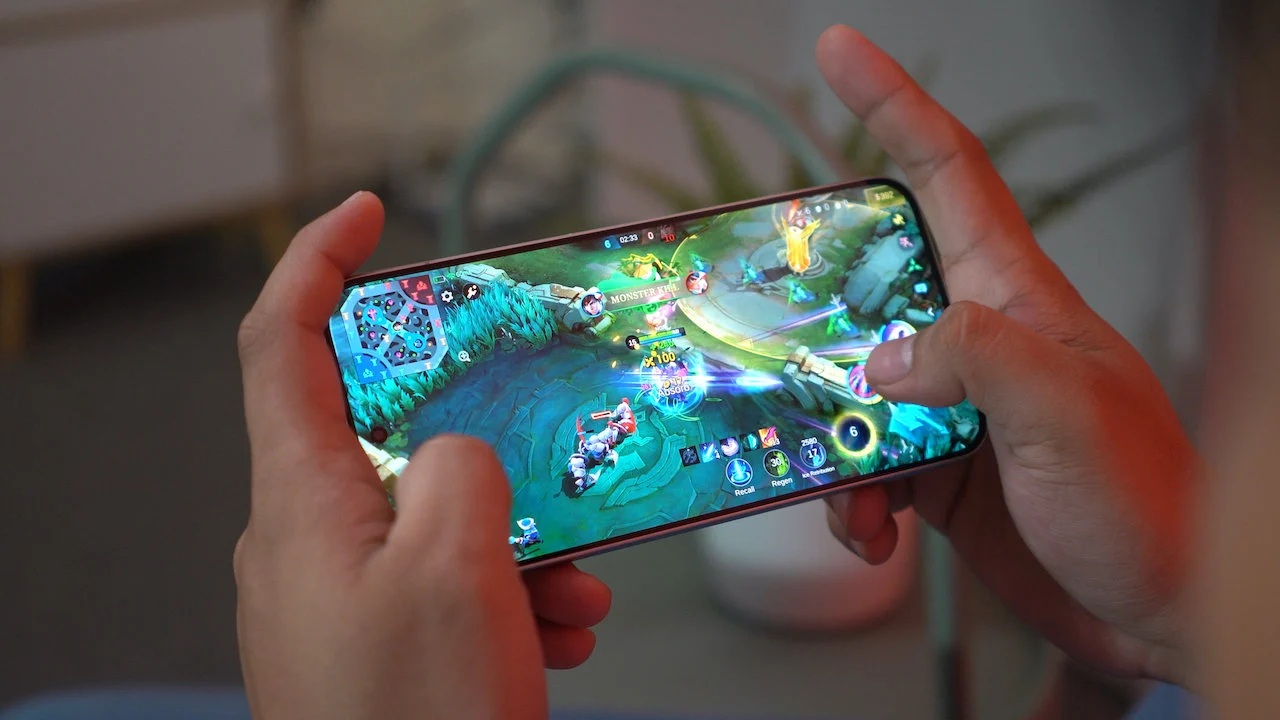
Casual games like Mobile Legends ran smoothly at up to 120 FPS with High graphics settings enabled. And the more demanding ones like Wuthering Waves also ran decently at 60 FPS even at Maxed out graphical settings.
The phone does heat up quite a bit, as expected from tweaking the graphics to the highest settings possible. So, I’d suggest keeping them at Medium settings to avoid overheating.
OS, UI, and Apps
Onto the software side, the POCO X8 Pro Max ships with HyperOS 3 based on Android 16. This being a POCO phone though, expect some heavy ads and bloatware here and there.
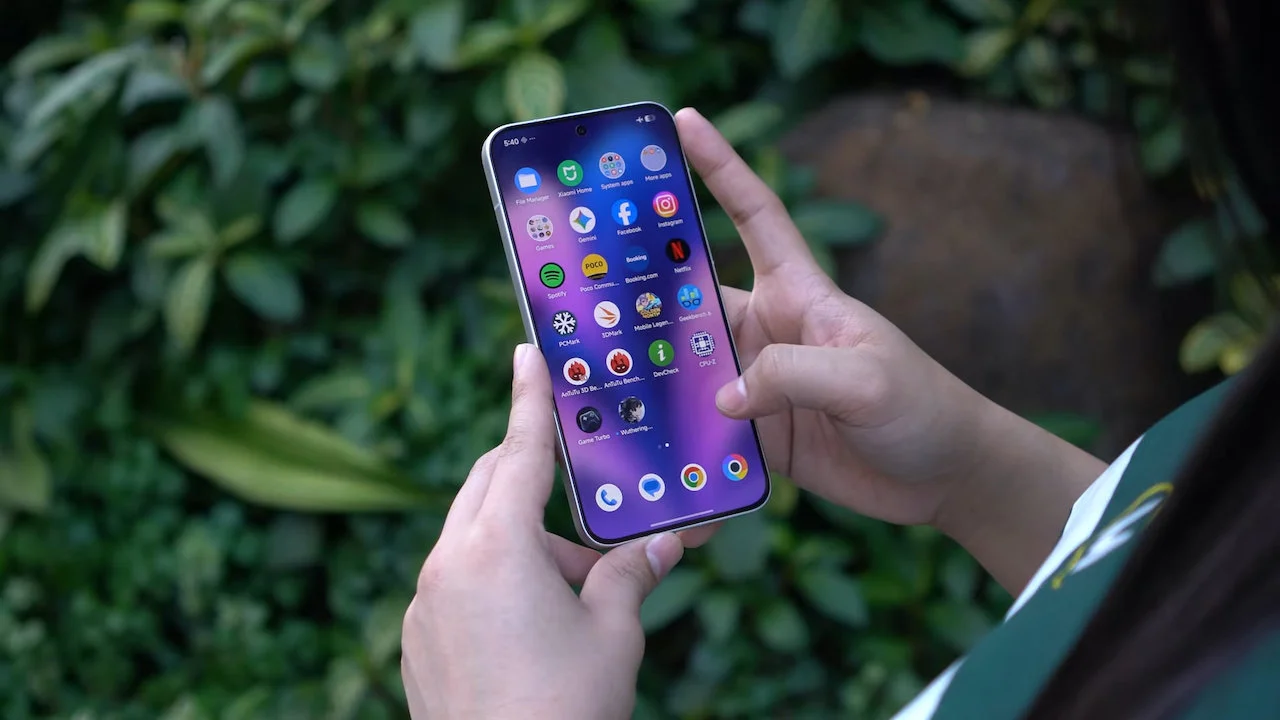
The UI design is pretty much the same inspired look as before, though it gets smoother animations and more customization options, especially in the lock screen.
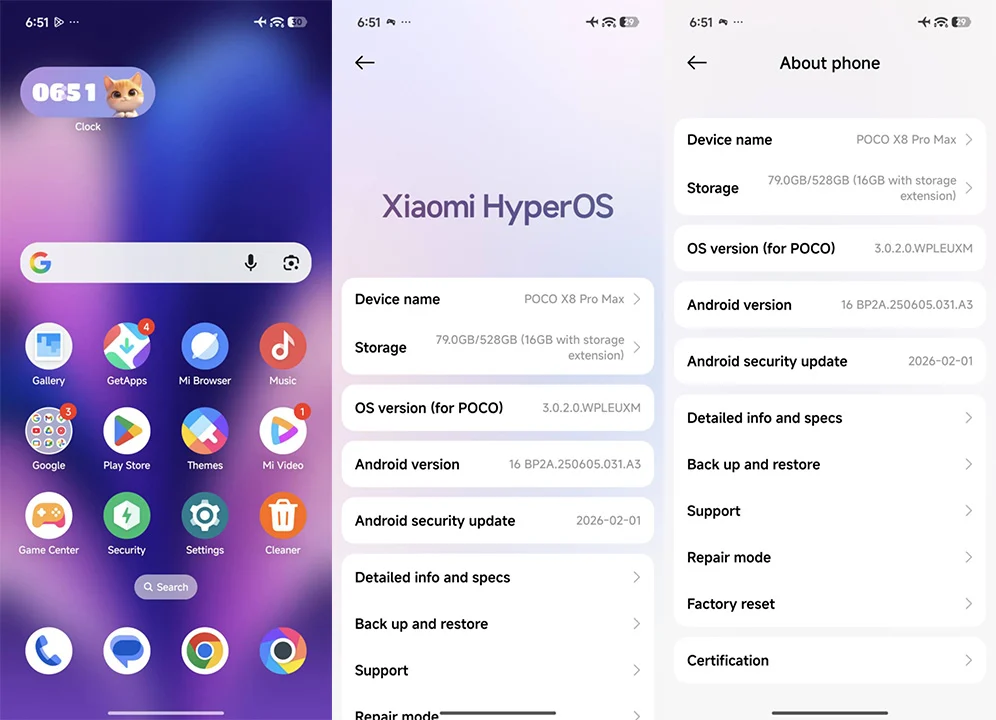
And one thing to note here is POCO finally enables “Advanced textures” in the Settings. That’s a first for an X-Series model, which means it has better blur effects throughout the UI.
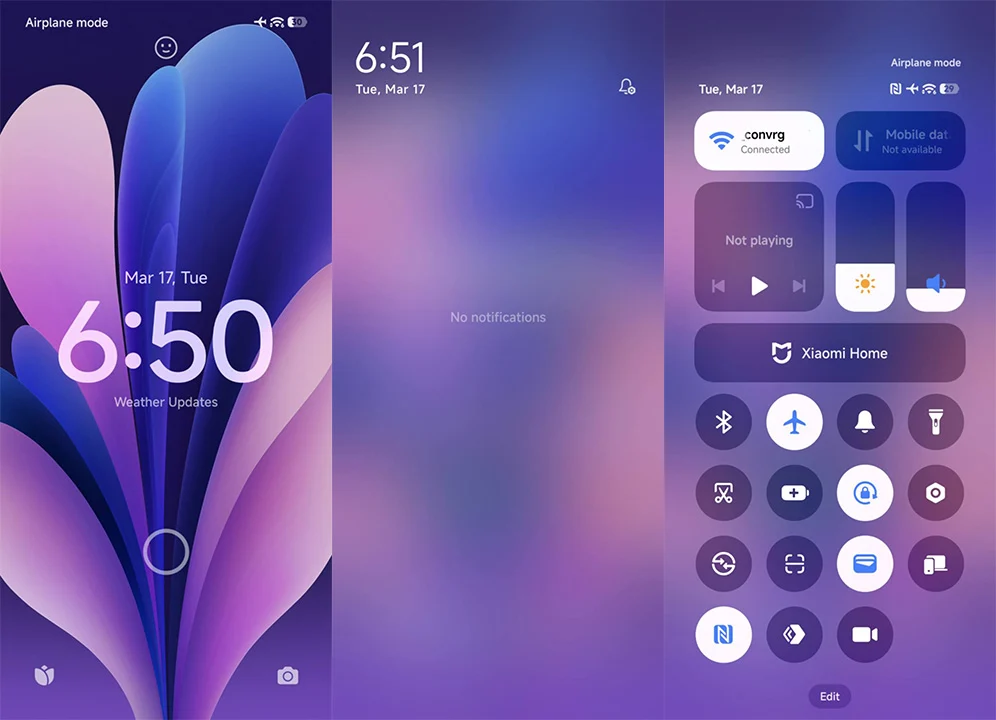
Of course, there are the usual functionalities here including multi-tasking features like split-screen, floating windows. There’s also the Xiaomi HyperIsland if anyone’s wondering.
The phone also comes with Xiaomi HyperAI features which if I’m not mistaken, was only exclusive to the POCO F-Series and some high-end models from the Xiaomi brand itself. So, that’s a welcome addition.
In terms of update policy however, POCO has yet to announce how long it will support the X8 Pro Max. But if they are to maintain its software pledge from before with the POCO X7 Pro, we can expect at least three major OS upgrades and four years of security patches.
Connectivity and Battery Life
Battery-wise, the X8 Pro Max packs a massive 8500mAh battery and the bump in capacity is no joke.
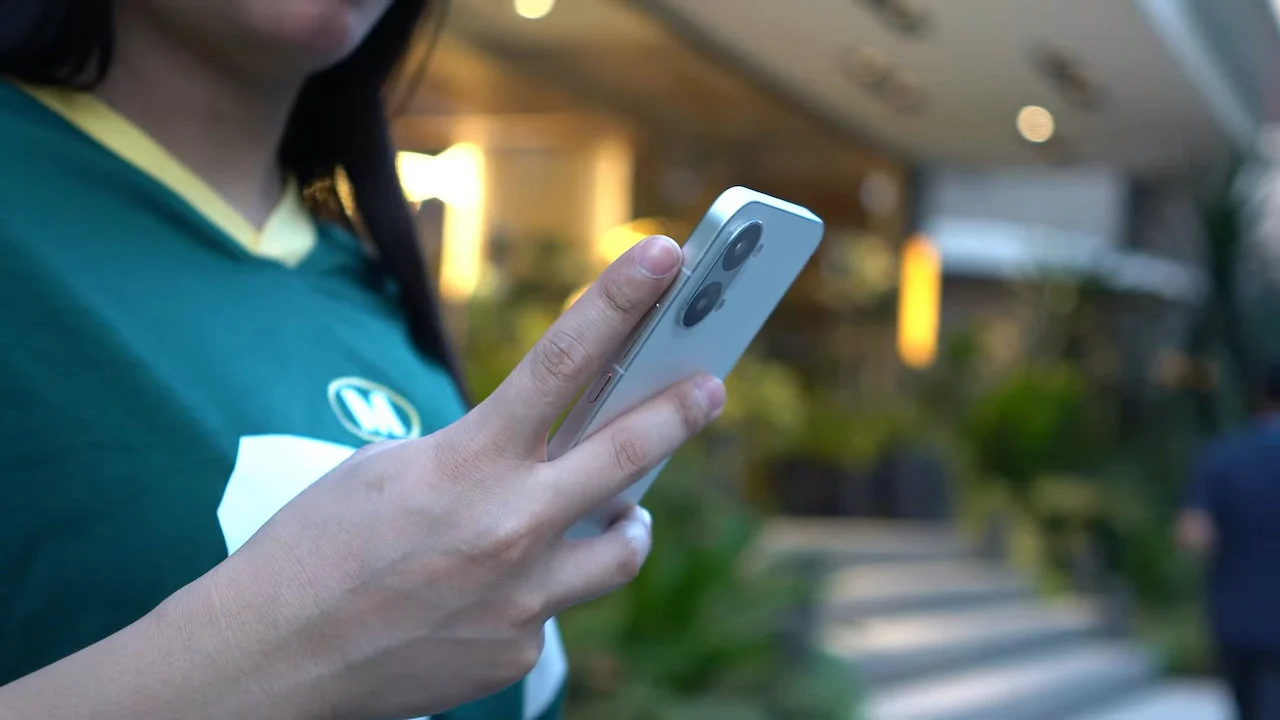
In our video loop test, the phone managed to get 33 hours and 20 minutes of uptime. That’s honestly a good number.
While the phone supports 100W of wired charging, our unit unfortunately did not come with a charging brick in the box. There was only the charging cable. That’s it.
Apparently, we had the EU version, which means that the version that will be sold in the Philippines should have a charging brick included in the box.
Using a compatible Xiaomi charger though, it was able to refill the battery from zero to 100% in just over an hour.
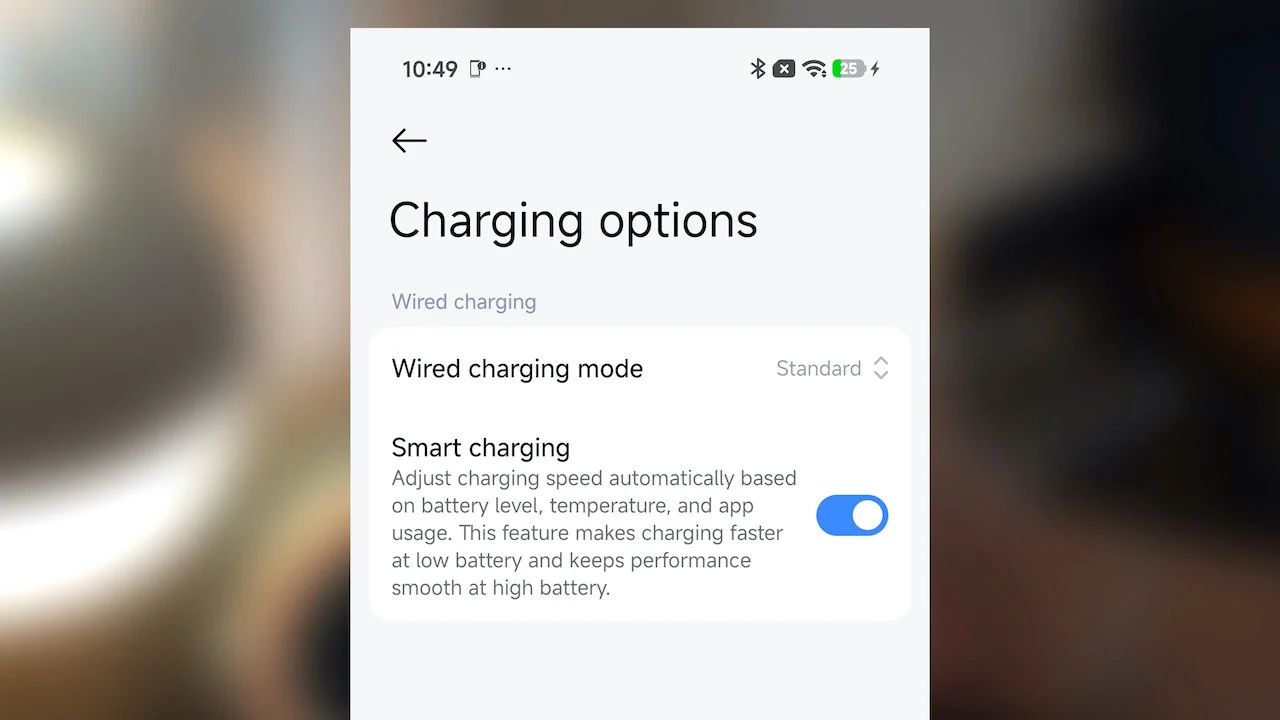
There’s no bypass charging support here, but POCO did add what it calls “Smart charging” that automatically adjusts charging speed based on battery level, temps, and whatnot. Also, no wireless charging here but that’s fine since this ain’t a flagship model anyway.
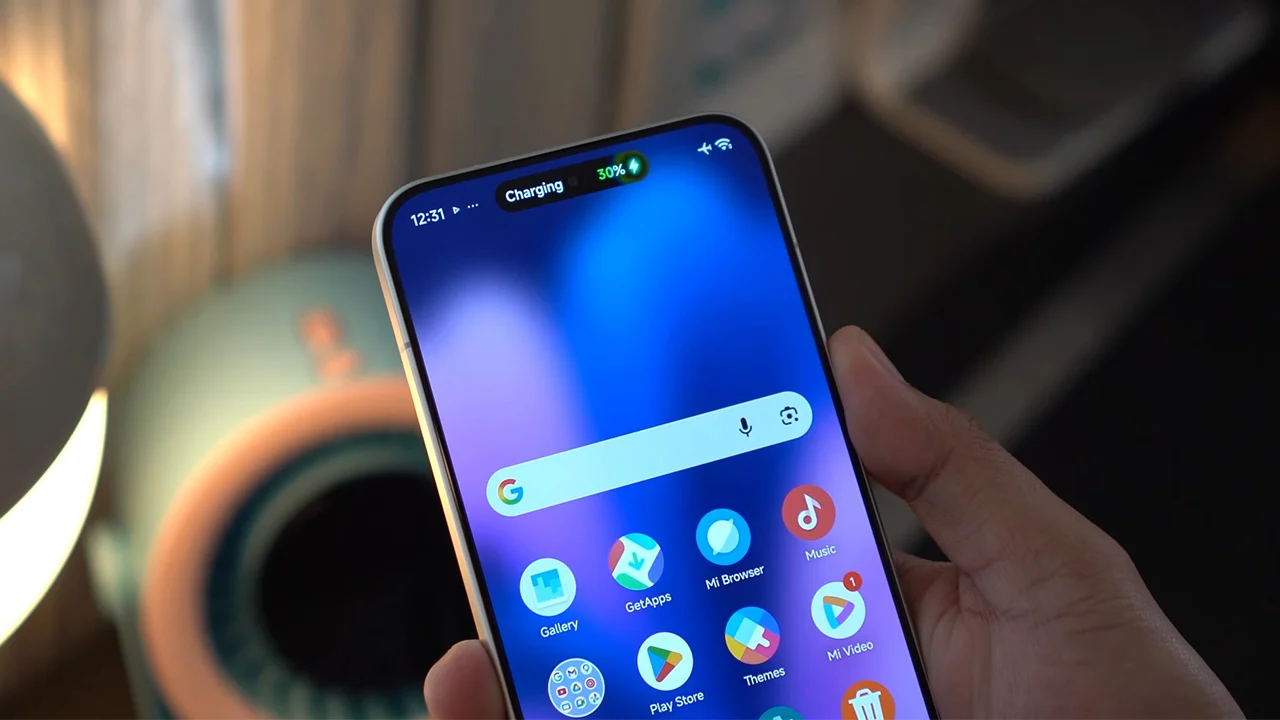
Connectivity-wise, the X8 Pro Max gets all the essentials here including dual nano-SIM with 5G, Wi-Fi 7, Bluetooth, NFC, and the staple IR blaster.
What I really like in this part is it finally supports eSIM and that’s always gonna be a plus in our book, especially for a midrange phone.
Verdict
So, after covering all the bases, what do we think about the POCO X8 Pro Max?
To put it to perspective, POCO’s X-Series has always been about delivering the best value for money in the sub-Php20,000 price range. The POCO X8 Pro Max seems to be expanding from that, now maximizing flagship-level performance while still potentially having a more competitive pricing.
It’s still a POCO X-Series model after all. I wonder what will happen now for the base POCO F8 model…? If it ever comes out that is.
However, with the RAM and storage drives soaring in prices, it’s probably safe to assume that the POCO X8 Pro Max or for any new smartphone release for that matter, will all be more expensive from now on.
But if POCO is able to keep the prices low for the POCO X8 Series just like what they did with the F8 Series, then it’s gonna be easily one of this year’s most compelling options. Period.
What we liked:
- Flagship-level performance
- Solid battery life
- Added blur effects to the UI
- Capable cameras
What we didn’t like:
- No charging brick in the box
- Ads and bloatware are still here
- Plasticky build
POCO X8 Pro Max specs:
6.83-inch 1.5K AMOLED
2772 x 1280 pixels, 120Hz refresh rate
2000 nits HBM, 800 nits typical, 3500 nits peak brightness
Corning Gorilla Glass 7i
MediaTek Dimensity 9500s
3nm, octa-core, up to 3.73GHz
12GB LPDDR5X RAM
512GB UFS 4.1 storage
Dual rear cameras:
– 50MP f/1.5 main Light Fusion 600, OIS
– 8MP f/2.2 ultrawide
20MP f/2.2 selfie shooter
Dual nano-SIM (supports eSIM)
5G, 4G LTE
Wi-Fi 7
Bluetooth 5.4
GPS
USB Type-C
NFC
Under-display fingerprint sensor (ultrasonic), face unlock
IP68 dust and water resistance
Dual stereo speakers, IR blaster, Dolby Atmos
HyperOS 3, Android 16
8500mAh battery
100W charging (wired)
27W reverse wired
162.9 x 77.9 x 8.2 mm (dimensions)
218g (weight)
White, Blue, Black (colorways)


0 Comments
Leave a Reply