

Following up on our “5 Things to Do When Buying a Second-Hand Phone” guide (which you can read about here), now we have the second-hand laptop buying guide!

Most of the advice on the second-hand phone article is applicable here as well. Find the best deal for what you’re looking for, make sure you meet up in a secure place, and check if the issues stated actually match the laptop you’re looking to buy. Here are a couple more things you can do to ensure a smooth transaction with minimal to no buyer’s remorse:
Talk to the seller
Before meeting up with the seller, get to know both the laptop you’re buying and the seller himself. Ask for his reason/s for selling the laptop. Are there any issues? When was the date of purchase? Is it still covered by the store or distributor’s warranty? Lastly, ask the seller for a personal warranty. (A personal warranty is an agreement that the seller will give you your money back if the laptop doesn’t work or has issues) Ask for at least 2 weeks so you can thoroughly test the laptop at home. These questions should help you gauge the condition and the life expectancy of the laptop.

Ask if you can test it out before buying it. Testing the laptop before buying it will give both you and the seller protection. If all works well, then you know you aren’t being scammed.
Testing the laptop
So the seller agreed to let you test the laptop before buying it. What exactly do you test? First, inspect the physical condition of the laptop. Are there any scratches, or dents that were otherwise unspecified in your previous conversation? Is the battery bulging? If there are unspecified issues you should approach with caution as the seller might not be 100% honest with you. You could also use this as haggling points if you’re not as bothered with the aesthetics.
Next, check if the moving parts are working. Check the hinge and make sure it swivels the way it should. Check the keyboard and touchpad buttons to make sure the switches are still working.
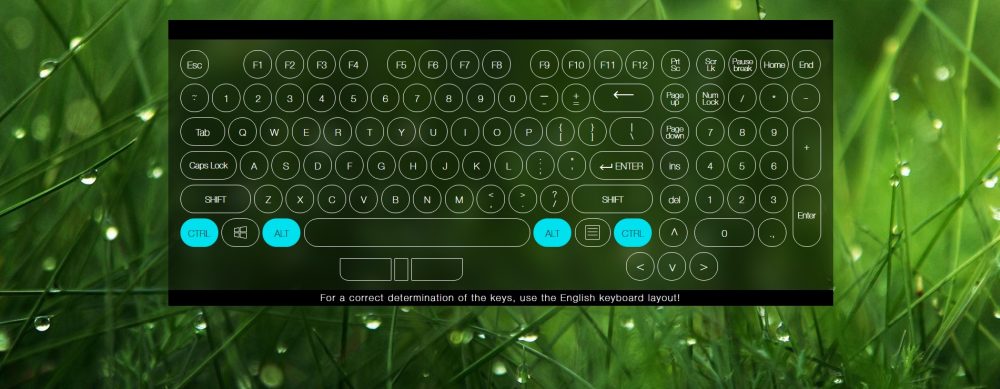
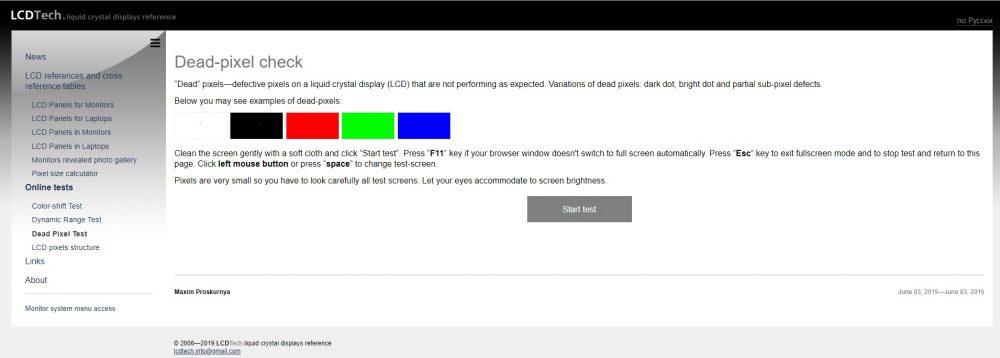
Now onto the internals. This is best done in places with WiFi as you need an internet connection for some of these. Turn on the laptop and check the trackpad and its buttons. Make sure the tap functionality (if there is one) works fine as well. Inspect the screen. Go to a screen tester website to make sure that there are no dead or stuck pixels. If there are none, go to a keyboard tester and test the keyboard. Press every key and make sure it works.
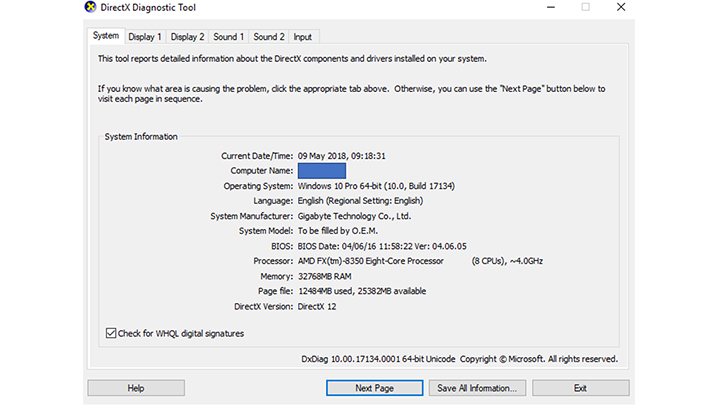
Next open the DirectX Diagnostic Tool on the laptop (to do this, press the win key+R then type “dxdiag” on the run window). Make sure all of the specifications on the DirectX Diagnostic tool match his listing. Under the System tab, you can check the processor and RAM of the device while you can check the GPU under the display tab.
If you really want to be nitpicky, before meeting up download an installer of both Cinebench R20 and HWiNFO. Put the installers in a reformatted USB to bring with you. Install the software and run Cinebench R20 while watching for the temps on HWiNFO. This should give you an idea of whether or not the internals are dusty (temps are high). You might need to have the laptop opened up, cleaned and repasted.
Lastly, restore the laptop to the factory settings. Some sellers might put key loggers and other malicious software on the laptop they’re selling. For your protection wipe the drive clean.
Doing the exchange
If everything works as intended, then you can now finally have some peace of mind and continue your transaction. If the laptop is still under store/distributor’s warranty, make sure that the seller hands you the receipt as well.
What do you think? Let us know your thoughts or suggestions in the comments section below.




One thing I never skip is the screen check. A quick test can reveal dead or stuck pixels before you buy.