
Saya sendiri menyaksikan peluncuran global tersebut, dan wah– komentar pada siaran langsung itu dipenuhi dengan tanda "W" besar (menang) atau sekadar "L" (kalah), dan jelas, Anda bisa melihat mengapa hal itu terjadi.
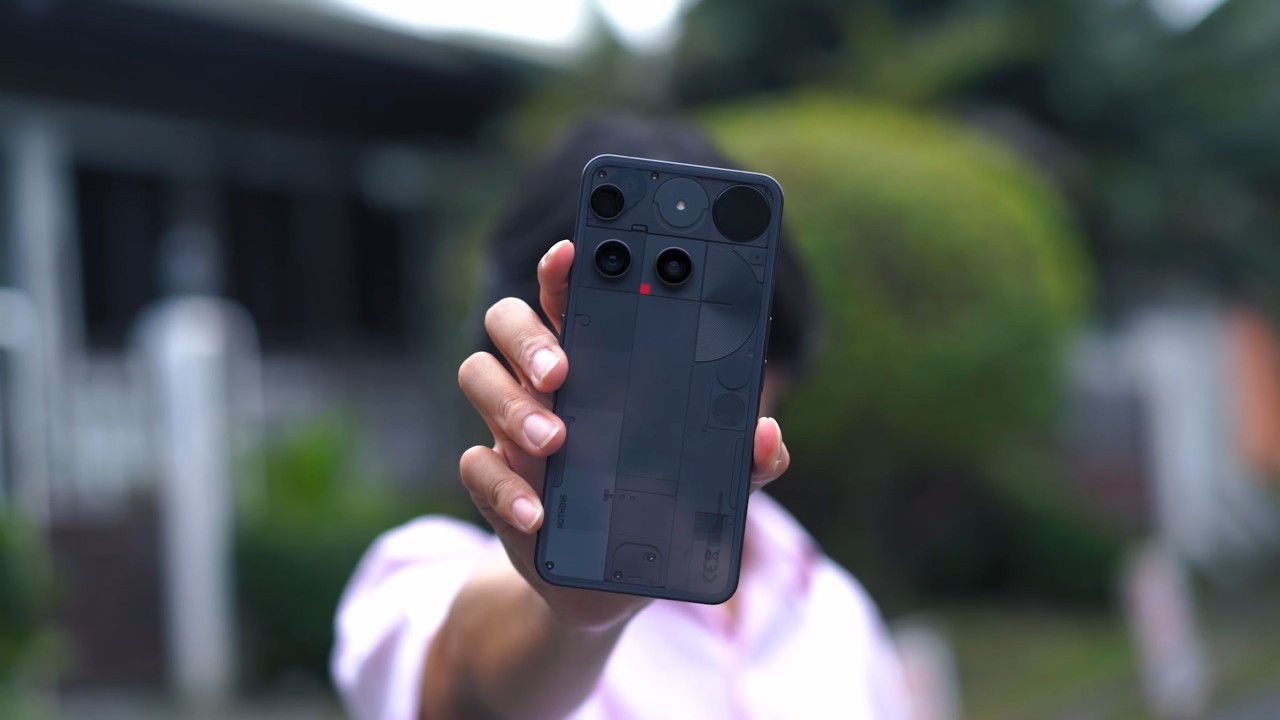
Tapi mari kita abaikan dulu kesan Anda karena selain tampilan, bagaimana dengan performanya? Bagaimana kualitas kameranya? Bagaimana pula dengan daya tahan baterai? Kita akan menjawab semua itu dalam ulasan lengkap ini.
Desain dan Konstruksi
Pertama, mari kita bahas tentang penampilannya.
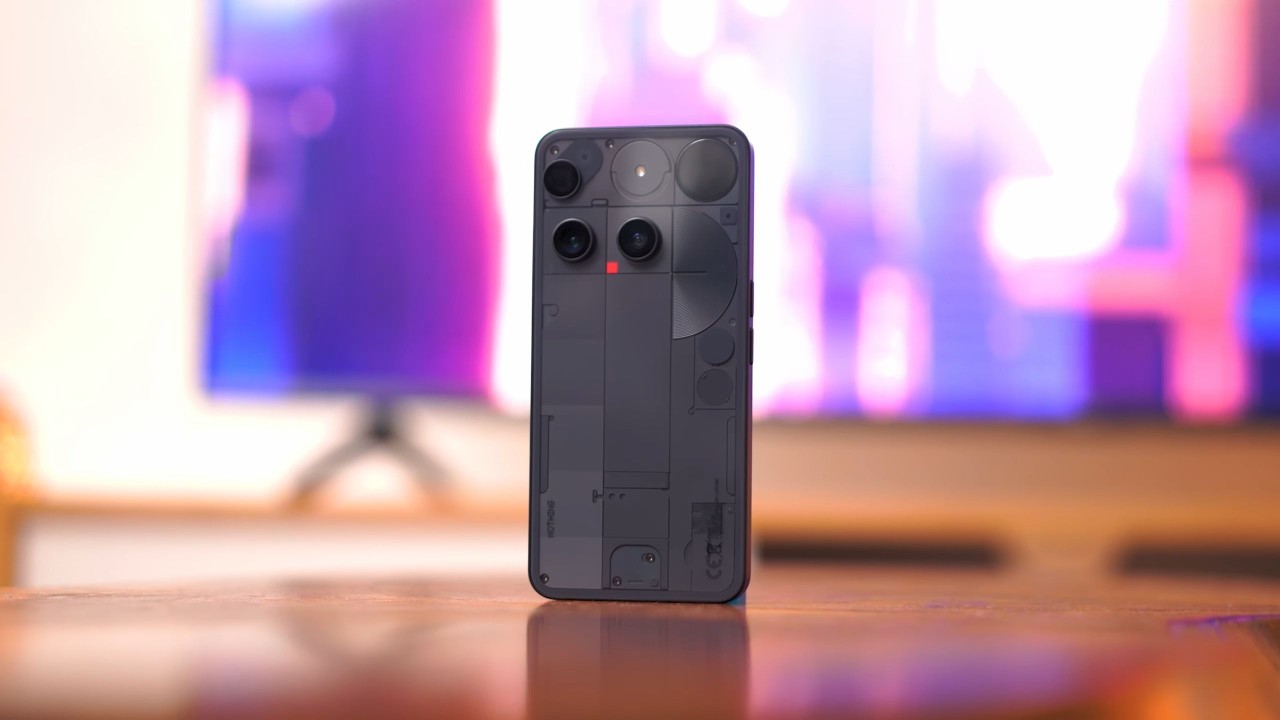
Sementara Nothing dikenal dengan desainnya yang unik, seperti mengintegrasikan perpaduan tampilan industri dan transparan ke hampir semua perangkat mereka, apa yang mereka lakukan dengan Phone (3) cukup menarik.
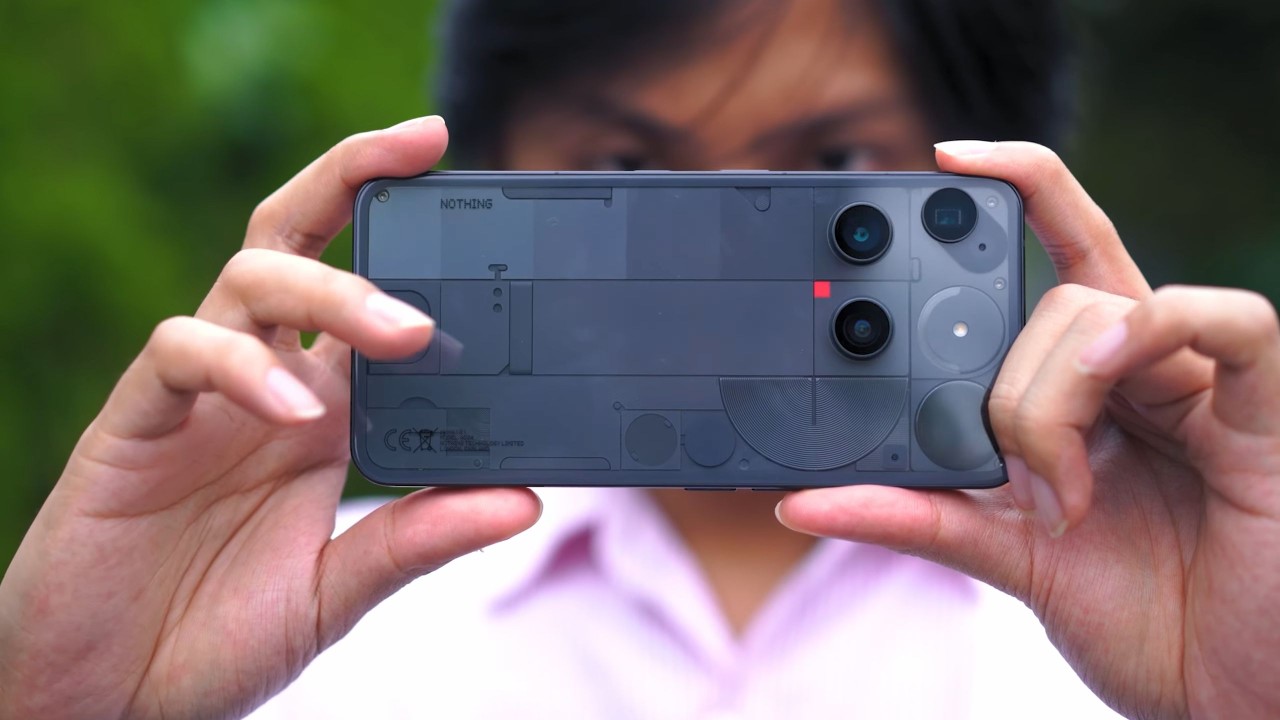
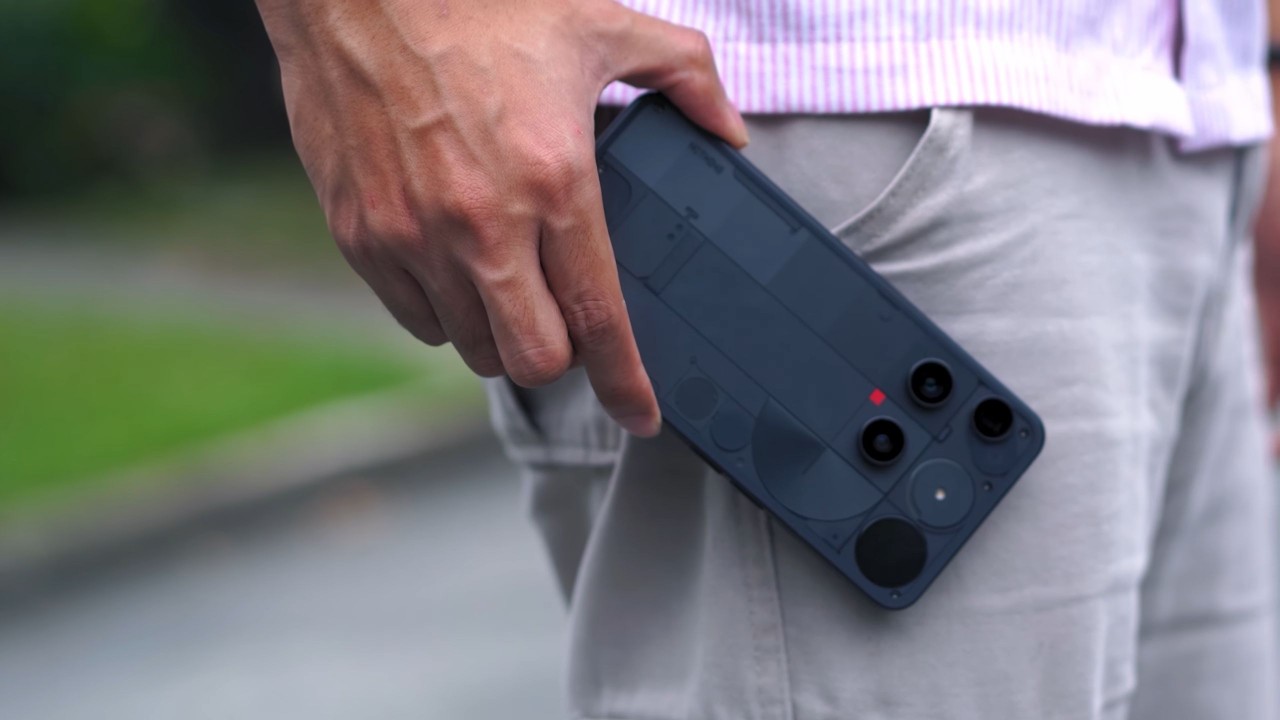
Kebanyakan besar, ponsel ini masih membawa DNA Nothing dengan panel belakang transparan dan pola geometris yang tersebar di seluruh permukaannya. Namun, Anda akan memperhatikan perubahan desain utama di sini, yaitu tidak adanya antarmuka Glyph ikonik tersebut.
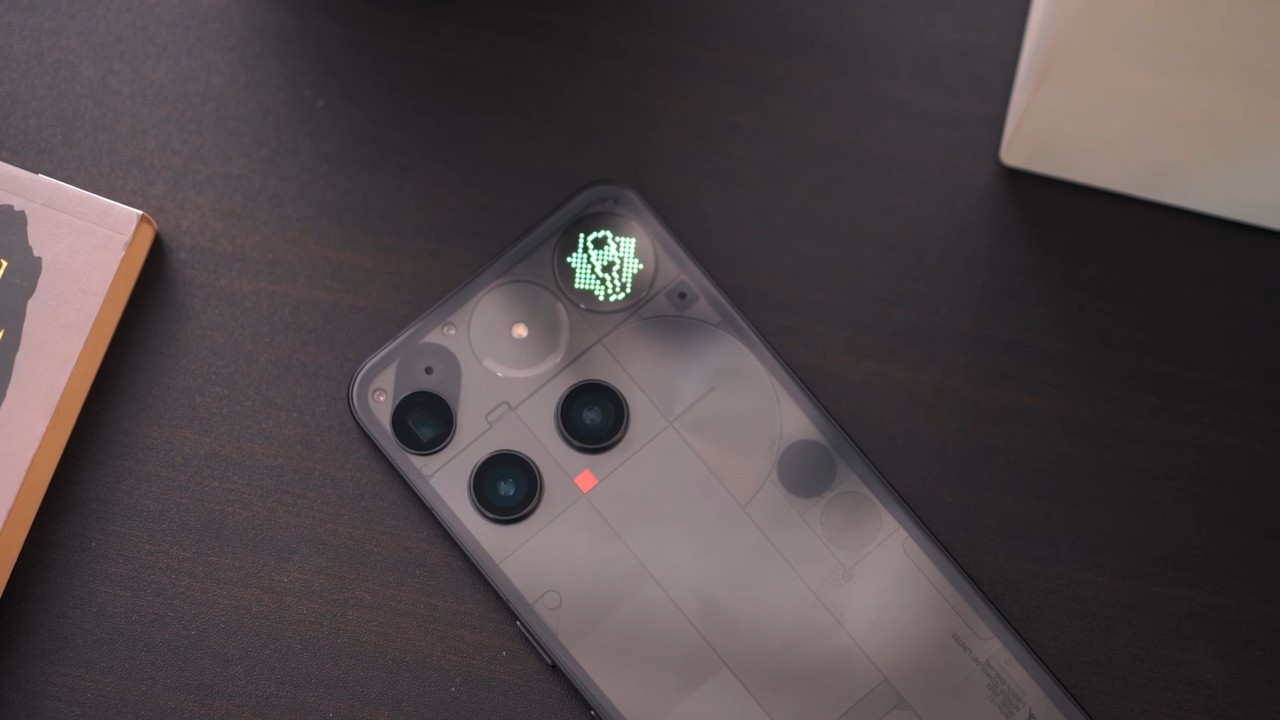
Pita lampu LED di bagian belakang dari ponsel Nothing sebelumnya? Mereka kini telah hilang dan digantikan oleh apa yang disebut sebagai Glyph Matrix.
Secara esensial, ini adalah layar sekunder yang dapat Anda temukan di sudut kanan atas pada panel belakang. Meskipun demikian, seperti yang terlihat, layar ini ditempatkan dalam panel berbentuk lingkaran dan dilengkapi dengan array dot-matriks untuk menampilkan grafik dan gambar. Secara spesifik, terdapat 489 LED kecil yang ditempatkan di dalamnya.
Jika dipikirkan lebih jauh, Glyph Matrix sebenarnya selaras dengan bahasa desain Nothing, dan itu keren.

Anehnya, ia dilengkapi dengan tombol kapasitif hanya beberapa inci di bawahnya. Satu kali ketuk memungkinkan Anda berpindah antara "Glyph Toys", dan tekan lama memungkinkan interaksi dengannya.
Kamu sebenarnya bisa bermain 'putar botol' di perangkat ini! Atau kamu bisa menggunakannya sebagai semacam jendela bidik, sehingga kamu dapat menggunakan kamera belakang untuk mengambil foto selfie. (Mengambil selfie sudut lebar seharusnya menjadi hal yang mudah.)
Sungguh menyenangkan, terutama bagi seseorang seperti saya yang secara alami meletakkan ponselnya menghadap ke bawah di atas meja. Namun, tidak ada banyak utilitas nyata yang bisa Anda dapatkan dari ini, kecuali mungkin ikon notifikasi kustom atau viewfinder-nya? Tapi selain itu, pada dasarnya ini hanya sekadar sentuhan estetis yang memberi tahu bahwa ponsel ini adalah Nothing phone. Titik.
Tapi cukup tentang Matriks Glyph, mari kita bicara tentang gajah di ruangan itu: desainnya.
Melihat desain Nothing Phone (3) dengan saksama, saya memiliki perasaan campur aduk tentangnya. Sekalipun saya ingin menghargai estetika dan lainnya, tata letak kamera asimetris itu membuat saya kesal.
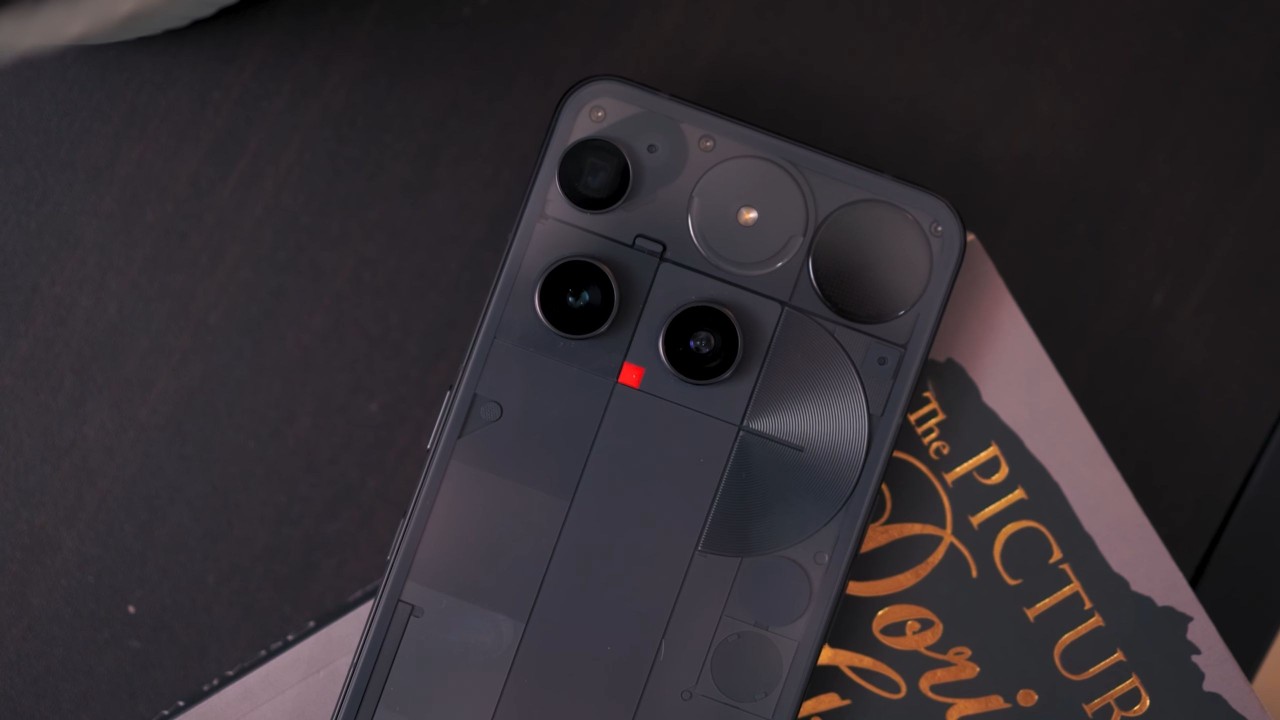
Bukan buruk pada dasarnya. Ini hanya pilihan desain yang sangat menarik. Selain itu, meskipun begitu, ponselnya terlihat bagus dan terkelola dengan baik, saya akui hal itu.
Render daring atau bahkan gambar produk yang pernah Anda lihat di sini tidak sepenuhnya menggambarkan keindahannya. Namun secara langsung, tampilannya masih mengejutkan bagus dan terasa premium saat dipegang.
Mungkin poin utama yang saya ambil dari ini adalah bahwa Nothing tidak benar-benar mengejar estetika yang nyaman, Anda mengerti maksud saya? Sebagai sebuah merek, mereka selalu akan melanggar norma dengan harapan "membuat teknologi menjadi menyenangkan lagi," dan saya cukup sejalan dengan hal itu.
Jujur, saya pikir seluruh perdebatan seputar desain yang mem polarisasi dari Phone (3) justru menjadi kemenangan bagi Nothing. Hal ini memicu diskusi di mana-mana—beberapa membenci tata letak kamera asimetris, beberapa lebih menyukai lampu pesta LED dari sebelumnya, sementara yang lain justru menyukai tampilan barunya. Pada akhirnya, Nothing mendapatkan semua daya tarik tersebut, jadi semakin banyak kita membicarakannya, semakin banyak pula PR gratis yang mereka dapatkan.
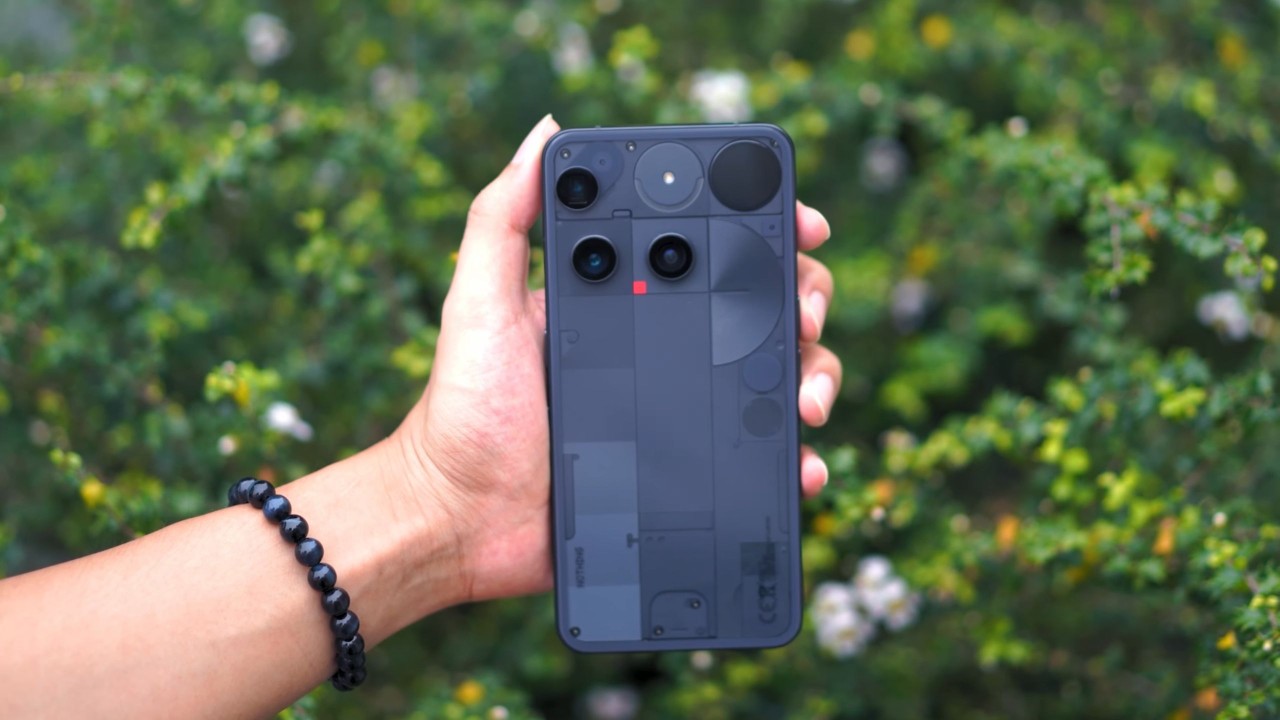
Beralih ke kualitas konstruksi, perangkat ini menggunakan material kelas flagship: lapisan kaca Corning Gorilla Glass yang ditempatkan pada panel depan dan belakang, serta bingkai aluminium datar yang tahan sidik jari. Ponsel ini juga memiliki peringkat IP68 untuk ketahanan terhadap debu dan air.
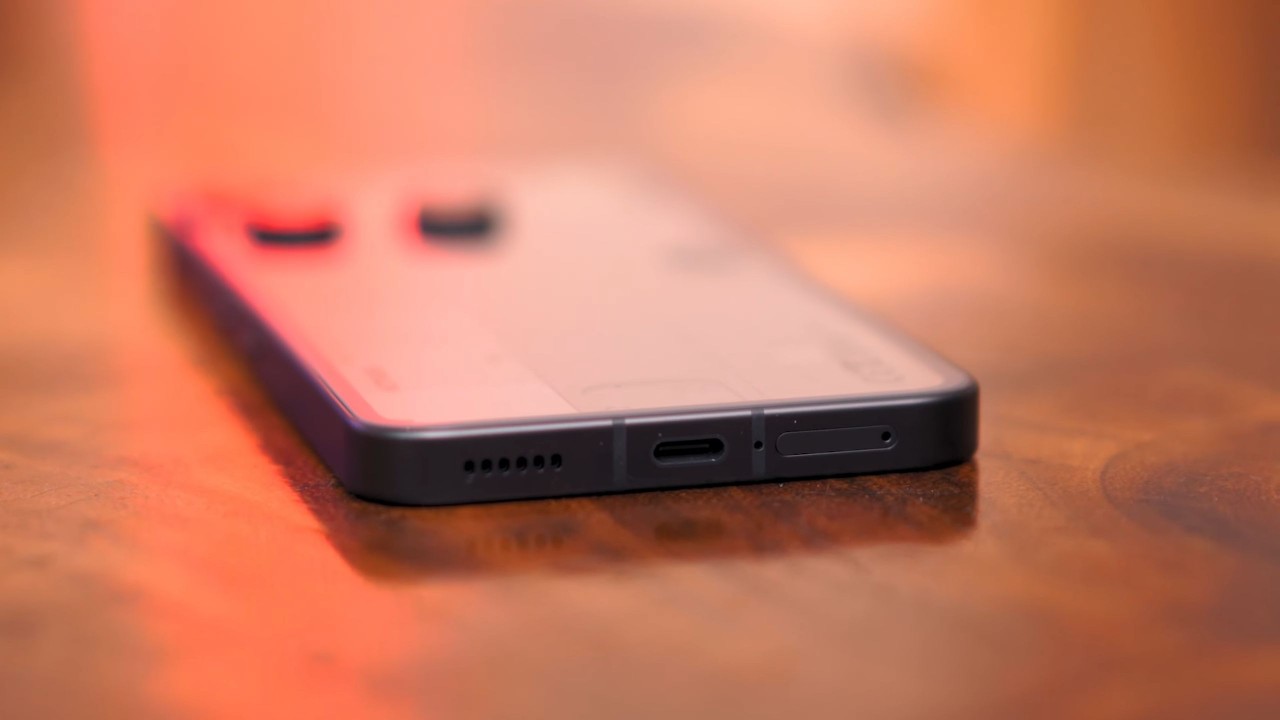
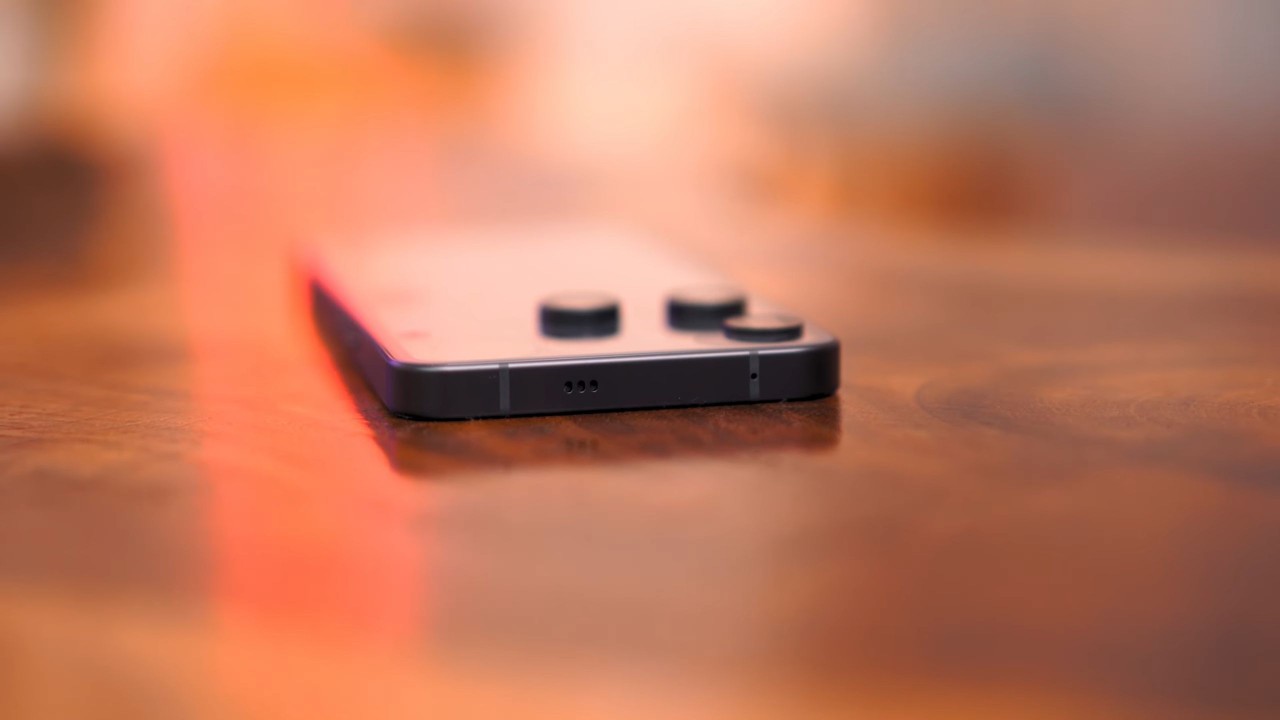
Dalam hal I/O, sama seperti iterasi sebelumnya, Anda akan menemukan tombol daya di sebelah kanan, disertai dengan Essential Key. Tombol volume rocker berada di sebelah kiri, sedangkan port USB-C terletak di bagian bawah bersama dengan gril speaker, celah mikrofon, dan tray SIM. Di bagian atas, terdapat gril speaker kedua dan satu lagi mikrofon.

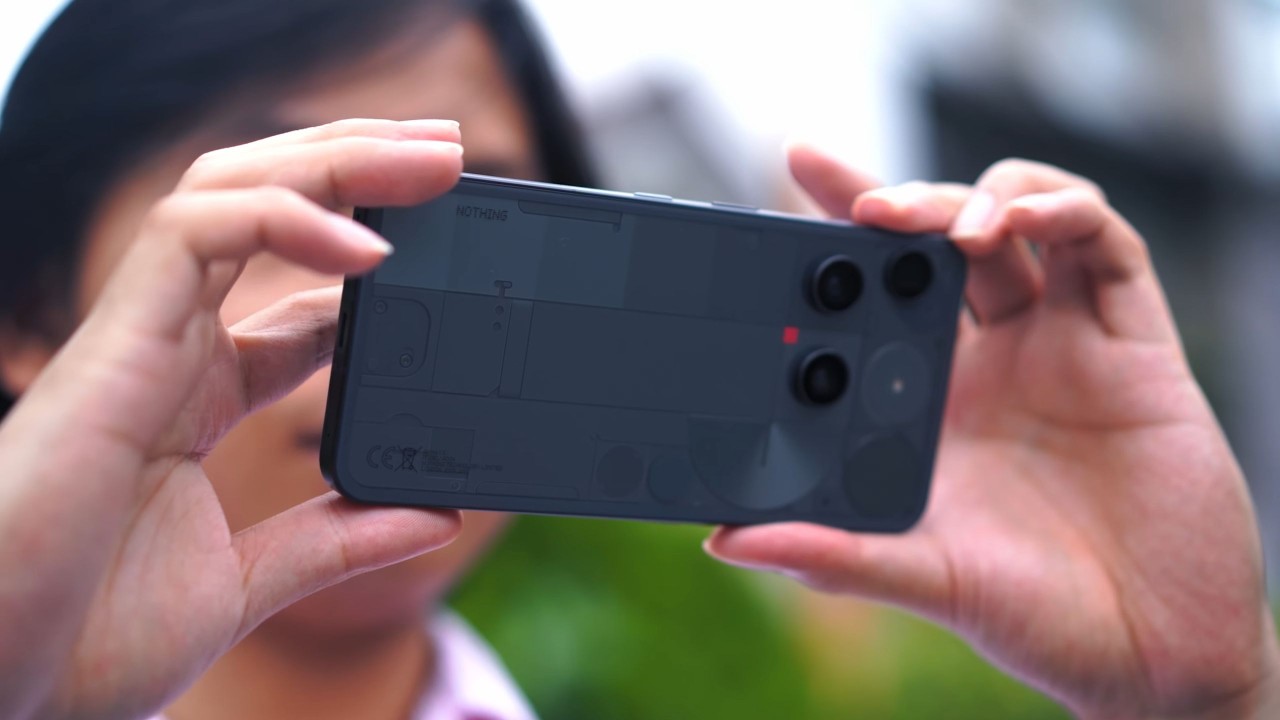
Dan lagi pula, kotak merah kecil di bagian belakang sebenarnya menyala dan berkedip saat Anda merekam video.
Tampilan, Multimedia, dan Biometrik
Membalikkan ponsel, Anda disambut oleh layar fleksibel AMOLED berukuran 6.67 inci yang berjalan pada tingkat refresh rate 120Hz yang mulus. Kecerahan puncak mencapai 4500 nits, dan dilapisi Gorilla Glass 7i. Perlu dicatat bahwa kaca ini sebagian besar digunakan pada perangkat kelas menengah, dan perbedaan utamanya adalah tidak sepenuhnya setara dengan jajaran Gorilla Victus yang digunakan pada ponsel flagship lebih mahal.

Anehnya, Nothing Phone (3) dipasarkan sebagai ponsel flagship, namun tidak ada LTPO di sini. Pengguna rata-rata mungkin tidak menyadarinya, kecuali mereka melihat lembar spesifikasi, tetapi ini berarti ia kehilangan beberapa efisiensi daya yang ditawarkan panel LTPO.
Despite that, the Phone (3) provides stunning visuals with sharp detail, vivid colors, and good contrast with deep, true blacks. It has even bezels all around, although, it’s not as thin for some reason that it almost looked like a Galaxy A56.

Still, I’ll take the even bezels any day for that matter.
For audio, it features dual stereo speakers that output a nice sound stage with clear highs and mids, and seemingly decent, punchy bass.
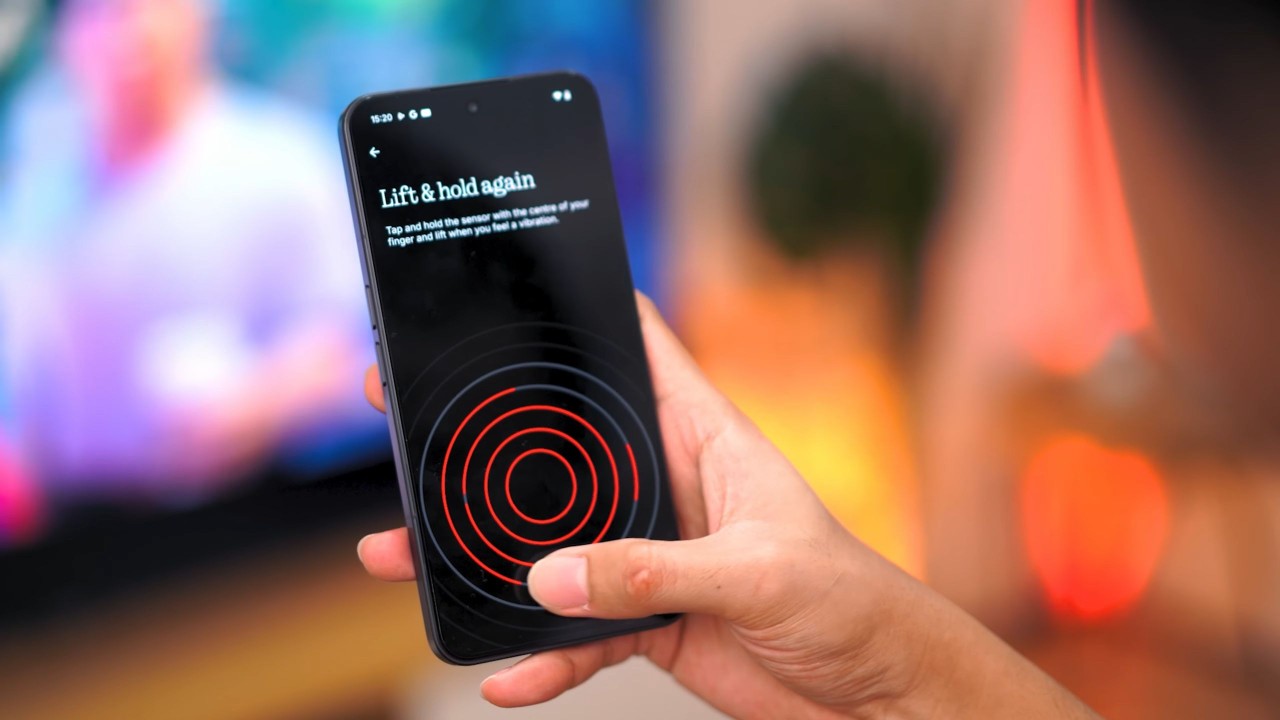
Security-wise, the phone gets an under-display fingerprint sensor, though it’s an optical one rather than an ultrasonic sensor. But yeah, the unlocking experience is still fast in my opinion.
Camera
Now onto camera performance. As the first flagship, I have high expectations for the Nothing Phone (3).
At the rear, it features a trio of 50-megapixel sensors for a primary camera with OIS, an ultrawide, and a periscope telephoto lens, also with OIS. While up front is yet another 50-megapixel sensor for selfies.
As far as the image quality is concerned, the Nothing Phone (3) did not disappoint. Images coming out from this device offer flagship-level quality with sharp detail, good color reproduction, and good amount of dynamic range.\
Could not load album. Please check the URL.
Ultrawide shots are nice, too. However, the periscope telephoto with 3x optical zoom makes the colors a bit unnatural with softer detail even in bright environments.
One thing I noticed though, is that most of the shots are brighter than usual and the phone tends to wash out the blacks so often. But if ever that happens, a simple exposure adjustment will do.
As for video capture, the Phone (3) also does a great job. Details are sharp, though colors tend to be warmer at times. It doesn’t quite match the new iPhones in terms of quality, but it’s good enough for your casual snaps, especially with the amount of flexibility this phone offers.
Performance and Benchmarks
Moving on to performance, this is where things go a little bit questionable.
Inside the Nothing Phone (3) is the Snapdragon 8s Gen 4 (4nm). Sure, it’s the latest one from Qualcomm, and yes, it’s technically a “flagship-level” chipset.
But it’s hard not to ask: why is it not using the cutting-edge Snapdragon 8 Elite (3nm) instead? To make matters worse, the POCO F7 exists using the same Snapdragon 8s Gen 4, and yet it’s priced at nearly half the cost of the Nothing Phone (3).
I must say, it’s not just about the chipset used. I understand that there are other factors at play, like R&D, hardware, and so on, that influence the final price. But for a first Nothing flagship, I would’ve preferred it to have the latest and greatest chipset available. But that’s just me.
Setting that thought aside, the average user will barely see any difference. The Snapdragon 8s Gen 4, in its own right, is a pretty capable chipset overall. In fact, our benchmark results back that up, achieving high scores across the board.
| Benchmark | Nothing Phone (3) |
|---|---|
| Chipset | Snapdragon 8s Gen 4 |
| AnTuTu V10 | 1,962,026 |
| AnTuTu Storage | 238,590 |
| S.Read Speed | 4004.7 MB/s |
| S.Write Speed | 3791.7 MB/s |
| 3DMark Wild Life | MAXED OUT |
| 3DMark Wild Life Extreme | 4,121 |
| Geekbench 6 CPU Single-Core | 2,143 |
| Geekbench 6 CPU Multi-Core | 6,741 |
| Geekbench 6 GPU OpenCL | 13,612 |
| Geekbench 6 GPU Vulkan | 18,687 |
| PCMark Work 3.0 performance | 14,772 |
| PCMark Work 3.0 battery life | 17 hrs & 49 mins |
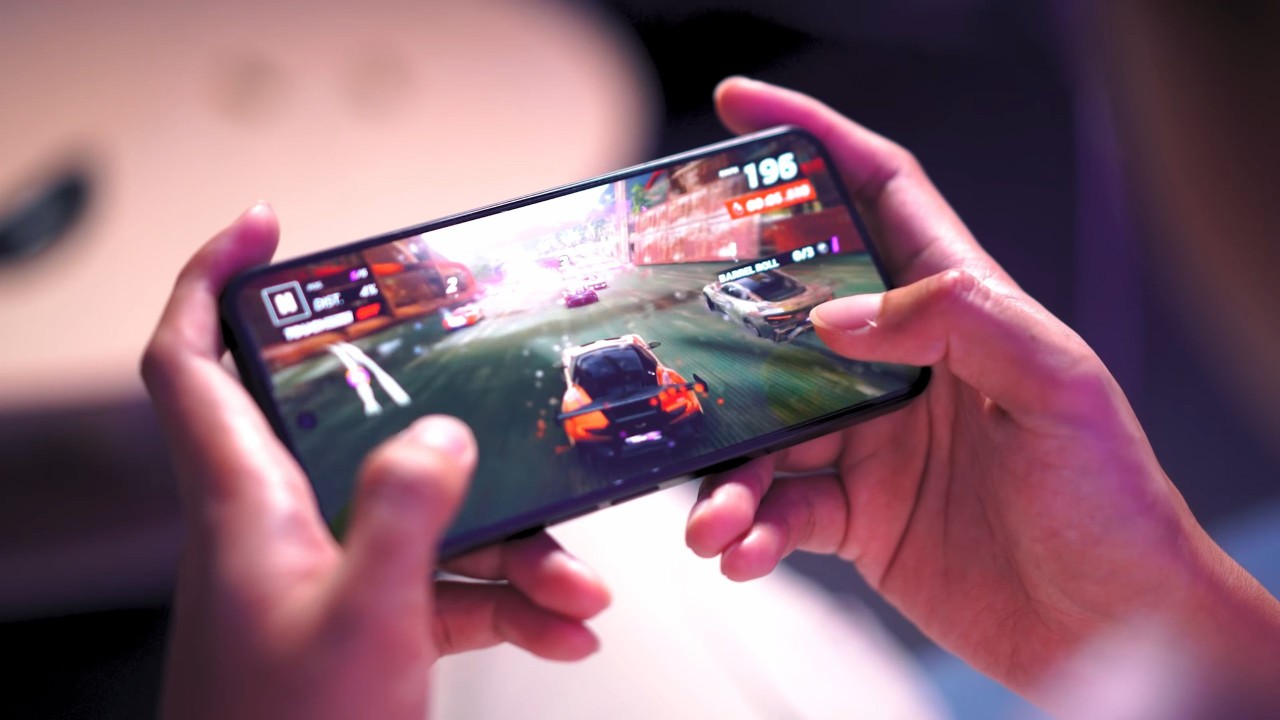
With that in mind, the phone handles everyday tasks with ease. Navigation feels smooth, and it can easily run all your casual games while performing surprisingly well with more graphically demanding titles.
Playing with Maxed-out graphics is definitely possible, although I prefer keeping it on Medium settings to avoid overworking the chip and to save on some power consumption.
It does heat up after prolonged use, but it’s usually not alarmingly hot, mainly thanks to a fairly lightweight and optimized software, which we’ll talk about next.
OS, UI, and Apps
The Nothing Phone (3) runs on the NothingOS 3.5 based on Android 15 out of the box. As you’d expect out of a Nothing device, the UI looks nice and clean, free of any bloatware, except the first-party apps, of course.
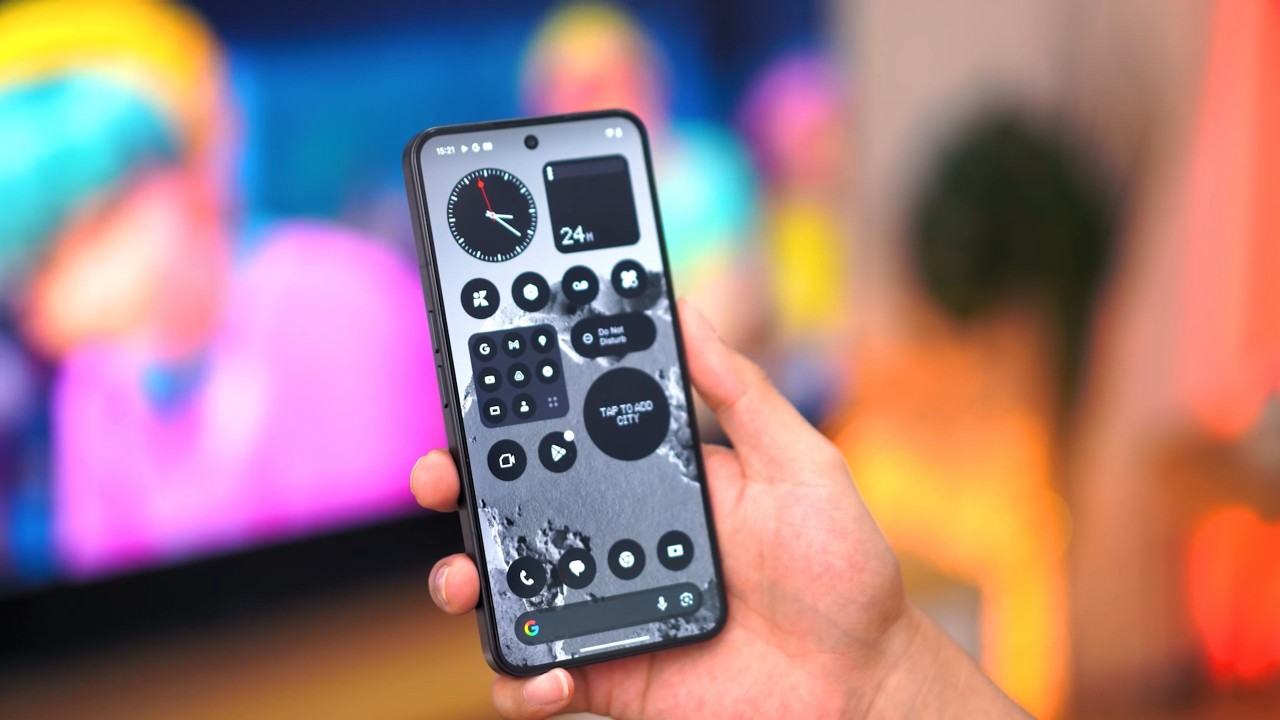
It almost feels like Stock Android, but with a little bit of Nothing flair like those dot matrix text and graphics on the widgets, the monochrome icons, and of course the addition of the Essential Space.
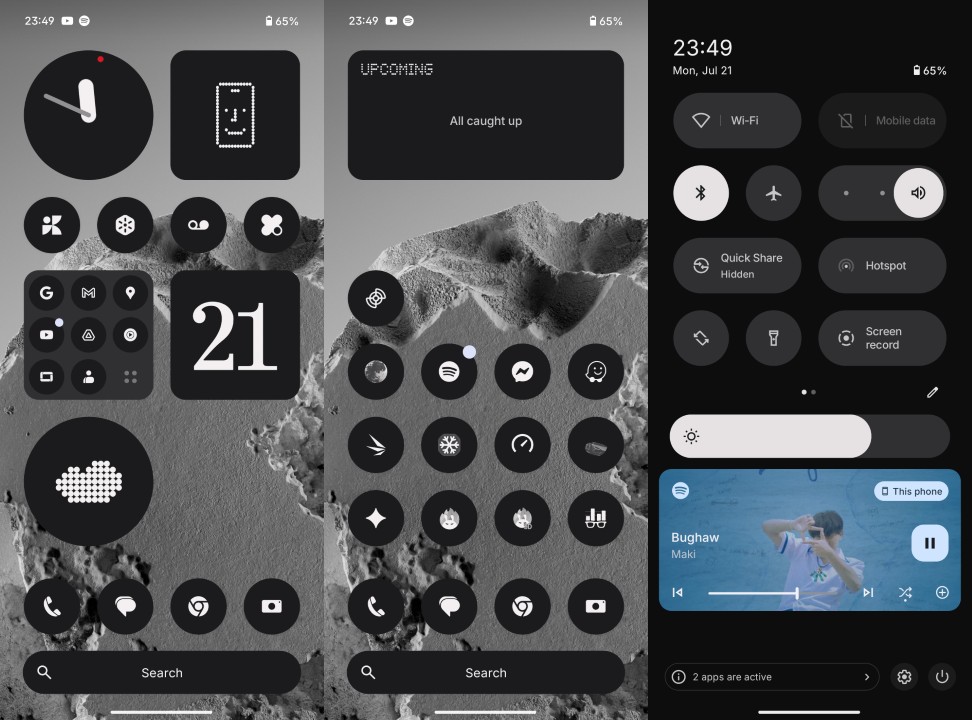
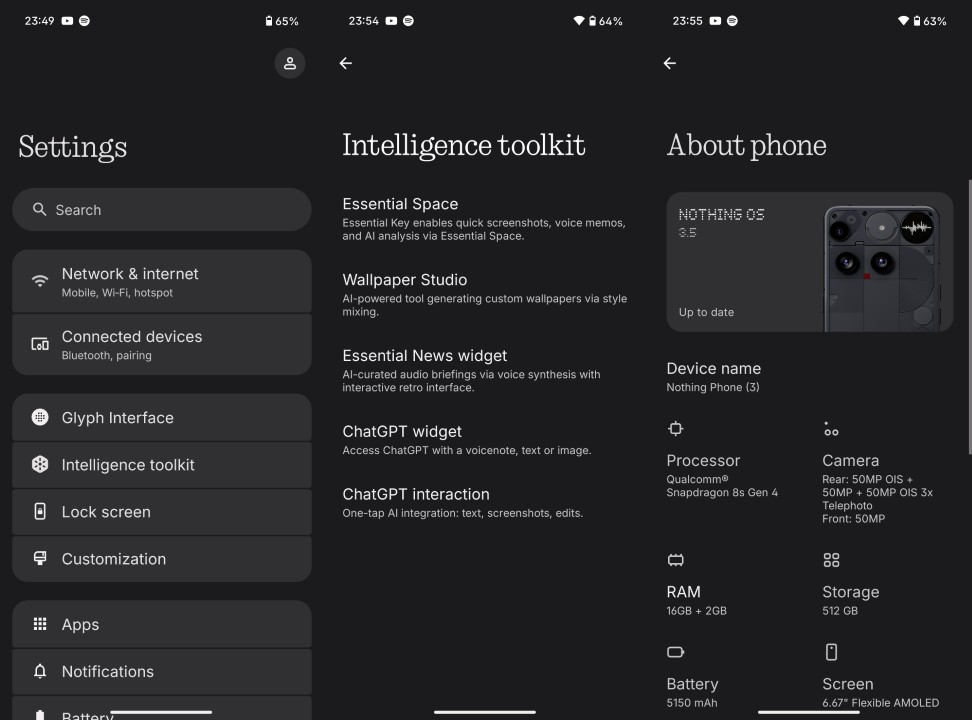
As someone who tends to take note of every possible thing I come up with, I appreciate this feature, especially with a handy button on the side, which is the Essential Key.

This app is basically a supercharged notes app that curates your images, screenshots, reminders, and even voice notes in a more user-friendly way—essentially, a thought organizer of sorts, powered by AI.
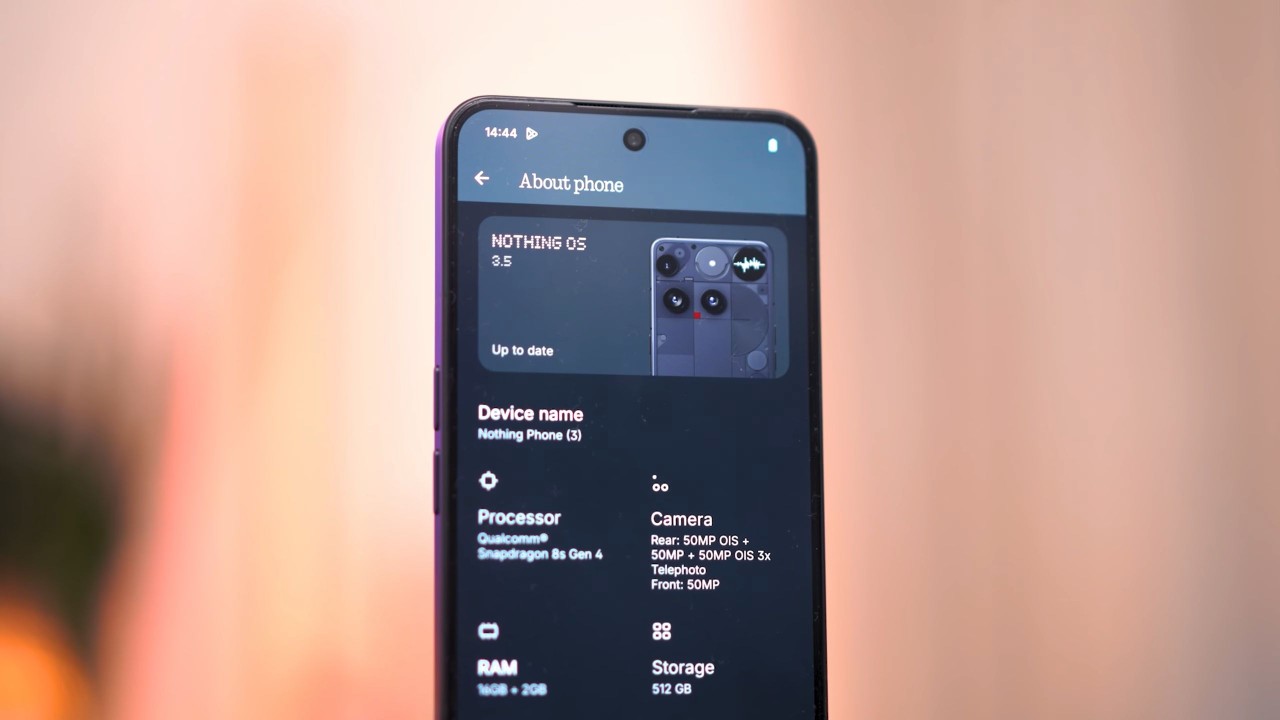
Going back to the Glyph Matrix, there’s also a dedicated settings menu where you can create custom notifications. This is also where you’ll find the Glyph Toys for a quick overview.

Perhaps, one of the best things about the Nothing Phone (3) is it’s promised to get five years of major OS upgrades and seven years of security patches. That’s a step up from previous Nothing phones that have shorter update windows.
Connectivity and Battery Life
Another strength of the Phone (3) lies in its battery life. While the phone gets a slightly larger 5150mAh unit, it can easily last you an entire day of use—perhaps thanks to a more optimized software.

In our PCMark battery life test, the phone surpassed 17 hours and 49 minutes of runtime, which is absolutely a solid result.
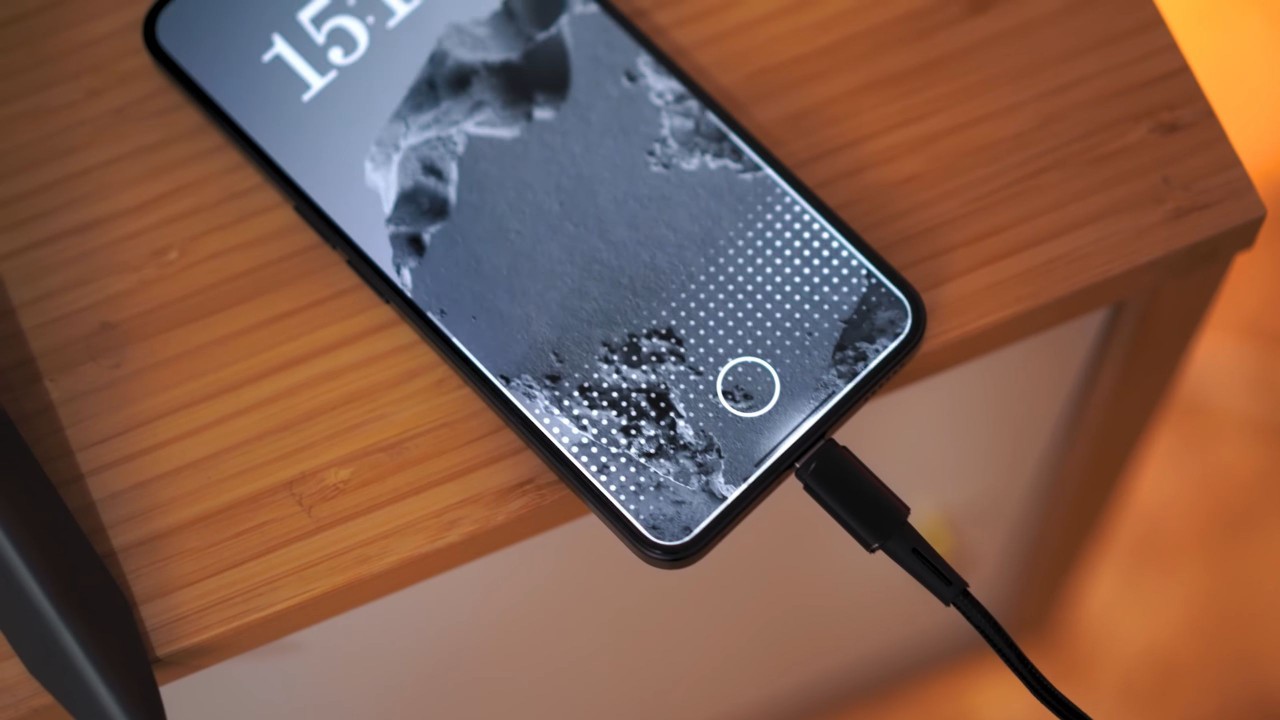
As for charging, the Phone (3) supports 65W of wired and 15W of wireless charging. These aren’t the fastest charging tech in the market, but they will do just fine. Sadly, no bypass charging here, so keep that in mind.
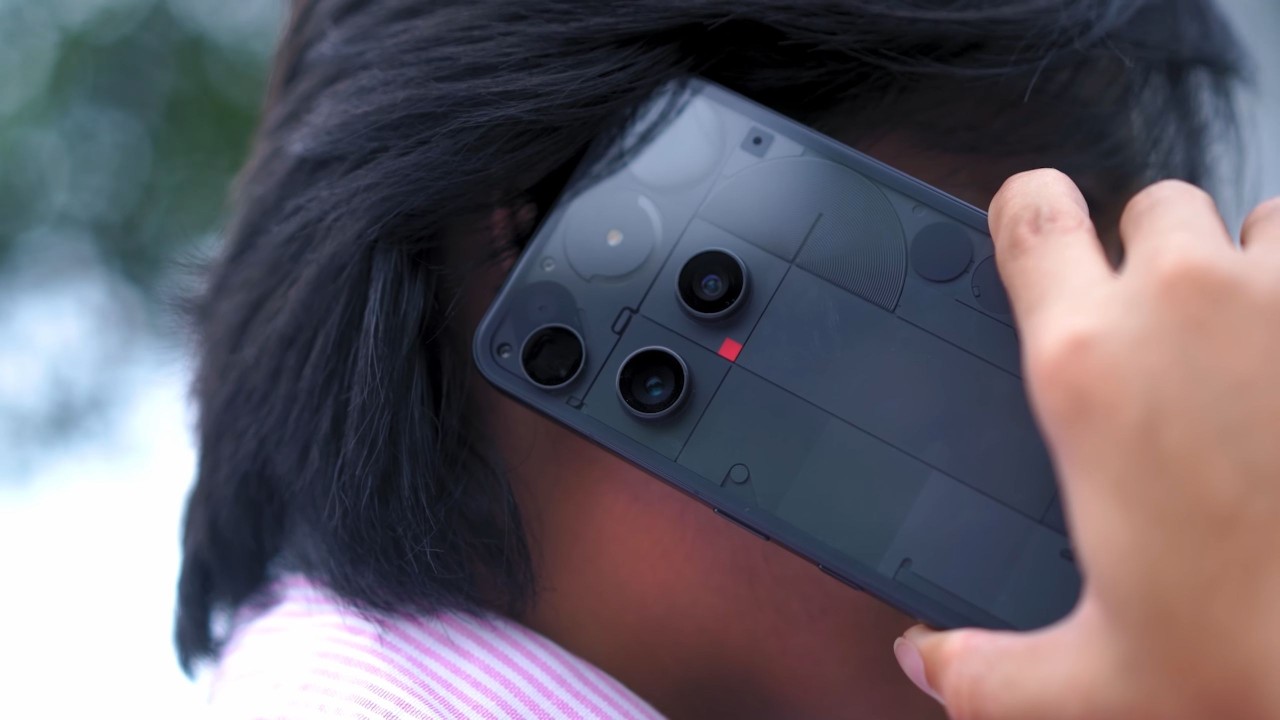
Connectivity-wise, the phone features dual nano-SIM alongside eSIM support, 5G, NFC, Wi-Fi 7, and Bluetooth 6.0.
Pricing and Verdict
Now, we’ve come to the last part of this review, the price.
The Nothing Phone (3) starts at PHP 44,999 for the 12GB+256GB config, while the larger 512GB version goes for PHP 50,999.
At that price, it sounds like a flagship for sure. While there are some clear cutbacks like having no LTPO OLED display or not opting to use a true flagship chip such as the Snapdragon 8 Elite, those who will get the Nothing Phone (3) are surely in for a suitable flagship experience, at the very least.
After all, it still has a nice screen, superb cameras, a sleek and clean software experience with longer updates, solid battery life, and arguably, a unique and functional aesthetic. These key aspects all work together to deliver one of the better, if not the best, flagship experiences available at a significantly lower cost as compared to the big guns like Apple or Samsung.
What we liked:
- Nice screen with uniform bezels
- Glyph Matrix: it’s fun and funtional
- Capable, flagship-level cameras
- Sleek and smooth software experience
What we didn’t like:
- Not using LTPO OLED panel
- Images tend to be brighter than preferred
Nothing Phone (3) specs:
6.67-inch FHD+ flexible AMOLED
1260 x 2800 pixels, 120Hz refresh rate, 460 ppi
1600 nits (outdoor), 4500 nits peak brightness
Corning Gorilla Glass 7i
Qualcomm Snapdragon 8s Gen 4 (4nm)
Octa-core, up to 3.21GHz
12GB, 16GB RAM
16GB+512GB storage
Triple rear cameras:
- 50MP f/1.68 main, OIS
- 50MP f/2.68 periscope tele, OIS
- 50MP f/2.2 ultrawide
50MP f/2.2 selfie shooter (punch hole notch)
Dual nano-SIM, supports eSIM
5G, 4G LTE
Wi-Fi 7
Bluetooth 6.0
GPS, GLONASS, BDS, GALILEO, QZSS, NavIC, SBAS
USB Type-C
NFC
Under-display fingerprint sensor (optical), face unlock
IP68 dust and water resistance
Dual stereo speakers
Nothing OS 3.5 (Android 15)
5 years OS upgrades, 7 years security patches
5150mAh battery
65W charging (wired)
15W wireless, 7.5W reverse wired charging
160.60 x 75.59 x 8.99 mm
218g
White, Black (colorways)

0 Comments
Leave a Reply