

전 세계 공개 직후 새로운 노팅 폰 (3) 이 필리핀에 출시되었습니다. 이는 해당 브랜드의 첫 번째 "플래그십" 스마트폰으로, 기술 커뮤니티 전체를 뜨겁게 달구고 있습니다.
저는 글로벌 런칭을 직접 지켜보았는데, 오 보십시오 – 해당 라이브 스트림의 댓글들은 거대한 "W"(승리) 또는 명백한 "L"(패배)로 범람했고, 당연히 그 이유를 어느 정도 짐작할 수 있습니다.
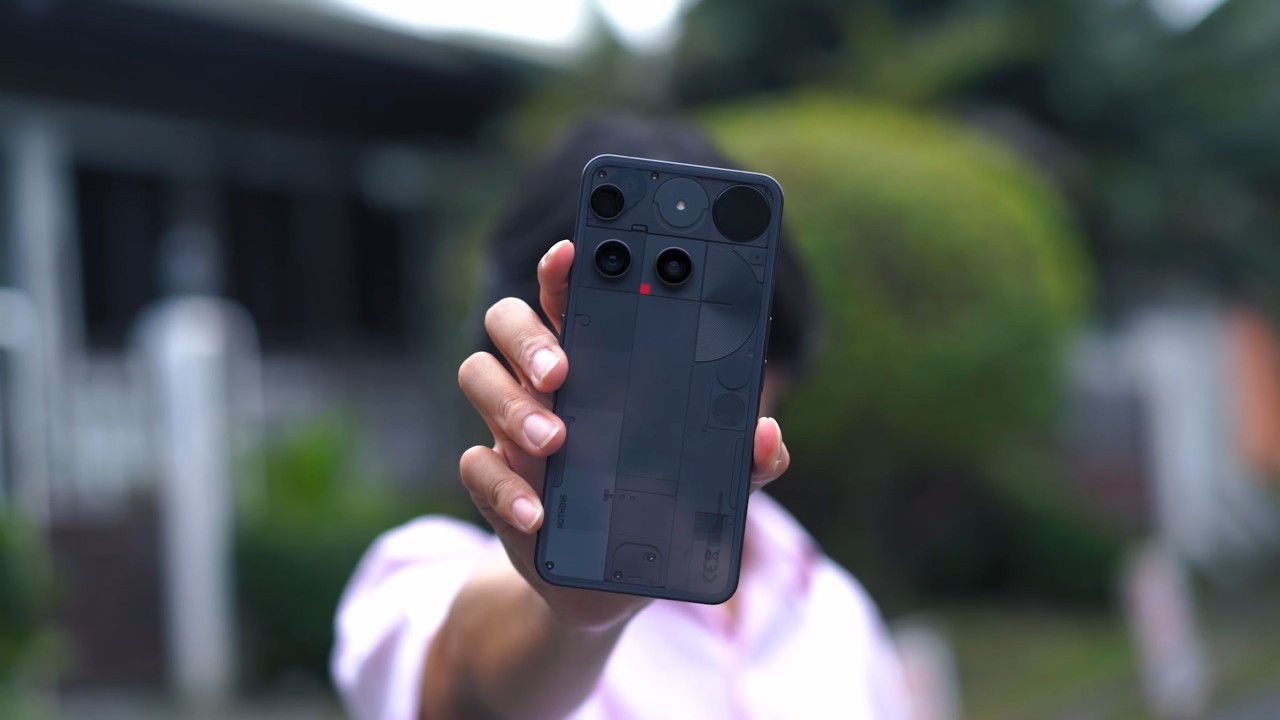
하지만 지금의 인상들은 잠시 접어두세요. 외관 너머 성능은 어떤가요? 카메라는 얼마나 좋은지, 배터리 수명은 어떨까요? 이 전체 리뷰에서 그 모든 질문에 답변드리겠습니다.
디자인 및 건설
먼저 디자인에 대해 이야기해 보겠습니다.
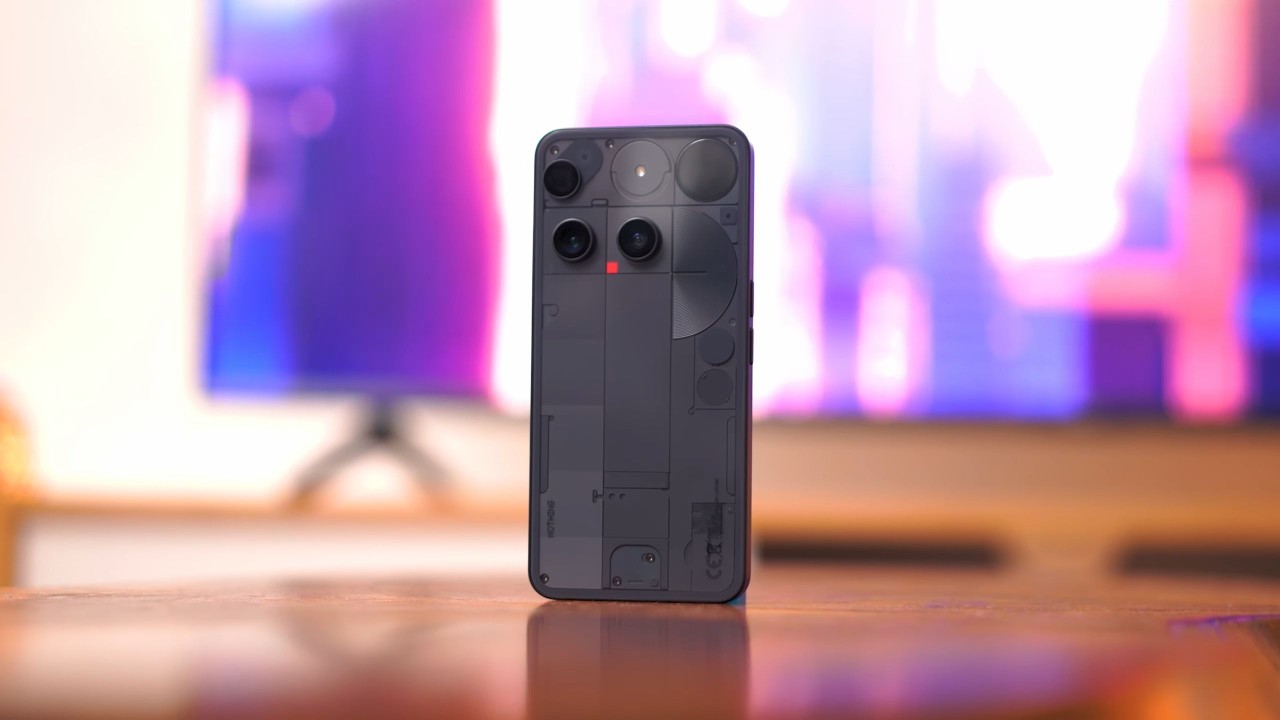
Nothing 은 산업적 요소와 투명 디자인을 거의 모든 기기에 접목하는 독특한 디자인으로 유명하지만, Phone (3) 에서 보여준 것은 특히 흥미롭습니다.
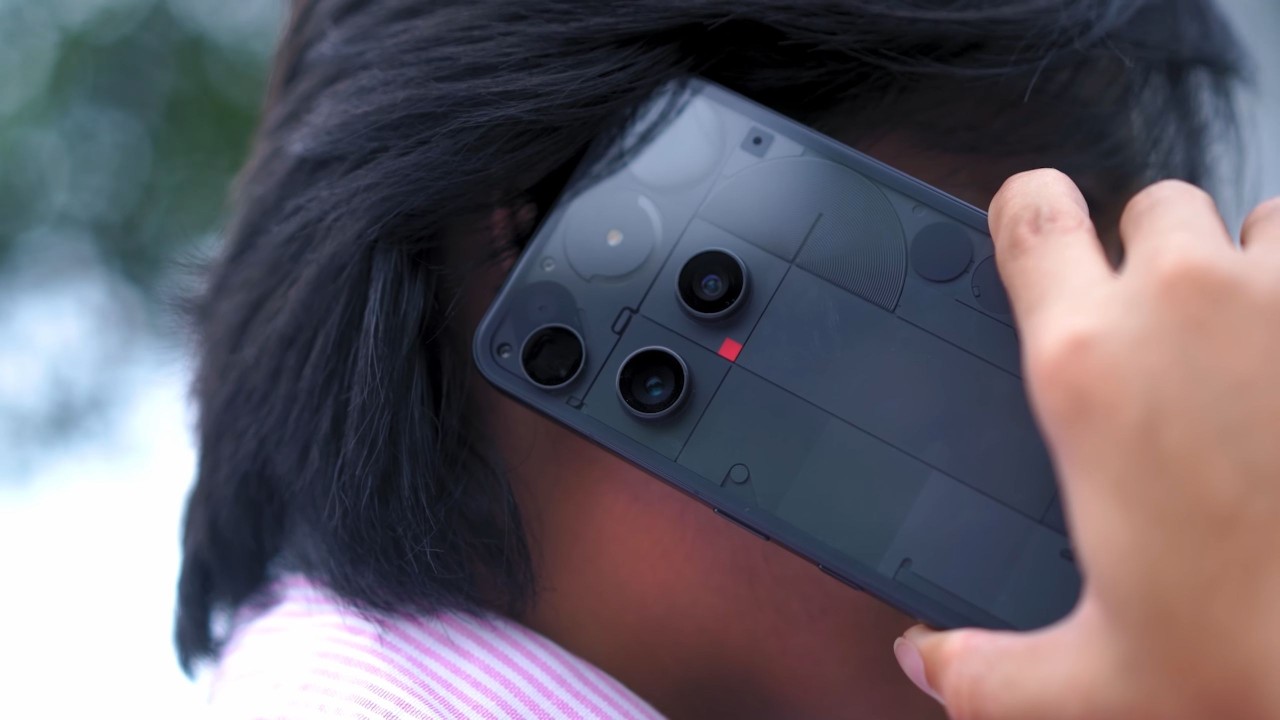
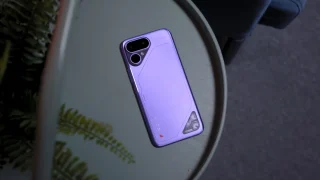
대부분의 부분에서 여전히 투명 백 패널과 여기저기 흩뿌려진 기하학적 패턴으로 Nothing 의 DNA 를 계승하고 있습니다. 다만 여기서 눈에 띄는 주요 디자인 변화는 상징적인 Glyph 인터페이스가 사라졌다는 점입니다.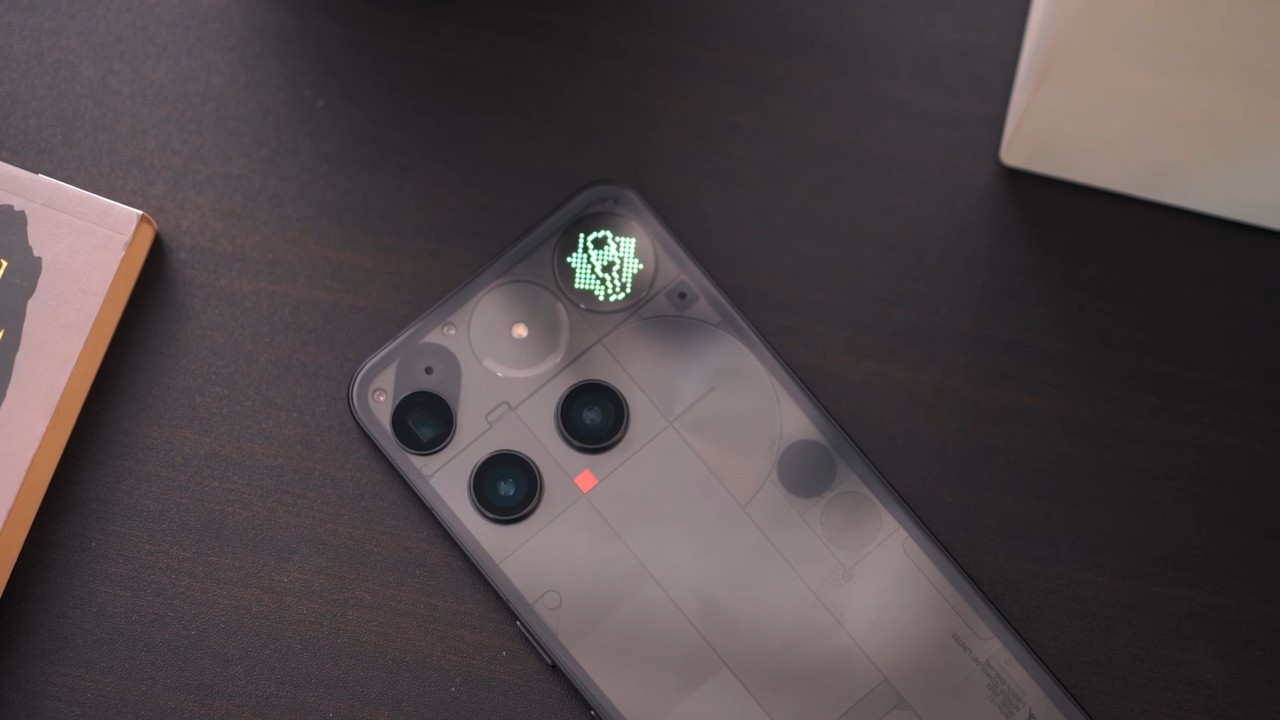
이전 Nothing 폰의 후면에 있던 LED 스트립은 이제 사라졌으며, 대신 'Glyph Matrix'로 대체되었습니다.
이는 기본적으로 뒷면 패널의 오른쪽 상단에 위치한 보조 화면입니다. 다만 보시다시피 이 화면은 원형 패널에 수용되어 있으며 그래픽과 이미지를 표시하기 위한 점 매트릭스 어레이를 갖추고 있습니다. 구체적으로 489개의 미세한 LED가 그 안에 내장되어 있습니다.
생각해보면, Glyph Matrix는 Nothing의 디자인 언어와 실제로 테마를 같이하고 있으며, 그건 정말 멋집니다.

이 기기에서 실제로 '병 돌리기' 게임을 즐길 수도 있습니다! 또는 뷰파인더처럼 사용하여 후면 카메라로 셀카를 찍을 수도 있습니다. (와이드 앵글 셀카는 아주 쉬운 일이 될 것입니다.)
분명히 재미있죠, 특히 저처럼 자연스럽게 스마트폰을 화면이 아래로 향하게 테이블에 두는 사람에게는 더욱 그렇습니다. 하지만 커스텀 알림 아이콘이나 뷰파인더를 제외하고는 이 기능에서 얻을 수 있는 실질적인 효용은 그리 많지 않습니다. 그 외에는 이 폰이 Nothing 제품임을 알리는 단순한 미적 요소일 뿐입니다.
하지만 글리프 매트릭스에 대한 이야기는 이만 하고, 우리가 직면해야 할 핵심 문제인 디자인에 대해 이야기해 보겠습니다.
Nothing Phone (3)의 디자인을 자세히 살펴보니 복잡한 감정이 듭니다. 비록 미학과 모든 측면을 높이 평가하고 싶지만, 비대칭 카메라 배치가 저를 괴롭힙니다.
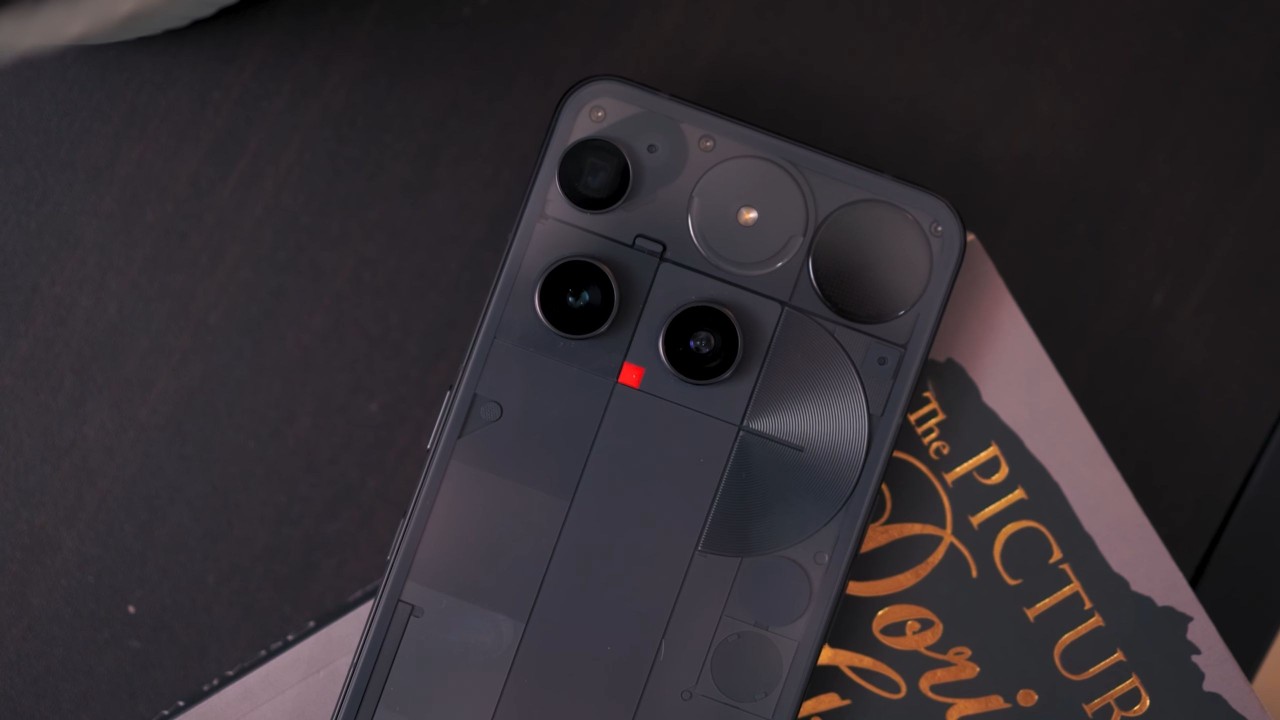
그 자체로 나쁜 것은 아닙니다. 그저 매우 흥미로운 디자인 선택일 뿐입니다. 그 점을 제외하고는, 이 전화기는 잘생기고 정교하게 제작된 것으로 보이며, 그 점은 인정합니다.
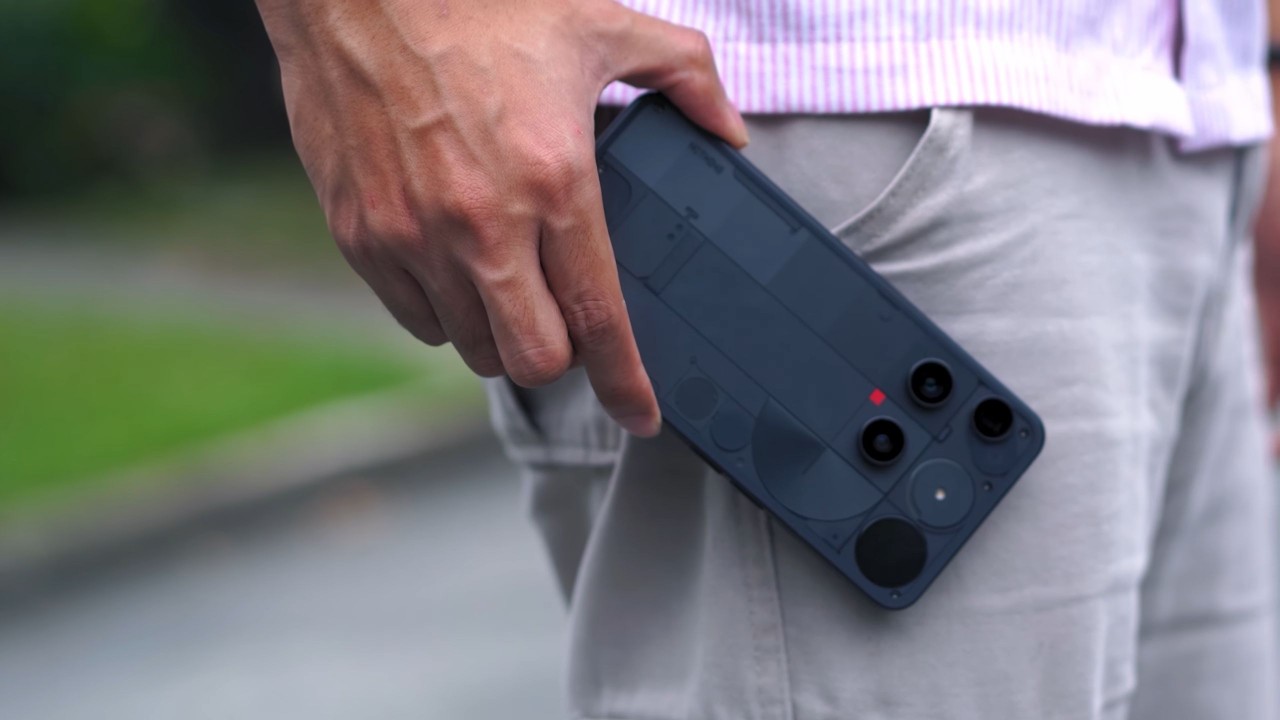
온라인 렌더링이나 여기서 보신 제품 샷이 그 매력을 충분히 담아내지 못합니다. 하지만 실제로 만져보면 놀랍도록 잘생겨 보이고 손에 쥐었을 때 프리미엄한 느낌이 듭니다.
아마도 제가 이 제품에서 얻은 핵심 교훈은 Nothing이 편안함을 추구하는 디자인보다는 다른 방향을 가고 있다는 점입니다. 이해하시나요? 브랜드로서 그들은 항상 규범을 깨며 "기술에 다시 재미를 불어넣겠다"는 목표를 향해 나아갈 것이며, 저는 그 점을 매우 좋게 생각합니다.
솔직히 말해, Phone (3)의 논쟁적인 디자인을 둘러싼 이 전체 논쟁은 노씽에게 유리한 결과입니다. 여기저기서 논의가 촉발되는데, 어떤 이들은 비대칭 카메라 배치를 싫어하고, 어떤 이들은 이전의 LED 파티 라이트를 선호하며, 또 다른 이들은 새로운 디자인을 실제로 좋아합니다. 결국 노씽이 모든 관심을 얻고 있으므로, 우리가 이 문제에 대해 더 많이 이야기할수록 그들은 더 많은 무료 홍보 효과를 얻게 됩니다.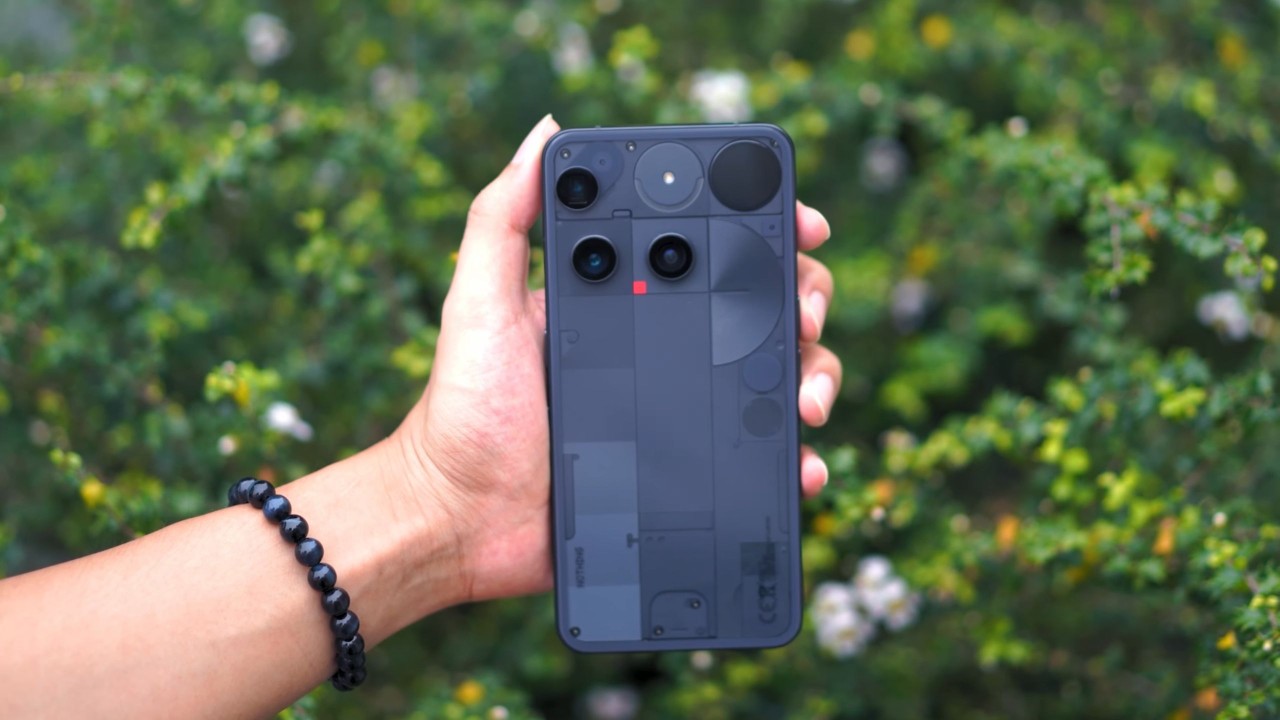
이제 내구성에 대해 살펴보면, 플래그십급 소재가 사용되었습니다: 전면과 후면 패널 모두에 코닝 고릴라 글래스 레이어를 적용했으며, 지문 방지 평평한 알루미늄 프레임을 채택했습니다. 또한 이 스마트폰은 IP68 등급을 받아 먼지와 물로부터 보호됩니다.
I/O 측면에서는 이전 세대와 마찬가지로 오른쪽에 전원 버튼과 함께 Essential Key가 위치해 있으며, 왼쪽에는 볼륨 로커가 있습니다. 하단에는 USB-C 포트와 함께 스피커 그릴, 마이크 슬릿, SIM 트레이가 배치되어 있고, 상단에는 두 번째 스피커 그릴과 또 다른 마이크가 있습니다.

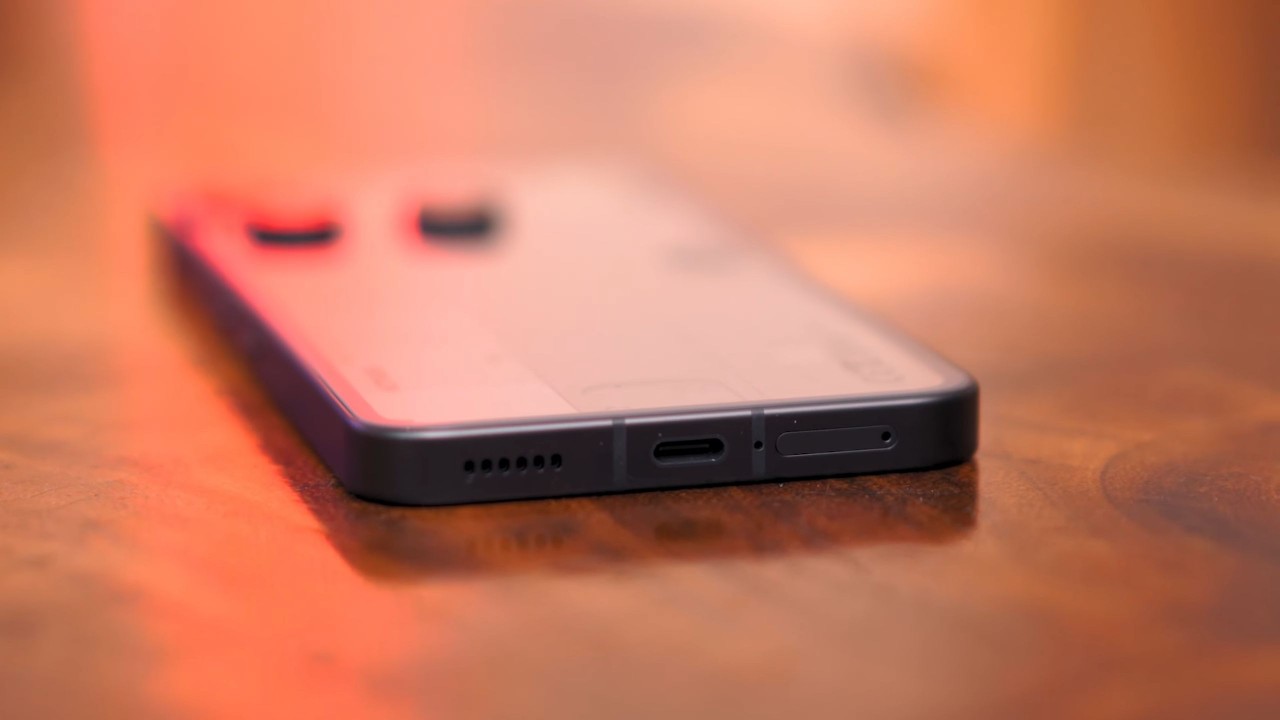
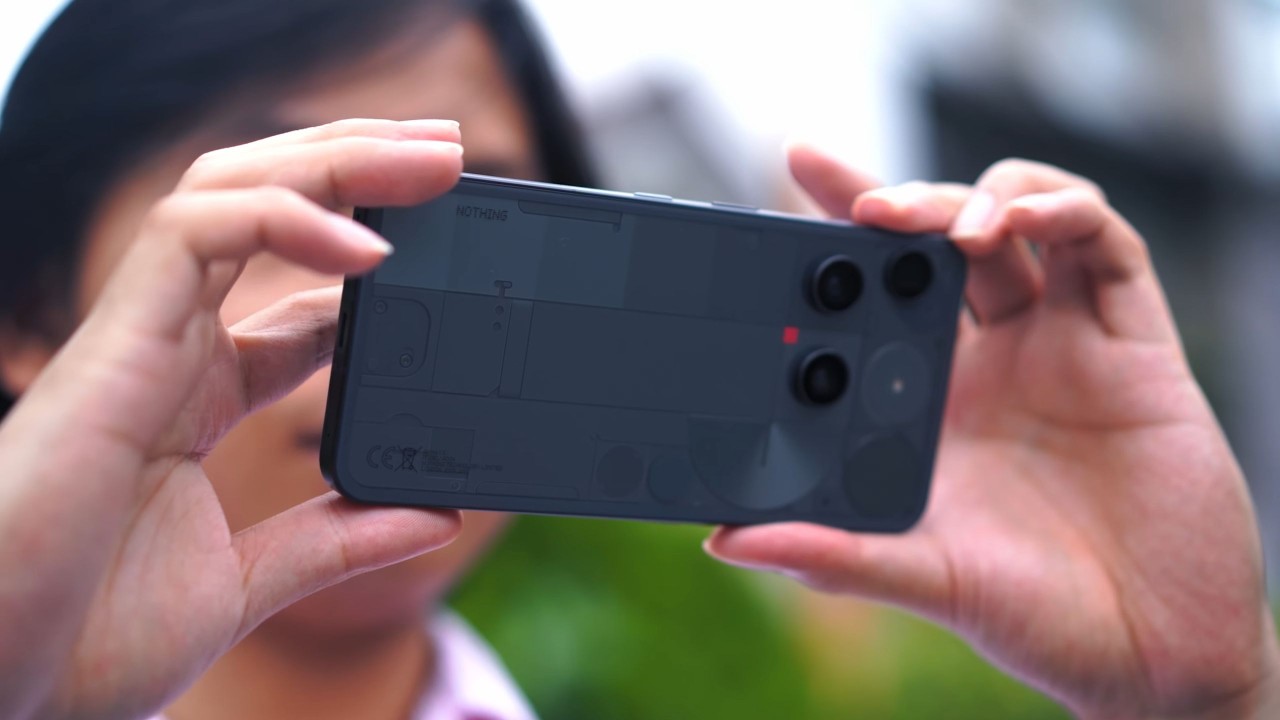
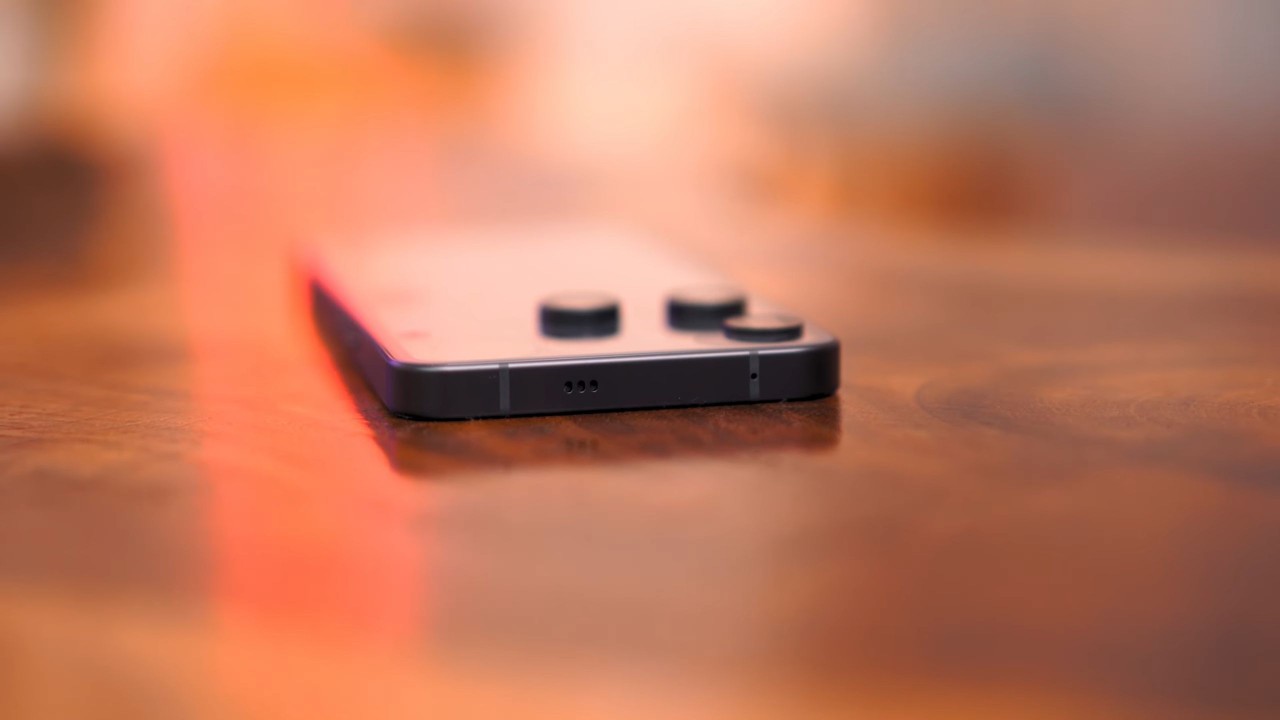
그리고 덧붙여 말하자면, 뒷면에 있는 작은 빨간 사각형은 동영상을 녹화할 때 실제로 빛나며 깜빡입니다.
디스플레이, 멀티미디어 및 생체 인식
폰을 뒤집으면 부드러운 120Hz 주사율을 지원하는 6.67 인치 유연한 AMOLED 디스플레이가 나타납니다. 최대 밝기는 4500 니트에 달하며, 위쪽에는 코닝 글래스 7i 가 적용되었습니다. 참고로 이 유리는 주로 미드레인지 기기에서 사용되며, 주요 차이점은 더 비싼 플래그십 기기에 사용되는 고릴라 빅터스 라인만큼 강력하지는 않다는 점입니다.

이상하게도 Nothing Phone (3)는 플래그십 폰으로 마케팅되고 있지만 LTPO가 탑재되지 않았습니다. 일반 사용자는 사양표를 자세히 보지 않는 한 이를 눈치채기 어렵지만, 이는 LTPO 패널이 제공하는 일부 전력 효율성을 누리지 못한다는 것을 의미합니다.
Despite that, the Phone (3) provides stunning visuals with sharp detail, vivid colors, and good contrast with deep, true blacks. It has even bezels all around, although, it’s not as thin for some reason that it almost looked like a Galaxy A56.

Still, I’ll take the even bezels any day for that matter.
For audio, it features dual stereo speakers that output a nice sound stage with clear highs and mids, and seemingly decent, punchy bass.
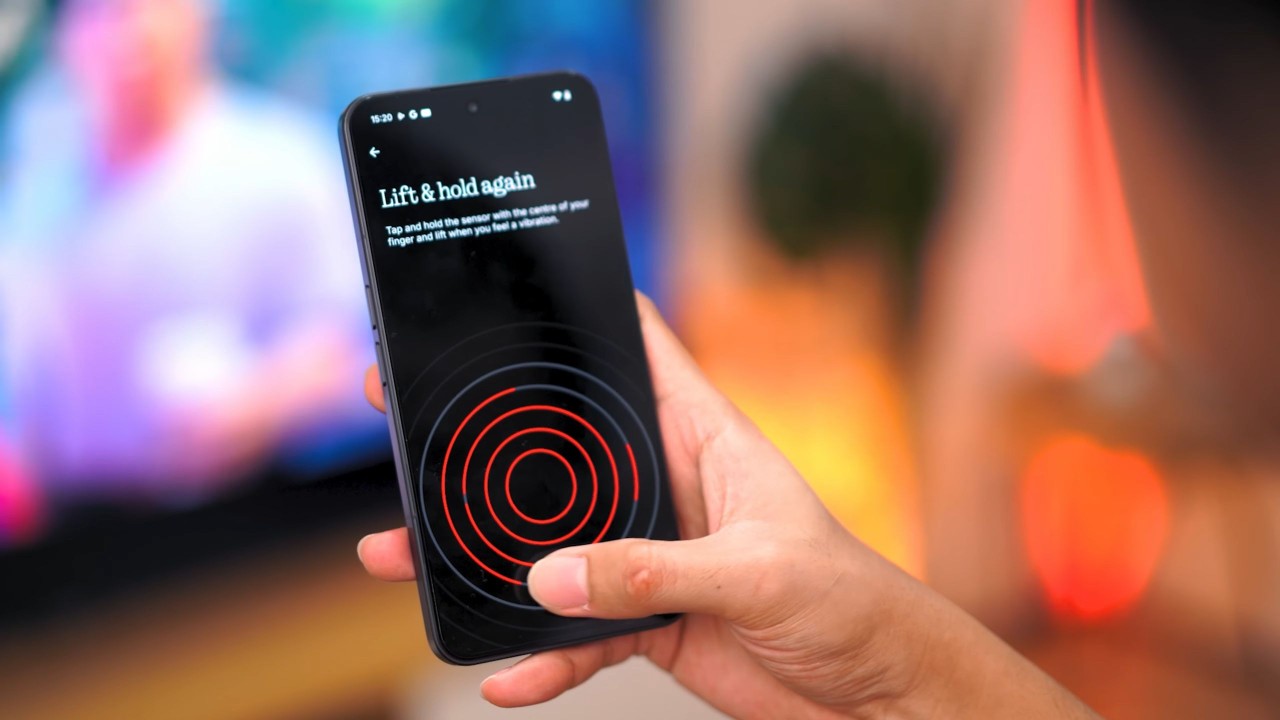
Security-wise, the phone gets an under-display fingerprint sensor, though it’s an optical one rather than an ultrasonic sensor. But yeah, the unlocking experience is still fast in my opinion.
Camera
Now onto camera performance. As the first flagship, I have high expectations for the Nothing Phone (3).
At the rear, it features a trio of 50-megapixel sensors for a primary camera with OIS, an ultrawide, and a periscope telephoto lens, also with OIS. While up front is yet another 50-megapixel sensor for selfies.
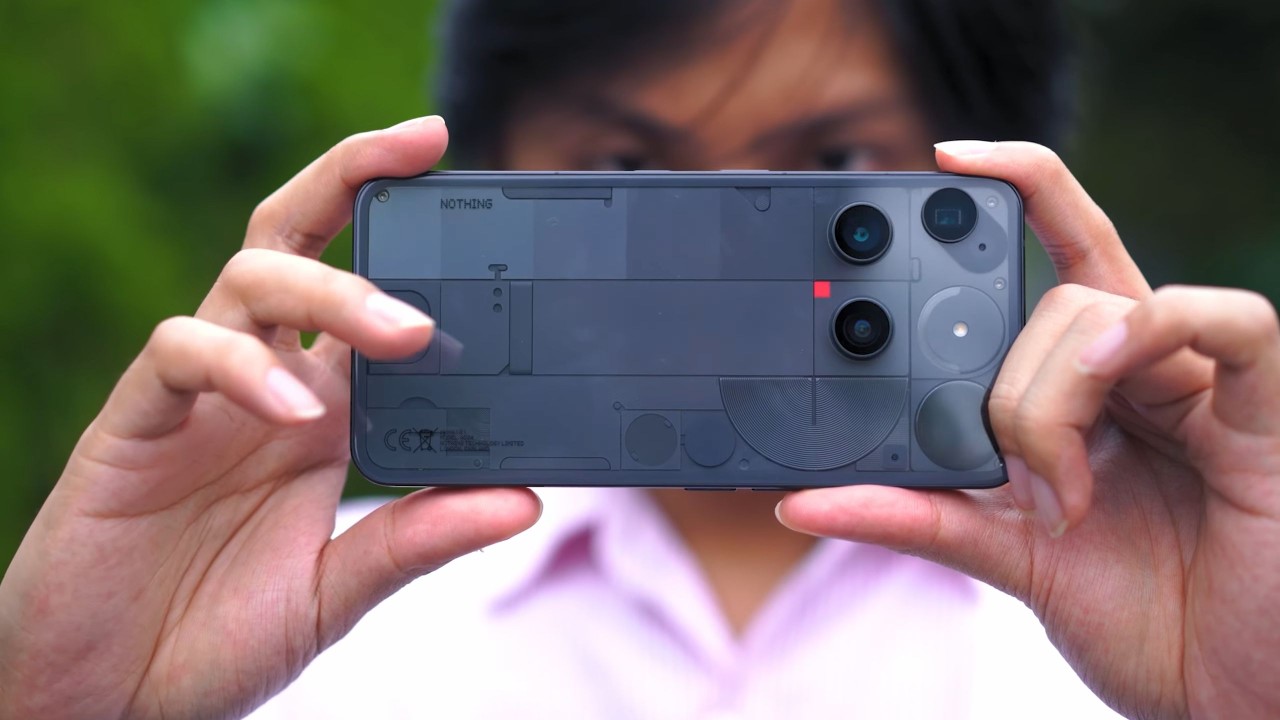
As far as the image quality is concerned, the Nothing Phone (3) did not disappoint. Images coming out from this device offer flagship-level quality with sharp detail, good color reproduction, and good amount of dynamic range.\
Could not load album. Please check the URL.
Ultrawide shots are nice, too. However, the periscope telephoto with 3x optical zoom makes the colors a bit unnatural with softer detail even in bright environments.
One thing I noticed though, is that most of the shots are brighter than usual and the phone tends to wash out the blacks so often. But if ever that happens, a simple exposure adjustment will do.
As for video capture, the Phone (3) also does a great job. Details are sharp, though colors tend to be warmer at times. It doesn’t quite match the new iPhones in terms of quality, but it’s good enough for your casual snaps, especially with the amount of flexibility this phone offers.
Performance and Benchmarks
Moving on to performance, this is where things go a little bit questionable.
Inside the Nothing Phone (3) is the Snapdragon 8s Gen 4 (4nm). Sure, it’s the latest one from Qualcomm, and yes, it’s technically a “flagship-level” chipset.
But it’s hard not to ask: why is it not using the cutting-edge Snapdragon 8 Elite (3nm) instead? To make matters worse, the POCO F7 exists using the same Snapdragon 8s Gen 4, and yet it’s priced at nearly half the cost of the Nothing Phone (3).
I must say, it’s not just about the chipset used. I understand that there are other factors at play, like R&D, hardware, and so on, that influence the final price. But for a first Nothing flagship, I would’ve preferred it to have the latest and greatest chipset available. But that’s just me.
Setting that thought aside, the average user will barely see any difference. The Snapdragon 8s Gen 4, in its own right, is a pretty capable chipset overall. In fact, our benchmark results back that up, achieving high scores across the board.
| Benchmark | Nothing Phone (3) |
|---|---|
| Chipset | Snapdragon 8s Gen 4 |
| AnTuTu V10 | 1,962,026 |
| AnTuTu Storage | 238,590 |
| S.Read Speed | 4004.7 MB/s |
| S.Write Speed | 3791.7 MB/s |
| 3DMark Wild Life | MAXED OUT |
| 3DMark Wild Life Extreme | 4,121 |
| Geekbench 6 CPU Single-Core | 2,143 |
| Geekbench 6 CPU Multi-Core | 6,741 |
| Geekbench 6 GPU OpenCL | 13,612 |
| Geekbench 6 GPU Vulkan | 18,687 |
| PCMark Work 3.0 performance | 14,772 |
| PCMark Work 3.0 battery life | 17 hrs & 49 mins |
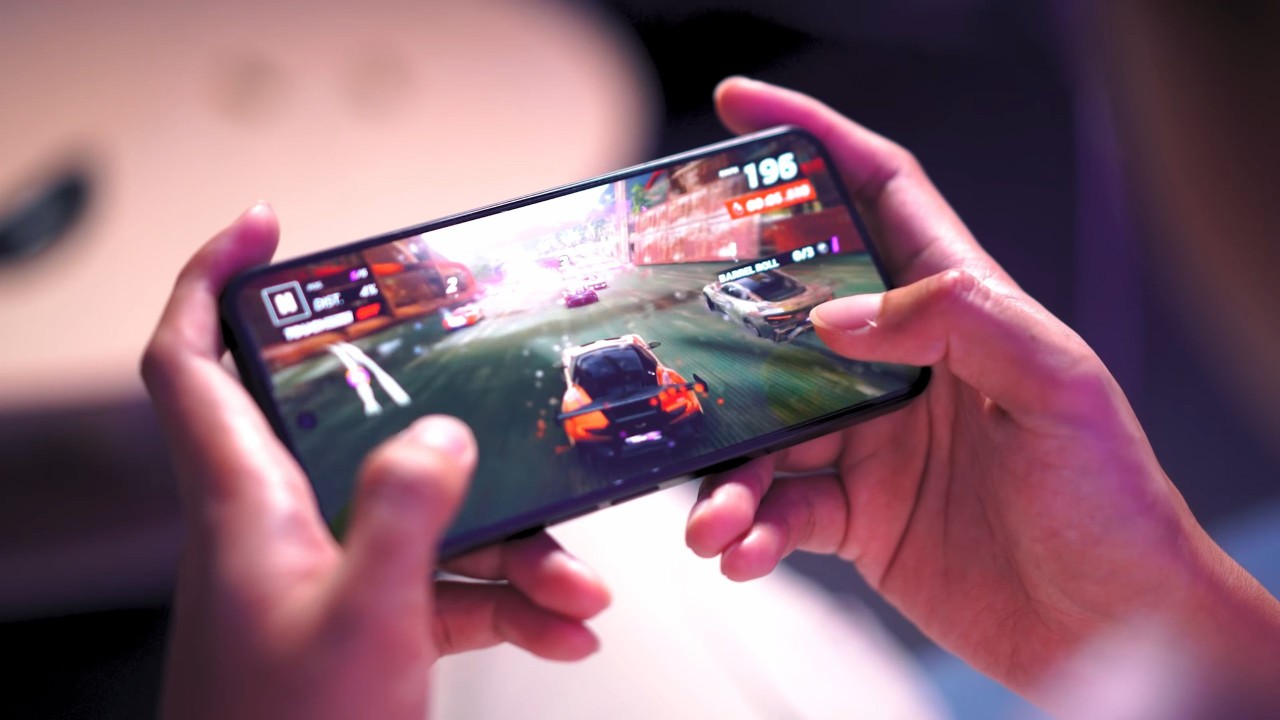
With that in mind, the phone handles everyday tasks with ease. Navigation feels smooth, and it can easily run all your casual games while performing surprisingly well with more graphically demanding titles.
Playing with Maxed-out graphics is definitely possible, although I prefer keeping it on Medium settings to avoid overworking the chip and to save on some power consumption.
It does heat up after prolonged use, but it’s usually not alarmingly hot, mainly thanks to a fairly lightweight and optimized software, which we’ll talk about next.
OS, UI, and Apps
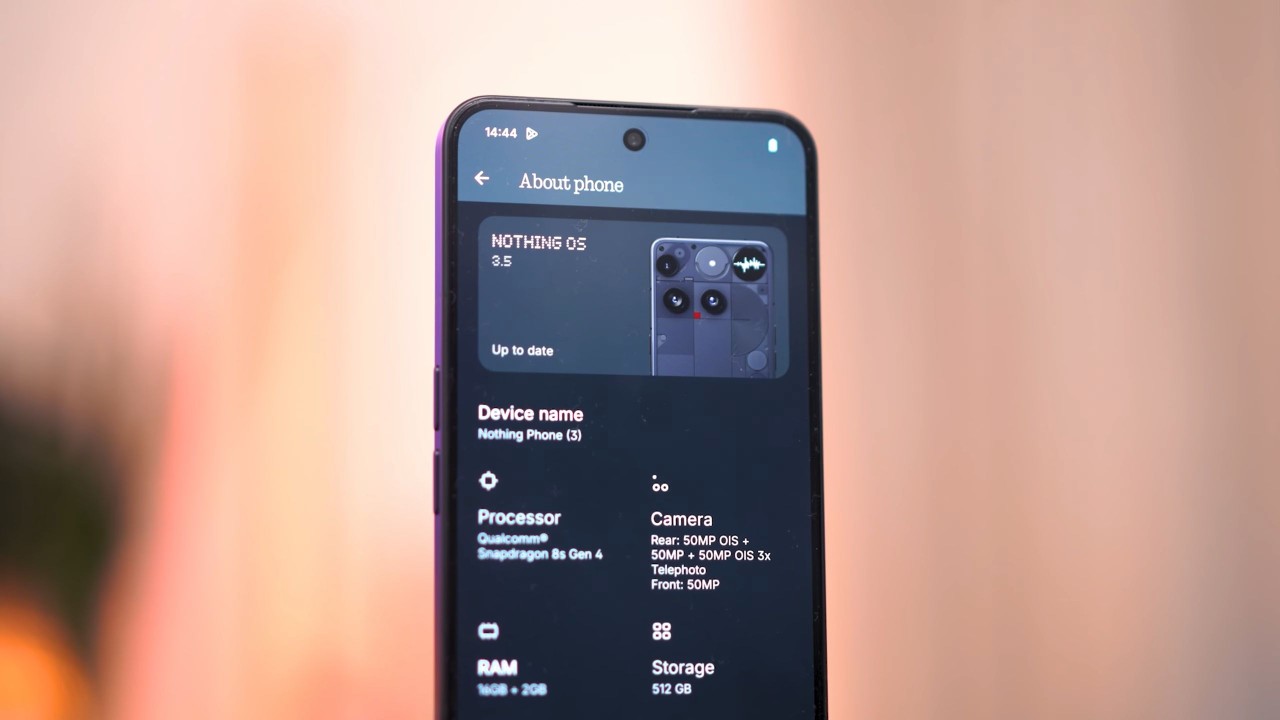
The Nothing Phone (3) runs on the NothingOS 3.5 based on Android 15 out of the box. As you’d expect out of a Nothing device, the UI looks nice and clean, free of any bloatware, except the first-party apps, of course.
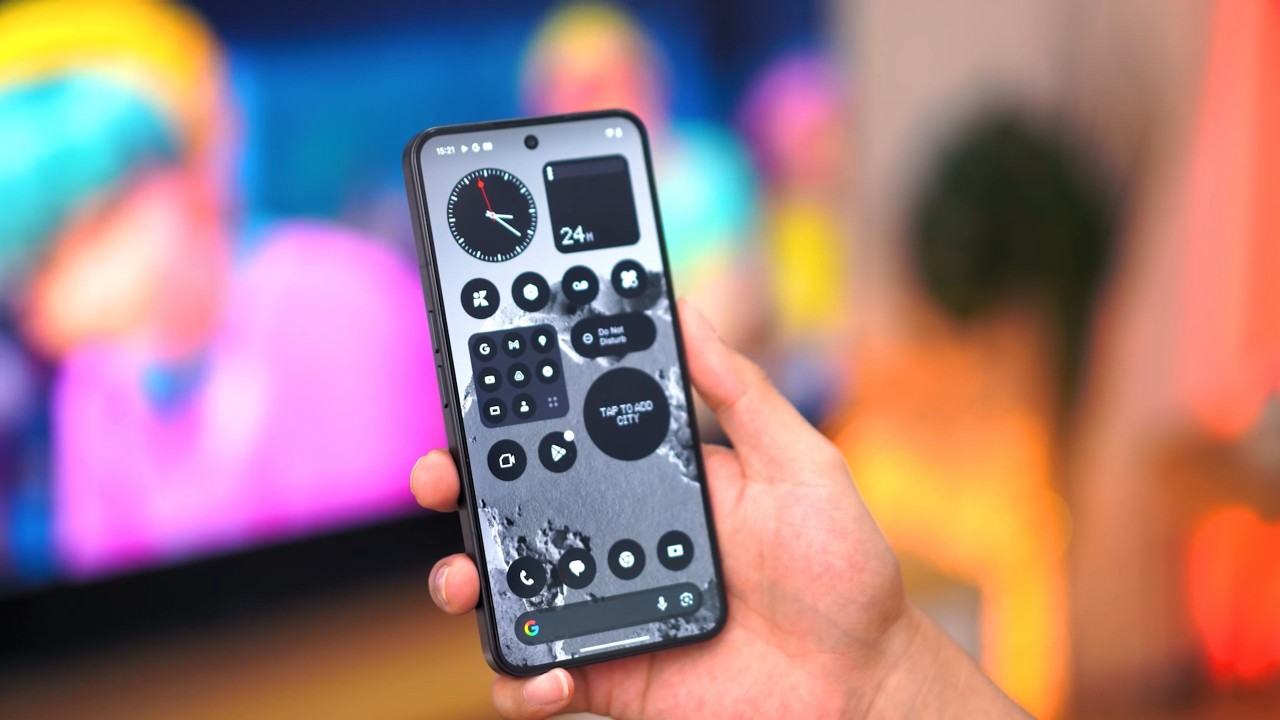
It almost feels like Stock Android, but with a little bit of Nothing flair like those dot matrix text and graphics on the widgets, the monochrome icons, and of course the addition of the Essential Space.
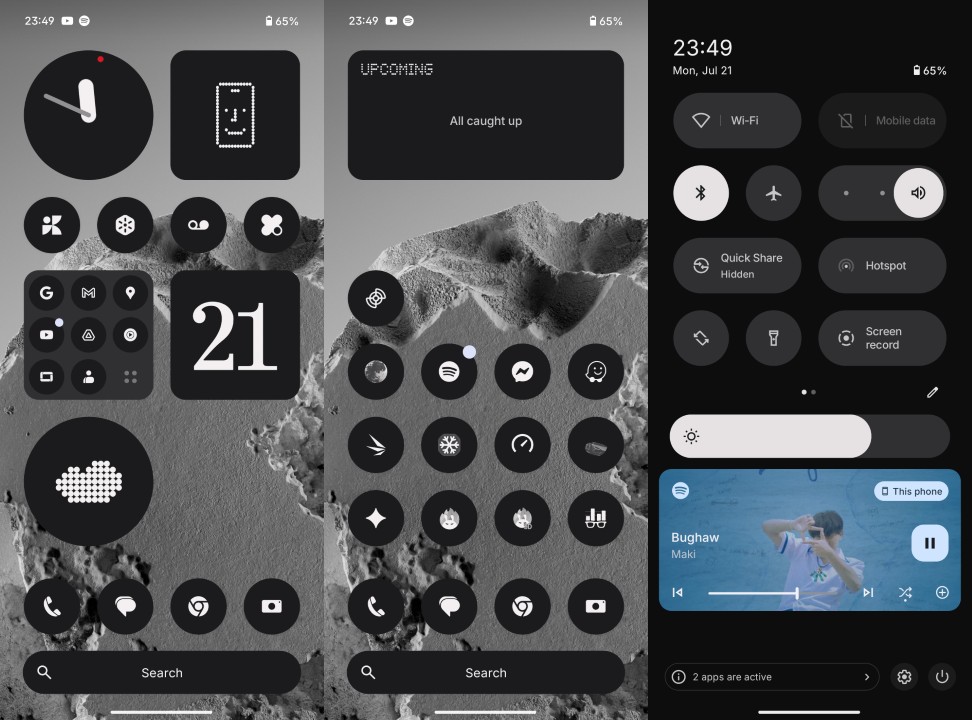
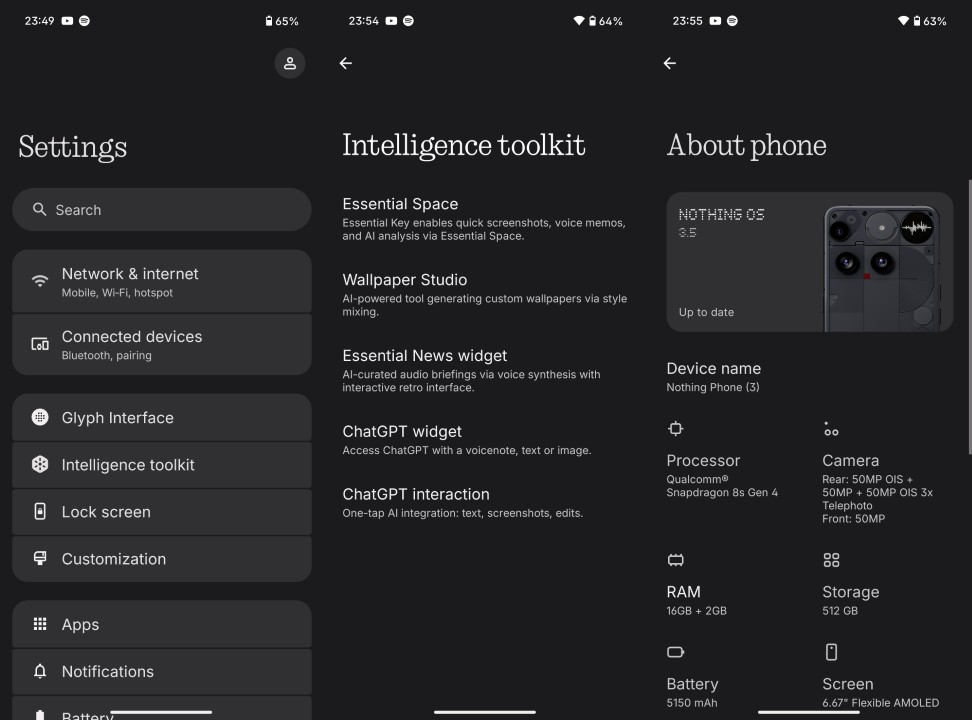
As someone who tends to take note of every possible thing I come up with, I appreciate this feature, especially with a handy button on the side, which is the Essential Key.

This app is basically a supercharged notes app that curates your images, screenshots, reminders, and even voice notes in a more user-friendly way—essentially, a thought organizer of sorts, powered by AI.
Going back to the Glyph Matrix, there’s also a dedicated settings menu where you can create custom notifications. This is also where you’ll find the Glyph Toys for a quick overview.

Perhaps, one of the best things about the Nothing Phone (3) is it’s promised to get five years of major OS upgrades and seven years of security patches. That’s a step up from previous Nothing phones that have shorter update windows.
Connectivity and Battery Life
Another strength of the Phone (3) lies in its battery life. While the phone gets a slightly larger 5150mAh unit, it can easily last you an entire day of use—perhaps thanks to a more optimized software.

In our PCMark battery life test, the phone surpassed 17 hours and 49 minutes of runtime, which is absolutely a solid result.
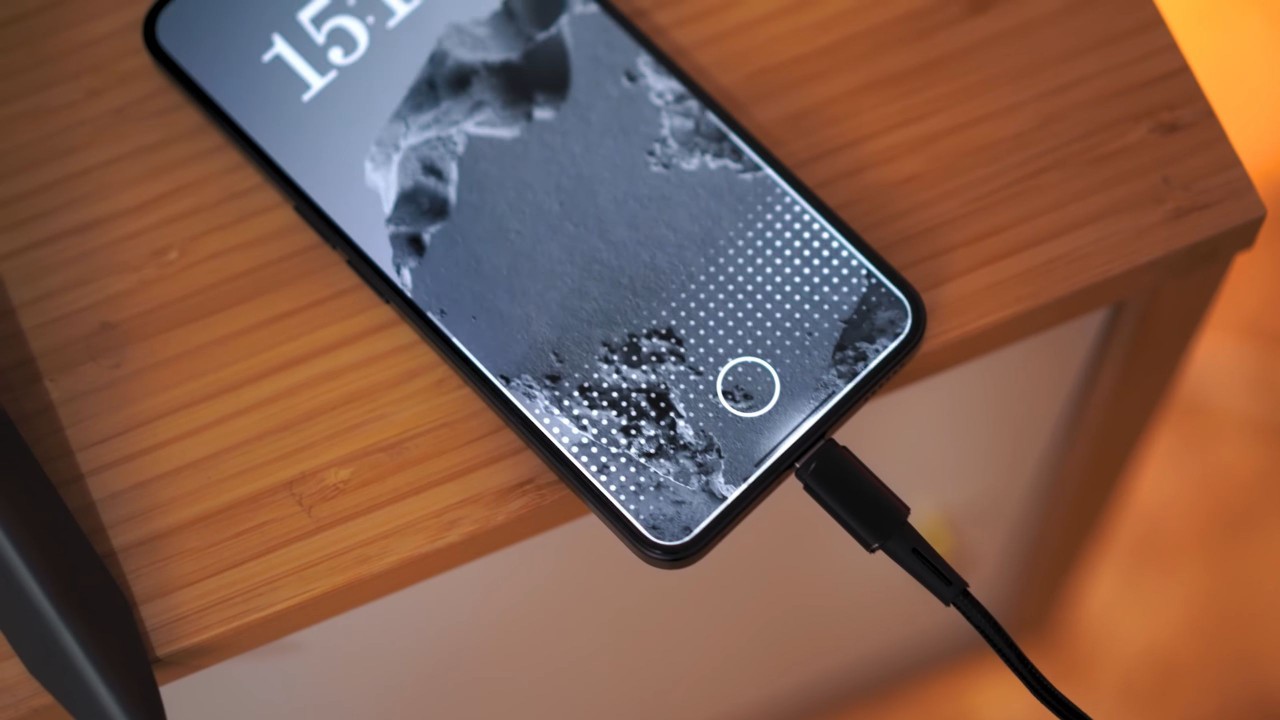
As for charging, the Phone (3) supports 65W of wired and 15W of wireless charging. These aren’t the fastest charging tech in the market, but they will do just fine. Sadly, no bypass charging here, so keep that in mind.
Connectivity-wise, the phone features dual nano-SIM alongside eSIM support, 5G, NFC, Wi-Fi 7, and Bluetooth 6.0.
Pricing and Verdict
Now, we’ve come to the last part of this review, the price.
The Nothing Phone (3) starts at PHP 44,999 for the 12GB+256GB config, while the larger 512GB version goes for PHP 50,999.
At that price, it sounds like a flagship for sure. While there are some clear cutbacks like having no LTPO OLED display or not opting to use a true flagship chip such as the Snapdragon 8 Elite, those who will get the Nothing Phone (3) are surely in for a suitable flagship experience, at the very least.
After all, it still has a nice screen, superb cameras, a sleek and clean software experience with longer updates, solid battery life, and arguably, a unique and functional aesthetic. These key aspects all work together to deliver one of the better, if not the best, flagship experiences available at a significantly lower cost as compared to the big guns like Apple or Samsung.
What we liked:
- Nice screen with uniform bezels
- Glyph Matrix: it’s fun and funtional
- Capable, flagship-level cameras
- Sleek and smooth software experience
What we didn’t like:
- Not using LTPO OLED panel
- Images tend to be brighter than preferred
Nothing Phone (3) specs:
6.67-inch FHD+ flexible AMOLED
1260 x 2800 pixels, 120Hz refresh rate, 460 ppi
1600 nits (outdoor), 4500 nits peak brightness
Corning Gorilla Glass 7i
Qualcomm Snapdragon 8s Gen 4 (4nm)
Octa-core, up to 3.21GHz
12GB, 16GB RAM
16GB+512GB storage
Triple rear cameras:
- 50MP f/1.68 main, OIS
- 50MP f/2.68 periscope tele, OIS
- 50MP f/2.2 ultrawide
50MP f/2.2 selfie shooter (punch hole notch)
Dual nano-SIM, supports eSIM
5G, 4G LTE
Wi-Fi 7
Bluetooth 6.0
GPS, GLONASS, BDS, GALILEO, QZSS, NavIC, SBAS
USB Type-C
NFC
Under-display fingerprint sensor (optical), face unlock
IP68 dust and water resistance
Dual stereo speakers
Nothing OS 3.5 (Android 15)
5 years OS upgrades, 7 years security patches
5150mAh battery
65W charging (wired)
15W wireless, 7.5W reverse wired charging
160.60 x 75.59 x 8.99 mm
218g
White, Black (colorways)

0 Comments
Leave a Reply