
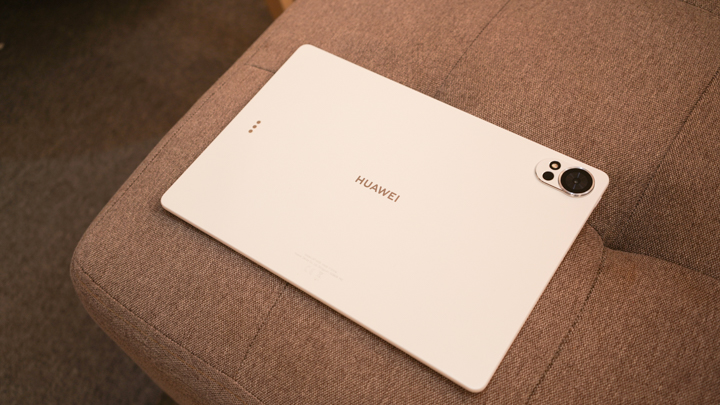
HUAWEI MatePad 12 X (2026) Review




Xiaomi has officially entered the flagship silicon arena with its Xring O1 processor, unveiled today alongside the 15S Pro smartphone, Pad 7 Ultra tablet, and Watch S4 eSIM smartwatch. Built on a second-generation 3 nm process, the 10-core Xring O1 features two 3.9 GHz Arm Cortex-X925 prime cores, four 3.4 GHz performance cores, and a 16-core Immortalis-G925 GPU—boasting an AnTuTu score north of three million and efficiency that rivals Qualcomm’s Snapdragon 8 Elite and Apple’s A18 series.
The new Xiaomi 15S Pro swaps its predecessor’s Snapdragon for the Xring O1, pairing it with a 6.73-inch QHD+ LTPO AMOLED display that hits 120 Hz refresh rates and peaks at 3,200 nits brightness. Its three-camera array includes a 50 MP main sensor, ultrawide, and 5× periscope telephoto lenses, all backed by a hefty 6,100 mAh battery supporting 90 W wired and 50 W wireless charging. A limited-edition carbon fiber design adds a dash of exclusivity for enthusiasts.
Next up is the Pad 7 Ultra, Xiaomi’s flagship tablet with a massive 14-inch 3.2 K OLED screen, 120 Hz refresh rate, and up to 1,600 nits peak brightness. Despite its giant display, it measures just 5.1 mm thin and weighs 609 g, thanks to a high-strength aluminum unibody. Inside, the Xring O1 chip drives productivity and gaming alike, while a 12,000 mAh battery promises multi-day endurance.
Rounding out the lineup is the Watch S4 eSIM 15th Anniversary Edition, powered by Xiaomi’s first wearable chipset, the Xring T1. The 1.43-inch AMOLED watch offers standalone 4G connectivity, advanced health monitoring, and up to 15 days of battery life. It runs HyperOS 2, letting you control smart-home devices and receive calls without your phone in tow.
This trio of products marks Xiaomi’s most ambitious push yet toward vertical integration. While the company has signed a multi-year deal to continue offering Snapdragon 8-series chips in some models, the Xring launches signal a long-term strategy to reduce reliance on external suppliers—much like Apple’s decade-long path with its A-series silicon.

Industry analysts note that while core counts and clock speeds don’t tell the whole story, early benchmarks and real-world tests place the Xring O1 squarely in flagship territory. Xiaomi’s next challenge will be refining its image signal processors, modems, and neural-processing units to fully rival established rivals across every performance metric.
With its Xring O1 and Xring T1 chips powering devices across multiple categories, Xiaomi is betting big on in-house innovation. If successful, it could reshape the competitive landscape, offering high-performance alternatives to established processors and giving consumers more choice—and potentially better value—in Android hardware.






Apple, Asus, Cherry Mobile, Huawei, LG, Nokia, Oppo, Samsung, Sony, Vivo, Xiaomi, Lenovo, Infinix Mobile, Pocophone, Honor, iPhone, OnePlus, Tecno, Realme, HTC, Gionee, Kata, IQ00, Redmi, Razer, CloudFone, Motorola, Panasonic, TCL, Wiko
Best Android smartphones between PHP 20,000 - 25,000
Smartphones under PHP 10,000 in the Philippines
Smartphones under PHP 12K Philippines
Best smartphones for kids under PHP 7,000
Smartphones under PHP 15,000 in the Philippines
Best Android smartphones between PHP 15,000 - 20,000
Smartphones under PHP 20,000 in the Philippines
Most affordable 5G phones in the Philippines under PHP 20K
5G smartphones in the Philippines under PHP 16K


