
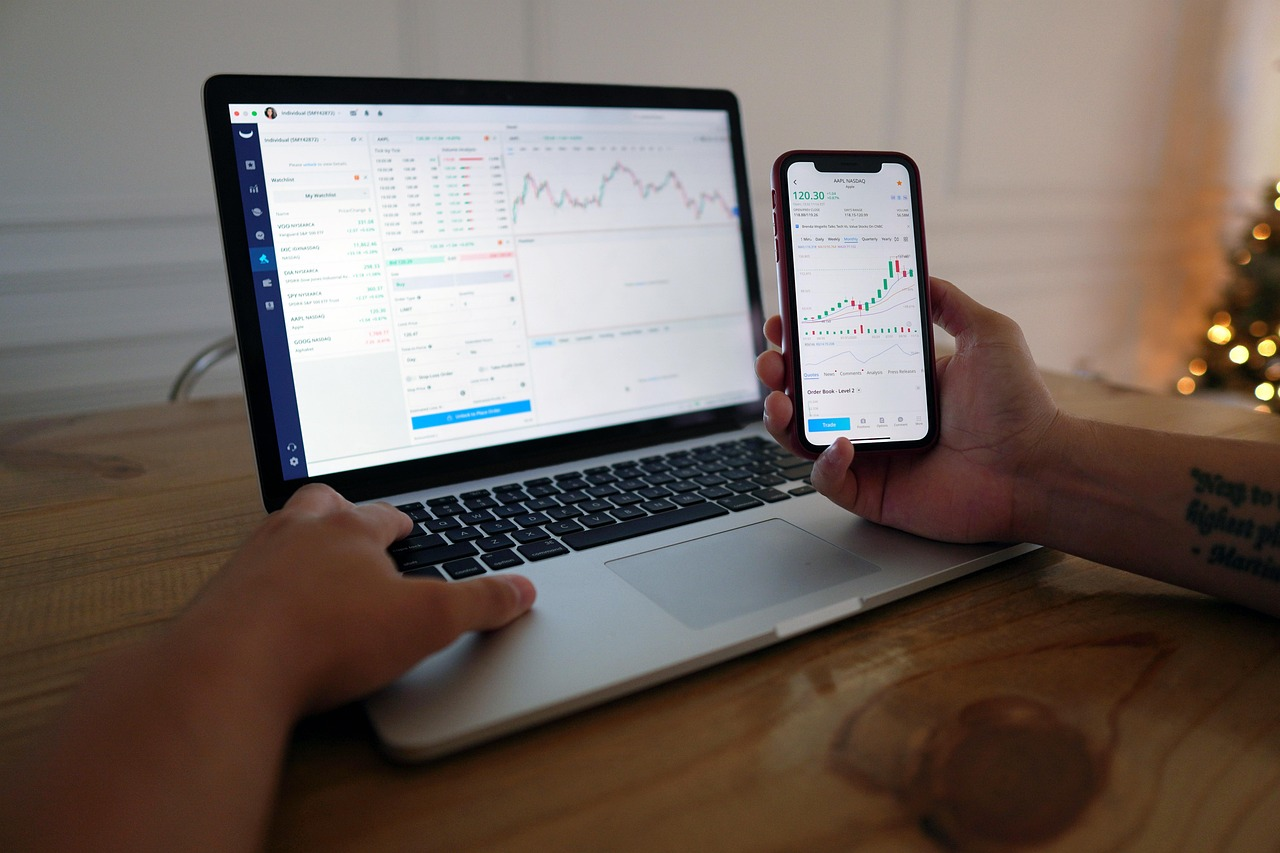
Trading currencies is not only about charts and technical signals. It is also about understanding how market participants feel about economic news and global events. This emotional perspective, known as sentiment, often drives big moves in forex markets. For Filipino traders who follow news closely, sentiment analysis has become an essential tool for capturing opportunities when markets react strongly to headlines.
In the Philippines, more individuals are turning to forex trading as a way to diversify income and participate in global financial markets. They are discovering that combining technical and fundamental analysis with sentiment insights can lead to smarter strategies. Some forex news platforms provide access to market sentiment reports, making it easier for Filipinos to stay ahead of major market reactions.
1. Tracking News Headlines for Early Reactions
Sentiment analysis begins with understanding how news headlines affect currencies. When the Philippines reports stronger than expected GDP growth, or when global events influence the US dollar, traders can see immediate shifts in sentiment. By monitoring these headlines, Filipino traders gain an advantage in anticipating market direction.
Instead of reacting late, traders who track sentiment early can position themselves before the market fully absorbs the news. This proactive approach is especially useful in fast-moving environments.
2. Using Social Media Trends
Social media platforms are powerful indicators of market mood. Discussions on Twitter, trading forums, or financial news sites reveal how investors feel about currencies such as the peso or the dollar. Sentiment analysis tools scan thousands of posts to provide a clear picture of market confidence or fear.
For Filipinos who are active online, these insights can act as an additional layer of analysis. They can use social media sentiment to confirm whether the market supports their trade ideas.
3. Measuring Sentiment in Economic Announcements
When central banks or government agencies release data such as inflation, unemployment, or interest rates, markets respond not only to the numbers but also to the tone of the announcements. A cautious statement may trigger negative sentiment even if the data looks positive.
Filipino traders who learn to interpret these subtleties gain an edge. They can spot hidden opportunities by reading between the lines and identifying whether market participants are optimistic or uncertain.
4. Applying Sentiment to Peso Focused Trades
The Philippine peso often reacts to both local and global developments. When foreign investors show confidence in the country, peso sentiment strengthens. When external risks such as rising oil prices emerge, sentiment may weaken.
By analyzing peso related sentiment, Filipino traders can align their strategies with the bigger picture. This allows them to avoid going against strong market flows and improves their chances of success.
5. Combining Sentiment with Technical Analysis
Sentiment analysis works best when paired with technical indicators. For example, if sentiment shows strong buying pressure on USD/JPY and technical charts confirm a breakout, Filipino traders can act with more confidence.
This combination reduces the risk of false signals. It ensures that decisions are supported by both emotional and statistical factors, creating a balanced trading approach.
6. Learning from Extreme Sentiment
Markets often move sharply when sentiment reaches extreme levels. Overly optimistic traders may push prices too high, while excessive fear can drive unnecessary sell-offs. Recognizing these extremes helps Filipino traders identify potential reversals.
By staying cautious during periods of extreme sentiment, traders can wait for better opportunities. This patience often pays off with safer entries and stronger profits.
7. Building Risk Management Around Sentiment
Sentiment analysis also plays a role in risk management. If the overall market mood is uncertain, Filipino traders can reduce trade sizes or place tighter stop losses. On the other hand, when sentiment is clear and strong, they may choose to hold positions longer.
This flexibility ensures that traders do not overexpose themselves during uncertain times. It creates a balanced approach that protects capital while pursuing growth.
8. Using Sentiment Reports from Brokers
Many international brokers now provide sentiment reports that show the percentage of traders buying or selling certain currency pairs. Filipino traders can use these reports as part of their daily preparation. If the majority of traders are buying a pair, it signals strong market mood, but contrarian traders may also use it to look for reversals.
These reports make sentiment analysis more accessible. Filipino traders, whether beginners or advanced, can integrate them into their strategies without needing to build complex tools.
Why Sentiment Analysis Matters in the Philippines
The Philippines has a young and digitally connected population. Many Filipinos are already active on social media, read news daily, and use mobile apps for financial updates. This natural exposure makes them well suited to sentiment-based trading approaches.
As financial literacy improves in the country, more traders are learning that successful forex strategies require not only technical charts but also an understanding of human psychology. Sentiment analysis provides that missing link between numbers and emotions.
Conclusion
Sentiment analysis is more than just a trend. It is a practical approach that helps Filipino traders make better decisions when trading news-driven markets. By learning to track headlines, study social media, interpret economic announcements, and use broker sentiment reports, traders in the Philippines can enhance their strategies and protect themselves from unnecessary risks.
Forex trading is as much about people as it is about numbers. In a country where adaptability and resourcefulness are cultural strengths, Filipinos who master sentiment analysis will be well positioned to thrive in global markets. By combining emotional insights with technical knowledge, they can trade smarter and more confidently in today’s fast changing world.







0 Comments
Leave a Reply