

Basically, FaceCrypt locks documents and other contents in a vault that can be unlocked through various ways including taking a self-portrait. The difference between the two is that you control what you want to be private by keeping them all inside FaceCrypt, while Face Unlock is only a way to unlock a locked screen. In addition to taking selfies, FaceCrypt can also be unlocked using patterns and passwords to encrypt files for bank accounts, credit cards, and other important data or media. Now, FaceCrypt’s ‘liveness detection’ feature looks for the blinking of eyes to ensure that the face isn’t just an image and is indeed real. FaceCrypt is now available over at the App Store in three versions – a free app with limited storage, a basic app at $4.99, and a plus app worth $3.99. Read more in our articles including "A ‘selfie’ can now be used to protect phones and tablets" and "Google axes AI Studio app before official launch".

Fond of always taking a selfie? Well those selfies can now do more than just…
Apr 2, 2014
Google axes AI Studio app before official launch. Google AI Studio has announced that it…
Aug 4, 2026
Samsung has announced that Prime Video will be the first streaming service to support HDR10+…
Aug 4, 2026
Spotify has launched Running Mode. This is a new feature that creates personalized playlists for…
Aug 2, 2026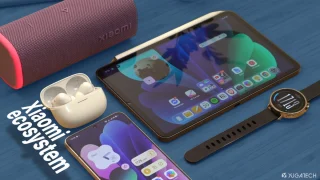
We all know that Apple and its closed ecosystem is arguably THE best one out…
Aug 1, 2026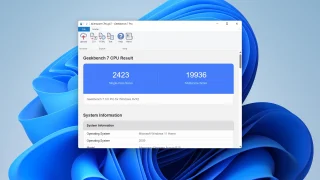
What’s new in Geekbench 7 New media workloads for AV1 video encoding, Opus audio compression,…
Jul 27, 2026Basically, FaceCrypt locks documents and other contents in a vault that can be unlocked through various ways including taking a self-portrait. The difference between the two is that you control what you want to be private by keeping them all inside FaceCrypt, while Face Unlock is only a way to unlock a locked screen.
In addition to taking selfies, FaceCrypt can also be unlocked using patterns and passwords to encrypt files for bank accounts, credit cards, and other important data or media. Now, FaceCrypt’s ‘liveness detection’ feature looks for the blinking of eyes to ensure that the face isn’t just an image and is indeed real. FaceCrypt is now available over at the App Store in three versions – a free app with limited storage, a basic app at $4.99, and a plus app worth $3.99.
Our coverage of facecrypt includes: "A ‘selfie’ can now be used to protect phones and tablets"; "Google axes AI Studio app before official launch"; "Samsung's HDR10+ ADVANCED debuts on Prime Video". Each article provides unique insights and information.