

In the world of consumer goods there will always be fake ones (or knock-offs or Class A units) especially if when it comes to electronics. Normally, the word fake is always associated to something that is illegal, and if we're talking about quality, substandard. By definition, fake means something that is not genuine, a counterfeit. Producers of these kind of goods have one goal in mind - profit. There are multiple reasons why a consumer would buy a fake product: • They want to project an image that they're using a well-known brand, but can't afford the original. Although we all know that the answer to this one is a resounding no, there's one factor that makes fake goods really appealing - the price. Fake goods are way cheaper than the original. And if a fake good can satisfy the consumer's basic needs, it will be hard to resist. Read more in our articles including "Lazada, Shopee, other businesses sign MOU against fake goods" and "Is buying fake goods worth it?".

The country’s biggest e-commerce platforms, Lazada and Shopee, have signed a memorandum of understanding (MOU)…
Mar 2, 2021In the world of consumer goods there will always be fake ones (or knock-offs or…
Sep 10, 2016
The European Commission has added four markets from Metro Manila, and the e-commerce platform Shopee…
Jan 17, 2023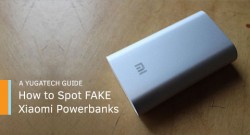
Xiaomi offers some of the most bang-for-the-buck devices, including powerbanks which often sell out in minutes. How can…
Apr 10, 2015
The Bureau of Internal Revenue (BIR) released a new memorandum announcing the availability of the…
May 26, 2026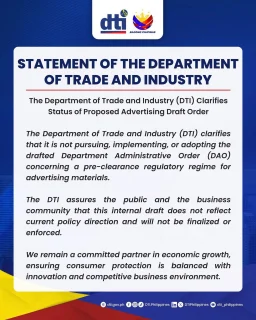
Earlier this week, the Deepartment of Trade and Industry has released a proposal to require…
May 23, 2026In the world of consumer goods there will always be fake ones (or knock-offs or Class A units) especially if when it comes to electronics. Normally, the word fake is always associated to something that is illegal, and if we're talking about quality, substandard.
By definition, fake means something that is not genuine, a counterfeit. Producers of these kind of goods have one goal in mind - profit. There are multiple reasons why a consumer would buy a fake product: • They want to project an image that they're using a well-known brand, but can't afford the original.
Our coverage of fake goods includes: "Lazada, Shopee, other businesses sign MOU against fake goods"; "Is buying fake goods worth it?"; "EU Watch List flags Shopee, Divisoria, Greenhills for selling fake goods". Each article provides unique insights and information.