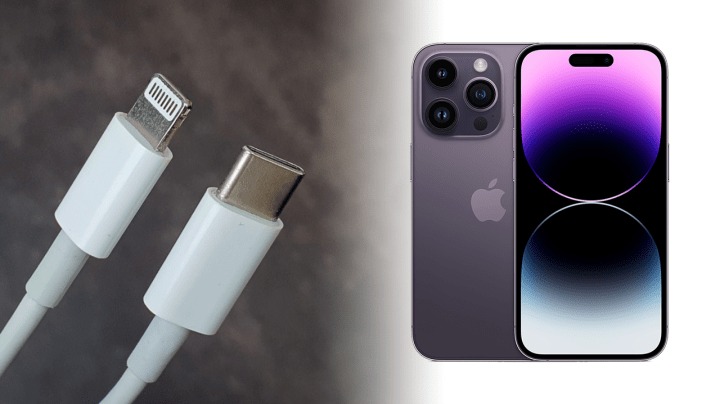


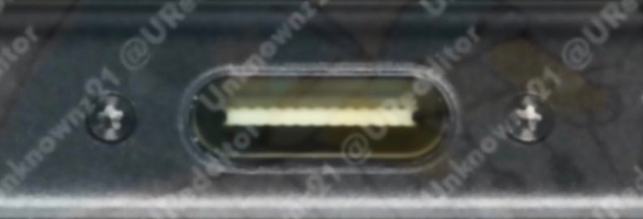


Following the EU's recent passage of a law requiring USB-C as the common charging port for mobile devices by 2024, it is now Apple's turn to comply. This means replacing the beloved Lightning port on the iPhone with a USB-C port. However, it appears that the company is once again using a clever tactic to micromanage its iPhones within its own products. A recent leak of the iPhone 15 Plus’ USB-C port component shows an Apple-made '3LD3' chip. You can see the packaged chip on the iPhone 15 series. That the chip may serve as transmission encryption—providing encryption features to protect the iPhone from data compromise. At the same time, the chip may hinder USB-C's functionality and prevent it from reaching its full potential on the iPhone. Tech analyst Ming-Chi Kuo previously revealed that users of the iPhone 15 USB-C may need to use Apple-certified cables in order to enjoy faster charging. Read more in our articles including "iPhone 15 USB-C leak shows Apple ‘3LD3’ chip that may limit data, charging speed" and "EU warns Apple over limiting performance of uncertified USB-C cables for iPhones".
Following the EU’s recent passage of a law requiring USB-C as the common charging port…
Aug 15, 2023
It has already been widely known that the European Union (EU) is pushing to have…
May 7, 2023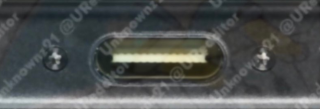
Is it really happening? Leaked images of the iPhone 15’s design seem to all but…
Feb 23, 2023
Apple is reportedly planning to limit the functionality of the upcoming USB-C ports that will…
Feb 11, 2023
Apple executive Greg Joswiak today—during the Wall Street Journal Tech Live conference—has given the most…
Oct 26, 2022
People have been asking for a while now when Apple will finally let go of…
Jun 10, 2022Following the EU's recent passage of a law requiring USB-C as the common charging port for mobile devices by 2024, it is now Apple's turn to comply. This means replacing the beloved Lightning port on the iPhone with a USB-C port.
However, it appears that the company is once again using a clever tactic to micromanage its iPhones within its own products. A recent leak of the iPhone 15 Plus’ USB-C port component shows an Apple-made '3LD3' chip. You can see the packaged chip on the iPhone 15 series.
Our coverage of iPhone USB-C includes: "iPhone 15 USB-C leak shows Apple ‘3LD3’ chip that may limit data, charging speed"; "EU warns Apple over limiting performance of uncertified USB-C cables for iPhones"; "iPhone 15 design leak shows USB-C port". Each article provides unique insights and information.