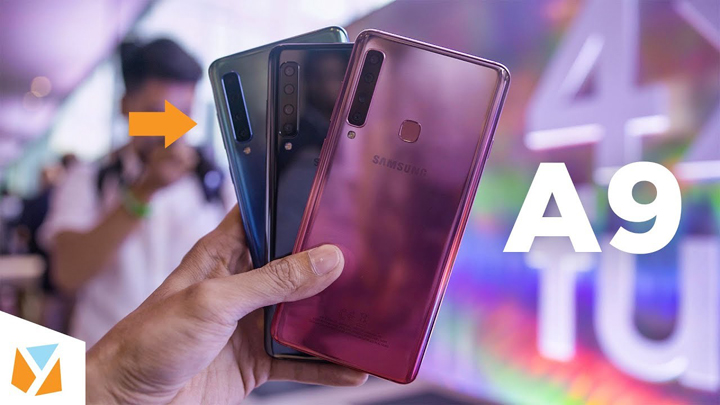

Samsung recently launched the world's first quad-camera smartphone called the Galaxy A9 (2018). Samsung released a slightly upgraded version of last years A9, the Galaxy A9 Pro, with 4GB RAM and beefier 5000 mAh battery. The Galaxy A9 Pro is also one of Samsung's largest phablets to date which packs a 6-inch Full HD Super AMOLED display powered by Qualcomm Snapdragon 652 octa-core processor. The Samsung Galaxy A27 5G starts at Php 18,990 for the 6+128 GB variant and Php 21,990 for the 8+256 GB model. Available colors are Black, Blue, and Light Pink, with availability starting July 10 through Samsung.com, Samsung Experience and Authorized Stores, and Samsung Flagship stores at Lazada and Shopee. Samsung has unveiled the Galaxy Book 6 Edge, its first laptop powered by Qualcomm’s new Snapdragon X2 Elite processor. The Galaxy Book 6 Edge comes with a 16-inch anti-reflective AMOLED screen, 1TB of storage and 16GB RAM, and Samsung is putting a big spotlight on what it calls its AI stuff, plus it claims as much as 22 hours of battery life, depending on use. It also leans into Samsung ecosystem features like Storage Share, Multi Control, Second Screen, and Nearby Devices, so it’s meant to stay pretty smooth with Galaxy phones and tablets for a kind of seamless connection. Read more in our articles including "Watch: Samsung Galaxy A9 (2018) Hands-On Review" and "Samsung outs Galaxy A9 Pro with 6-inch display, 5000 mAh battery".

Samsung recently launched the world’s first quad-camera smartphone called the Galaxy A9 (2018). It sports…
Oct 18, 2018Samsung released a slightly upgraded version of last years A9, the Galaxy A9 Pro, with…
Apr 20, 2016
The Samsung Galaxy A27 5G starts at Php 18,990 for the 6+128 GB variant and…
Jun 26, 2026
Samsung has unveiled the Galaxy Book 6 Edge, its first laptop powered by Qualcomm’s new…
Jun 16, 2026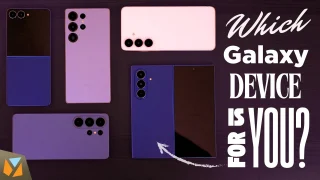
Which Samsung Galaxy device fits your life? We break down the S25 FE, Z Flip…
May 20, 2026
As the pioneer in foldables, Samsung is expected to release a new version of its…
May 15, 2026Samsung recently launched the world's first quad-camera smartphone called the Galaxy A9 (2018). Samsung released a slightly upgraded version of last years A9, the Galaxy A9 Pro, with 4GB RAM and beefier 5000 mAh battery. The Galaxy A9 Pro is also one of Samsung's largest phablets to date which packs a 6-inch Full HD Super AMOLED display powered by Qualcomm Snapdragon 652 octa-core processor.
The Samsung Galaxy A27 5G starts at Php 18,990 for the 6+128 GB variant and Php 21,990 for the 8+256 GB model. Available colors are Black, Blue, and Light Pink, with availability starting July 10 through Samsung.com, Samsung Experience and Authorized Stores, and Samsung Flagship stores at Lazada and Shopee. Samsung has unveiled the Galaxy Book 6 Edge, its first laptop powered by Qualcomm’s new Snapdragon X2 Elite processor.
Our coverage of samsung galaxy a9 includes: "Watch: Samsung Galaxy A9 (2018) Hands-On Review"; "Samsung outs Galaxy A9 Pro with 6-inch display, 5000 mAh battery"; "Samsung Galaxy A27 5G now official, specs and price in PH". Each article provides unique insights and information.