
全新的Infinix GT30 Pro可以说是该品牌迄今为止最出色的预算级游戏智能手机。它具备您在一款游戏手机中期望的所有功能:配备支持全天候120FPS游戏的AMOLED高刷新率显示屏、强大的芯片组,且无需支付“游戏手机税”。
最棒的是,它甚至配备了名为GT扳机的肩部按键和一套游戏套件,其中包括磁吸散热壳(Thermal MagCase)和磁吸充电散热器(MagCharge Cooler)——这些都是你从游戏手机中会期待到的配件。
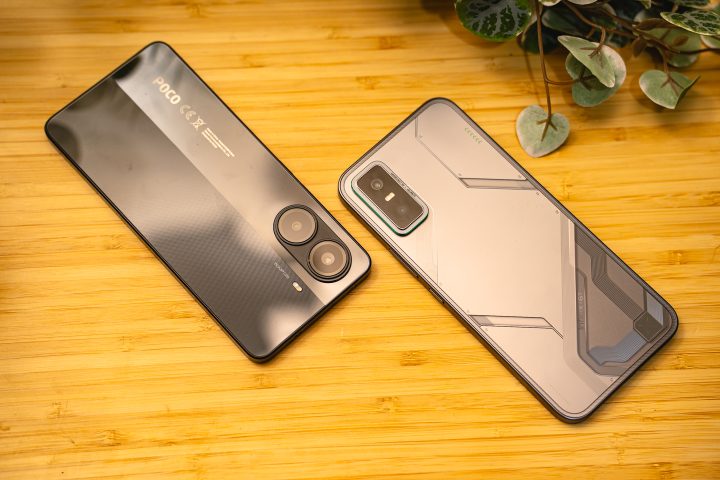
但它与我们今年早些时候评测过的另一款优秀预算游戏手机——POCO X7 Pro相比如何?该设备于2025年1月左右发布,同样因其强大的芯片组和长续航而获得赞誉。
Infinix GT30 Pro 和 POCO X7 Pro 都是非常实惠的智能手机,但让我们看看哪一款会脱颖而出。
设计与建造
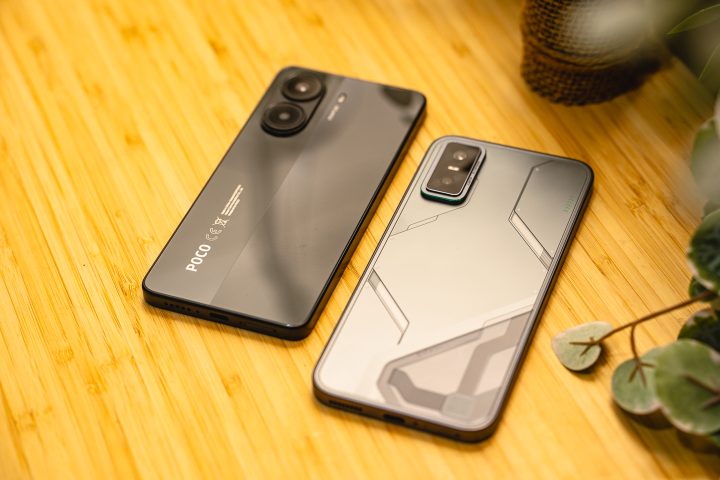
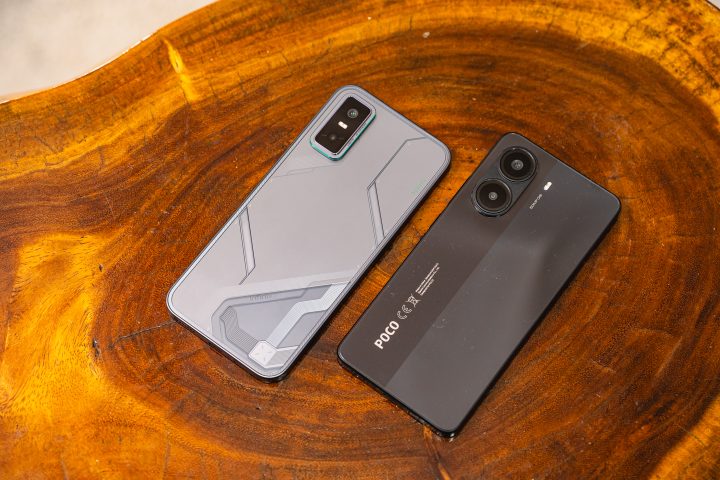
让我们从设计开始。两款手机在造型上显然针对不同的受众。
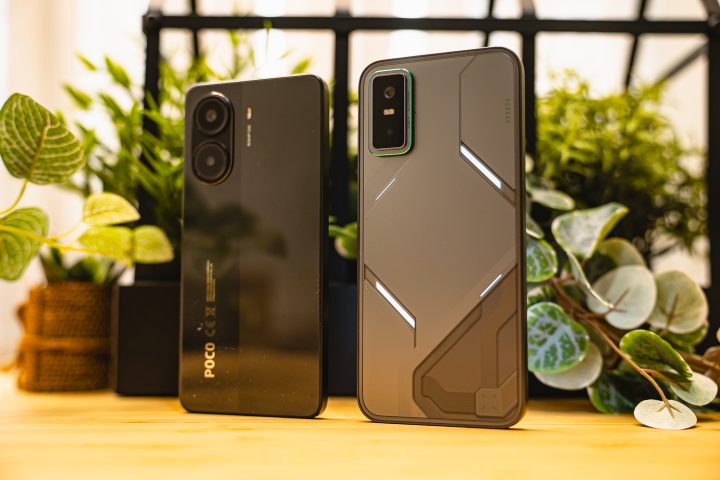
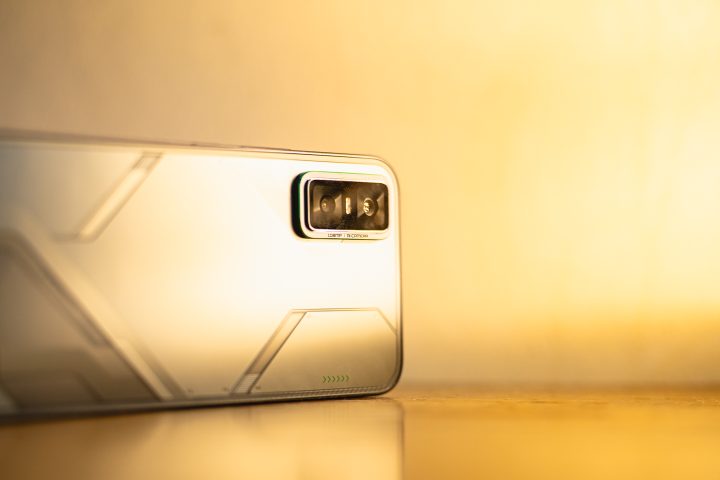
从Infinix GT30 Pro开始,可以明显看出这款手机是专为游戏玩家设计的。它采用了激进的后盖设计,配备名为“机械光波”的LED灯效,并融入机械美学元素。矩形摄像头模组周围环绕着绿色装饰,进一步增强了游戏氛围。
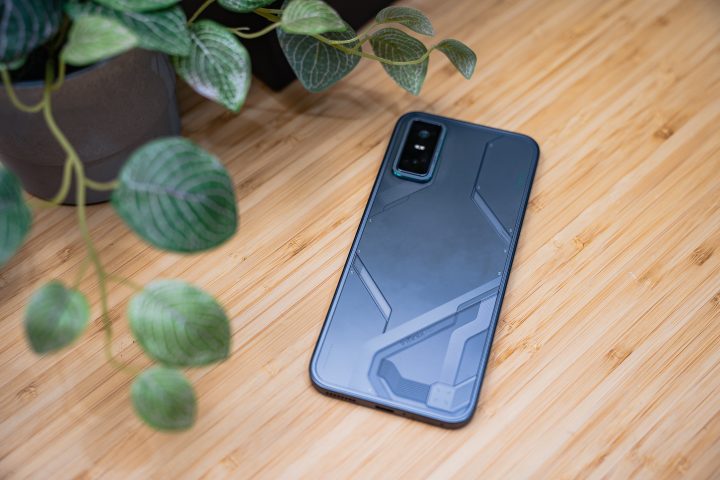
所用材料相当不错。机身背面为塑料材质,表面经过光泽处理,边框亦为塑料。尽管如此,手机握持感依然坚固。LED 灯光完全可自定义,支持随音乐或通知脉冲闪烁,也可常亮,对于喜欢增添个性 flair 的用户来说,这是一个贴心的设计。
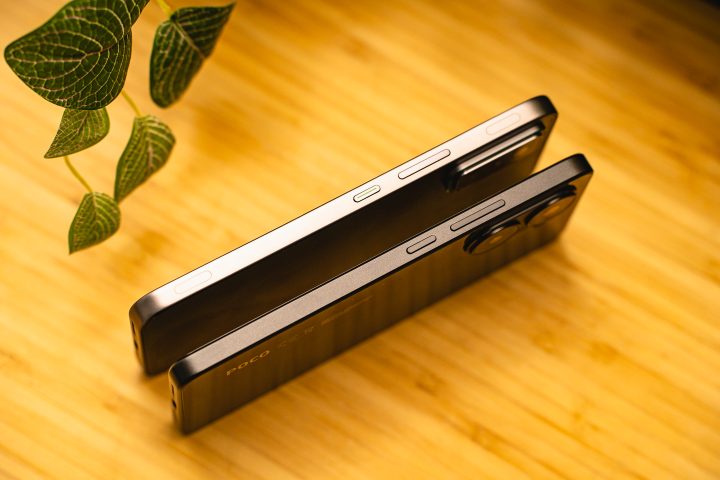
当然,GT 30 Pro 最出色的功能之一就是 GT 触控键。GT 触控键通常被称为肩部触发器,这类配置一般只出现在高端游戏手机上。
不玩游戏时,这些触控键还可用于启动相机等应用;甚至在拍照时,您也可以将其当作快门使用。
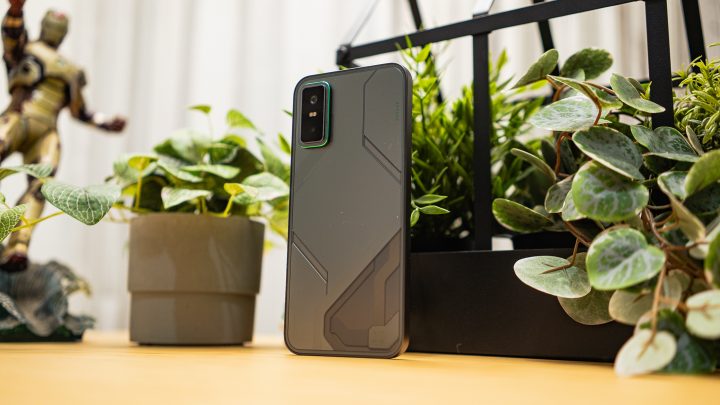
现在转向POCO X7 Pro,其设计更加简约流畅,与传统智能手机相似。您将获得哑光双色后盖,没有任何游戏风格元素。相机岛设计更为低调,带来更整洁的外观和手感。
与GT 30 Pro不同,POCO采用玻璃后盖搭配金属边框,整体质感更为高端。

在防护等级方面,GT30 Pro 的评级为 IP64,而 X7 Pro 则具备 IP68 评级。
总体而言,风格是主观的,因此您是想追求游戏氛围还是简洁外观,完全由您决定。但毫无疑问,对于这款价位的电竞手机而言,GT 触发器堪称卓越。
至此,Infinix GT30 Pro 在此次对比中率先得分。
显示与多媒体

接下来谈谈显示屏。两款手机都配备了色彩鲜艳的屏幕,但在一些关键方面存在差异。
Infinix GT30 Pro 配备了一块 6.78 英寸的 AMOLED 面板,支持 Full HD+ 分辨率和 144Hz 刷新率。这比大多数同价位设备中常见的 120Hz 更快,让动画和游戏体验更加流畅。
它还支持HDR10+,带来更生动、更具沉浸感的视觉体验。在户外使用时,您可享受高达4500尼特的峰值亮度,确保您在几乎所有环境下都能清晰查看屏幕内容。
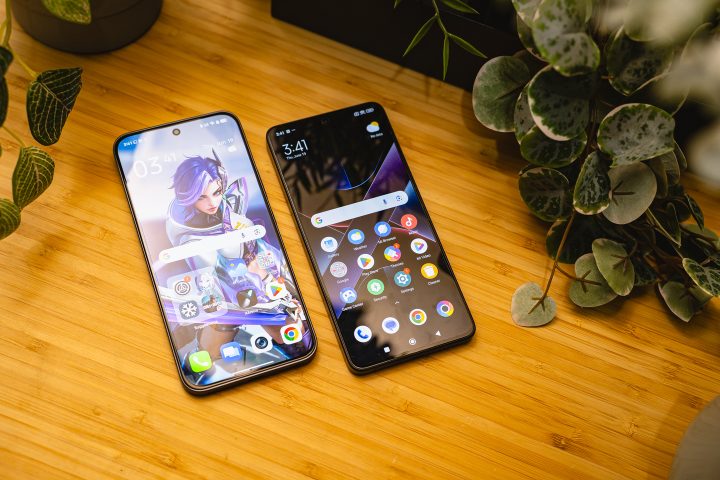
另一方面,POCO X7 Pro 采用了一块稍小的 6.67 英寸 1.5K AMOLED 面板,与 GT 30 Pro 类似。不过,它仅支持 120Hz 刷新率。虽然刷新率不如前者高,但其面板性能更为出色。除了支持 HDR10+ 外,它还兼容杜比视界。
两款屏幕表现均出色,拥有深邃的黑色与鲜艳的色彩,带来出色的视觉体验。此外,两者均配备康宁大猩猩玻璃 7i,防护性能可靠。
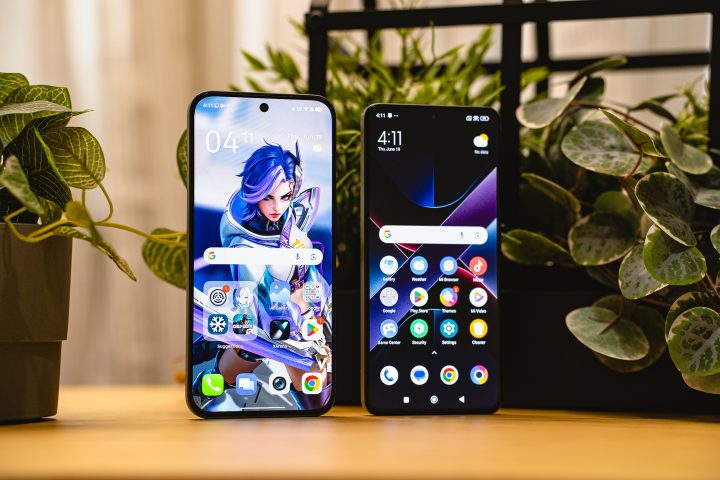
然而,在并排对比中,POCO 的屏幕显示效果略显锐利且色彩更生动。色彩更加鲜艳,两者之间的差异清晰可见。不过在玩游戏时,GT30 Pro 的 144Hz 刷新率能让画面更加流畅,从而让您在与对手较量中获得优势。
至于扬声器,两者也旗鼓相当。GT 30 Pro 和 X7 Pro 均配备双立体声扬声器。GT 30 Pro 的扬声器由 JBL 调校,但仅 X7 Pro 支持 Dolby Atmos。尽管如此,两款机型在开箱状态下都足够响亮,并具备不错的声场表现。
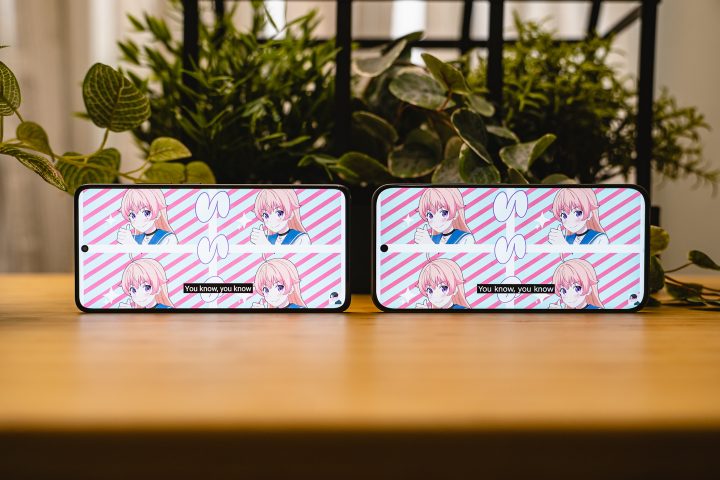
至此,很难说哪一方具有优势。因此,本轮结果为平局。
相机
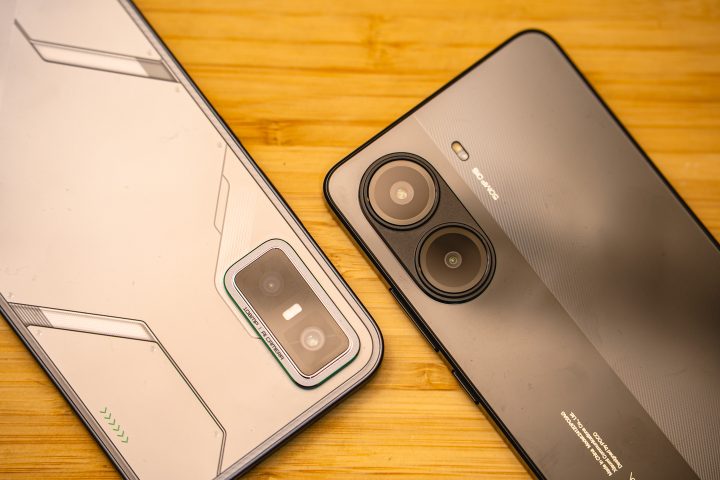
接下来看相机,Infinix GT 30 Pro 和 POCO X7 Pro 均配备双后置摄像头。尽管规格不同,但成像效果颇为相似。
Infinix GT 30 Pro 搭载 108MP 主摄(支持 PDAF)以及 8MP 超广角镜头,另配有 13MP 前置摄像头用于自拍。
The 108MP main camera takes some vivid and detailed photos in well-lit environments. They’re sharp and have nice contrast too, with a good balance between the shadows and highlights. Meanwhile, the ultrawide is great too, but there is a noticeable quality when you start losing light.
Don’t try to shoot beyond 3x zoom or in low-light either. If you do, you will immediately notice the drop in quality when the lighting conditions aren’t the best.
Meanwhile, the POCO X7 Pro comes with a 50MP main shooter and an 8MP ultrawide camera. While it doesn’t have the same megapixel count, the main camera does benefit from OIS in addition to PDAF, making it a lot easier to capture images and video if you don’t have steady hands.
In daylight, both phones capture sharp images with decent color accuracy, though POCO’s shots tend to have more natural tones. However, there’s also a drop in quality when in low light or going beyond 3x zoom. The drop isn’t as noticeable as compared to the Infinix though, so plus points there.

For video, both phones can record up to 4K@60FPS, and the outputs are similar to the images we’ve seen. However, the Infinix does have the stabilization option available at 4K60FPS, while UltraSteady on the POCO is limited to 1080P30FPS.
You can check out the gallery below, and see the difference for yourself.
Considering how the outputs are similar with just slight variations on how the phones process the images, we would say it’s a tie once again for this round.
Performance and Benchmarks
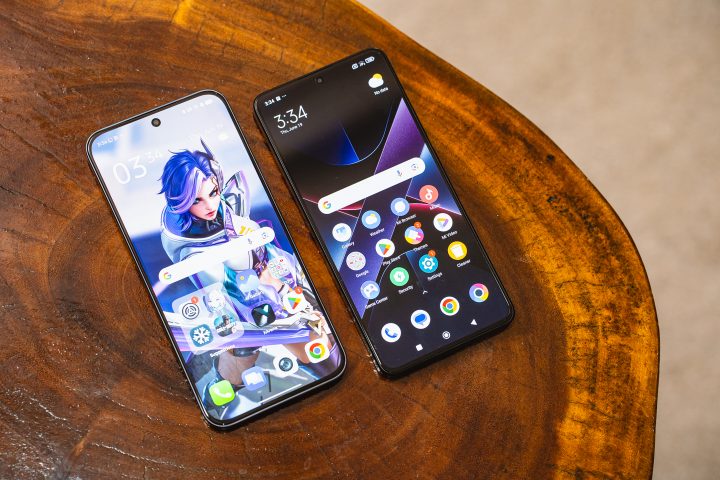
Now for the performance, both phones are no slouch.
The Infinix GT30 Pro is powered by the MediaTek Dimensity 8350 Ultimate chipset paired with up to 12GB of RAM and 512GB of storage. In comparison, the POCO X7 Pro uses the MediaTek Dimensity 8400 Ultimate also paired with up to 12GB of RAM and up to 512GB of storage.

Both chipsets are very capable of handling your day-to-day tasks without any issues whatsoever. But we are talking about gaming phones here, so let’s focus more on that.
Both phones handle light and graphic intensive titles with ease. On both phones, Genshin Impact can be run on medium to high settings at 60FPS, and you won’t get any framerate drops even in the most intense of battles.

In Call of Duty: Mobile, the graphics were set to the highest settings, and the phones handled them without issues. So no matter which phone you choose, you will have a great gaming experience. However, it’s only the GT 30 Pro that passes 120 FPS in CODM constantly, similar to higher-end smartphones. On the other hand, the POCO X7 pro is only limited to 90 FPS.
Both phones do have slight heating issues, but it’s a bit more noticeable on the GT 30 Pro. However, only the GT 30 Pro is available with an external cooler similar to other gaming phones.
Benchmark-wise, both phones score close on Antutu, with the X7 Pro taking the lead by a small margin. The gap is a bit bigger on the other benchmarks, but still close. You can check them out below.
INFINIX GT 30 Pro
Antutu - 1,429,882
3D Mark Wild Life -Maxed Out!
PCMark Work 3.0 Performance - 16,648
Geekbench 6
CPU Single - 1,200
CPU Multi - 4,154
GPU Vulkan -8,215
GPU OpenCL - 7,907
POCO X7 PRO
Antutu - 1625075
3DMark Wild Life - Maxed Out!
PCMark Work 3.0 Performance - 14327
Geekbench 6
CPU Single - 1533
CPU Multi - 6191
GPU Vulkan - 11986
GPU OpenCL - 10977
Given how close they are in terms of real-world performance, it’s another tie for both phones.
Battery
Battery life is one of the POCO X7 Pro’s strong suits. It packs a 6000mAh cell with 90W fast charging. During our time with the phone, it lasted us an entire day of use, and it still had some juice left afterward. The PCMark battery benchmark showed similar results with 15 hours and 2 minutes of battery run time.
In comparison, the Infinix GT 30 Pro only comes with a slightly larger than usual 5500mAh battery, 45W fast charging, and 35W wireless charing. From our experience, the battery does drain rather quickly but it’s to be expected from a gaming phone. Using the same benchmark, it only lasted 8 hours and 48 minutes, which is nearly half of the X7 Pro.
With that, the POCO X7 Pro takes another point in this comparison.
Conclusion
So, it’s very much a tie between the Infinix GT 30 Pro and the POCO X7 Pro. It goes to show just how competitive the budget gaming phone segment has become. However, we have yet to talk about the price.
In terms of pricing, the Infinix GT 30 Pro is the more affordable option at PHP 13,999 for the 8+256GB variant and PHP 15,999 for the 12+512GB variant. There is also a PHP 2,000 discount for both variants if you get yours during the promo period.
In comparison, the POCO X7 Pro starts at PHP 16,999 for the 8+256GB variant, while the 12+512GB variant retails for PHP 19,999. That’s a big price difference for similar performance values. Not to mention the GT 30 Pro also comes with GT Triggers, which isn’t found on the X7 Pro.
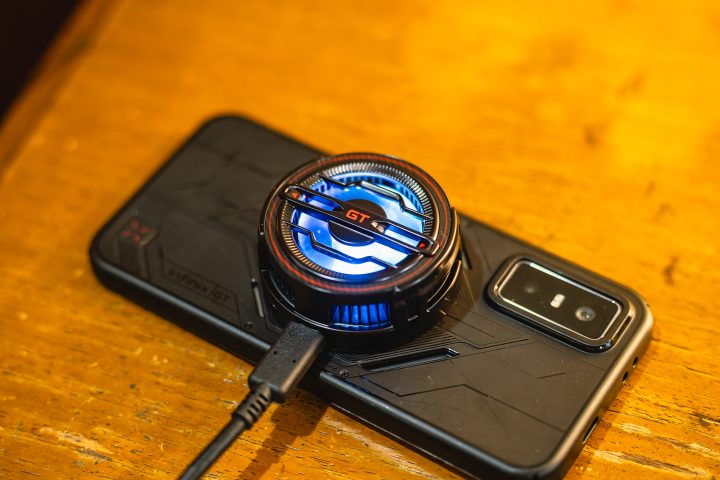
With that, the Infinix GT 30 Pro comes out on top with its affordable price point. Not to mention you can also get it with the Gaming Kit which comes with a MagCharge Cooler and MagCharge case to enhance your gaming experience further.
That’s not to say the POCO X7 Pro is a bad phone though. It’s just a bit more expensive than the Infinix, for a minimal bump in performance.
Still, which one would you pick – the Infinix or the POCO? Share your thoughts in the comments below.
Infinix GT 30 Pro specs:
6.78-inch 1.5K AMOLED display (1224 × 2720 pixels)
144Hz refresh rate, up to 4,500 nits peak brightness (1,600 nits typical)
240Hz touch sampling rate, 2160Hz instant touch sampling rate, 2304Hz PWM dimming
Corning Gorilla Glass 7i protection
MediaTek Dimensity 8350 Ultimate (4nm)
1 x Cortex-A715 @ 3.35GHz, 3 x Cortex-A715 @ 3.20GHz, 4 x Cortex-A510 @ 2.20GHz
Mali-G615 MC6 GPU
8GB / 12GB LPDDR5X RAM (+12GB virtual RAM)
256GB / 512GB UFS 4.0 storage (no microSD card slot)
108MP main camera (f/1.89, PDAF) + 8MP ultra-wide (f/2.2, 111°)
13MP front camera (f/2.2)
Dual stereo speakers, USB Type-C audio (no 3.5mm jack)
JBL, 24-bit/192kHz Hi-Res & Hi-Res Wireless audio
5G, Dual nano-SIM
Wi-Fi 6 (802.11 a/b/g/n/ac/ax), dual-band, Wi-Fi Direct, 2×2 MIMO
Bluetooth 5.4
NFC, IR Blaster, FM radio
GPS, GLONASS, GALILEO, NavIC
XOS 15 (based on Android 15)
In-display fingerprint sensor
IP64 dust and splash resistance
Customizable RGB LEDs on the back, pressure-sensitive gaming triggers
5,500mAh battery with 45W wired, 30W wireless, 10W reverse wired, 5W reverse wireless charging, Bypass Charging 2.0
163.7 x 75.8 x 8 mm (dimensions)
189g (Dark Flare), 188g (Blade White)
Blade White, Shadow Ash, Dark Flare (Gaming Master Edition) color options
POCO X7 Pro specs:
6.67-inch CrystalRes 1.5K Flow AMOLED display
120Hz adaptive refresh rate
700 nits (typ), 1,400 nits (HBM), 3,200 nits (peak)
12-bit color depth, Dolby Vision
Corning Gorilla Glass 7i protection
MediaTek Dimensity 8400 Ultra
1x Cortex-A725 @ 3.25GHz
3x Cortex-A725 @ 3.0GHz
4x Cortex-A725 @ 2.1GHz
Mali-G720 MC7 GPU
12GB RAM
512GB UFS 4.0 storage
50MP Sony IMX882 main camera (f/1.5, 26mm, 1/1.95-inch sensor, OIS)
8MP ultrawide (f/2.2, 15mm, ¼-inch sensor)
20MP front camera (f/2.2)
Dual stereo speakers
5G
Dual nano-SIM
Wi-Fi 6
Bluetooth 5.4
GPS
NFC
USB Type-C
Fingerprint sensor (in-display, optical)
Face unlock
IR blaster
Xiaomi HyperOS (Android 15)
6,000mAh battery
90W HyperCharge support (wired, in-box charger)
IP68 rating for dust and water resistance
160.8 x 75.2 x 8.3 mm (dimensions)
198 grams (weight, vegan leather)
Black/Yellow, White, Green (colors)






Another paid BS comparison, the Poco X7 Pro consistently scores more than 20% higher than the infinix across the board, you can’t chalk up and say that difference in benchmark results is within the margin of error. This is why I hate Filipino “tech journalists” cause practically all of them are either paid shills or are just too afraid of upsetting a brand for fear of not getting a review unit.