
The Canon EOS R6 V marks a new chapter in Canon’s video-first full-frame mirrorless lineup.
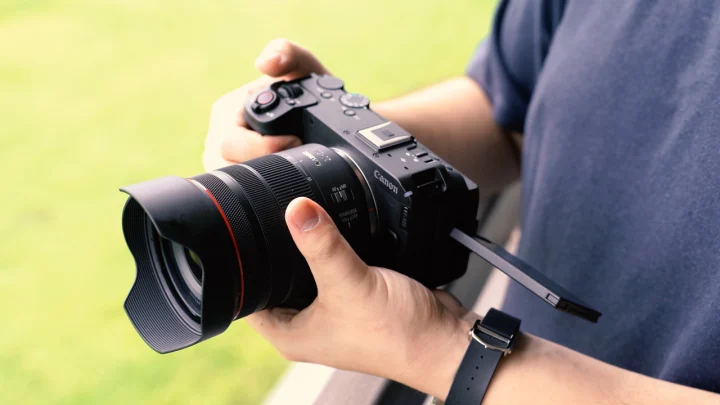
While it shares plenty of DNA with the EOS R6 Mark III, this new model shifts its focus towards hybrid creators, filmmakers, and solo productions by introducing cinema-inspired controls, internal cooling, Power Zoom lens support, and workflow enhancements designed around modern content creation.
Paired with Canon’s new RF 20-50mm f/4L IS USM PZ, the company’s first L-series RF power zoom lens, the combination promises a professional yet portable setup that can handle everything from YouTube productions and documentaries to commercial work and live streaming!
After spending time looking at what both products bring to the table, it’s clear Canon isn’t simply repackaging an existing camera.
Instead, it’s refining one of its most popular full-frame mirrorless platforms into something that’s equally great at shooting stills and high-production video.
Let’s get into it.
Design and Build
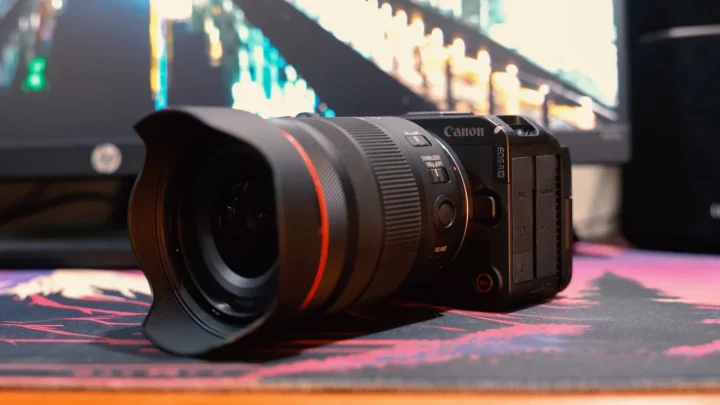
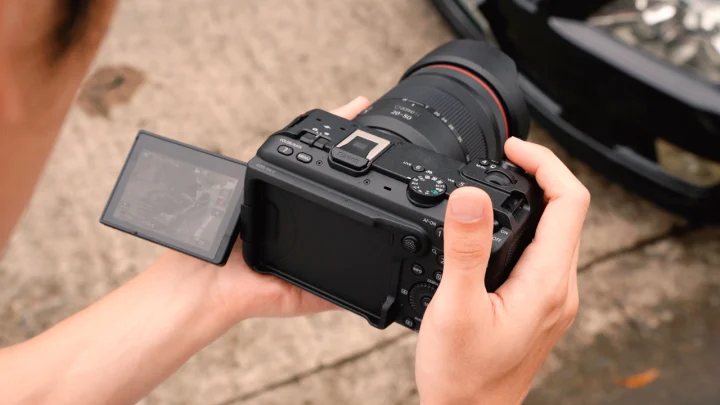
Right off the bat, the EOS R6 V looks familiar, but its differences quickly become apparent once you have it in-hand.
The magnesium alloy body features Canon’s dust and drip-resistant sealing despite incorporating an internal cooling fan, which came to much surprise for us, because we assumed the internal fan would strip the weather-sealing away.
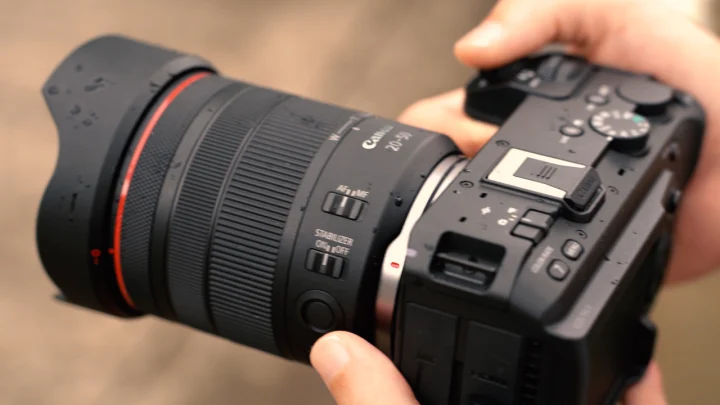
It’s a noteworthy engineering feat considering the vented design.
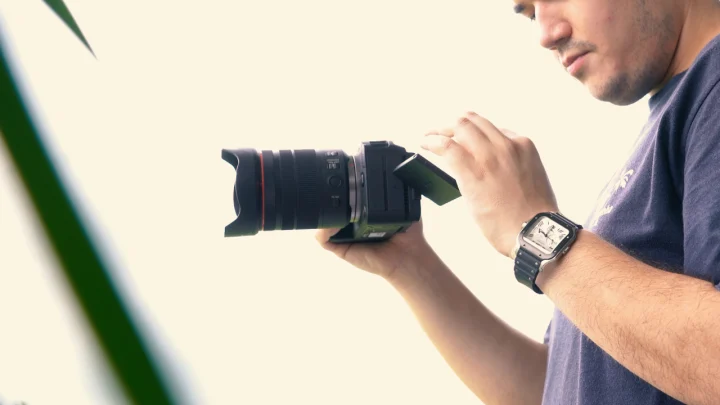
The grip remains deep and comfortable enough for long shooting, and despite adding active cooling, the camera remains compact enough to fit comfortably into most camera bags and gimbal setups. It reminds us a lot of the Sony FX3 but deceptively lighter.
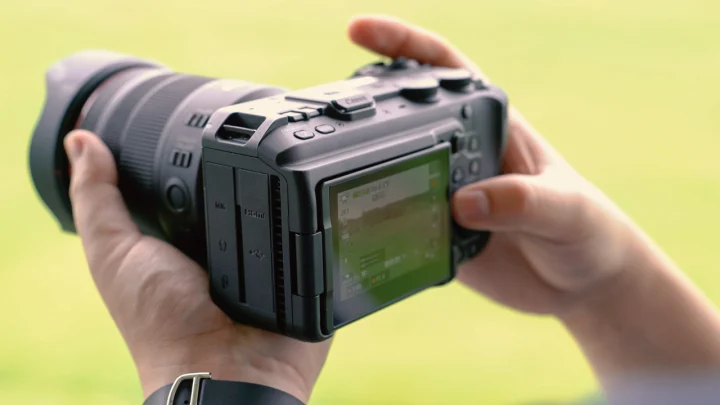
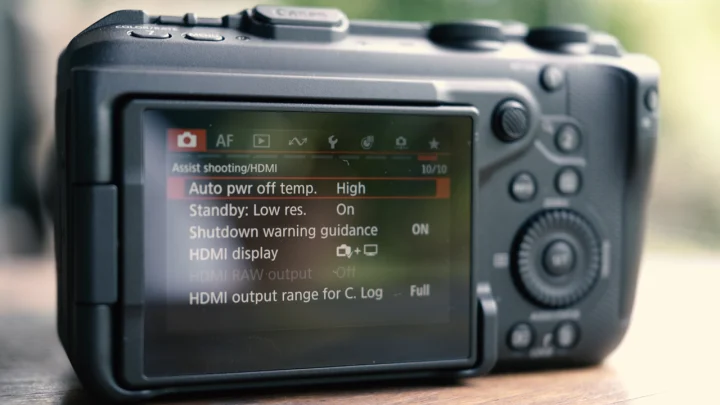
Unlike previous EOS R bodies that relied purely on passive cooling, the R6 V actively manages heat with the aforementioned internal cooling fan, allowing significantly longer recording sessions without the thermal concerns that many hybrid shooters have come to expect.
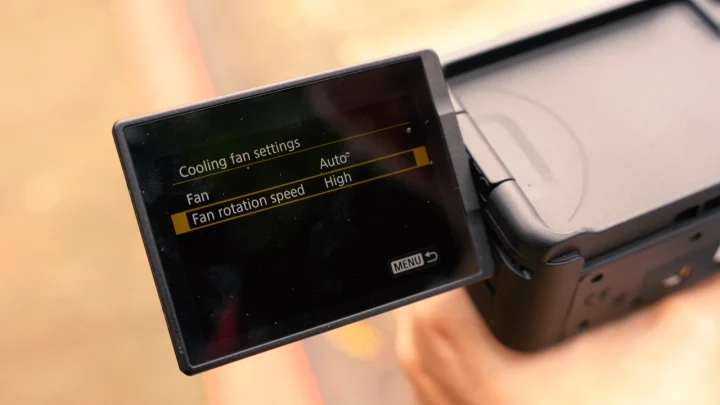
We can customize its setting to be completely turned off or on, set it to Auto, with additional adjustments for its fan speed (Low, Medium, High).
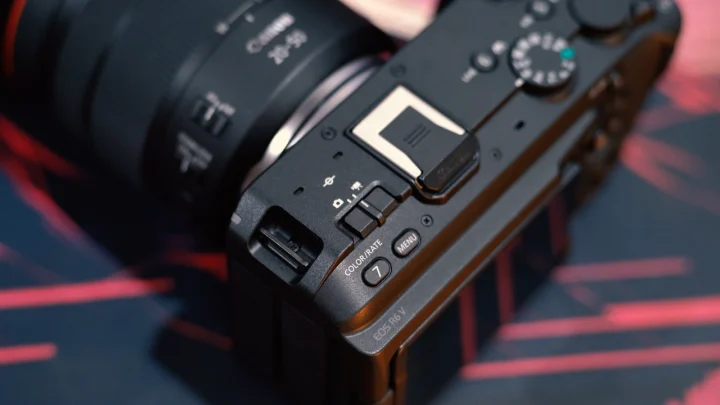
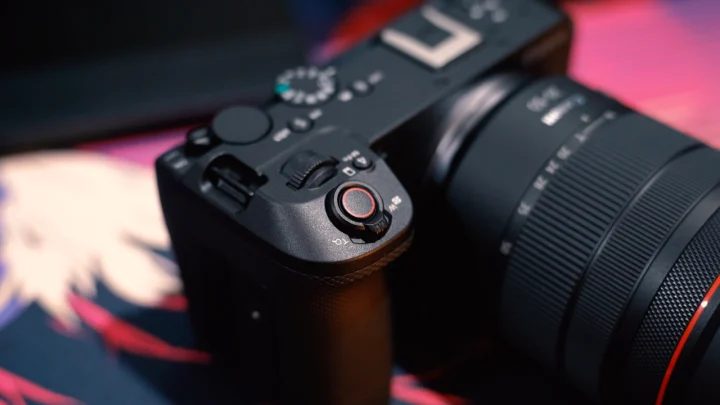
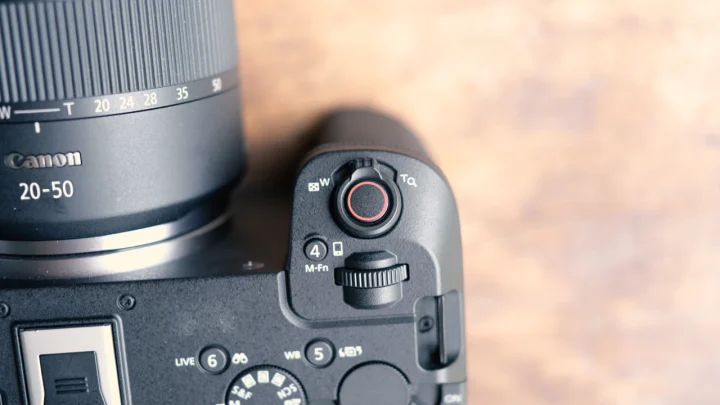
Canon also redesigned several controls around video production. Dedicated movie functions are easier to access, recording buttons are positioned for both traditional (doubling as the shutter for stills) and selfie shooting, while multiple customizable buttons make it easy to tailor the camera to individual workflows.
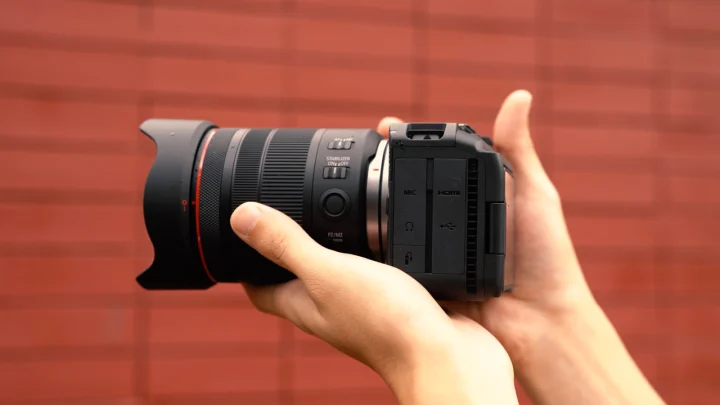
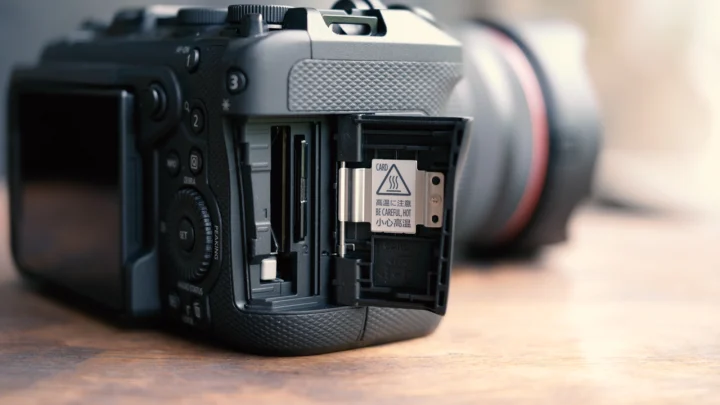
The camera also features one CFexpress Type B slot and one SD (UHS-II) card slot, a full-size HDMI port, microphone input, headphone output, USB-C with Power Delivery, and a 2.5mm sub-mini terminal for wired remote triggers, making it far more production-friendly than previous generations.
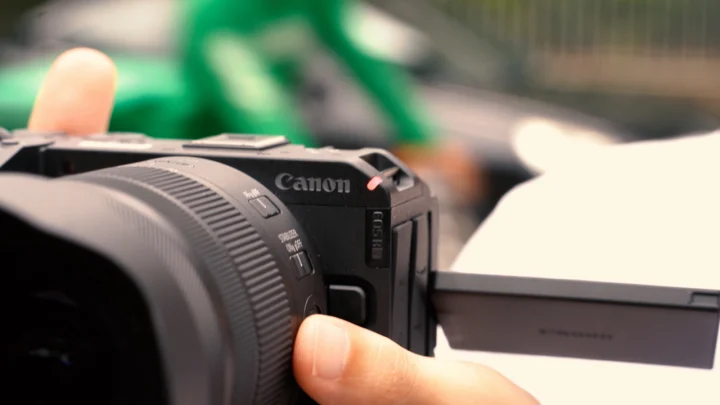
There’s also a total of seven customizable buttons that users can remap to their liking, we have “6” set to False Color. And just like the R50 V we get a front tally light and quarter-twenty threads for both horizontal and vertical mounting.
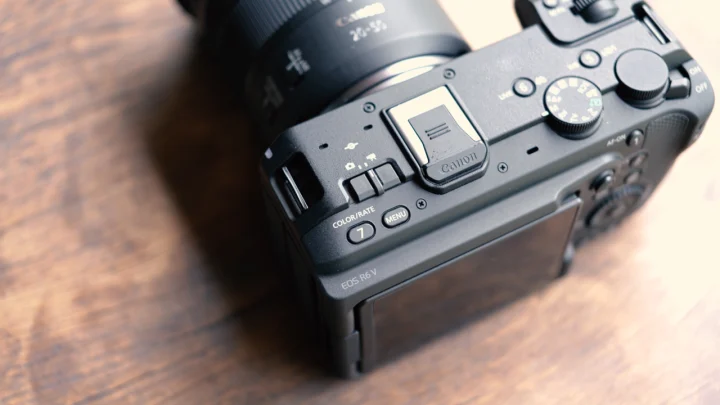
Like we mentioned earlier paired with our R6V is the brand-new Canon RF 20-50mm f/4L IS USM PZ.
Unlike conventional zoom lenses, this one uses an electronically controlled internal power zoom mechanism. Which I thought was gimmicky at first but after actually using it for this review, I’ve come to realize it’s a pretty great addition especially for solo videographers.
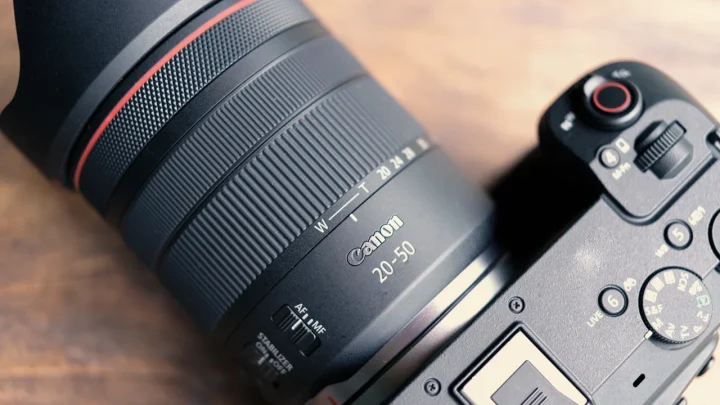
Zoom movements are smooth and silent, making it ideal for cinematic push-ins, and live productions where consistency matters. It’s actually pretty useful for parallax zooms too!
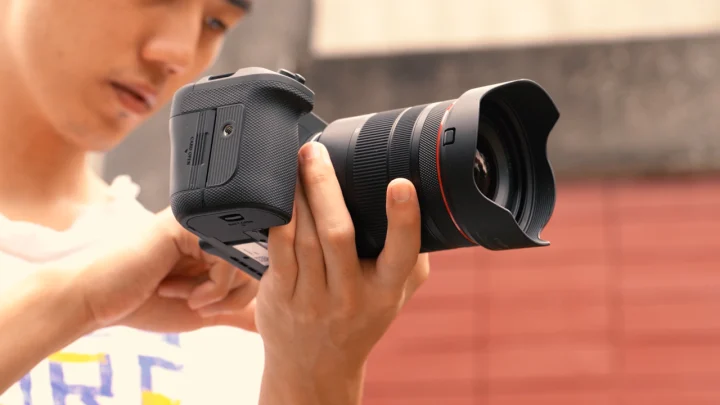
Despite being an L-series lens, 20 to 50mm is surprisingly compact and balances extremely well on the EOS R6 V. Since the zoom is fully internal, the lens never extends while zooming, which is also a huge advantage when using gimbals.
Lastly, the Canon R6V weighs 688g fitted with a battery and SD card, and 1.1kg with the lens we have paired up with it.
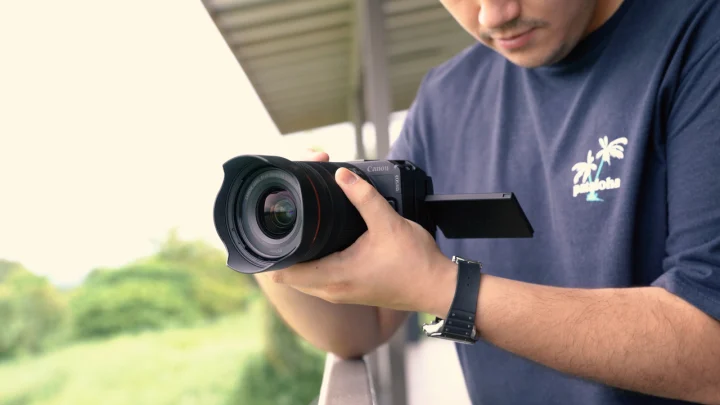
With the body-alone or even with the lens, the overall weight feels quite light in our opinion, the only reason to add more weight would be to accommodate a cage for adding mounting points for other external accessories, or maybe even lens filters.
Overall for its design and construction, the weight’s good, it feels sturdy, and ergonomics has always been a strong point for Canon and it’s no different here.
Display, Multimedia and Interfaces
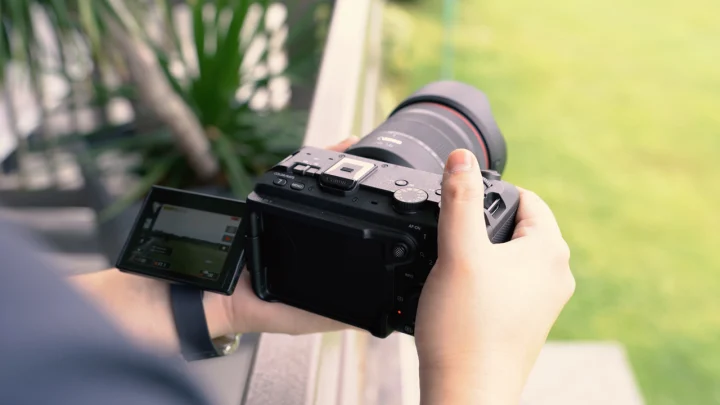
Canon equips the EOS R6 V with a fully articulating 3-inch touchscreen LCD that remains one of the easiest camera interfaces to use today. The touch interface is responsive, menus are clean and well organized. Anyone familiar with Canon cameras will immediately feel at home.
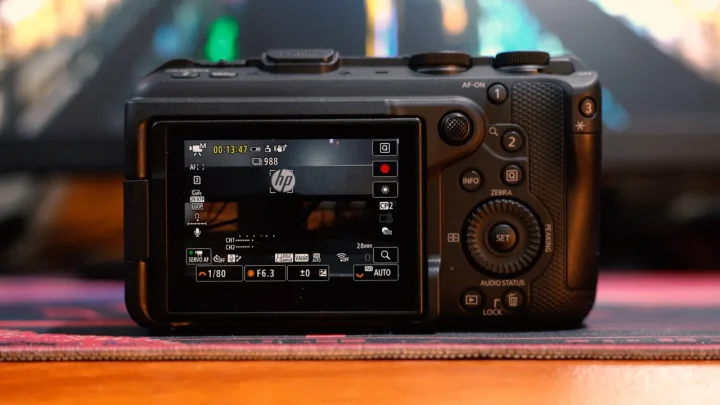
Video shooters will appreciate the addition of waveform monitoring, false color, focus peaking, zebras, and customizable shooting overlays that previously required stepping into Canon Cinema EOS territory.
Surprisingly, the USB-C port supports fast data transfer speeds if you don’t feel like using a card reader, and the full-size HDMI port offers a much more secure connection for external monitors and recorders compared to the mini HDMI ports found on smaller cameras.
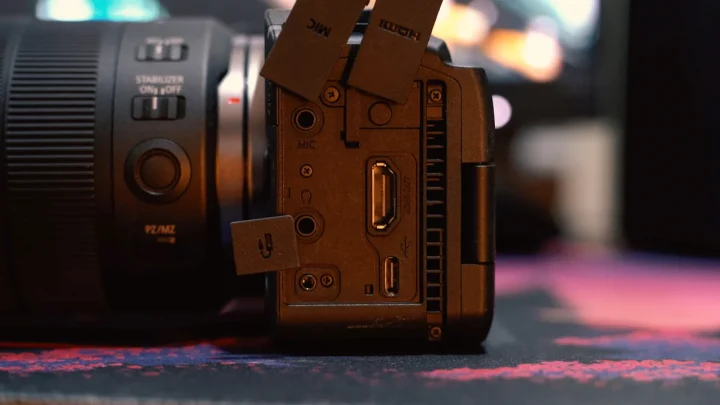
And it’s also worth noting that wireless connectivity through WiFi and Bluetooth remains reliable for transferring files or controlling the camera remotely using Canon’s mobile app.
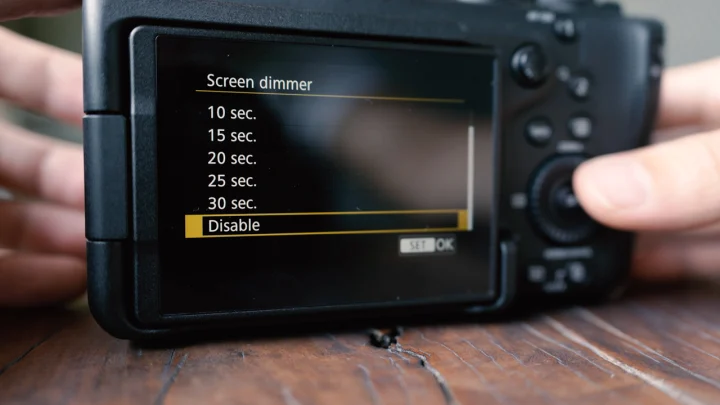
Quick tip: Canon R6 V end-users may want to turn off the screen dimming for power saving, as it did get a little annoying when the screen would dim while recording at times.
Performance and Autofocus
Inside the EOS R6 V is Canon’s proven 32.5-megapixel full-frame CMOS sensor paired with a DIGIC X processor. Compared to its sibling, the EOS R6 Mark III, the R6 V ditches the mechanical shutter, electronic viewfinder, and 1 stop of IBIS.
Despite that, image quality remains excellent, delivering detailed RAW files with Canon’s signature color science and pleasing skin tones straight out of camera. Dynamic range offers plenty of flexibility during post-processing, while high ISO performance continues to impress.
Even at ISO values well beyond 6400, images retain usable detail with relatively controlled noise levels, making the camera well suited for any type of coverage like weddings, events, and documentary work.
But be warned that ditching the mechanical shutter probably means inviting rolling shutter for fast-paced sports photography. So, if that’s something you shoot stills for a lot, this probably isn’t the body for you.
Canon EOS R6 V Sample Photos
Jan 22 – 25


Autofocus remains one of Canon’s strongest advantages.
Dual Pixel CMOS AF II delivers incredibly reliable subject detection with human, animal, vehicle, aircraft, and train recognition. Eye tracking stays remarkably sticky even during unpredictable movement, while focus transitions remain smooth enough for professional video work.
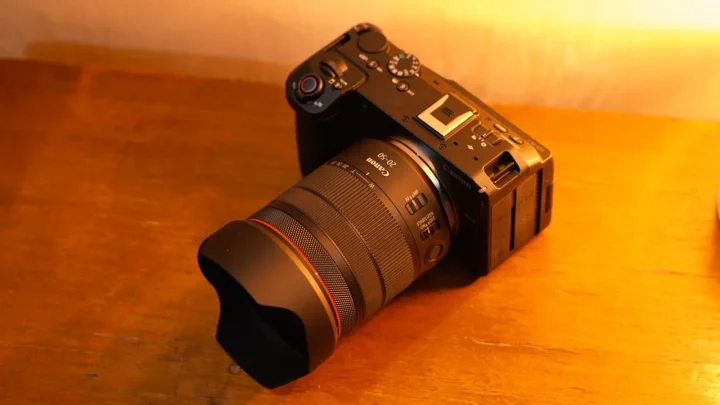
Paired with the RF 20-50mm f/4L IS USM PZ, autofocus performance feels nearly instantaneous.
Canon’s Nano USM focusing system is both quick and virtually silent, making it excellent for interviews and dynamic talking heads, where focus breathing and motor noise become distracting.
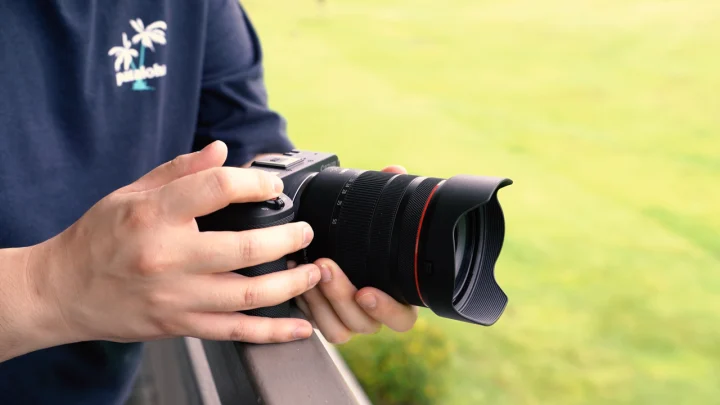
Optically, the lens is impressive throughout most of its zoom range.
Sharpness remains consistently high from edge to edge, contrast is excellent, flare resistance is what we’d expect from an L-series lens, and image stabilization works together with the camera’s 7.5 stops of IBIS to produce remarkably stable handheld footage.
That being said, we never really felt the need to dabble in its EIS features with this lens combo.
Video Features
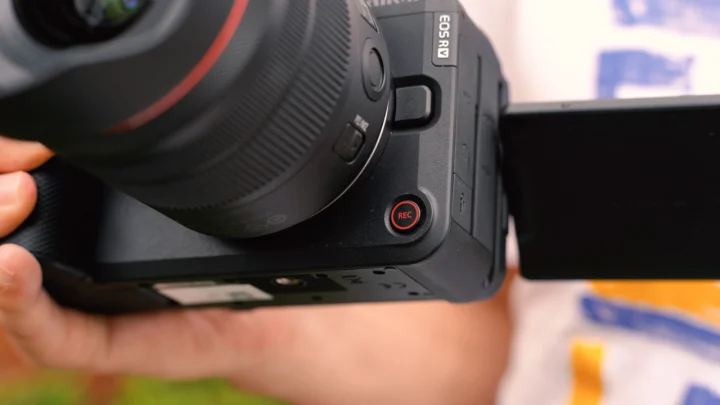
Video features are where the EOS R6 V truly separates itself from previous EOS R cameras. (I mean, that is why it’s called the R6 V and not the R6 Mark III.) Canon clearly designed this camera with filmmakers and more video-focused hybrid creators in mind.
The EOS R6 V supports oversampled 4K recording with Open Gate, which basically means using the full width of its 32.5MP sensor, delivering exceptionally detailed footage without sacrificing field of view.
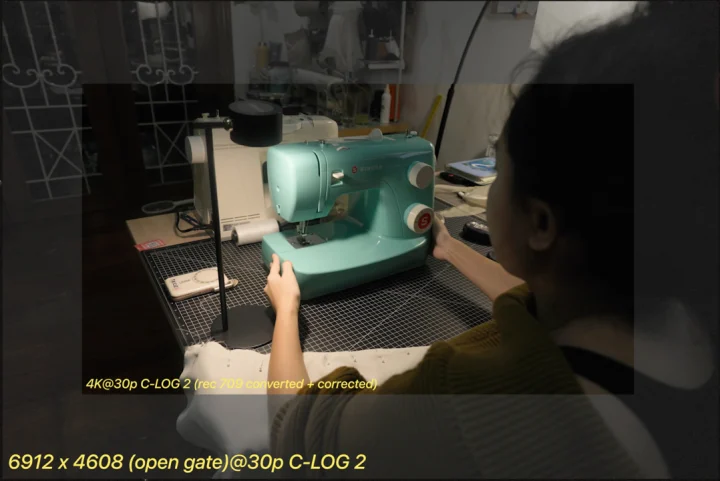
Which equates to a resolution of 6912 x 4608 (7K-ish) for those wondering, effectively giving us a nice 3:2 aspect ratio just like the default for still photography on this body (go figure).
We have all the usual 4K frame rates here from 24p to 60p. For slow-mo workflows we get 4K at 120p, or even 2K or FHD at 180p, just make sure Open-Gate is turned Off to access these slow-mo frame rates.
Professional recording formats include 10-bit 4:2:2 internal recording, Canon Log 2 and 3, HDR PQ, and multiple XF recording codecs that integrate easily into professional editing workflows.
By the way, in C-LOG 2 we get a dual native ISO of 800 and 6400, which means if we were to shoot video in 6400 over 3200, we would actually be getting a less noisy image!
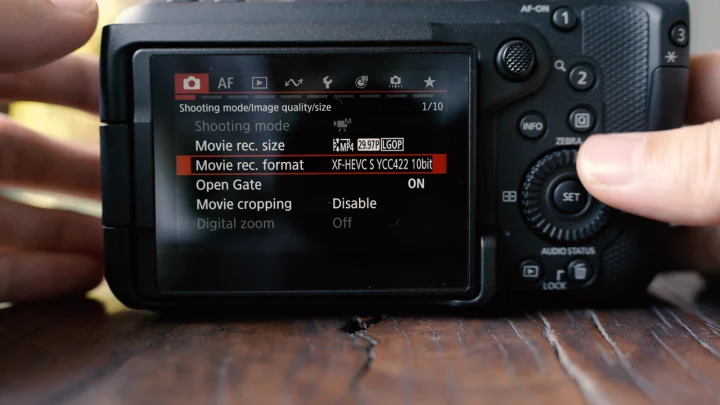
For the most part, the files handle very well for for even slightly dated computers from since 2026. With slight hiccups for the 7K open-gate footage if you’re an video editor new to proxy workflows (and yes, that’s for OG footage shot in LOG or not.)
Mechanically, active cooling is arguably the biggest upgrade compared to its brother (R6 mark III).
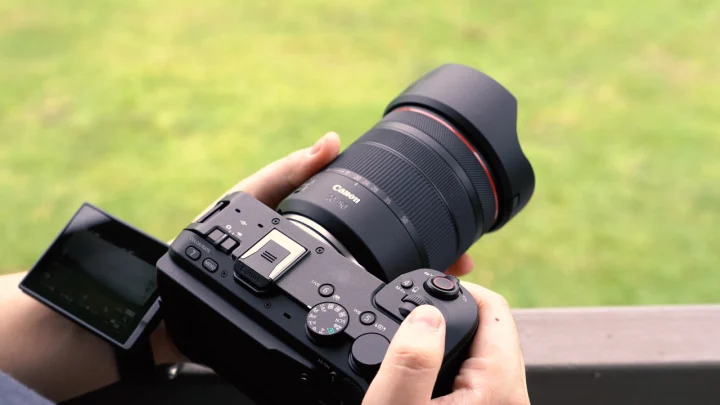
Anything that has to do with shooting footage for extended periods like long-form interviews, live streams, event coverage, and extended productions become much less stressful with overheating no longer a practical concern under normal operating conditions.
And in our use, never did the R6 V come close to the overheating limit. Although we mostly only filmed short clips in multiple bursts for this review.
We also recommend setting the fan speed to Medium; The on-board mic definitely picks-up the fan in High when filming quiet scenes or in quiet environments.
Battery Life
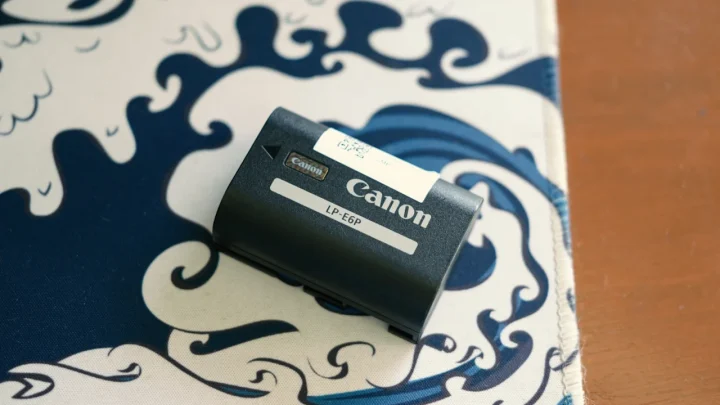
The EOS R6 V continues using Canon’s more modern LP-E6P battery, delivering battery life that’s more than respectable for a camera in this class.
Depending on recording settings, users can comfortably expect around two hours of continuous recording per battery, while still photography stretches considerably further.
Support for USB-C Power Delivery is another welcome addition, allowing creators to run the camera directly from compatible power banks or AC adapters during prolonged shooting sessions.
But for professional event shooters, carrying two to three batteries remains the safest approach, but the camera’s efficient power management means battery anxiety rarely becomes a major concern.
Conclusion
The Canon EOS R6 V isn’t simply an EOS R6 Mark III with a fan.
Instead, it’s Canon’s answer to creators who need the image quality of a full-frame hybrid camera but the workflow, reliability, and recording endurance of a cinema-focused system (without the cinema menus).
To us this body sits right below the EOS R5 C in the brand’s current line-up, and it’s really not a bad thing!
The addition of active cooling, video-focused features, expanded codec support, and refined ergonomics makes it significantly more attractive for filmmakers or video-focused shooters who don’t actually want to step into actual Canon cinema camera territory.
Meanwhile, the new Canon RF 20-50mm f/4L IS USM PZ proves to be an equally important part of the equation.
Its internal power zoom, constant f/4 aperture, excellent optics, and L-series build quality make it one of the most compelling standard zoom lenses Canon has released for video creators.
Together, they form a system that’s equally comfortable shooting pretty much any kind of video project. Of course, this setup isn’t inexpensive, and photographers who primarily shoot stills may find better value elsewhere.
However, for hybrid creators looking to invest in a professional full-frame ecosystem that places video first without sacrificing photography performance, the Canon EOS R6 V paired with the RF 20-50mm f/4L IS USM PZ is shaping up to be one of the strongest creator-focused combinations Canon has produced to date.
The Canon EOS R6 V gets an official local SRP of PHP 148,998 for the body only, and PHP 229,998 paired with the RF 20-50mm f/4L IS USM PZ from official Canon PH distributors.
What we LIKED:
- 7K Open Gate
- Image quality, dynamic range
- C-LOG 2 and 3
- 4K@120p
- Battery Life
What we DIDN’T Like:
- Canon-wobble with ultrawide focal lengths
- 3-inch display could be bigger (nitpick)
Canon EOS R6 V specs:
32.5MP Full-Frame CMOS Sensor
DIGIC X Processor
Canon RF Mount
Dual Pixel CMOS AF II
Up to 40fps Continuous Shooting
7K 30p RAW Open Gate
7K 60p RAW Light
4K 120p Uncropped Video
4K 60p Fine Oversampled Video
Canon Log 2 / Canon Log 3
In-Body Image Stabilization
Internal Cooling Fan
3-inch 1.62M-dot Vari-Angle Touchscreen
CFexpress Type B + UHS-II SD Card Slots
USB-C, Full-Size HDMI, Mic In, Headphone Out
LP-E6P Battery
Dust- and Drip-Resistant Sealing
688g (with Battery and Memory Card)
Canon RF 20-50mm f/4L IS USM PZ Lens specs:
20-50mm Focal Length
f/4-22 Aperture
2x Nano USM Zoom Motors
Nano USM Autofocus Motor
Up to 6 Stops Optical Image Stabilization
Up to 8 Stops Coordinated IS with IBIS
0.33x Maximum Magnification
0.24m Minimum Focusing Distance
9-Blade Aperture
13 Elements in 11 Groups
2 Aspherical + 3 UD Elements
67mm Filter Size
420g




0 Comments
Leave a Reply