
The POCO M7 is out and it’s one of POCO’s latest offering in the entry-level segment. Coming in at just PHP 7,499, this guy highlights a solid battery life out of a budget phone.
It packs a large 7000mAh battery that lasts for days, and this kind of gives you an idea who the POCO M7 is made for.
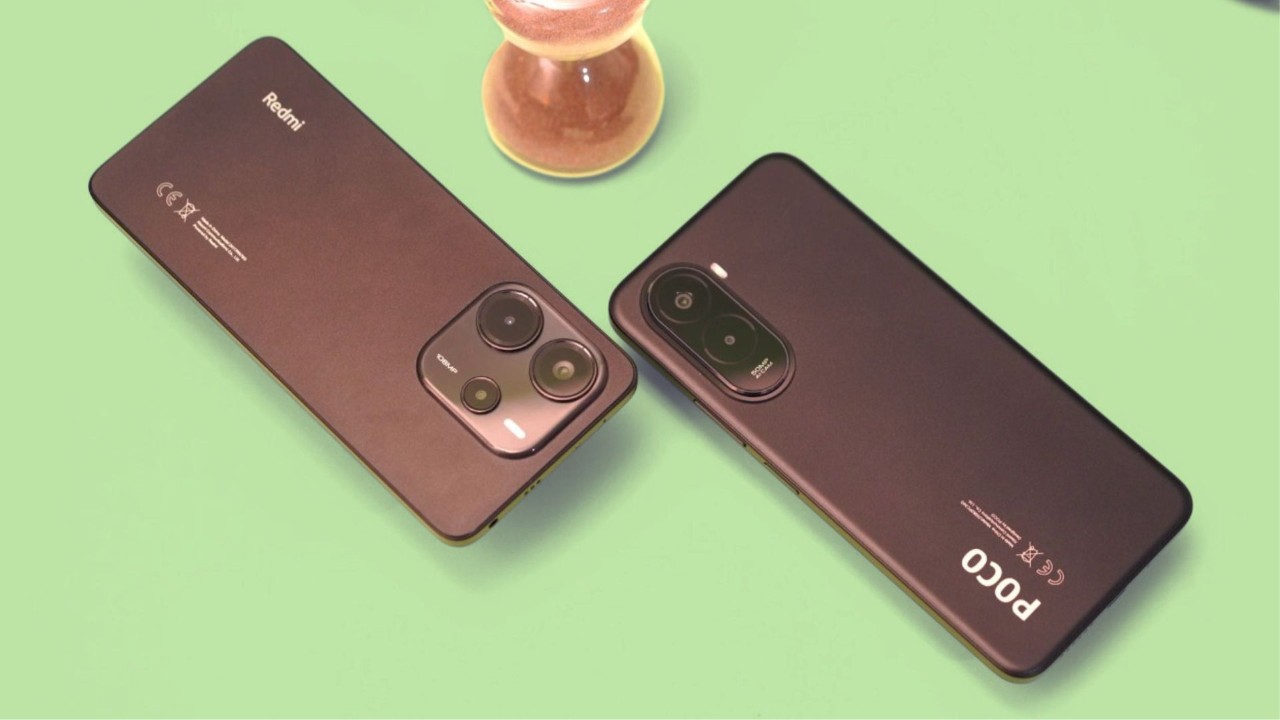
But how does it fare against another one of Xiaomi’s offerings, particularly, the Redmi Note 14? It now sits around the Php8,000 price range which isn’t that far to POCO M7’s price.
That said, it’s just fair to take both in for a comparison review and to find out which is the better pick.
Design and Construction
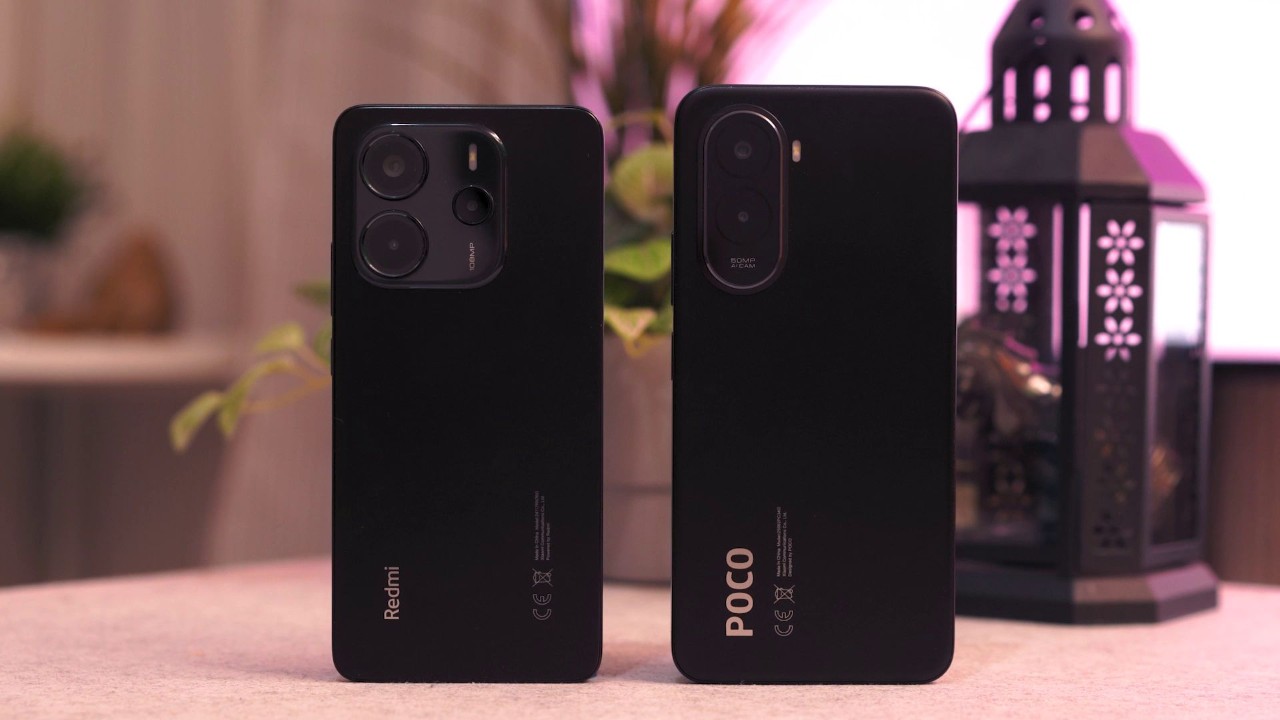
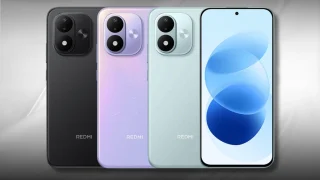
First up: the looks. Both of our units come in a similar black matte finish, albeit the differences come in sizing, form, and camera island designs.
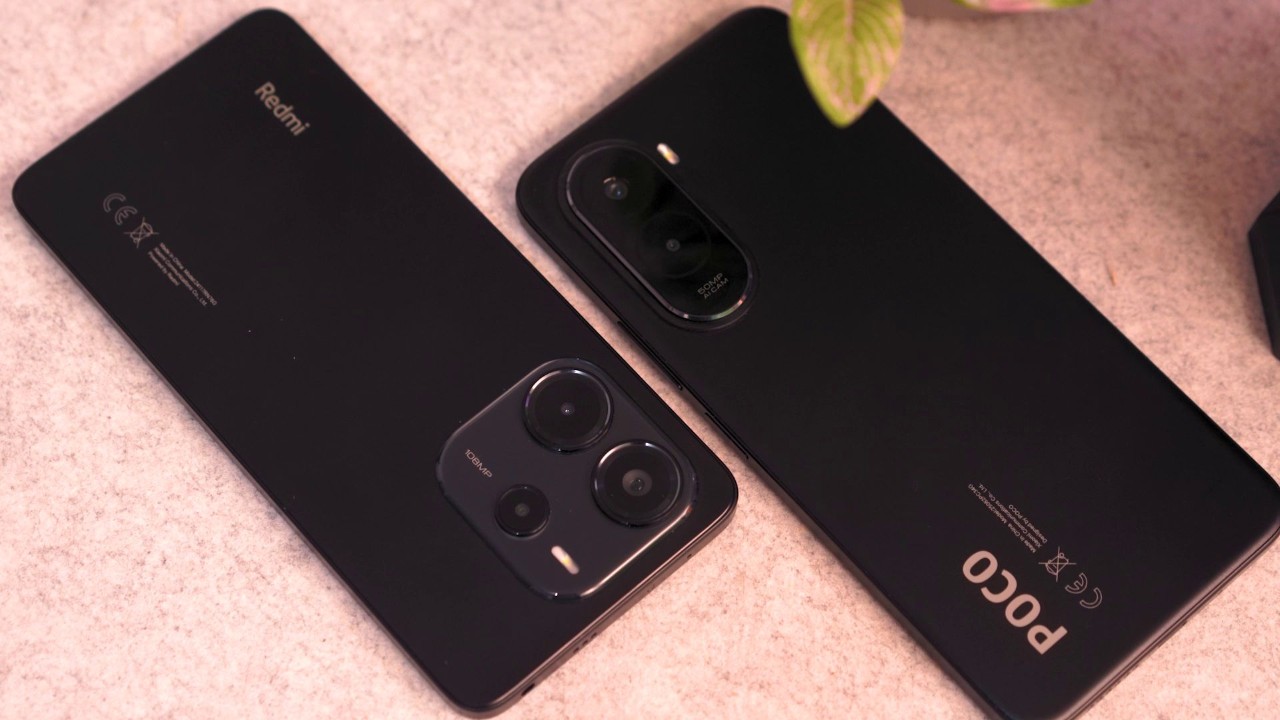
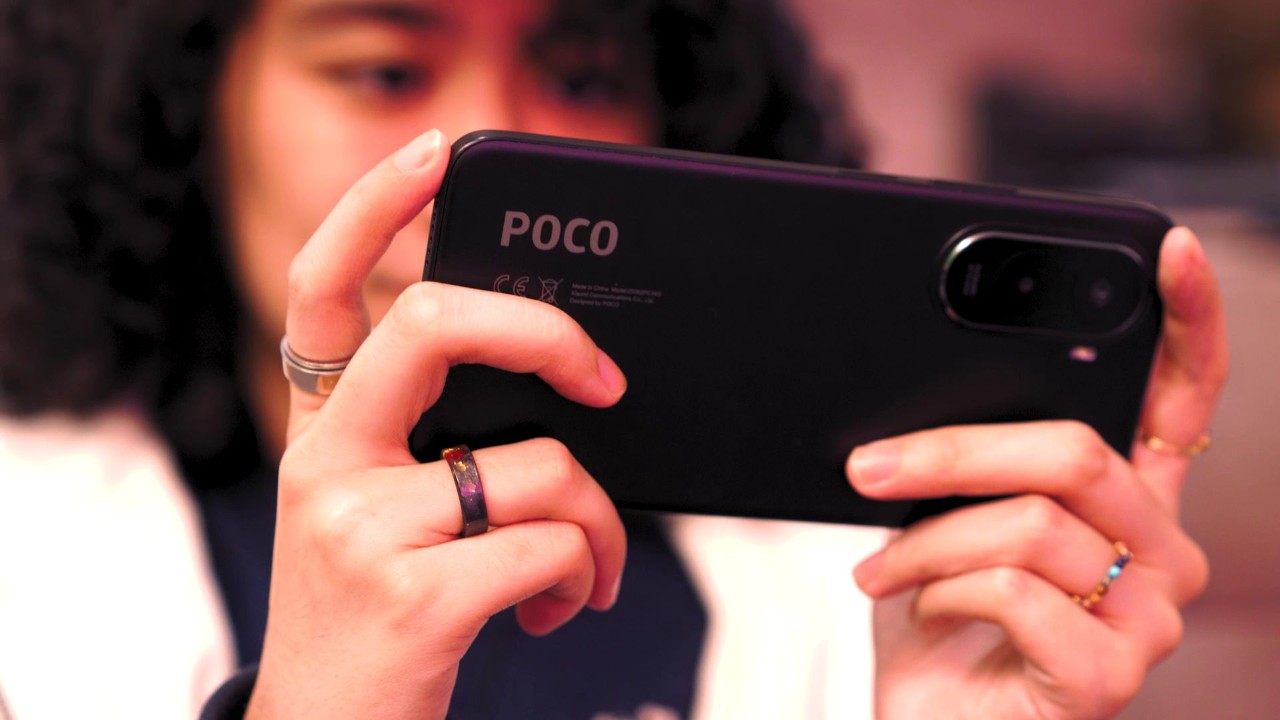
The POCO M7 is a bit on the hefty side, weighing 214 grams and has a display measuring 6.9 inches diagonally. While its frame is flat all around, there’s a slight curvature on the edges, so it won’t strain your hand during prolonged use. At the rear, you’ll see the oval-shaped camera island, and a rather sizeable POCO moniker on the bottom left corner.
On the other hand, the Redmi Note 14 has a flat-edge design which I personally prefer, and I bet most of you do prefer this design as well. It’s a bit lighter, weighing around 197 grams and has a smaller screen at 6.67 inches diagonally. There’s the square camera module at the back housing three camera sensors. And I also like the fact that the Redmi branding is a bit more subtle here.
Like I said earlier, both phones come in a matte finish making them less prone to smudges. The POCO M7 uses an all-plastic build, while the Redmi Note 14 has an aluminum frame with plastic back panel. Both come with respective IP ratings for dust and water resistance: with the POCO being IP64-rated and the Redmi with IP54 rating.
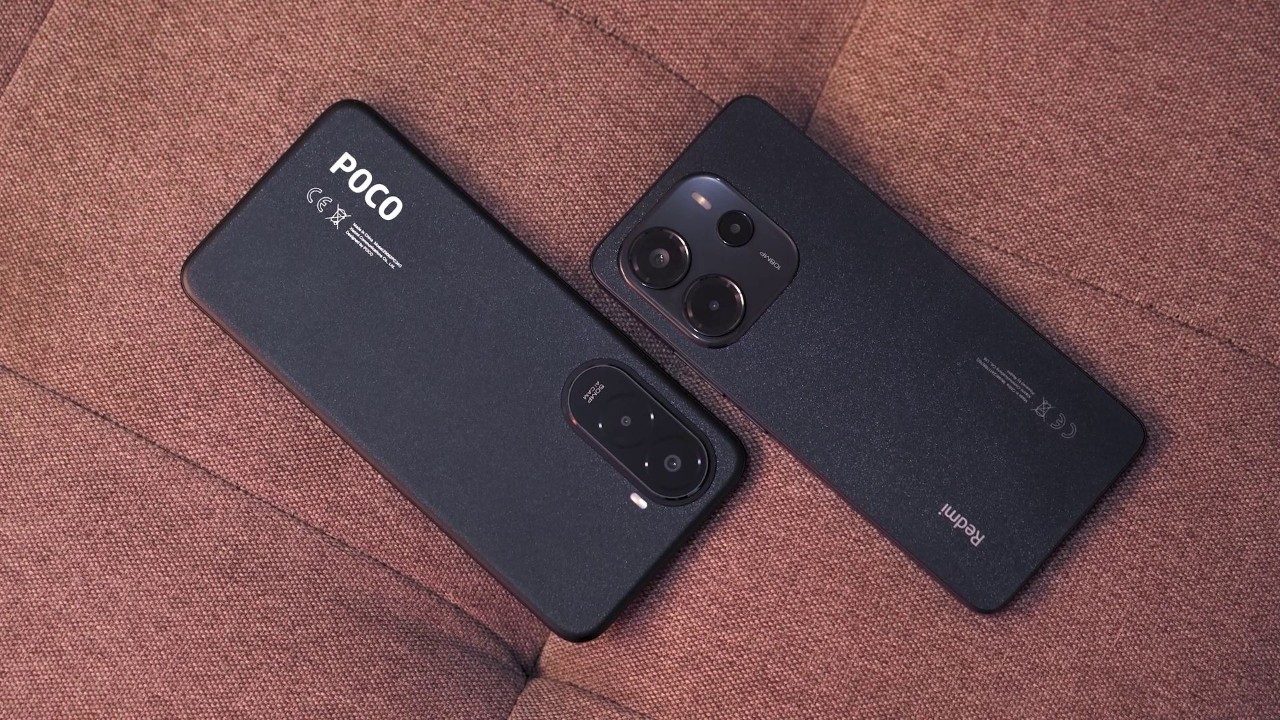
As for biometrics security, the POCO M7 uses a side-mounted fingerprint sensor and the Redmi Note 14 uses a more advanced under-display sensor, with both also having face unlock.
So, if I were to choose in terms of design, I would certainly go for the Redmi Note 14. It’s a bit more compact and arguably has better aesthetics than the POCO M7. At the end of the day, design is still subjective, so I’m giving a point to both phones this round.
Display, Multimedia, and Biometrics
Flip both phones over, and we’re greeted by different display panels.
The POCO M7 uses a 6.9-inch IPS LCD screen with a Full HD+ resolution and up to 144Hz refresh rate. Yes, you read that right, it uses an IPS LCD panel which is a bit of a bummer considering other options in this price range already feature an AMOLED display.
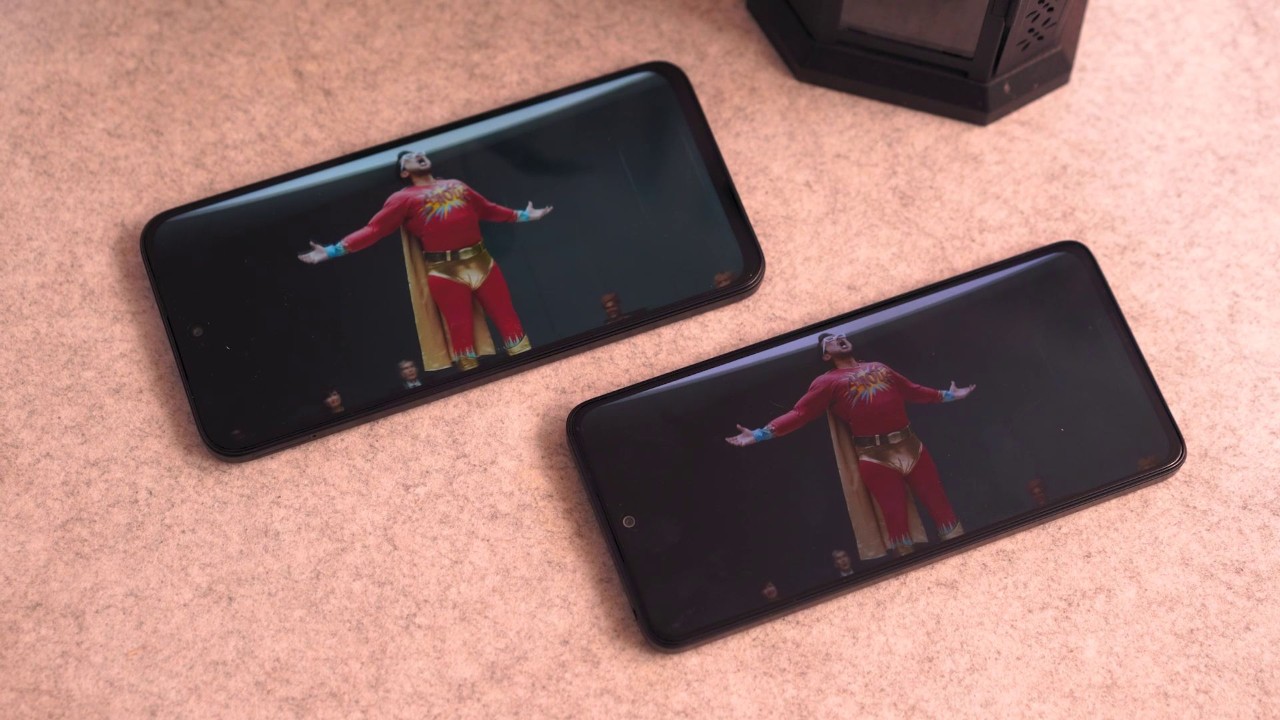
That includes the Redmi Note 14 sporting a 6.67-inch AMOLED panel also with a Full HD+ resolution running at 120Hz. Plus, it has an added layer of protection with a Gorilla Glass 5 on top. I also like to point out the Redmi’s relatively thinner chin as compared to POCO’s.
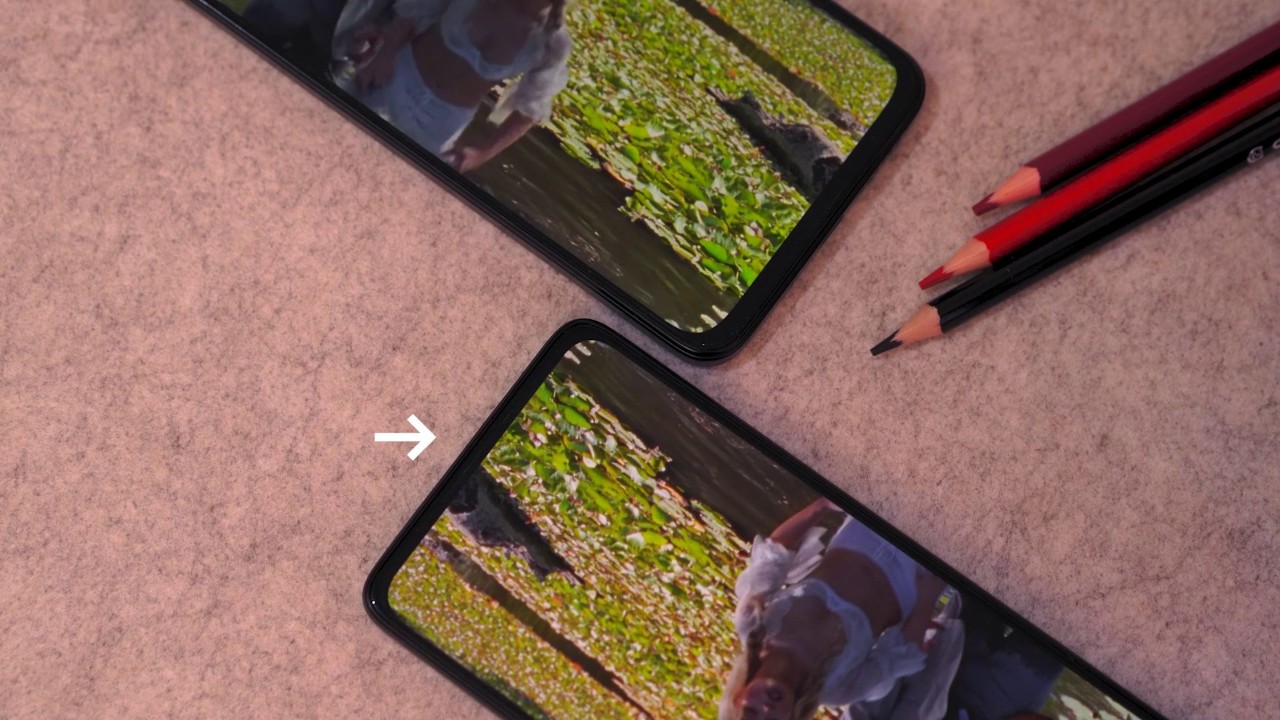
Now, talking about the visual experience, it’s as you would expect. You get better quality on the Redmi Note 14 providing more vivid colors, greater contrast, and deeper blacks.
The experience on the POCO M7 is not that bad though. Viewing angles are good and the colors are still vibrant at the very least.
While both phones support Widevine L1 for HD streaming on Netflix, the Redmi Note 14 is able to stream YouTube videos at 1440p resolution. The POCO M7 is capped at 1080p.

When it comes to audio quality, the Redmi Note 14 has another advantage here. It features dual stereo speakers that make listening and viewing experience a little more immersive. Its overall sound stage is decent with clear highs and mids along with Dolby Atmos, though the bass is not as punchy to my liking.

The POCO M7 offers a similar quality but the sound gets muffled at max volumes. Adding salt to the wound, it only features a single speaker setup.
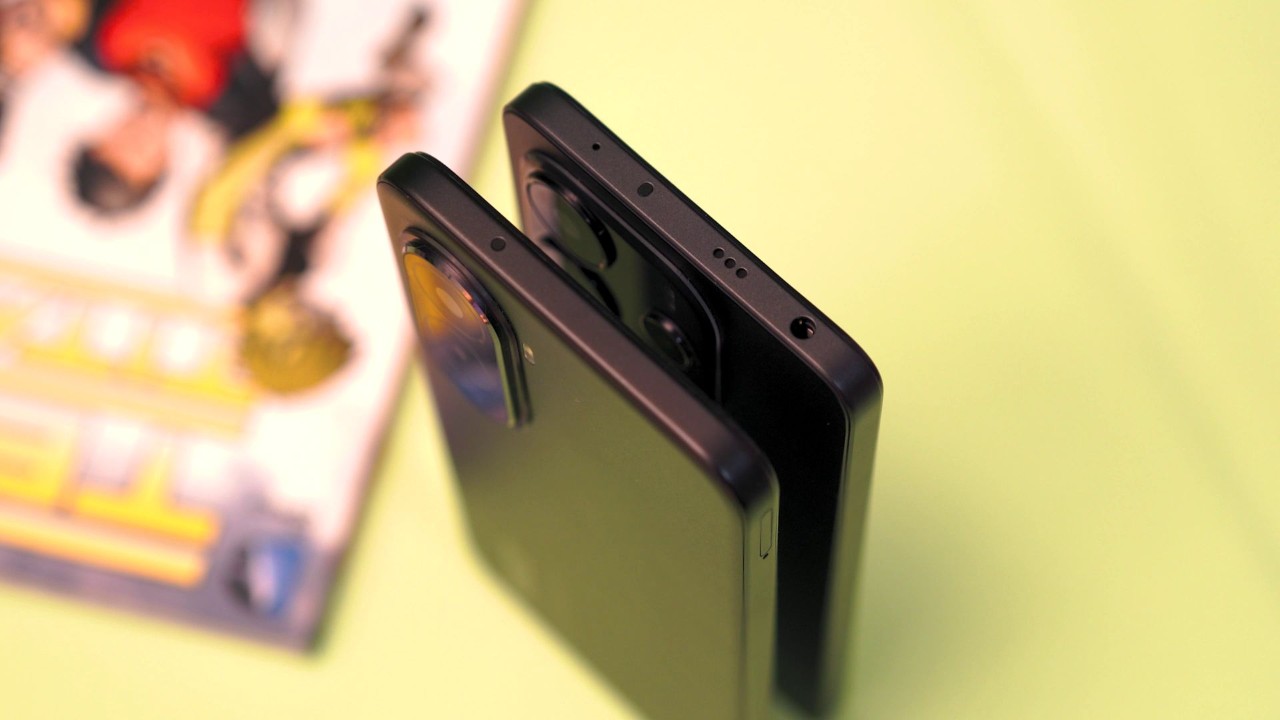
Interestingly, POCO removed the 3.5mm headphone jack for some reason, so users may have to rely on wireless earbuds or USB-C wired earbuds for the M7. Meanwhile, the Redmi Note 14 fortunately retains the headphone jack and that’s always a plus in our book.
With that, it’s just fair to give the point to the Redmi Note 14 mainly thanks to its AMOLED screen and stereo sound.
Performance and Benchmarks
Now, let’s talk about performance.
Powering the POCO M7 is the good ol’ Snapdragon 685 chip and comes with 6GB of RAM and 128GB of expandable storage— at least for the unit that we have here.
As for the Redmi Note 14, it’s equipped with the MediaTek Helio G99-Ultra and our unit comes with 8GB of RAM and 256GB of expandable storage.
Taking a look at our benchmark results, the Redmi Note 14 performs relatively better across the board. The phone achieved a higher score of over 400K in ANTUTU as compared to POCO’s 360K points.
The same goes for graphic-intensive tasks like 3DMark and Geekbench GPU with the Redmi Note 14 gaining higher numbers. That means it’s relatively better at handling games.
| Benchmark | POCO M7 | Redmi Note 14 |
|---|---|---|
| Chipset | Qualcomm Snapdragon 685 | MediaTek Helio G99-Ultra |
| AnTuTu V10 | 363,745 | 423,232 |
| AnTuTu Storage | 63,560 | 64,933 |
| S.Read Speed | 1023.0 MB/s | 1042.7 MB/s |
| S.Write Speed | 794.3 MB/s | 957.3 MB/s |
| 3DMark Wild Life | 650 | Avg. FPS: 3.89 | 1,235 | Avg. FPS: 7.40 |
| Geekbench 6 CPU Single-Core | 472 | 728 |
| Geekbench 6 CPU Multi-Core | 1,554 | 1,939 |
| Geekbench 6 GPU OpenCL | 378 | 1,308 |
| Geekbench 6 GPU Vulkan | N/A | 1,279 |
| PCMark Work 3.0 performance | 8,479 | 10,721 |
| PCMark Work 3.0 battery life | 22 hrs & 40 mins | 14 hrs & 44 mins |
For casual games like Mobile Legends, Asphalt, and even Roblox, both phones can easily handle such games with ease. However, as you would expect with entry-level devices, they won’t perform as smoothly with more demanding titles like Zenless Zone Zero let alone Wuthering Waves.
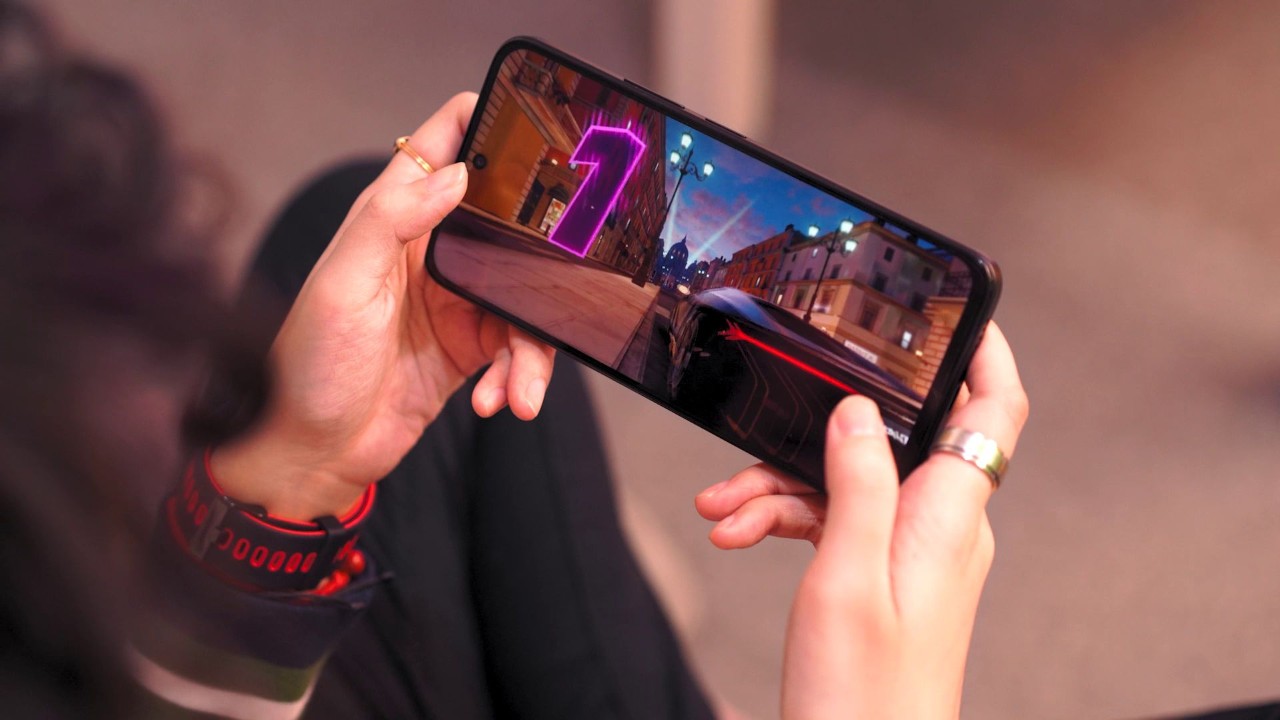
Despite that, navigation and doomscrolling feel smooth for both, and they should be suitable enough for your day-to-day use. Based on the numbers, the Redmi Note 14 does have a slight advantage, especially in graphical tasks. However, for the most part, you’d barely notice any difference in terms of overall performance.
That said, I’m giving this round a tie.
Cameras
Moving on to cameras, the Redmi Note 14 has a more flexible setup. There are three cameras at the rear consisting of a 108-megapixel main sensor, a 2-megapixel depth and another 2-megapixel sensor for macro shots. Then, for selfies, it gets a 20-megapixel selfie shooter up front.
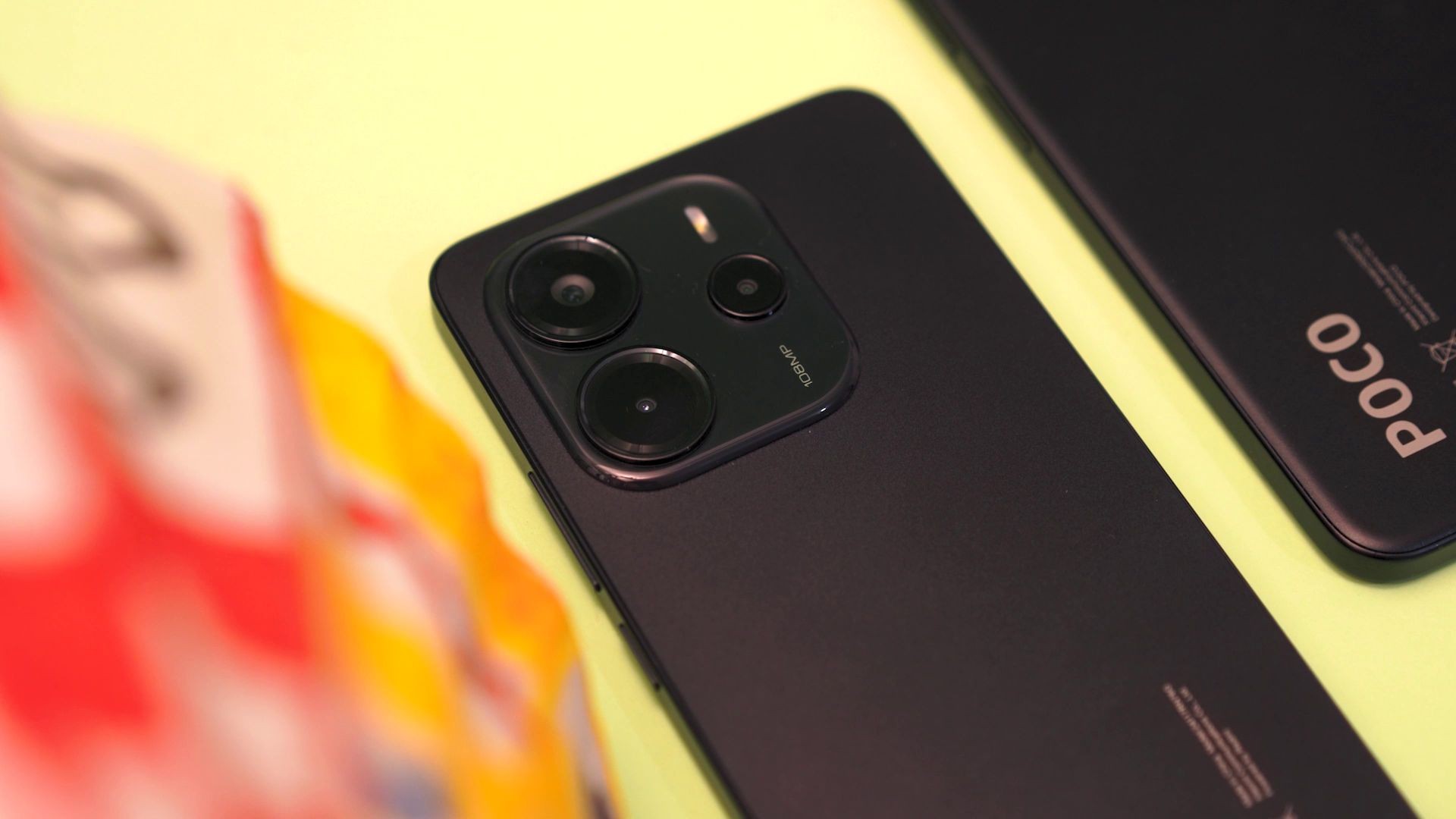
On the other hand, the POCO M7 gets a single 50-megapixel main sensor at the back and an 8-megapixel selfie camera.
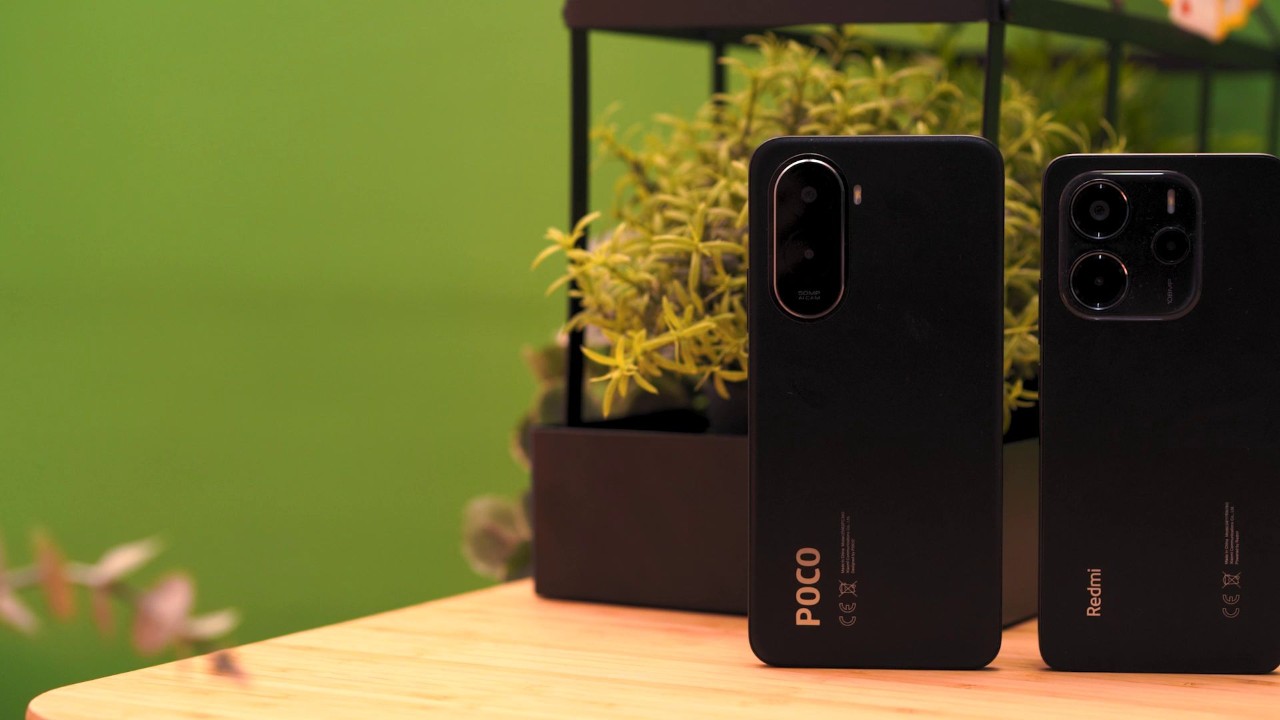
While we say that higher megapixel count doesn’t always equate to better image quality, in this case, it obviously does, perhaps because Redmi is using better cameras here. Shots have more detail on the Redmi Note 14 as compared to the POCO M7 that provide a seemingly more apparent noise and softer detail.
Selfies taken from the Redmi also benefit from a higher megapixel count, offering a slightly more detailed image.
POCO M7 vs. Redmi Note 14 sample shots
Monday, Aug 25, 2025


Color reproduction is good for both phones, however, POCO struggles to cover a good amount of dynamic range. With the addition of a macro lens, Redmi Note 14 also offers better macro photography.
As for video, both phones are capped to 1080p recording, however only the Redmi can shoot 60 frames per second (fps). The Redmi is able to deliver better quality in this regard with better contrast and colors, including some level of image stabilization, particularly EIS (30 fps only).
Therefore, the Redmi Note 14 earns the point this round, providing better image and video capabilities.
Battery Life
Next up, we have to talk about the battery life and this is where the POCO M7 really shines.
Like mentioned earlier, this guy has a bonkers 7000mAh of battery capacity and that is big enough to last up to three days on a single charge (with typical use). In fact, our PCMark battery test can vouch for us with the POCO M7 surpassing 22 hours and 40 minutes of runtime.

As for the Redmi Note 14, we still got a decent number. It packs a 5500mAh unit and in the same battery benchmark test, the phone lasted 14 hours and 44 minutes. That’s not bad for a phone with that amount of battery capacity.

Notably, both phones come with a 33W charging brick in the box, so that’s a nice inclusion that we really hope that all brands should do, regardless of the market segment. Anyways, there’s still no bypass charging to be seen here. So, there’s that.
In the battery department, the POCO M7 indeed earns the point this round.
Connectivity and Other Features
Software-wise, the POCO M7 runs Xiaomi HyperOS 2 based on Android 15. The Redmi Note 14 did ship with Android 14 out of the box, but it’s now also running HyperOS 2 on top of Android.

In terms of looks, you can see how Xiaomi treats its sub-brands differently. For example, the icons are rounded on the POCO and the design is a bit outdated to my liking. Not to mention, the control/ notification panel is still using the old MIUI design and there’s no way to change it in the settings at least for now.
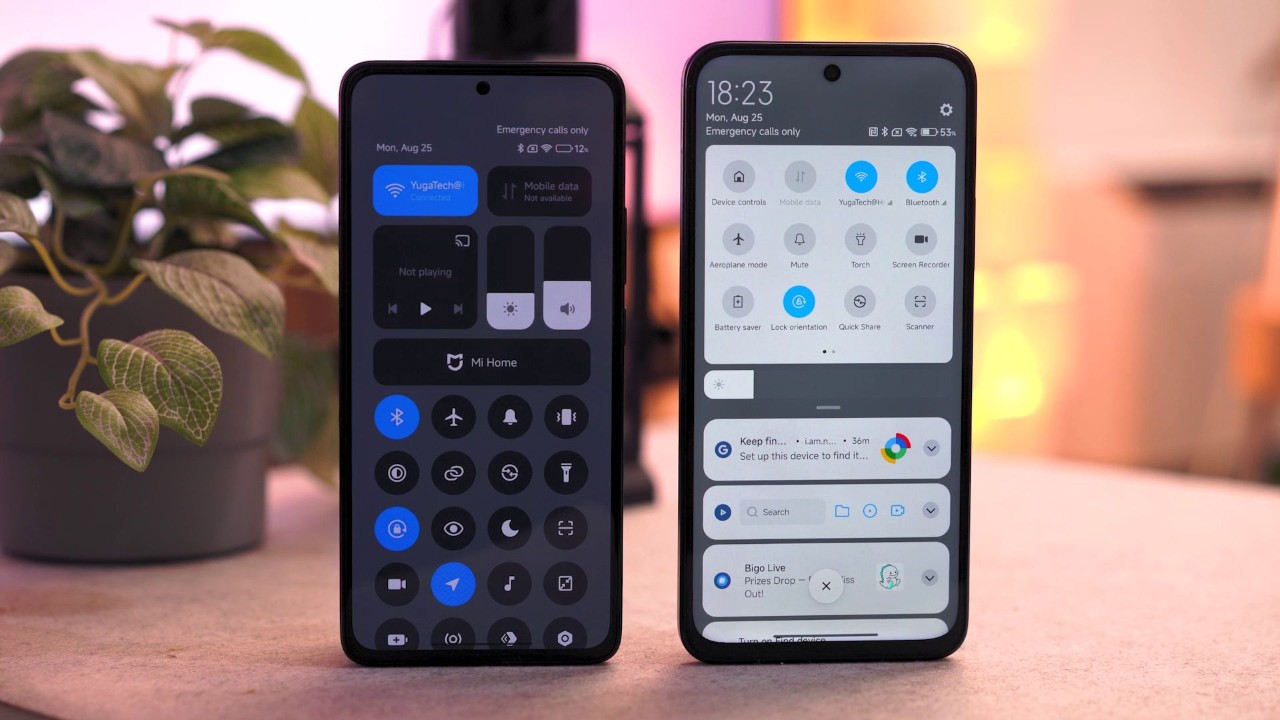
As for the Redmi, the icon design matches that of the higher-end Xiaomi number Series, and that’s something I hope they would streamline to all of their devices, including POCO’s.
Both phones come with similar features and software capabilities, and so are the ads and bloatware. On boot-up, both phones are plagued with intrusive ads (and even full banner ads) from system-level apps like Mi Browser, Themes, et cetera. There are also the usual bloatware apps that are pre-installed on the phones.

Yes, they can be disabled and removed altogether by turning off recommendations inside app settings, uninstalling them manually, or using third-party tools. However, it could be something that the average user might find annoying in the long run.
Speaking of longevity, the Redmi Note 14 is promised to get longer support with four major OS upgrades and six years of security patches. Sadly, POCO did not mention any software pledge for the POCO M7, but users can expect at least two major OS upgrades and four years of security patches.
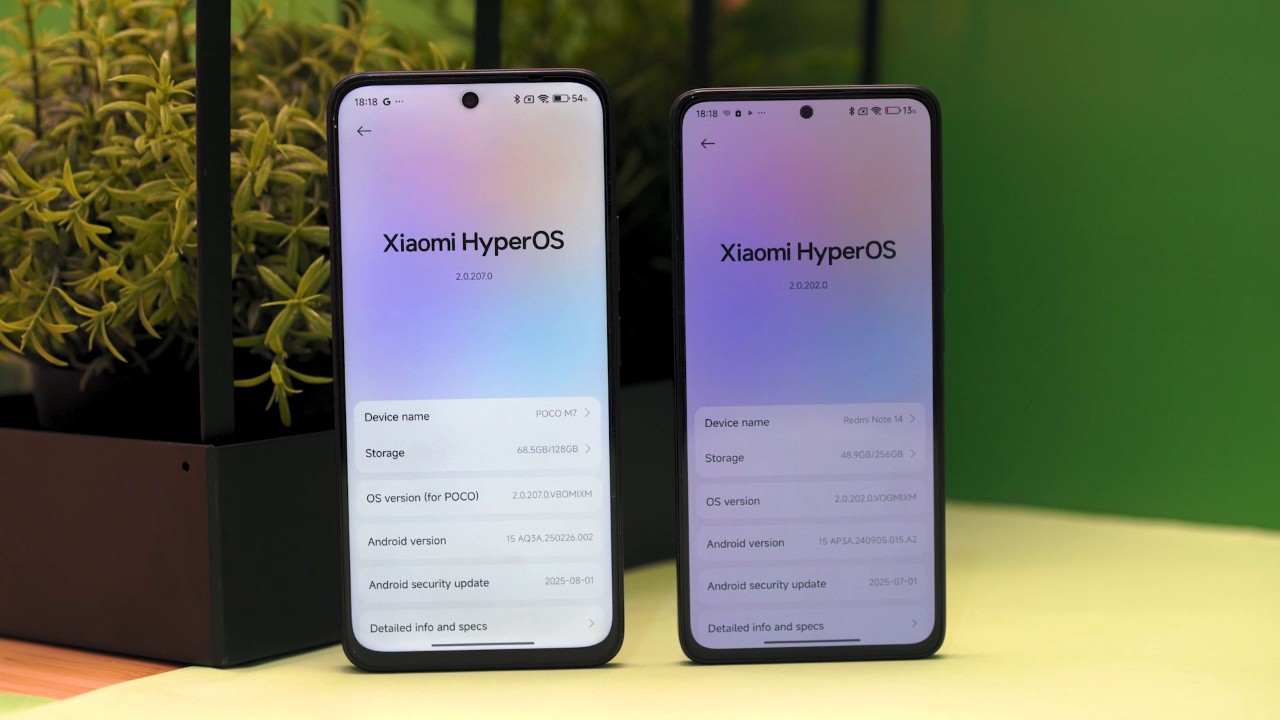
Connectivity-wise, both get the essentials including 4G cellular, Wi-Fi 5, NFC, and a feature that’s pretty much a staple now for all Xiaomi devices: the IR blaster.
That said, we pay more attention to software updates, and with the Redmi Note 14 having longer support, I’ll give it the point this round leaving it with a two-point advantage.
Which one should you get?
So, with all the pros and cons out on the table, let’s now answer the question: which one is the better pick? That would definitely be the Redmi Note 14.
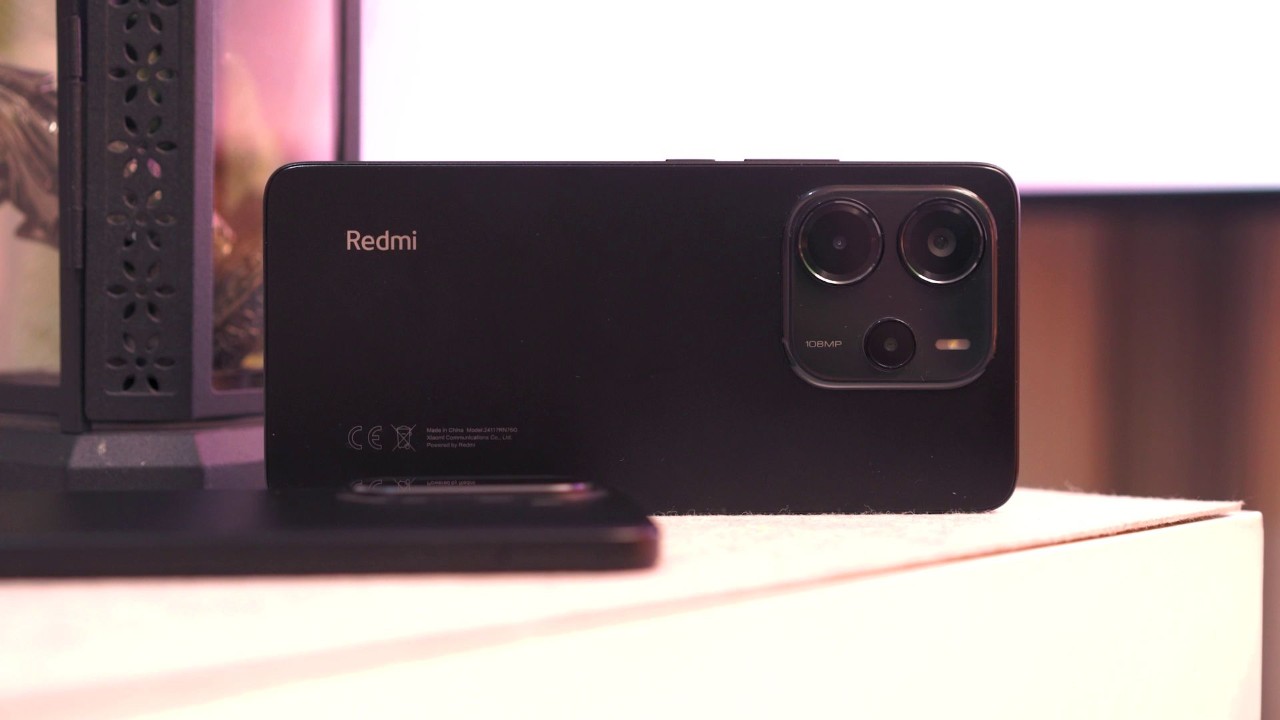
It offers a better AMOLED display with stereo audio, better camera performance, and longer software pledge. All that for an affordable price that’s not too far from the competition. Right now, you can get the Redmi Note 14 at a discounted price of PHP 7,999 (6GB+128GB). It retails for PHP 8,999 for reference.
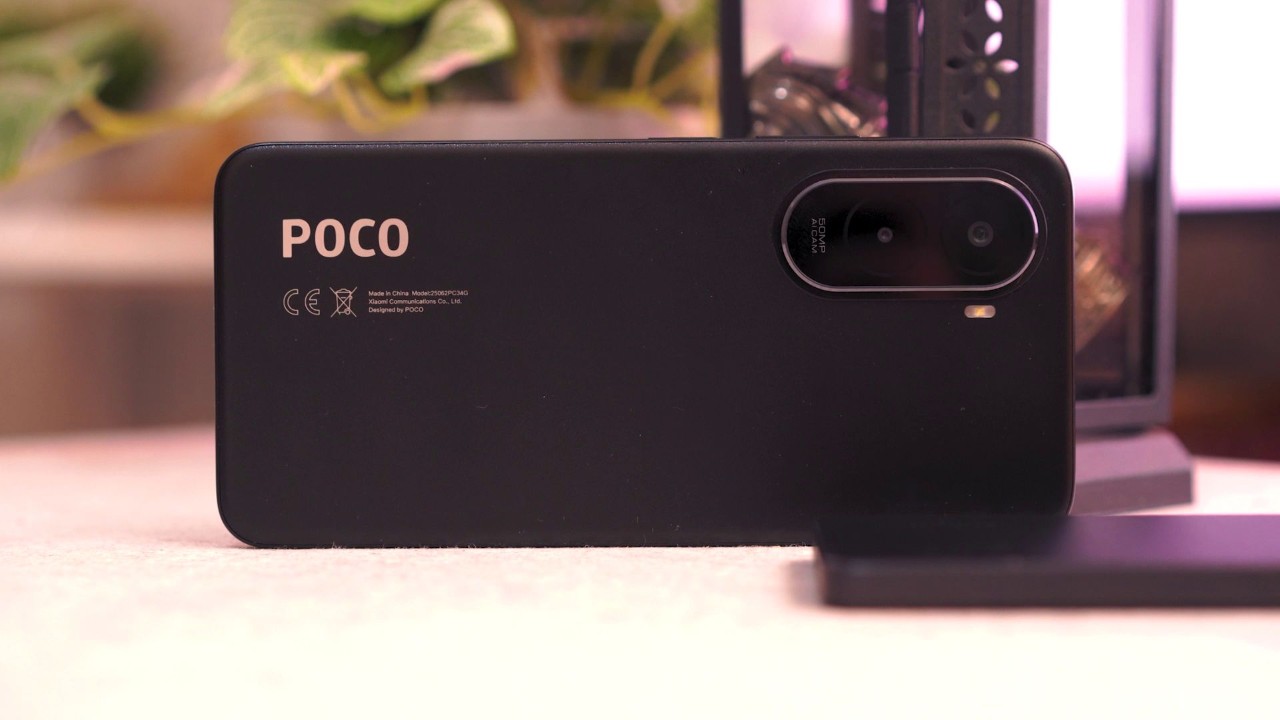
On the other hand, the POCO M7 counters with its unbeatable battery life. This is great for those who just want a phone that lasts without needing to recharge as often. It’s best to get this phone while it’s still selling at an introductory price for as low as PHP 5,850 (6GB+128GB) via Shopee. The POCO M7 retails for PHP 7,499 for context.
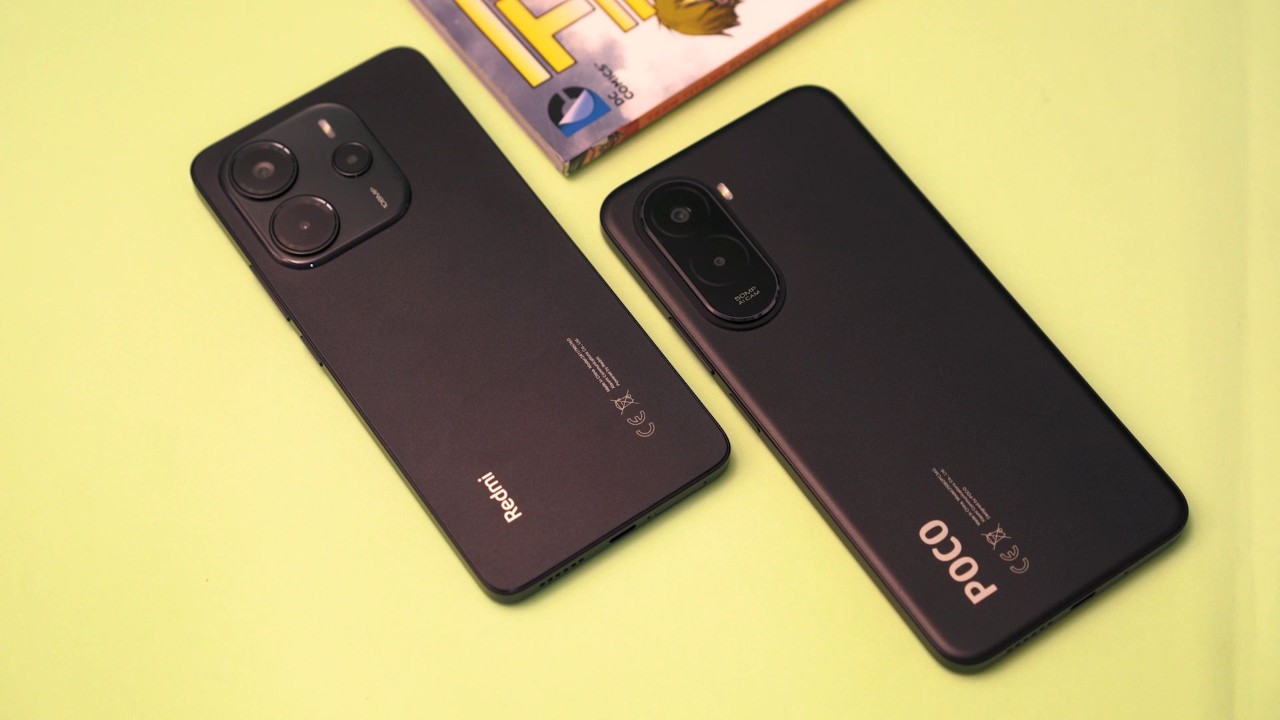
Long story short, if your budget is limited to under Php6,000, then the POCO M7 is a decent choice. But if you have more cash to spare, then the Redmi Note 14 is the way to go. Ultimately, the choice is always yours.
| POCO M7 4G | Redmi Note 14 4G |
|---|---|
| 6.9-inch FHD+ IPS LCD | 6.67-inch FHD+ flat AMOLED |
| 2340 x 1080 pixels, up to 144Hz | 2400 x 1080 pixels, 120Hz refresh rate |
| 850-nits (HBM) brightness | 1800-nit peak brightness |
| - | Corning Gorilla Glass 5 |
| Qualcomm Snapdragon 685 (6nm) | MediaTek Helio G99-Ultra (6nm) |
| Octa-core, up to 2.8GHz | Octa-core, up to 2.2GHz |
| 6GB, 8GB LPDDR4X RAM | Up to 8GB LPDDR4X RAM |
| 128GB, 256GB UFS 2.2 storage | Up to 256GB UFS 2.2 storage |
| Expandable up to 2TB via microSD (hybrid slot) | Expandable up to 1TB via microSD (hybrid slot) |
| Triple rear cameras: | |
| - 50MP f/1.8 single rear camera | - 108MP f/1.7 main |
| - 2MP f/2.4 depth | |
| - 2MP f/2.4 macro | |
| 8MP f/2.0 selfie shooter (punch hole notch) | 20MP f/2.2 selfie shooter (punch hole notch) |
| Dual nano-SIM | Dual nano-SIM |
| 4G LTE | 4G LTE |
| Wi-Fi 5 | Wi-Fi 5 |
| Bluetooth 5.0 | Bluetooth 5.3 |
| GPS, Glonass, Galileo, Beidou | GPS, A-GPS, GLONASS, BDS, Galileo |
| USB Type-C | USB Type-C |
| - | 3.5mm audio jack |
| NFC | NFC |
| Side-mounted fingerprint sensor, face unlock | Under-display fingerprint sensor, face unlock |
| IP64 dust and splash resistance | IP54 dust and splash resistance |
| Dolby Atmos, IR blaster | Dual stereo speakers, Dolby Atmos, IR blaster |
| Xiaomi HyperOS 2, Android 15 | Xiaomi HyperOS, Android 14 |
| (Unspecified update policy) | 4 major OS upgrades, 6 years security patches |
| 7000mAh battery | 5500mAh battery |
| 33W charging (wired) | 33W charging (wired) |
| 169.48 x 80.45 x 8.40 mm | 163.25 x 76.55 x 8.16 mm |
| 214g | 196.5g |
| Black, Blue, Silver (colorways) | Mist Purple, Lime Green, Midnight Black, Ocean Blue (colorways) |






0 Comments
Leave a Reply