

Last year, the Xiaomi 17 Series gets released in China with three new models including the base Xiaomi, 17 Pro, and 17 Pro Max.
And if you’re wondering what happened to the Xiaomi 16 Series? Well, they skipped it entirely and jumped straight to 17.
It wasn’t entirely clear what was the reason behind the jump, but most of us think it was just about Xiaomi keeping up with Apple’s iPhone 17 Series.
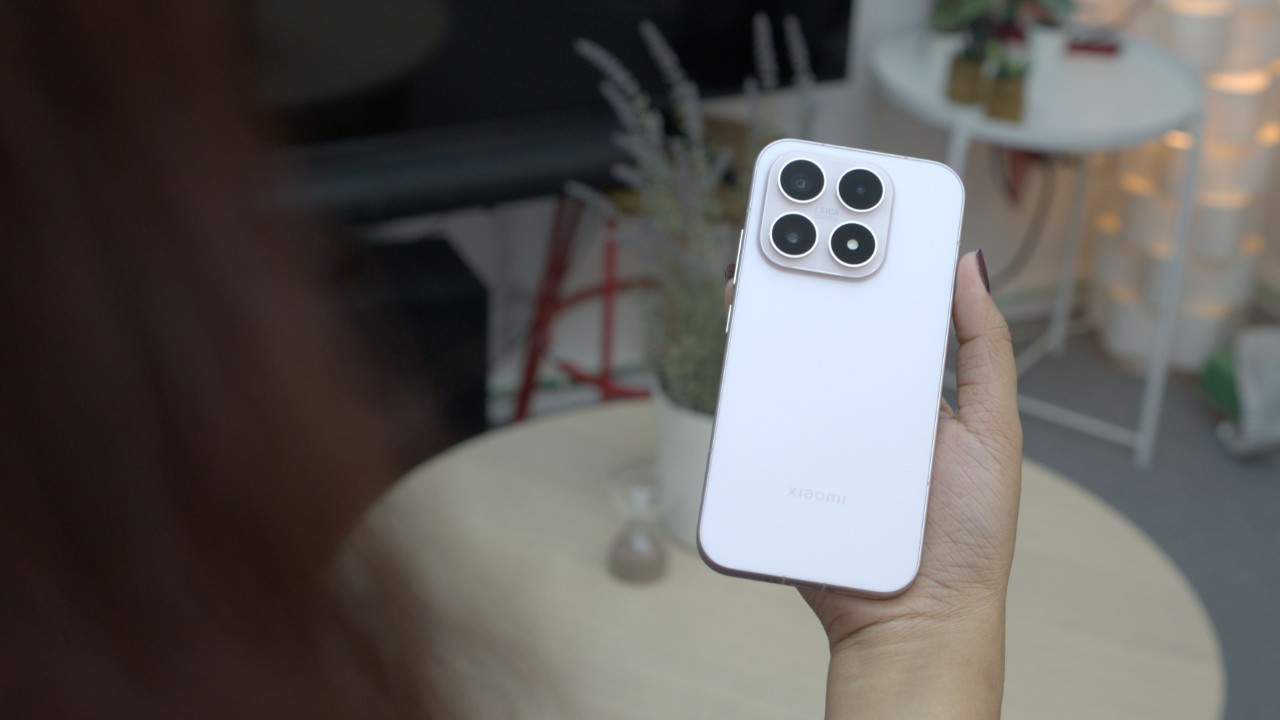
Setting that thought aside, the more important question is how does the Xiaomi 17 keep up with our daily use?
We’ve been using this phone for weeks now and here’s everything you need to know from its camera capabilities down to its overall performance.
Design and Construction
The very first thing I noticed is how compact the Xiaomi 17 is.
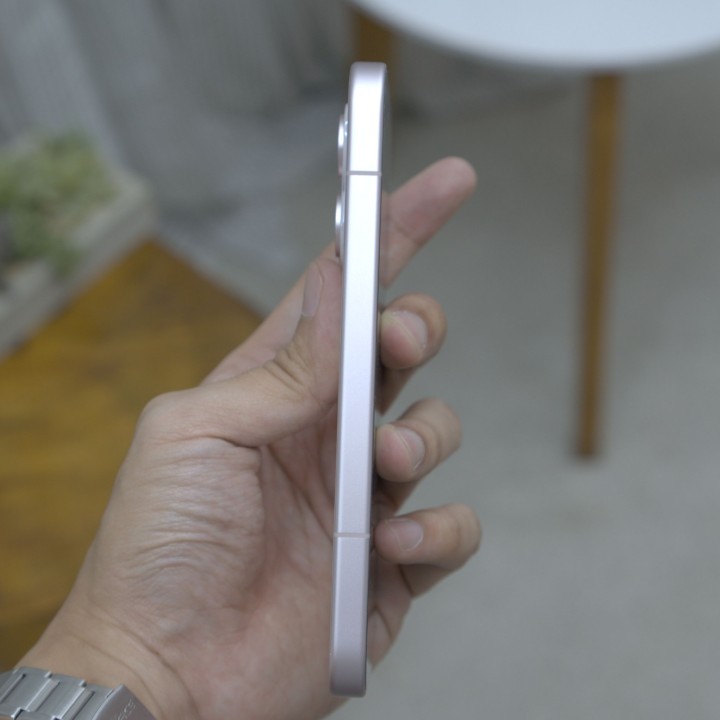
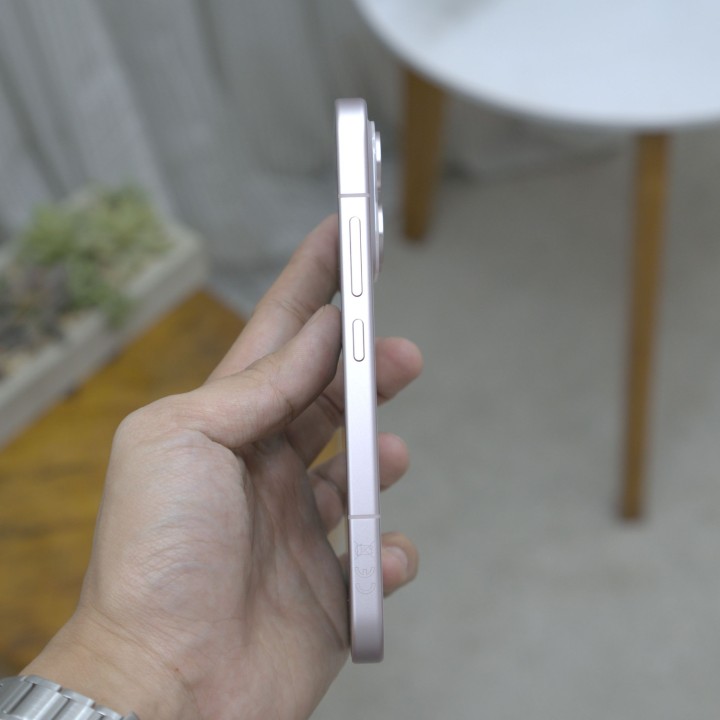
It sports a 6.3-inch display, weighs only 191 grams, and measures 8.6 mm in thickness. While that’s not a particularly thin profile, the compact size still makes it easy to grip and provides good ergonomics.
During my time with the phone, I really appreciate how nice it is to have a phone this compact. Even though, if you know me, I usually prefer bigger ones.
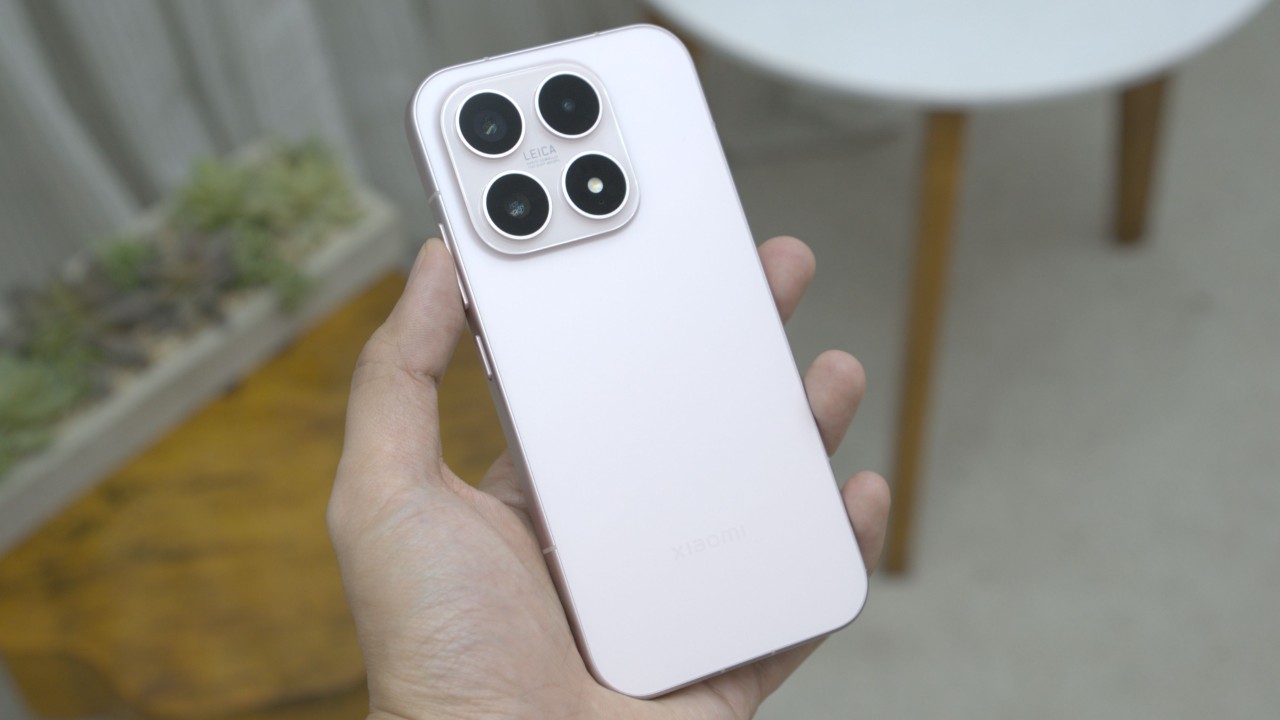
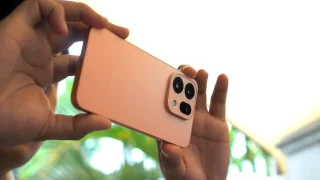
It’s got an updated design as well. Checking out the cameras at the rear, each lens is now protruding housed in a square-ish module, whereas its predecessor, the Xiaomi 15, accentuates a flushed camera island.
The unit we have here is the Green colorway featuring an aluminum frame paired with a matte-finished glass rear panel.
For extra protection, the phone is IP68 rated, which means it’s protected against ingress of dust and water. The unit even comes with a hard plastic case in the box.
The display also has a thin layer of glass on top providing protection against drops and scratches.
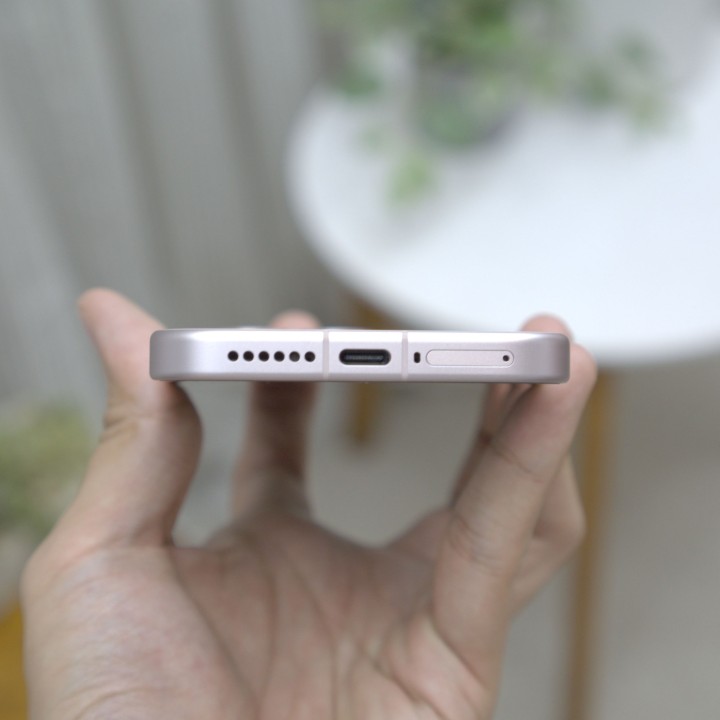
For I/Os, we see the usual layout here. The volume and power button are seated on the right. There’s nothing on both the left side. While the bottom part has a USB-C, the SIM tray, and the speaker grill. And up top, there’s the IR blaster and a mic.
Display, Multimedia, and Biometrics
Up front, the Xiaomi 17 comes with a 6.3-inch 1.5K LTPO AMOLED display running at 120Hz refresh rate. Again, its compact dimensions make one-handed use more comfortable.
When I’m reading articles and posts online, I like how smooth and responsive the screen is, and the images and text look very sharp.
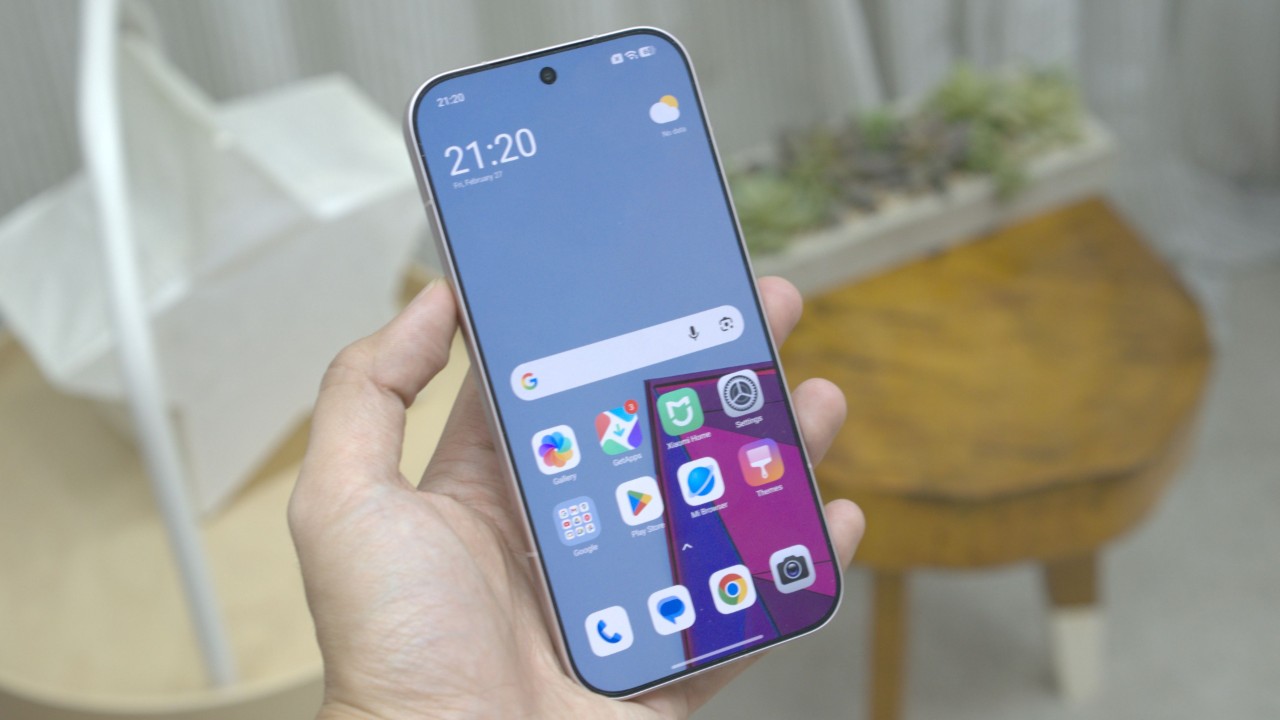
Switching between apps is buttery smooth. Not to mention, the bezels here are even thinner, measuring 1.18 mm all around.
The screen has a peak brightness of 3500 nits. While Xiaomi didn’t mention its typical brightness, when I’m using the phone outdoors, the screen still remains visible even under direct sunlight.
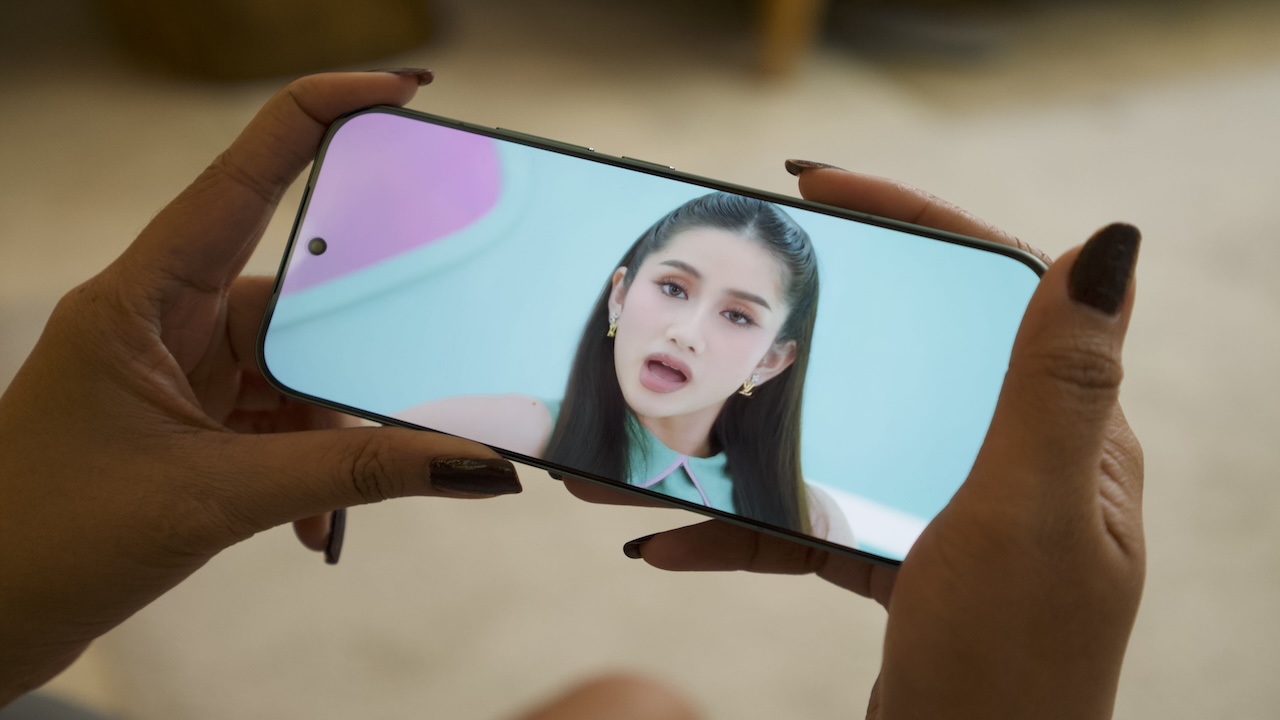
I’ve pretty much enjoyed watching videos on this phone since it has nice colors and deep, true blacks.
The audio quality complements that well, too. It has Dolby Atmos support producing an impressive sound stage.
There’s a nice balance of clear highs and mids, and it has strong bass output as it should.
For biometric security, the Xiaomi 17 features face unlock and under-display fingerprint scanning. Both works quickly and reliably. And unlike other phones that lag for a moment, the fingerprint sensor unlocks the phone instantly.
That’s mostly because this one already uses an ultrasonic sensor. I’d also like to mention that it’s positioned comfortably on the screen, making it easily within reach of my thumb.
Cameras
In terms of camera performance, this is where the Xiaomi 17 truly shines.
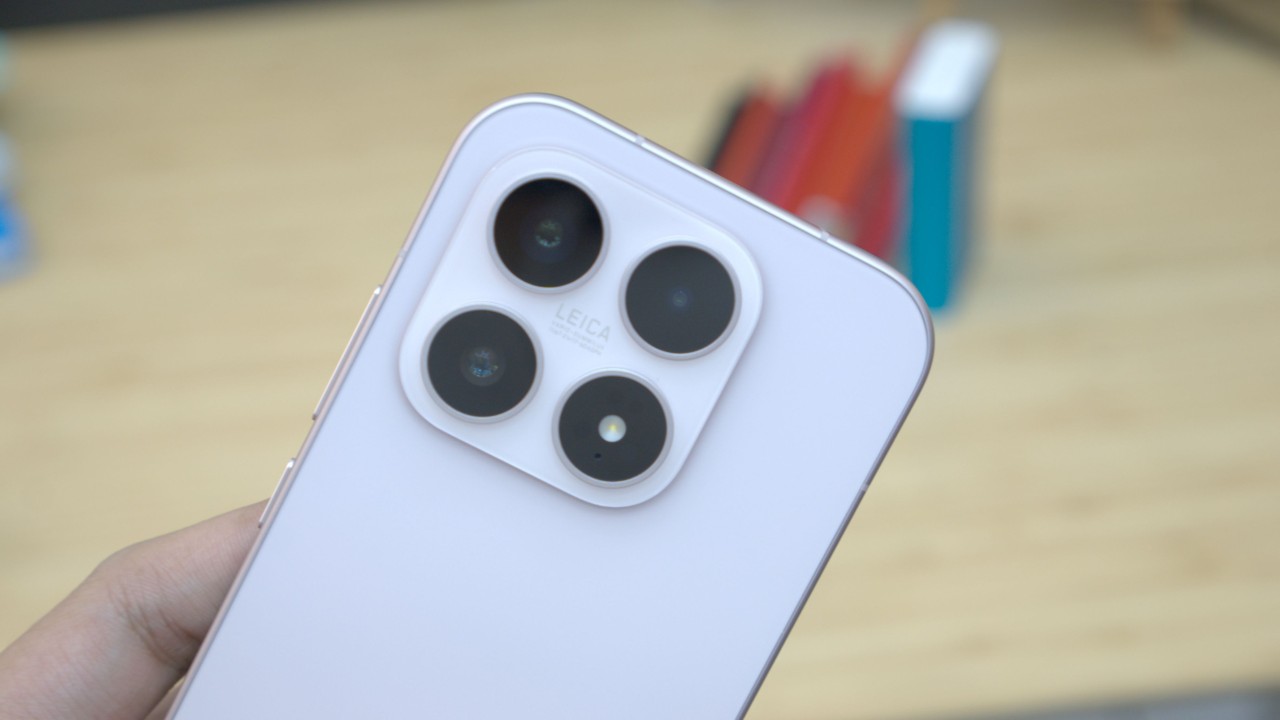
It carries a triple 50-megapixel sensor for the main, ultrawide, and telephoto at the back, all tuned by Leica optics.
The front camera gets an upgrade, now also using a 50-megapixel sensor.

If only I have one thing to say about its cameras: they are excellent. From capturing portraits, landscapes, selfies, and even zoom shots, everything looks stunning.
Xiaomi 17
Feb 5 – 9


In regular Photo mode, the Xiaomi 17 captures the subject so well. The output looks incredibly good, with balanced colors and well-preserved details.
The zoom levels here range from 0.7x (ultrawide), 1x (main), 2.6x optical zoom (telephoto), and up to 5x zoom.
We can crank the zoom level to 60x max, but it won’t look as good at that point already. However, when I tried this out to capture the moon, it still rendered the image well. That’s probably because of AI processing but that’s to be expected.
Taking photos at night is still a nice experience, and we were able to capture studio-level portraits using the ‘Master Portrait Mode’.
Ultrawide and macro shots also look great, achieving that same level of quality as with the main camera even at different focal lengths.
As for selfies, the quality looks good as well. The skin color and facial texture are fairly accurate. However, there’s still a bit of beautification applied even though all the beautify options are disabled.
Interestingly, the selfie camera seems to be using a wide-angle lens since it can shoot at 0.8x zoom, making it easier to take groufies
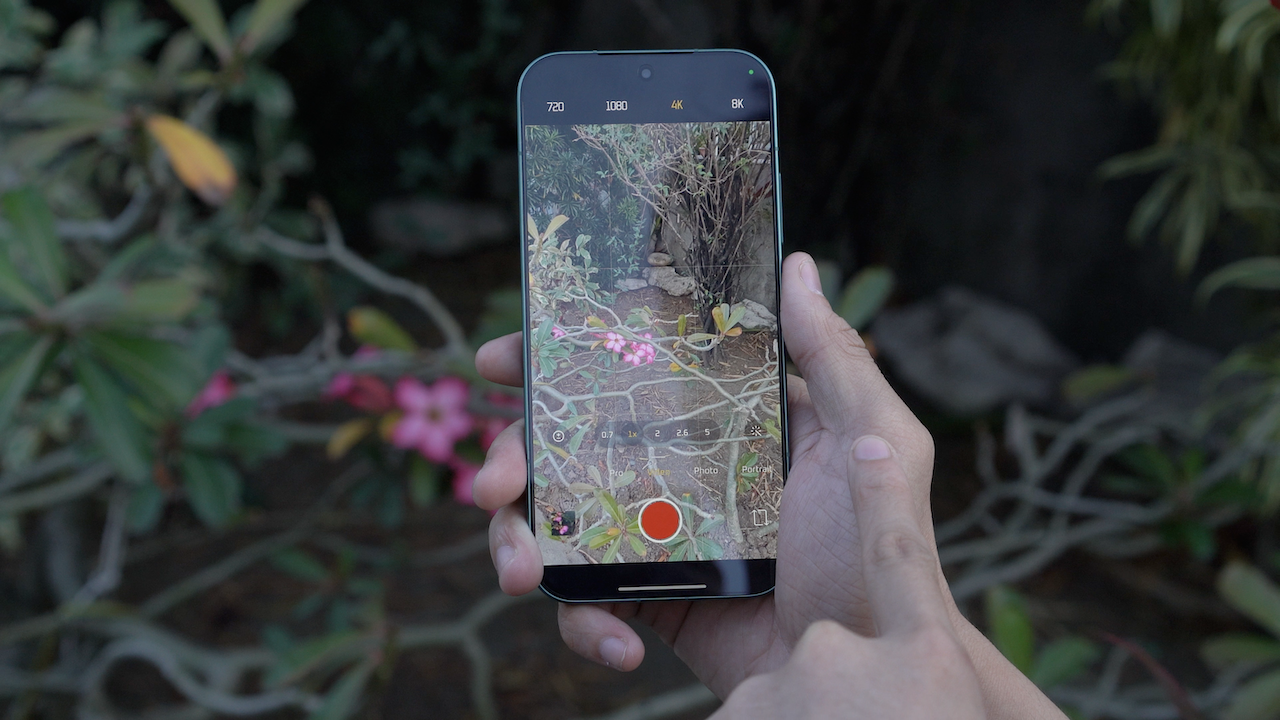
In terms of video capture, the Xiaomi 17 can record up to 8K at 30 frames per second (fps) with optical image stabilization (OIS) support.
The shots look impressive with consistent exposure, fast focus, and accurate colors.
Performance and Benchmarks
Moving on to performance, the Xiaomi 17 is powered by the latest Snapdragon 8 Elite Gen 5 chipset, which is great considering it’s the base model in the lineup.
For config, our unit is equipped with 16GB of RAM and 512GB of storage.
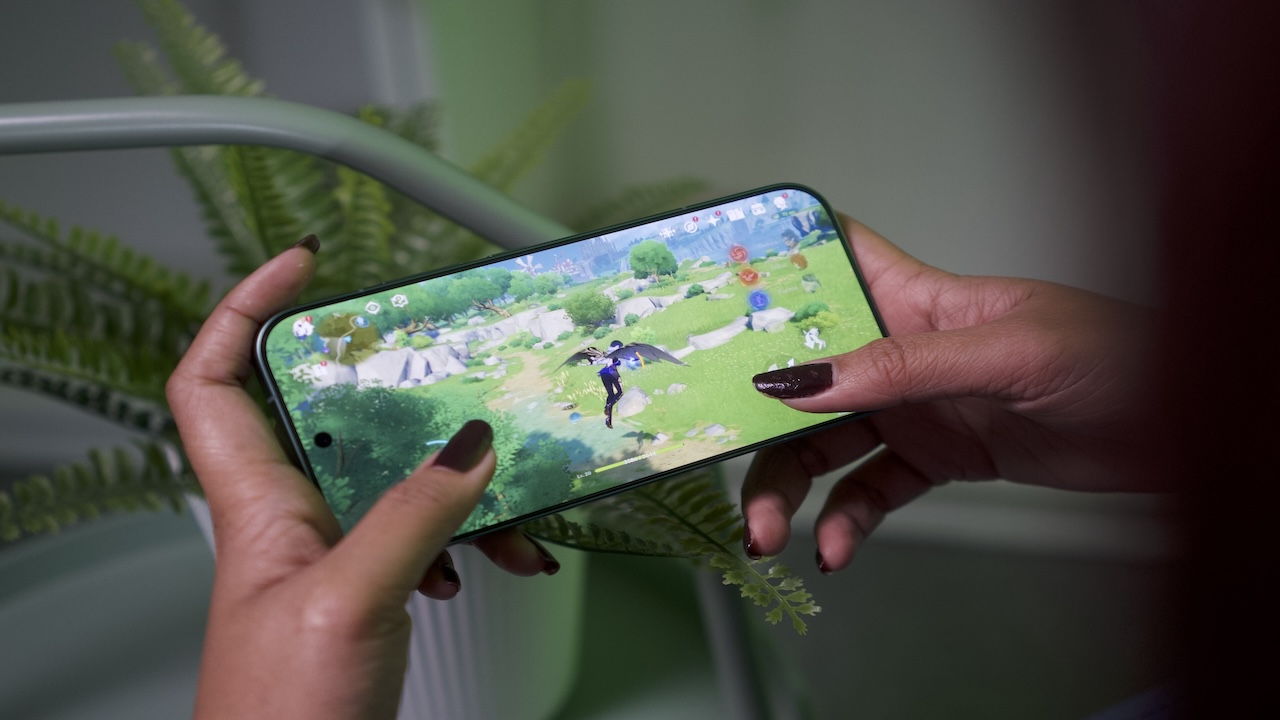
As expected of a flagship device, the Xiaomi 17 handles everything you throw at it with ease. Apps load almost instantly, multi-tasking is a breeze, and gaming is solid.
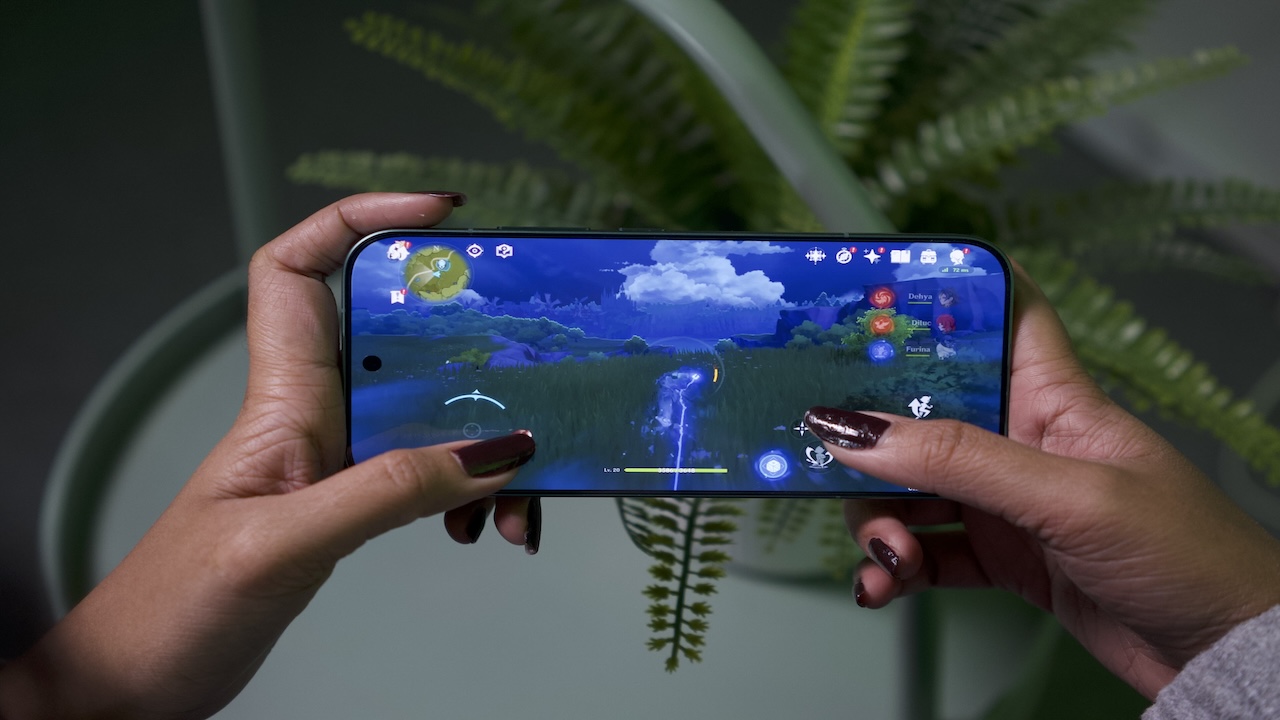
Of course, we tested different games from light to more demanding ones. In Mobile Legends, the phone ran the game smoothly in Ultra settings. And playing more demanding game, Wuthering Waves, was also smooth even at Maxed out graphics.
The phone does heat up after some time, especially if everything’s maxed out. I’d suggest setting the graphics to at most Medium to keep the phone cool and save some battery life.
Based on our benchmark results, the Xiaomi 17 achieved 2,452,772 points in AnTutu V10. That’s 200K higher than its predecessor.
| AnTuTu V10 | 2,452,772 |
|---|---|
| AnTuTu Storage | 216,134 |
| Seq Read | 4200.2MB/s |
| Seq Write | 4060.8MB/s |
| Geekbench Single-Core | 3,402 |
| Geekbench Multi-Core | 3,392 |
| Geekbench OpenCL | 23,206 |
| Geekbench Vulkan | 27,168 |
| PCMark Performance | 17,632 |
| PCMark Battery Life | 21 Hours and 8 Minutes |
OS, UI, and Apps
On the software side, the Xiaomi 17 ships with HyperOS 3 based on Android 16. The experience feels smooth and the UI looks clean and modern, just like what you’d expect from a flagship device.
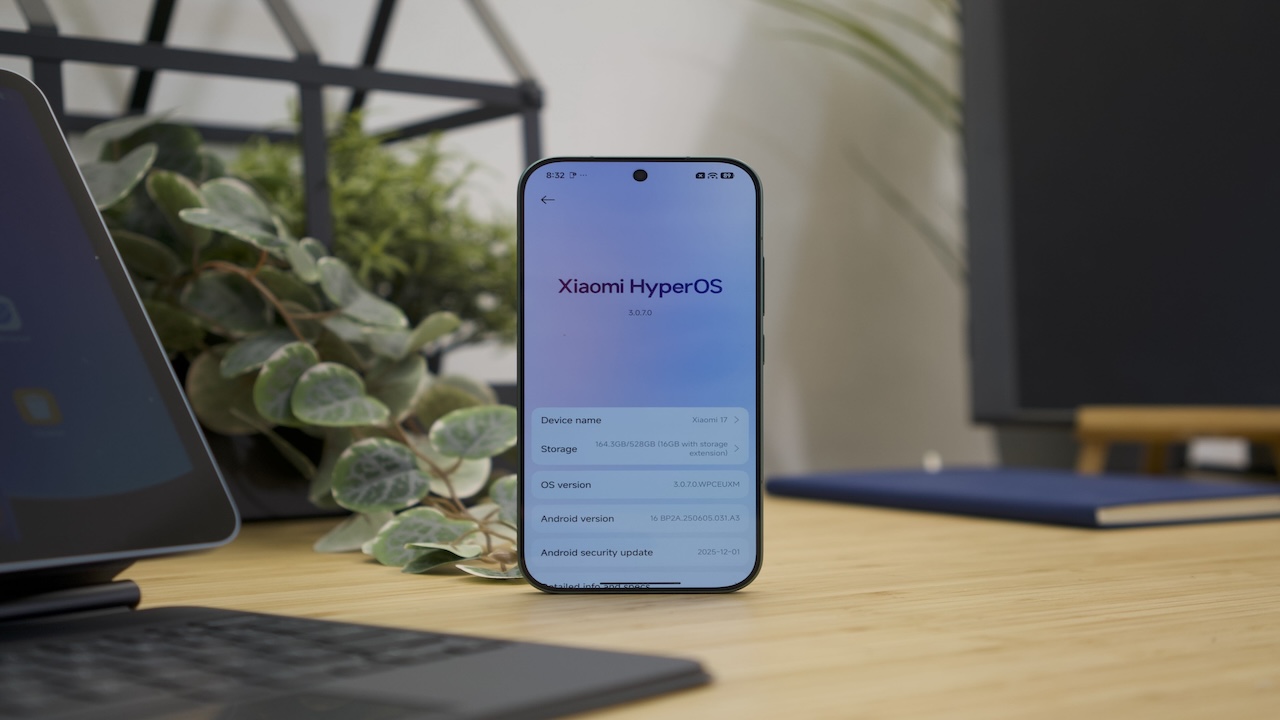
So far, we didn’t notice random slowdowns in daily use, and there are no bugs either. Weirdly enough, it still came with some bloatware like LinkedIn, WPS Office, and Amazon Shopping. While these can be easily uninstalled, some people might feel off considering this is a flagship device.

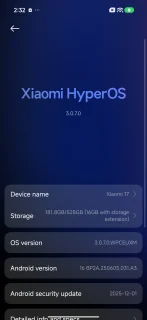
Customization is also a big part of HyperOS. You can change the overall look with different themes and lock screens, add widgets, and tweak the always-on display to match your style.
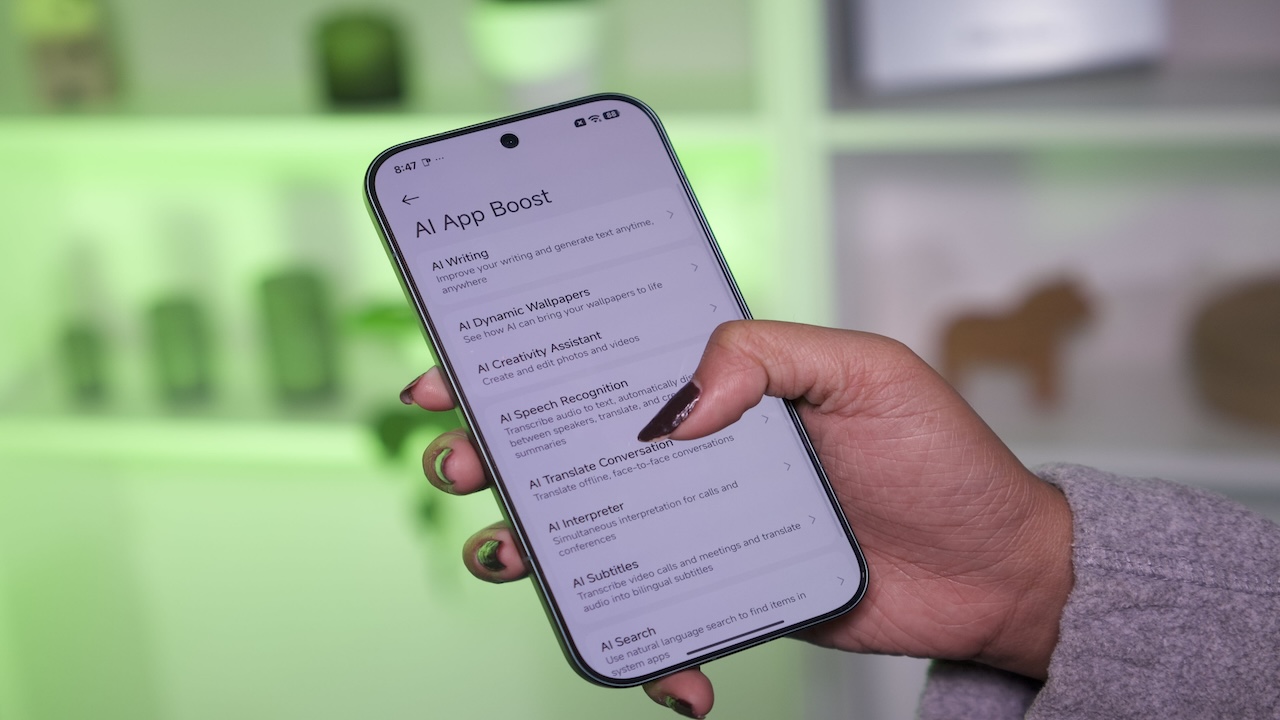
And just like with other high-end Xiaomi phones, it features HyperAI tools like AI Writing, AI Image Editing in the Gallery, and Gemini with Circle to Search.
Connectivity and Battery Life
Battery-wise, the Xiaomi 17 packs a larger 6,330mAh unit which is quite a bump from the Xiaomi 15’s 5,240mAh.
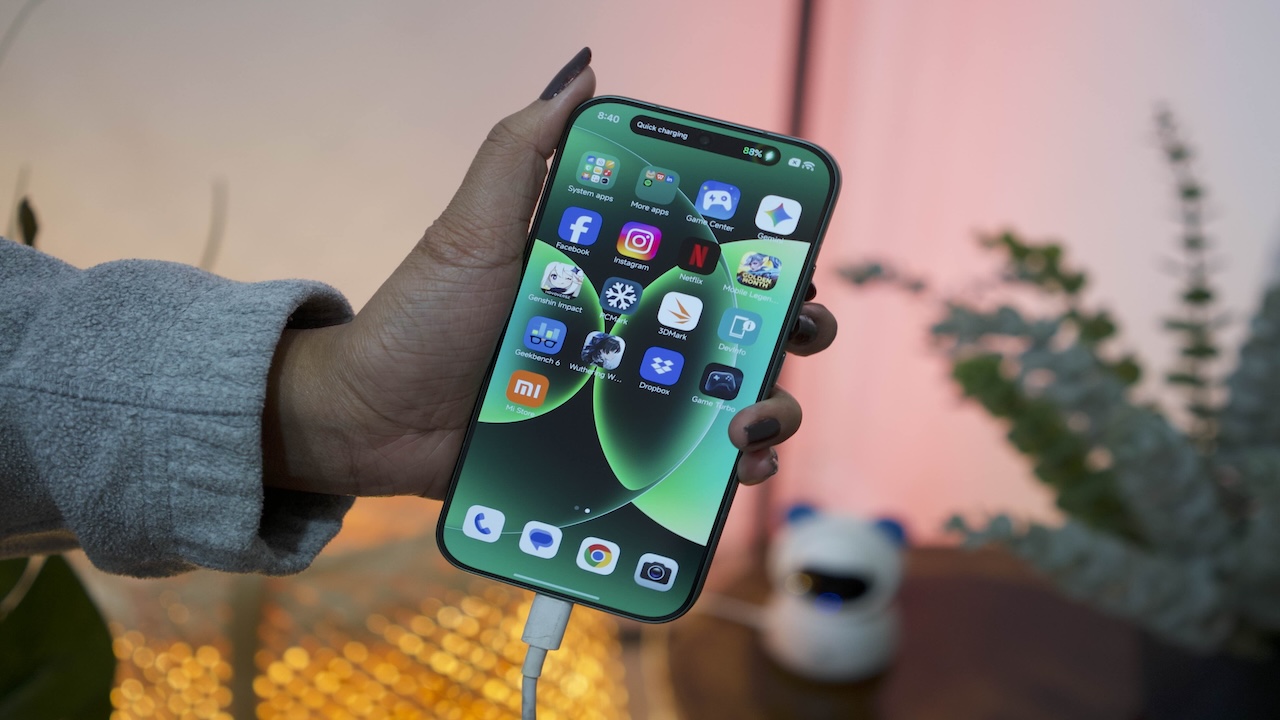
In my experience, the phone lasted nearly two days on a single charge.
Based on our PCMark battery life test, the phone lasted 21 hours and 8 minutes of uptime. Interestingly enough, that result isn’t a significant jump from its predecessor. It was actually worse.
The Xiaomi 15 passed 21 hours and 55 minutes of uptime in the same test despite having a smaller battery capacity. That said, I think the Xiaomi 17 needs more software optimizations to actually deliver a more efficient battery life.
We did test the phone again using our video loop test and the phone managed to pump out over 40 hours of uptime. So, that’s still a good indicator of how efficient the phone actually is.
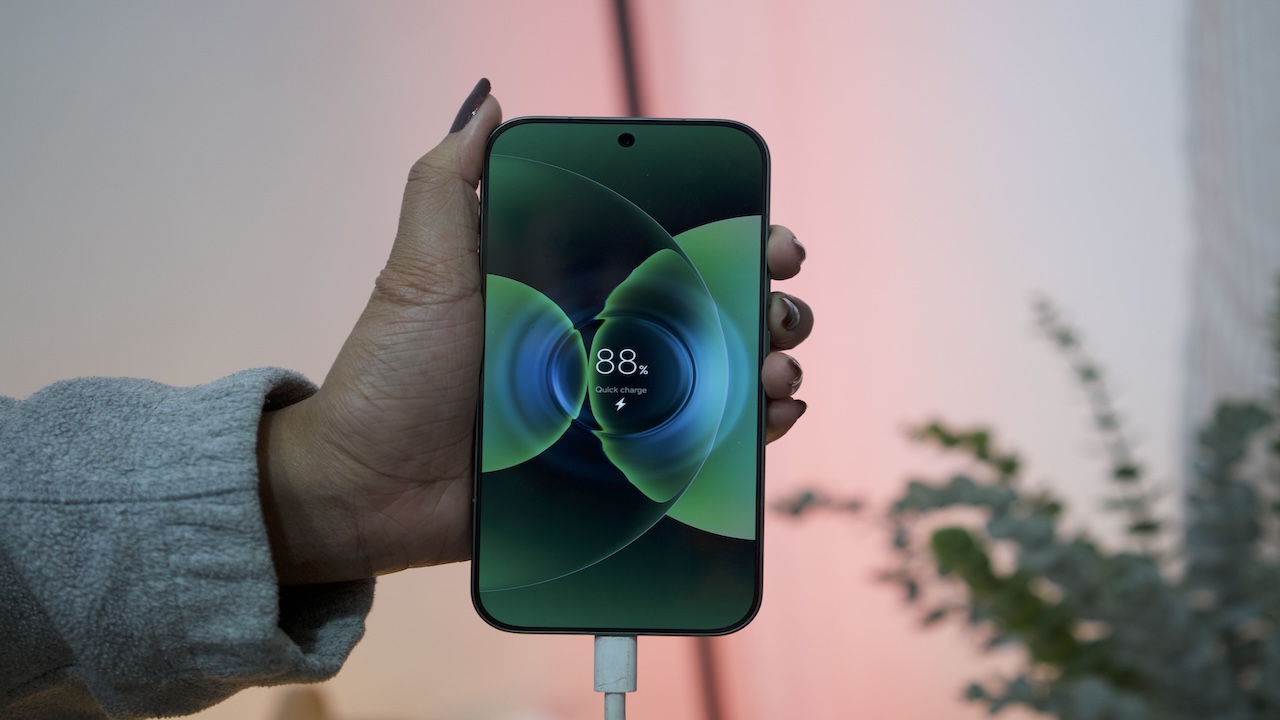
As for charging, the phone supports 100W of wired charging and can refill the battery in less than an hour. It also supports 50W of wireless and 22.5W of reverse wired charging.
There’s still no bypass charging here though.
For connectivity, the Xiaomi 17 supports 5G, LTE, Bluetooth 5.4, NFC, an IR blaster, and eSIM. I find eSIM very useful for international travel since it’s more convenient than swapping physical SIM cards.
Conclusion
In a world where bigger is often better, the Xiaomi 17 proves that compact can still pack a serious punch.
From its sleek and durable build to that gorgeous screen, and top-tier Leica cameras, everything feels premium and well thought out.
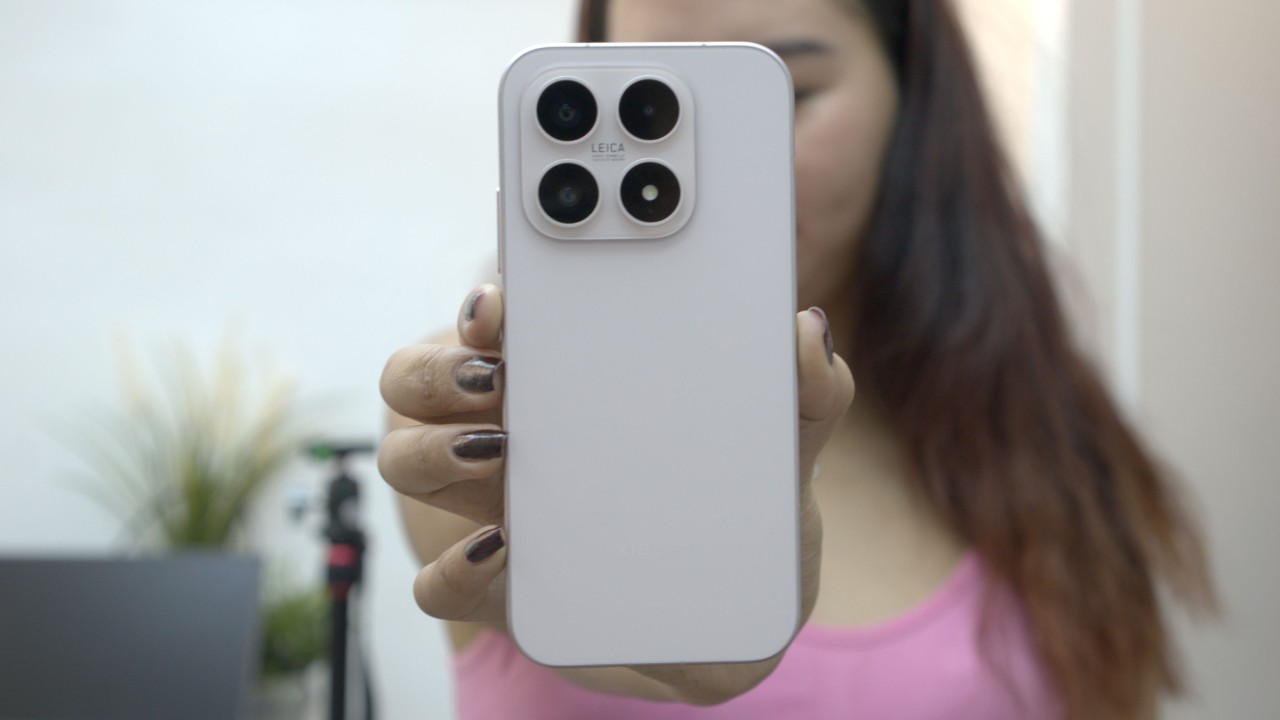
The Leica cameras are easily one of its strongest suits, and the Snapdragon 8 Elite Gen 5 deliver more than enough power for daily use, productivity, and gaming.
We have no major complaints except the pre-installed bloatware apps and the less improved battery life despite a larger capacity. But for the most part, the Xiaomi 17 is shaping up to be solid option in the flagship space.
Pricing
Local pricing for the Xiaomi 17 Series hasn’t been announced yet. But to give you an idea, the previous Xiaomi 15 (12GB + 256GB) retailed for PHP 45,999.
As I mentioned earlier, the 17 Series first launched in China at CNY 4,499. Converted directly, that’s about PHP 37,915. If it ended up around that price locally, it would be a great deal.
But let’s be real, it’s probably going to be more expensive, especially with RAM prices going up lately. So, there’s that.
Updated:
Xiaomi 17 Philippine Price:
256GB – Php 53,599 (Special pre-order price: Php 49,999)
512GB – Php 55,999 (Special preorder price: Php 53,999)
Available in Black, Venture Green, Alpine Pink, and Ice Blue.
Freebie for preorders: Xiaomi Watch S4 41mm
Preorder Perks (Xiaomi 17):
* Chance to win a Leica Q3 camera worth ₱417,000
* Free three-month Google AI Pro subscription with 2TB storage
* Free four-month Spotify Premium access
* 24-month quality assurance
* Free screen replacement within the first six months
* Out-of-warranty repair with free labor during the warranty period
What we liked:
- Durable, compact design
- Vibrant LTPO display, nice audio quality
- Superb Leica cameras
What we didn’t like:
- 6330mAh battery bump doesn’t add longer uptime
- Bloatware apps
Xiaomi 17 specs:
6.3-inch 1.5K OLED display
120Hz refresh rate, 3,500 nits (peak)
Xiaomi Dragon Crystal Glass protection
Qualcomm Snapdragon 8 Elite Gen 5 (3nm, up to 4.6GHz)
12GB, 16GB RAM
256GB, 512GB UFS 3.1 storage
3D-ring cold pump cooling system
Triple rear cameras (tuned by Leica optics):
– 50MP main camera (1/1.31-inch Light Hunter 950 sensor)
– 50MP ultrawide
– 50MP telephoto
50MP front camera
Stereo speakers
Dolby Atmos, Hi-Res audio certified
4x microphones
Dual SIM
5G, dual 4G VoLTE
Wi-Fi 7
Bluetooth 5.4
GPS
NFC
Xiaomi HyperOS 3 (Android 16)
7,000mAh battery
100W Fast Wired Charging
50W Wireless Charging
22.5W Reverse Charging
IP68 dust and water resistance
191 grams (weight)
Black, Blue, Pink, White (colors)


0 Comments
Leave a Reply