
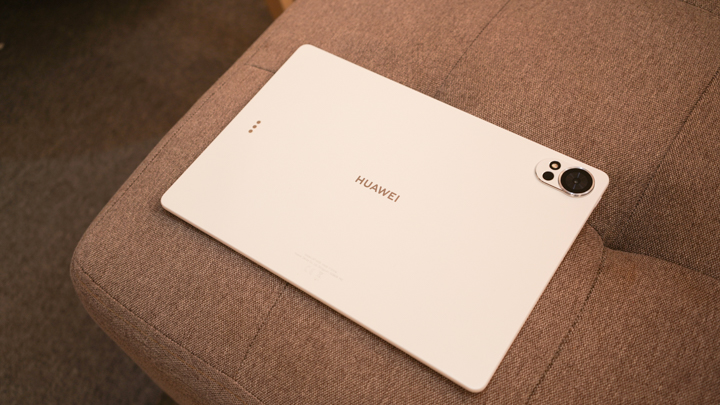
HUAWEI MatePad 12 X (2026) Review




Qualcomm is gearing up to redefine mobile performance by reportedly launching its next-generation Snapdragon chipsets built on a groundbreaking 2nm process next year. According to a tip posted on Weibo by a credible source from Digital Chat Station, Qualcomm plans to release two new SoCs in 2026: one likely to succeed the Snapdragon 8 Elite 2, known as the SM8950, and a less powerful variant, the SM8945, which could be a pared-down version of the upcoming Snapdragon 8 Elite 3. Both chips are expected to leverage improved lithography technology that promises enhanced performance and energy efficiency.
The SM8950 is poised to become the flagship processor for premium smartphones, pushing the limits of mobile computing with its advanced 2nm node fabrication. Meanwhile, the SM8945 may feature underclocked GPU cores or a less potent graphics unit, targeting mid-range devices while still benefiting from the power savings and speed improvements of the 2nm process. This development marks a significant step for Qualcomm as it seeks to maintain its competitive edge in an increasingly crowded semiconductor market.
Adding to the anticipation, Apple is also rumored to be on the brink of launching its A20 chipset, based on the same 2nm technology. Touted as the powerhouse behind the iPhone 18 series, the A20 Pro is expected to debut as TSMC’s first commercial chip fabricated on its N2 2nm node. This new process reportedly utilizes a nanosheet transistor structure that not only delivers superior performance but also offers notable energy efficiency improvements—a dual advantage that could redefine mobile device capabilities.

These announcements, emerging amidst mounting global competition, underscore a broader trend in the tech industry toward more advanced semiconductor technologies. As both Qualcomm and Apple push the envelope with 2nm innovations, consumers can look forward to a new era of faster, more power-efficient smartphones. This leap in chip design is likely to accelerate the performance improvements and battery life enhancements that are becoming increasingly critical in today’s mobile-centric world.
As 2026 approaches, all eyes will be on how these 2nm chipsets perform in real-world applications and whether they can live up to the lofty expectations set by industry insiders. With Qualcomm and Apple leading the charge, the race to harness 2nm technology promises to bring transformative changes to the smartphone market.









Apple, Asus, Cherry Mobile, Huawei, LG, Nokia, Oppo, Samsung, Sony, Vivo, Xiaomi, Lenovo, Infinix Mobile, Pocophone, Honor, iPhone, OnePlus, Tecno, Realme, HTC, Gionee, Kata, IQ00, Redmi, Razer, CloudFone, Motorola, Panasonic, TCL, Wiko
Best Android smartphones between PHP 20,000 - 25,000
Smartphones under PHP 10,000 in the Philippines
Smartphones under PHP 12K Philippines
Best smartphones for kids under PHP 7,000
Smartphones under PHP 15,000 in the Philippines
Best Android smartphones between PHP 15,000 - 20,000
Smartphones under PHP 20,000 in the Philippines
Most affordable 5G phones in the Philippines under PHP 20K
5G smartphones in the Philippines under PHP 16K


