
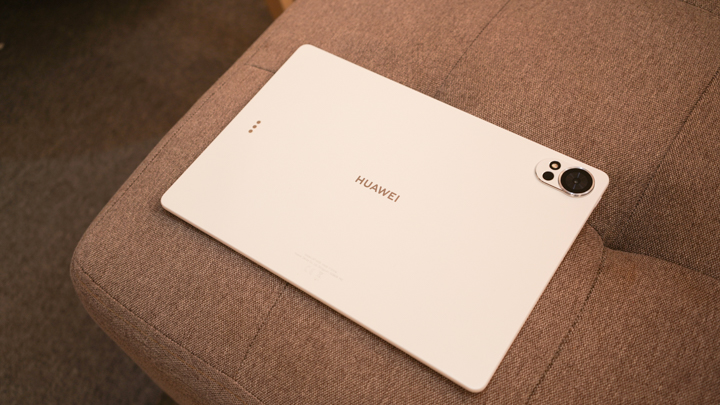
HUAWEI MatePad 12 X (2026) Review



SpaceX successfully launched six Starlink satellites equipped to provide mobile coverage directly to conventional smartphones, a service aimed at enhancing global connectivity and eradicating areas with no network coverage. The aerospace company announced the satellite deployment through posts on the social media platform X, revealing that the launch occurred early this morning on January 3 through Falcon 9.

Starlink Direct to Cell
The first users to benefit from the direct-to-device Starlink services for worldwide connectivity include T-Mobile US, Rogers Communications in Canada, Optus in Australia, KDDI in Japan, One New Zealand, Salt Mobile in Switzerland, and Entel Chile. Starlink’s future plans include enabling SMS messaging directly from its satellites this year, with voice and data services expected to commence in 2025. The system will also support IoT devices using common LTE standards, and partner countries’ operators will have reciprocal access.

Starlink Direct to Cell
The direct-to-phone technology eliminates the need for ground stations to facilitate connectivity, although its current coverage is more restricted compared to standard non-terrestrial network coverage.






Apple, Asus, Cherry Mobile, Huawei, LG, Nokia, Oppo, Samsung, Sony, Vivo, Xiaomi, Lenovo, Infinix Mobile, Pocophone, Honor, iPhone, OnePlus, Tecno, Realme, HTC, Gionee, Kata, IQ00, Redmi, Razer, CloudFone, Motorola, Panasonic, TCL, Wiko
Best Android smartphones between PHP 20,000 - 25,000
Smartphones under PHP 10,000 in the Philippines
Smartphones under PHP 12K Philippines
Best smartphones for kids under PHP 7,000
Smartphones under PHP 15,000 in the Philippines
Best Android smartphones between PHP 15,000 - 20,000
Smartphones under PHP 20,000 in the Philippines
Most affordable 5G phones in the Philippines under PHP 20K
5G smartphones in the Philippines under PHP 16K


