

LG Philippines invited us to attend LG InnoFest 2026, together with other journalists and dealers from across the Asia Pacific region, to get a look at the current and upcoming AI powered appliances that will soon land on store shelves and in our homes. The event gave a clear glimpse of how AI appliances are starting to integrate into our daily lives, especially when it comes to doing household chores.

At its core, the goal of these AI appliances is to reduce effort, maximize energy efficiency, and make everyday routines smoother. But they also raise questions about price, privacy, and long term dependence on software and connectivity.
One of the key selling points LG pushed, compared to traditional non AI appliances, is that AI saves time and effort, or as LG frames it, the Zero Labor Home, where appliances coordinate automatically instead of forcing us to press endless buttons and adjust every setting manually.
All these LG AI appliances are powered by LG’s own AI platform, which learns and adapts for optimal comfort, optimizes energy based on usage patterns, and gradually tunes itself to your habits over time.
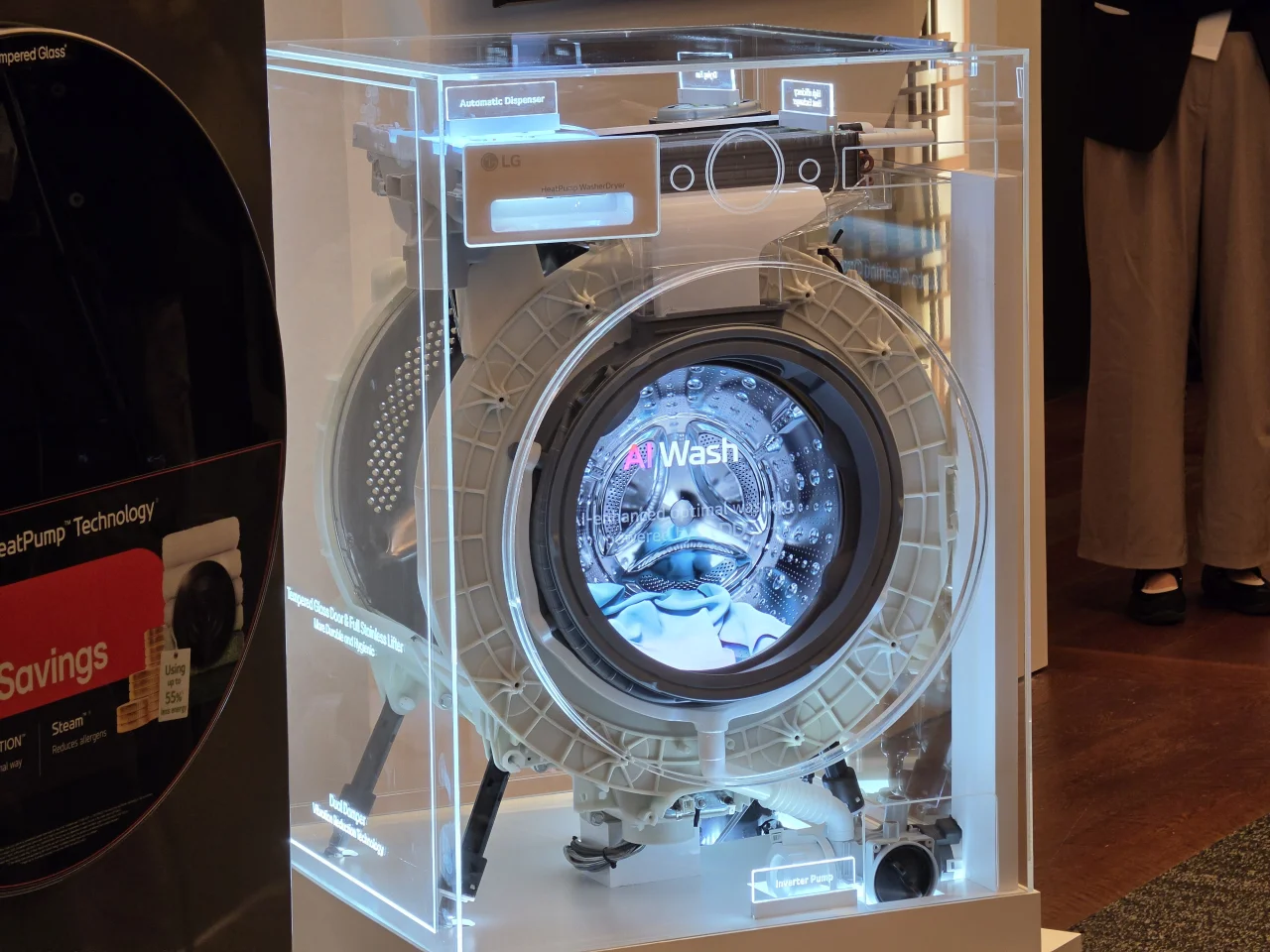
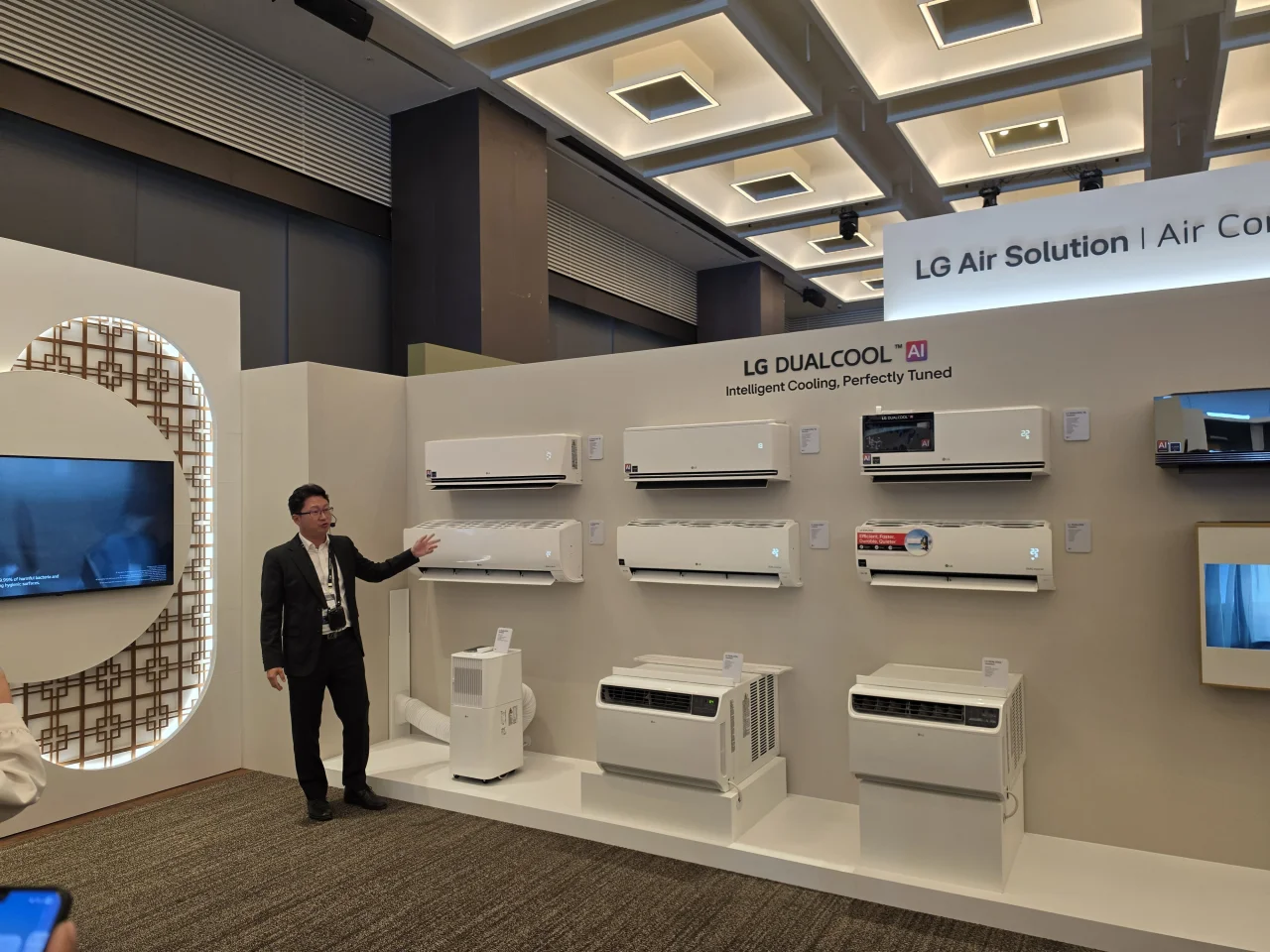
Several demos at InnoFest 2026 showed this in action. The AI washing machine, for example, can auto detect load size and fabric type, adjust cycles, and even suggest the best time to run to save energy. There is also an AI air conditioner that uses LG’s AI to learn your preferred temperature, fan speed, and even your sleeping pattern, then adjusts cooling and airflow to keep the room comfortable while cutting down on unnecessary power use.
AI driven appliances can optimize energy, water, and temperature instead of running on fixed, generic cycles. At LG InnoFest 2026, we saw LG’s AI powered HVAC and energy management tools in action, such as the ThinQ based kW Manager, which I also use in our own home. It gives a real time estimate of how much energy each appliance is consuming, and lets you compare usage over time. Paired with LG’s AI driven Multi V system, which adapts cooling to occupancy and environment, it’s easy to see how AI can actually lower bills and make comfort more predictable.
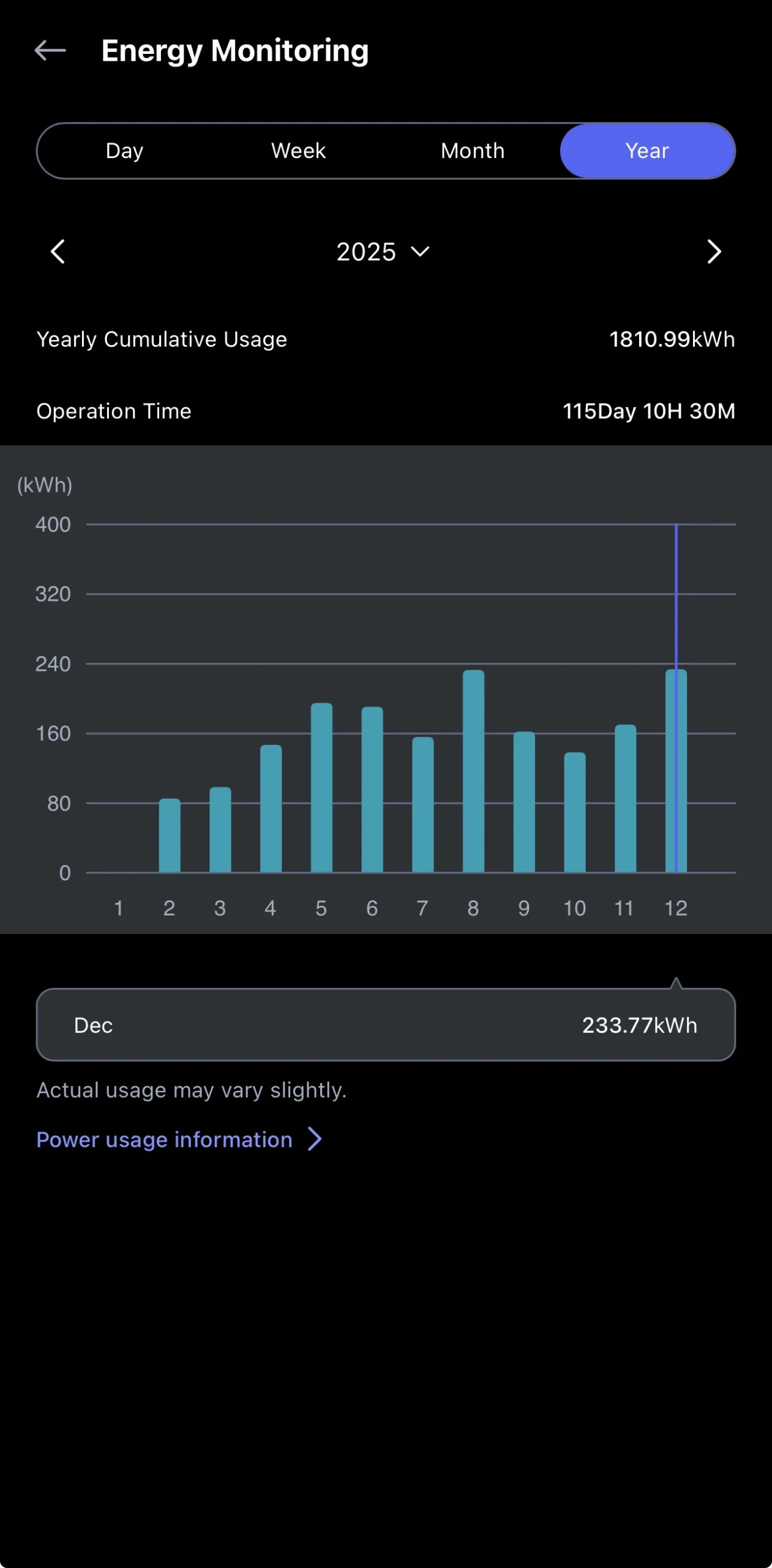
This is especially relevant for Filipino households, where electricity costs are high and the heat is relentless. In that context, AI that cools smartly stops being a gimmick and starts feeling like a practical upgrade, something that helps you stretch your budget without sacrificing comfort.
Beyond comfort, AI appliances also aim to reduce direct human interaction. Instead of manually setting temperature, fan speed, and swing every time you turn on the aircon, you’re essentially letting the auto mode work for you, but smarter. The AI learns your habits and gradually personalizes the experience so you spend less time tinkering and more time just living.
But there are also real drawbacks and risks.
AI enabled appliances are usually more expensive, and the extra features may not matter to everyone. LG said that many of these smart functions will eventually trickle down to lower tier models, but for now, the full AI experience sits in the mid to higher end lineup. In some markets, like Malaysia and Singapore, LG offers a LG Subscribe model, where you effectively rent the appliance instead of paying the full price upfront. That lowers the barrier to entry, but it also means you’re locked into a subscription just to keep using the product.
Repairs can be more complicated too. When software, sensors, and connectivity are part of the system, a bug or glitch can feel more confusing than a simple mechanical failure. LG’s answer to this is Smart Diagnosis, an AI feature that can detect common issues and guide users through simple fixes, often without needing a service call. If the problem is more serious, a service advisor can still access the diagnostics remotely and go straight to the broken part, reducing unnecessary checks and wasted time. Plus, LG’s accredited service centers regularly attend training to handle AI integrated appliances, so technicians are no longer seeing dumb machines but learning to treat them as smart, connected devices.
Then there’s the question of ecosystem lock in. Some brands trap users into only buying from one manufacturer so their smart home actually feels smart. But LG has taken a step to avoid this. Back in July 2024, it announced an 80% stake in Athom, the Dutch company behind the Homey smart home platform. LG plans to integrate Homey’s open ecosystem, which supports Bluetooth, Zigbee, Z Wave, Matter, Thread, and Tuya, into its own ThinQ platform. That means you won’t have to buy every single appliance from LG for your smart home to work smoothly. You can mix and match brands while still enjoying seamless control.
So do we really need AI home appliances?
The answer is that it depends. If you’re willing to pay a premium for fewer chores, smoother routines, and lower energy bills, then AI powered appliances can be a worthwhile upgrade. But if you’re buying them just because they’re smart or trendy, you might end up subsidizing features you’ll never use.
AI home appliances are worth it when their main goal is clear, to make your life easier, to reduce the number of small decisions you have to make every day, and to give you peace of mind that your home is running efficiently without constant supervision. In a country like the Philippines, where time, space, and electricity are all precious, AI that genuinely lightens the load can be more than a luxury, it can be a practical tool for better daily living.
But like any new tech, it should be adopted with eyes open. Consumers should ask
-
Does this appliance solve a real problem in my home
-
Can I still use it if the app or cloud fails
-
Is the extra cost justified by long term savings and comfort
If the answer to those questions is yes, then AI home appliances aren’t just a marketing gimmick. They’re a small but meaningful step toward homes that work smarter, not harder, for the people inside them.






0 Comments
Leave a Reply