

Samsung’s 2026 flagship refresh isn’t about reinventing the wheel, it’s about making it smarter.

The Galaxy S26 and Galaxy S26+ refine what already worked in previous generations, but this time with deeper Galaxy AI integration at the core. These two devices are nearly identical in most areas, with the biggest differences coming down to display size, battery capacity, and charging speed.
If you’re deciding between the two, it’s really about how big you want your phone and how long you want it to last.
Design and Build

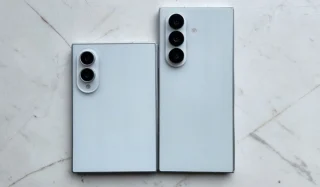
At first glance, both the Galaxy S26 and S26+ stay true to Samsung’s minimalist design language. We get a new rear camera layout, with the lenses now housed in a vertical island.
Other than that it’s still the same clean and familiar design featuring a metal frame sandwiched by glass from the front and back.
The Galaxy S26 is the more compact option weighing 167g. It feels light, easy to grip, and very comfortable for one-handed use. The Galaxy S26+ scales things up by being taller, wider, and a bit heavier at 190g.
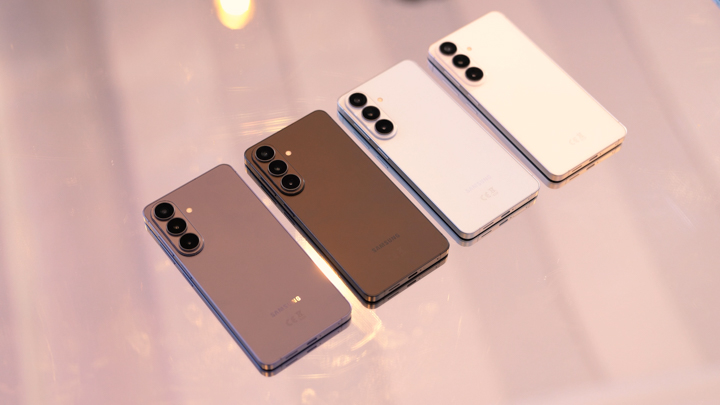
Both devices carry an IP68 rating for dust and water resistance. And the whole S26 lineup is available in Cobalt Violet, White, Black, and Sky Blue color options with Pink Gold and Silver Shadow available as online exclusives.
Overall build quality still feels solid and premium despite the arguably dated aesthetic.
Display, Multimedia and Biometrics
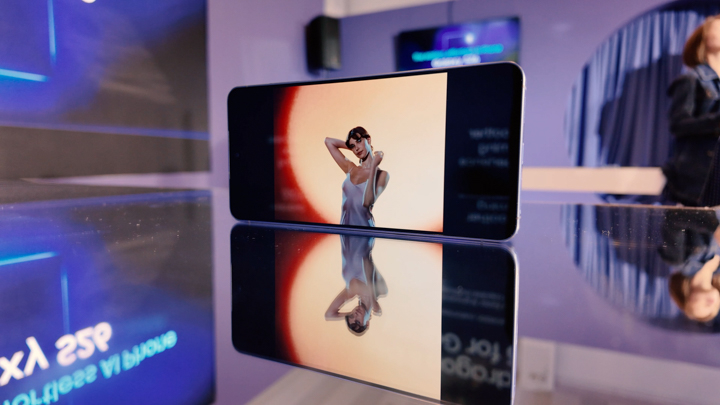
Here’s where the size difference really shows.
The standard Galaxy S26 model features a 6.3-inch FHD+ Dynamic AMOLED 2X panel with a refresh rate that goes from 1 to 120Hz. On the other hand, the Galaxy S26+ gets a 6.7-inch QHD+ Dynamic AMOLED 2X display with the same refresh rate.
Additionally, both displays support Vision Booster for improved outdoor visibility. And like any SamOLED panel, they look great for media playback with solid audio immersion with the help of Dolby Atmos.
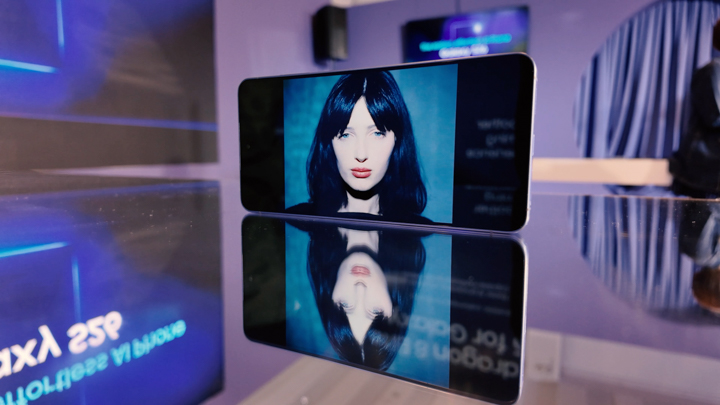
The S26+ obviously delivers sharper visuals due to its QHD+ resolution and larger screen real estate, making it more immersive for streaming and gaming. The S26, meanwhile, benefits from being more compact while still offering crisp detail for its size.
Would we have wanted a resolution higher than FHD+ for the base model? –Yes. Will most people thinking of getting the S26 notice? –Probably not.
For biometrics, both phones retain the same enhanced ultrasonic under-display fingerprint sensors from last year, and face unlock.
Cameras
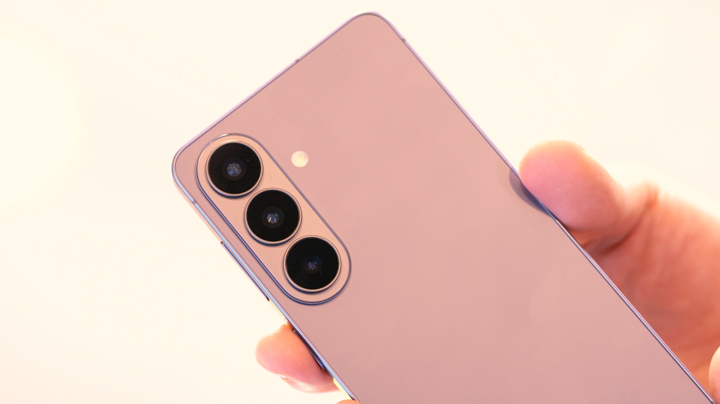
Camera hardware is identical across both models.
Both phones feature triple camera systems at the rear composed of a 50MP main camera, a 12MP ultrawide, and a 10MP telephoto which serves as their 3x optical zoom. Both also get a 12MP camera in front for selfies.
While the hardware setup remains familiar, Samsung is leaning heavily into AI-driven improvements.
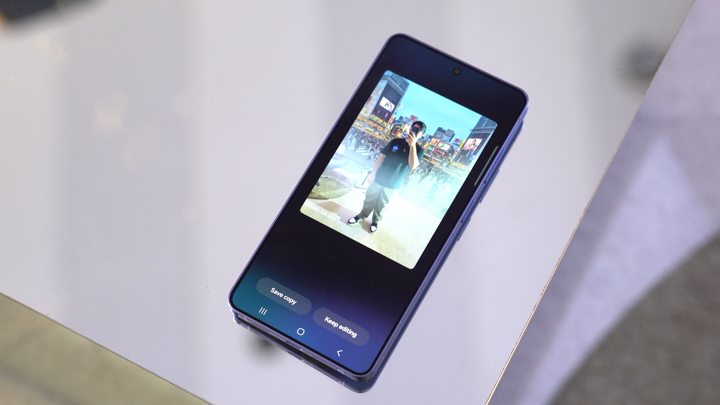
The upgraded AI ISP enhances skin tones, low-light performance, and overall image processing. Photo Assist now allows users to describe edits as if they were prompts, like changing the scene from day to night, making complex edits feel simpler and more intuitive.
Document Scan intelligently corrects distortion and can merge multiple pages into a single PDF. It’s less about new sensors this year, and more about smarter image processing and workflow tools.
We were also able to take some sample shots from the floor for you all to view.
Samsung Galaxy S26 Sample Photos
Thursday, Feb 19


For video the rear cameras are capable to shooting at a max 8K resolution at 30fps. There’s this new and nifty electronic stabilization mode that locks the X horizon in place. This is a useful feature for handheld shooting without a gimbal.
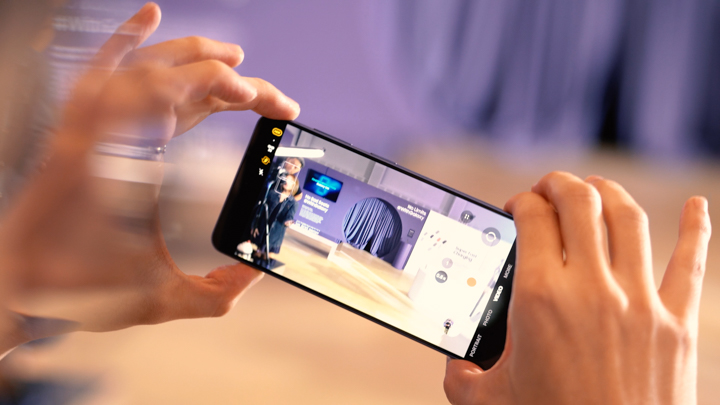
We’re pretty sure our indoor samples don’t really do the cameras justice, and take note that we went really hard when rocking the phone back and forth for the super steady samples.
OS, Apps and UI
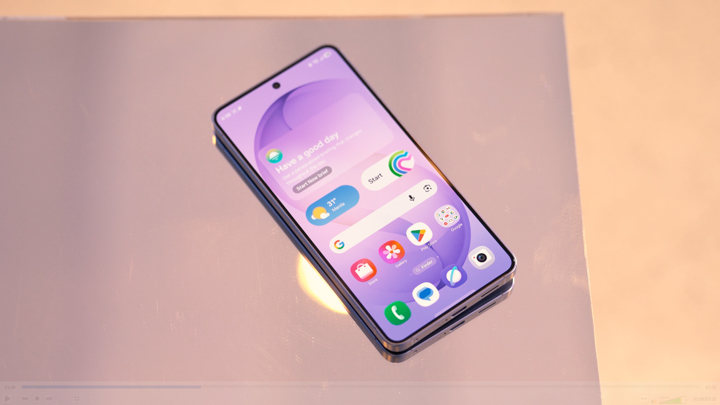
For software, the whole S26 lineup ships with Android 16 out of the box skinned with One UI 8.5 on top. One UI 8.5 brings more UI customization compared to One UI 8, like being able to even more freely adjust the layout of the quick panel.
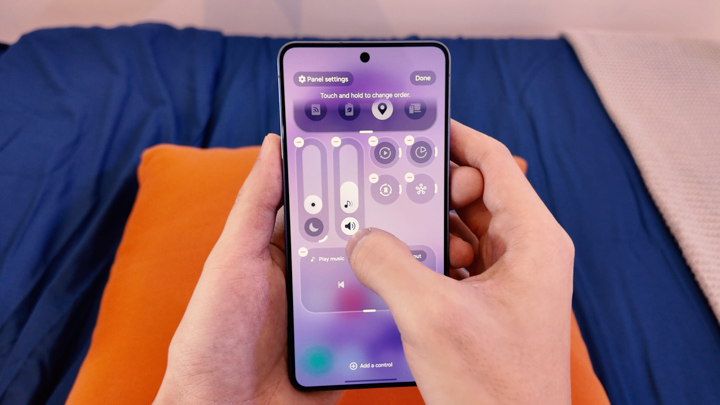
But the real star of the show this year is Galaxy AI, which brings a buttload of new features!
There’s Now Nudge which proactively suggests content and actions based on conversations and activity. Now Brief has been updated to show more personalized reminders, like reservations and important updates throughout your day.
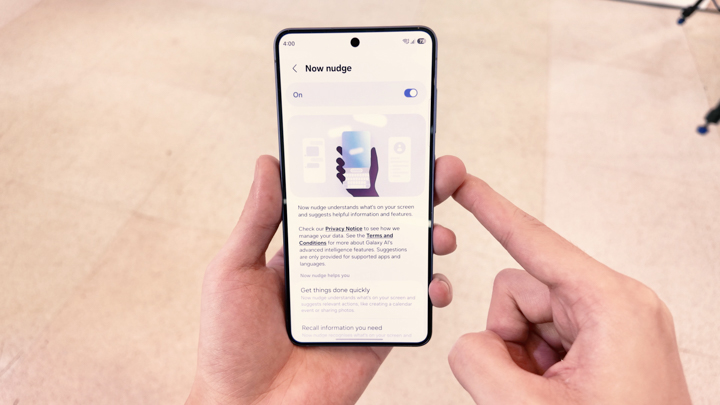
Users are also treated to Enhanced Circle to Search which can now recognize multiple objects at once. And even Bixby has been upgraded to now understand more natural, conversational commands.
Like being able to adjust display brightness and volume control just with our voice.
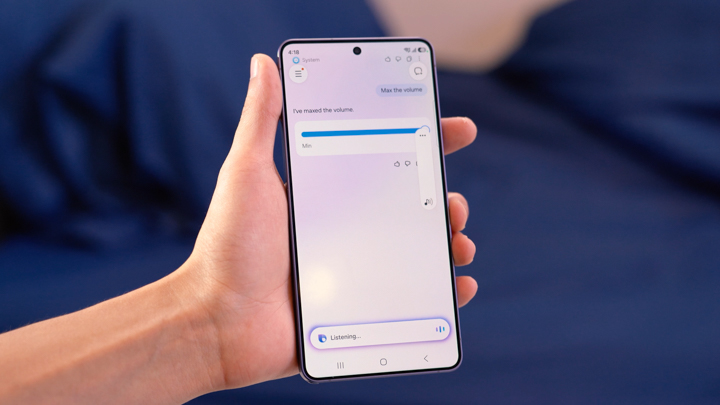
There’s also integration with Gemini and Perplexity AI for more advanced, multi-step AI tasks. So yes, Perplexity AI is now pre-installed within the whole S26 series. In terms of software support, Samsung continues its promise of seven years of OS and security updates.
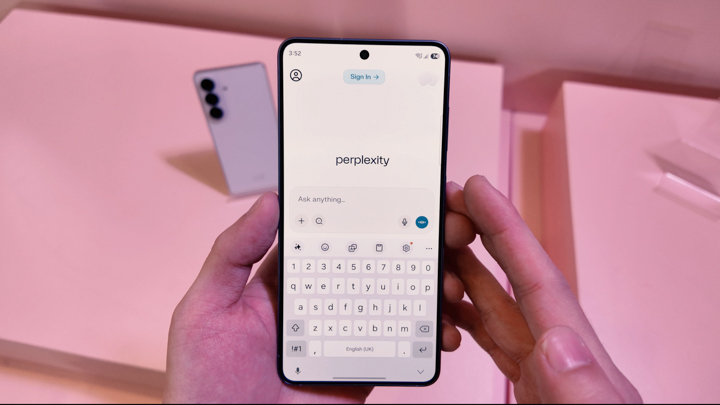
Overall, the UI feels polished, fluid, and constantly evolving.
Performance and Benchmarks
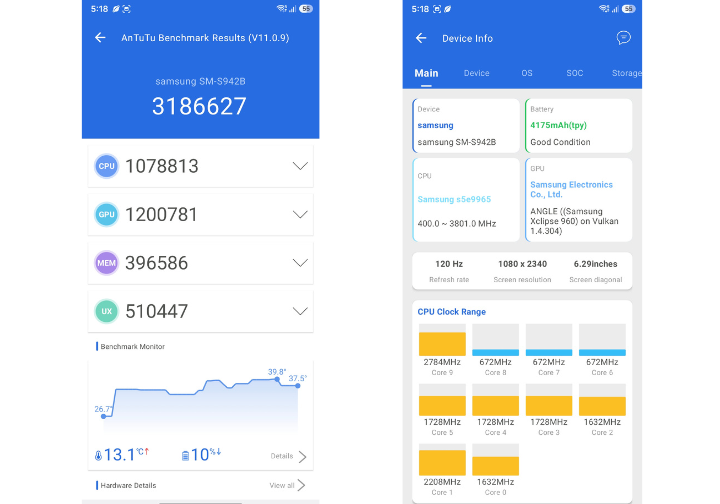
For the S26 and S26+’s chipsets, locally we get the brand’s latest in-house Exynos 2600, which is a 2nm chipset that features a deca-core CPU capable of 3.8 GHz clock speeds, and a Samsung Xclipse 960 GPU.
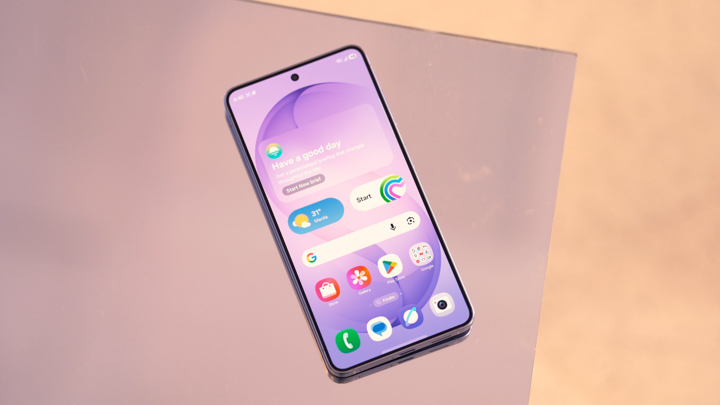
There are S26 and S26+ models equipped with Snapdragon 8 Elite Gen 5’s but they’re only available in North America, China, and Japan.
For configurations both phones are available with 12GB LPDDR5x memory, and either 256GB or 512GB of internal storage. No expandable storage here.
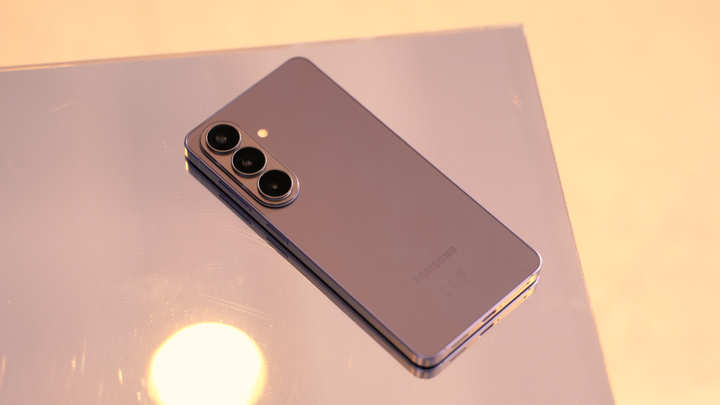
In our early hands-on use, performance felt snappy and responsive. App launches are instant, multitasking is seamless, and AI features execute quickly without much lag.
We weren’t able to run most of our benchmarks on the floor, but we were able to get Antutu V11.
Battery and Connectivity
The biggest difference between the two apart from the display are their batteries.
The standard Galaxy S26 features a 4,300 mAh battery with 25W wired charging. The S26+ packs a 4,900 mAh battery with 45W wired charging. Both support 15W of wireless charging and Wireless PowerShare.
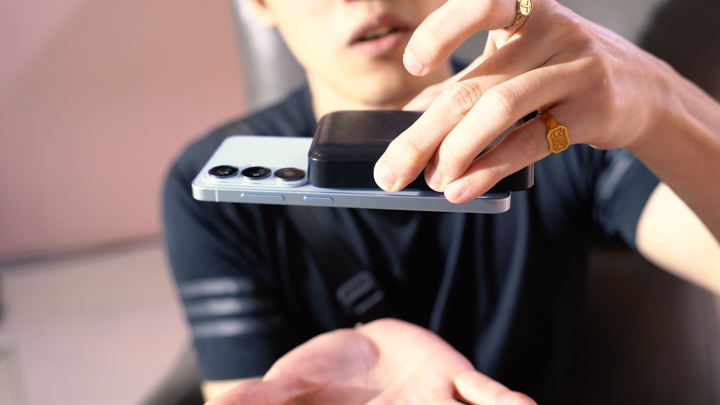
In terms of connectivity, both phones get support for 5G, eSIM, Wi-Fi 7, NFC, GPS, Bluetooth 5.4 for the standard S26, and Bluetooth 6 for the S26+.
Final Thoughts and Price
Overall the S26 and S26+ brings a lot of refinement and polish compared to their predecessors. They don’t reinvent the S-series wheel at all but they’re definitely worthy and sound upgrades if you’re someone coming from a phone released in 2023 or earlier.
If you’re someone with a phone from within the last three years and can easily live without the new and improved software and AI features, there isn’t much of a real reason to upgrade.
Now if you are thinking of upgrading; The Samsung Galaxy S26 makes perfect sense if you prefer a compact, lighter flagship. If you want a bigger display, longer battery life, and faster charging, the S26+ is the smarter pick.
Galaxy S26
- 12GB + 256GB – PHP 58,990
- 12GB + 512GB – PHP 72,990
Galaxy S26+
- 12GB + 256GB – PHP 74,990
- 12GB + 512GB – PHP 88,990
Samsung Galaxy S26 specs:
6.3-inch Dynamic AMOLED 2X display, FHD+ resolution, 1–120Hz adaptive refresh rate
Vision Booster, HDR10+
Exynos 2600 (or market-specific equivalent)
Xclipse 960 GPU
12GB LPDDR5x RAM
256GB / 512GB internal storage
50MP main camera (f/1.8, 2× optical quality zoom)
12MP ultra-wide camera
10MP telephoto camera (3× optical zoom)
12MP front camera
In-display ultrasonic fingerprint scanner
Android 16 with One UI 8.5
5G, 4G LTE
Wi-Fi 7
Bluetooth 5.4
NFC
USB Type-C
GPS, GLONASS, GALILEO, BDS
Stereo speakers
4,300mAh battery
25W wired charging
Fast Wireless Charging 2.0
Wireless PowerShare
IP68 dust and water resistance
Weight & dimensions: 149.6 x 71.7 x 7.2 mm, 167 g
Color options: Cobalt Violet, White, Black, Sky Blue (plus Pink Gold, Silver Shadow online exclusives)
Samsung Galaxy S26+ specs:
6.7-inch Dynamic AMOLED 2X display, QHD+ resolution, 1–120Hz adaptive refresh rate
Vision Booster, HDR10+
Exynos 2600 (or market-specific equivalent)
Xclipse 960 GPU
12GB LPDDR5x RAM
256GB / 512GB internal storage
50MP main camera (f/1.8, 2× optical quality zoom)
12MP ultra-wide camera
10MP telephoto camera (3× optical zoom)
12MP front camera
In-display ultrasonic fingerprint scanner
Android 16 with One UI 8.5
5G, 4G LTE
Wi-Fi 7
Bluetooth
NFC
GPS, GLONASS, GALILEO, BDS
USB Type-C
Stereo speakers
4,900mAh battery
45W wired charging
Fast Wireless Charging 2.0
Wireless PowerShare
IP68 dust and water resistance
Weight & dimensions: 158.4 x 75.8 x 7.3 mm, 190 g
Color options: Cobalt Violet, White, Black, Sky Blue (plus Pink Gold, Silver Shadow online exclusives)


0 Comments
Leave a Reply