
The successor to the ZTE MF80 pocket WiFi from 2 years ago is the new ZTE MF90 which is now an LTE modem as well. The previous model supported HSPA+ networks with speeds of up to 42Mbps (prior to that we had the ZTE MF60). Having used the MF60 and the MF80, it would seem that ZTE does not have some sort of design signature in every pocket WiFi they manufacture. In any case, this is probably the first LTE-capable pocket WiFi that ZTE has released in the Philippines. This model supports LTE CAT3 with up to 100Mbps downlink and 50Mbps uplink speeds and degrades well to HSPA+ networks when not LTE is available. It's been 6 months since OpenSignal released a State of LTE Report with the Philippines getting an average of 8.59Mbps. In terms of 4G availability, the Philippines ranked 72nd (out of 75) with 52.77% LTE coverage ( the percentage of the time that users can connect to a 4G network). This is a little better than the 44.8% LTE availability that the Philippines got back in November 2016. Read more in our articles including "Hands-on: ZTE MF90 LTE Pocket WiFi" and "Philippines at 8.59Mbps on LTE this 2017 - OpenSignal".
The successor to the ZTE MF80 pocket WiFi from 2 years ago is the new…
Mar 17, 2014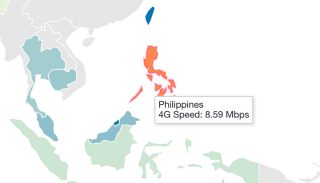
It’s been 6 months since OpenSignal released a State of LTE Report with the Philippines…
Jun 7, 2017We featured this HSPA+ capable mobile hotspot from ZTE a few weeks ago and we’ve…
Sep 8, 2011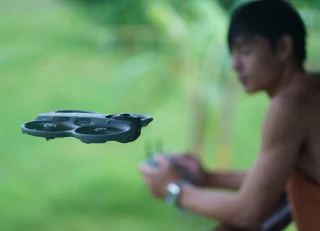
In the last few years, we’ve seen a number consumer-grade action cameras and vlogging cameras…
Jun 3, 2026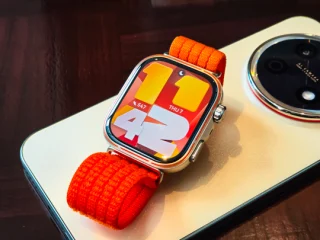
We’ve been using the HUAWEI Watch Fit 5 Pro for two days. Our initial impression…
May 7, 2026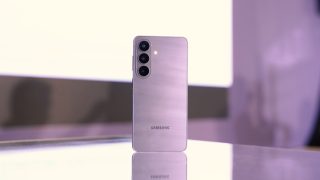
Samsung’s 2026 flagship refresh isn’t about reinventing the wheel, it’s about making it smarter. The…
Feb 26, 2026The successor to the ZTE MF80 pocket WiFi from 2 years ago is the new ZTE MF90 which is now an LTE modem as well. The previous model supported HSPA+ networks with speeds of up to 42Mbps (prior to that we had the ZTE MF60).
Having used the MF60 and the MF80, it would seem that ZTE does not have some sort of design signature in every pocket WiFi they manufacture. In any case, this is probably the first LTE-capable pocket WiFi that ZTE has released in the Philippines. This model supports LTE CAT3 with up to 100Mbps downlink and 50Mbps uplink speeds and degrades well to HSPA+ networks when not LTE is available.
Our coverage of zte lte includes: "Hands-on: ZTE MF90 LTE Pocket WiFi"; "Philippines at 8.59Mbps on LTE this 2017 - OpenSignal"; "ZTE MF60 HSPA+ Pocket WiFi Review". Each article provides unique insights and information.