

And we are back with another POCO smartphone review.
As always the brand has built a reputation for delivering impressive hardware at aggressive prices, and the POCO M8 Pro 5G continues that trend by packing a punch in the areas that matter most to everyday users.
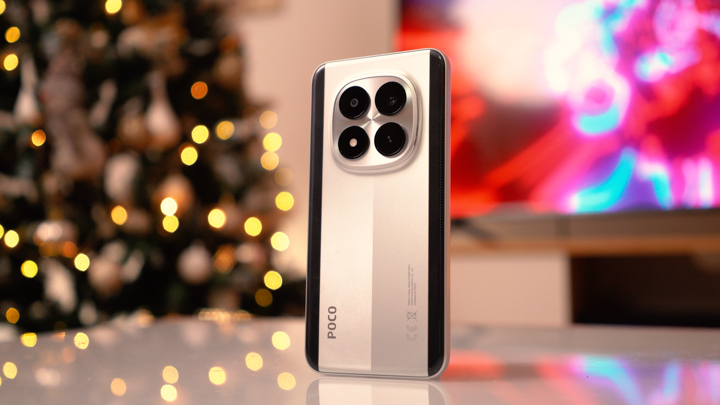
So no, their M-series devices aren’t necessarily flagship killers. Think of the M-series models as performance-focused midrangers. What’s interesting here is that the M8 Pro 5G feels like a thoughtfully tuned device rather than a spec sheet experiment.
So without further ado, let’s get into it.
Design and Construction
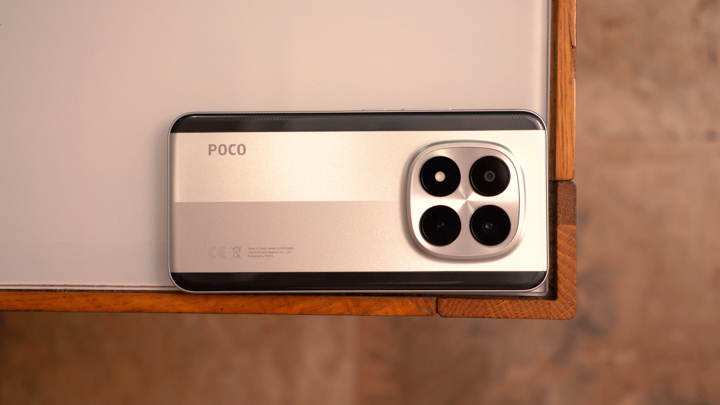
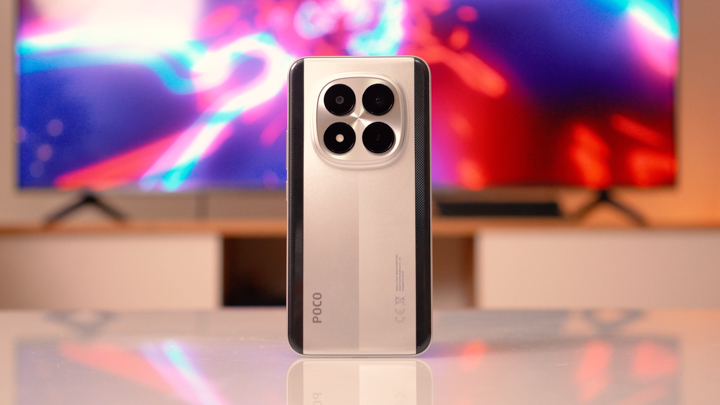
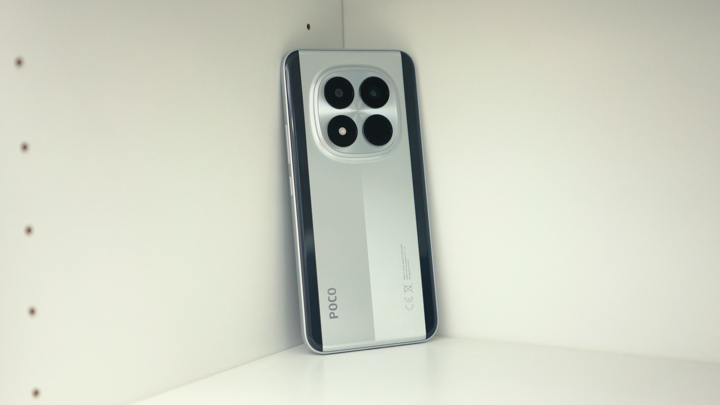
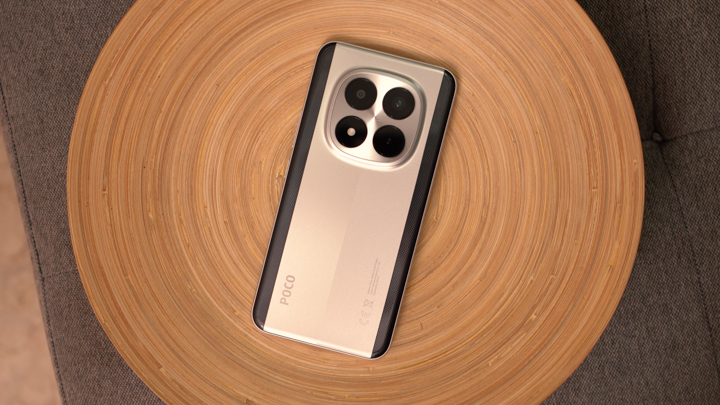
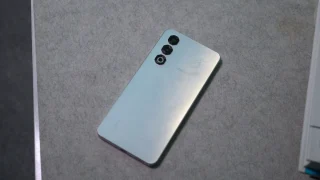
POCO’s design language here is interesting to say the least, especially in the two-toned silver colorway we have.
The camera housing is huge and placed in the upper middle of the rear, and gets some carbon fiber patterning on the sides. There’s also this nice midline that creates a 3D like effect with the rear.
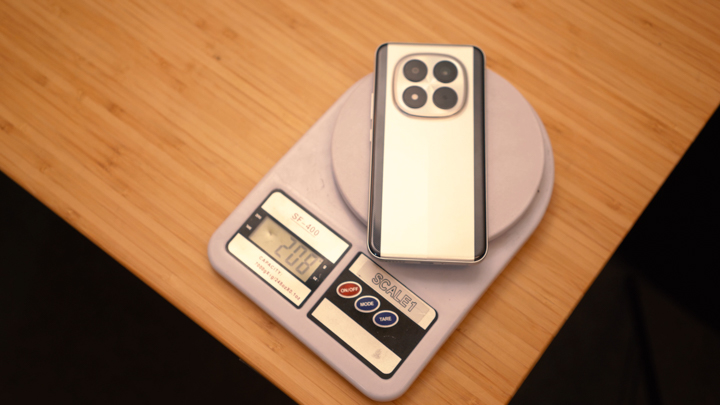
The handset itself feels solid in hand with a balanced weight of 208g.
A noteworthy addition is the IP68 dust and water resistance, which you don’t often see in mid range handsets. It provides extra peace of mind for everyday life, whether you’re about to get caught in the rain or accidentally drop the phone in the toilet.
For a plus-size phone, button ergonomics aren’t too shabby. It’s worth noting that its midframe is made out of a polycarbonate material and the volume rocker and power button are situated on the right side. Found up top is a secondary microphone, and one of the stereo speakers.

At the bottom is its dual nano SIM card tray, primary mic for calls, USB Type-C port for charging and wired data transfers, and the second stereo speaker. Lastly, in typical POCO fashion there’s even an IR blaster found in the bottom right ring of the camera housing.

Overall, for design and construction the POCO M8 Pro ticks some good boxes here, like an IP68 certification, a solid feel in-hand, and symmetrical display bezels. It’s aesthetic may not be for everyone but it’s nice to see POCO trying new things.
Display, Multimedia and Biometrics
For display, the POCO M8 Pro 5G comes alive with its large 6.83-inch 1.5K quad-curved AMOLED panel that features an adaptive 120Hz refresh rate that can go down to 60Hz. Quad-curved refers to the curved corners of the phone’s display. And it also gets a peak brightness that goes up to 3200 nits.
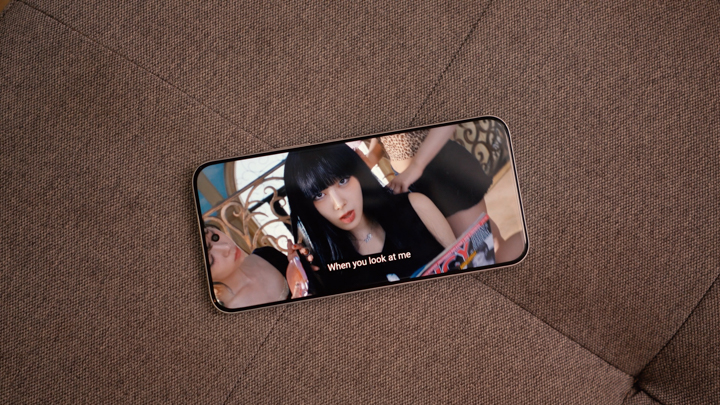
It’s also Widevine L1 certified which means users can stream videos in the best quality available for all platforms and gets all kinds of HDR support from Dolby Vision to HDR10+.
Out of the box color reproduction is punchy and vibrant, but we can adjust that in display color settings to a profile that prioritizes accuracy. Overall contrast is deep, and scrolling animations feel buttery smooth.
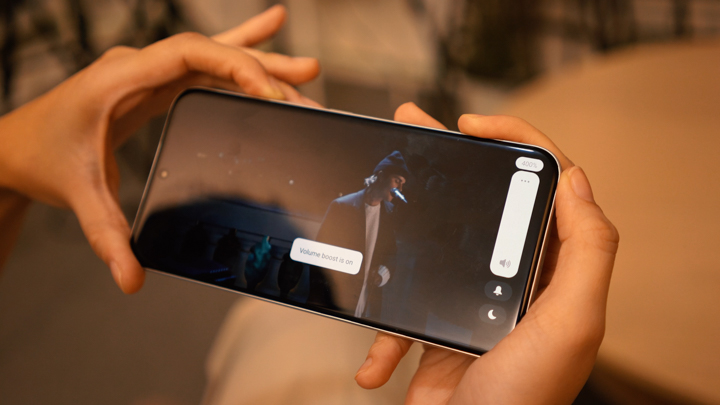
Multimedia consumption is solid too. There’s enough brightness on offer for daylight viewing, and paired with rich audio output with the help of Dolby Atmos built in, we can even boost the volume up to 200 and 400%. Quick Tip: tick “Immersive Sound” on in the Sound Effects menu for better audio immersion.
For Biometric security options, users get fingerprint unlock with the optical in-display fingerprint scanner, and optical face unlock with the help of the front-facing camera.

We believe that the fingerprint method is a more secure means of protection and although recognition feels quick, the phone’s unlock animation can make it feel like it could be faster.
Cameras
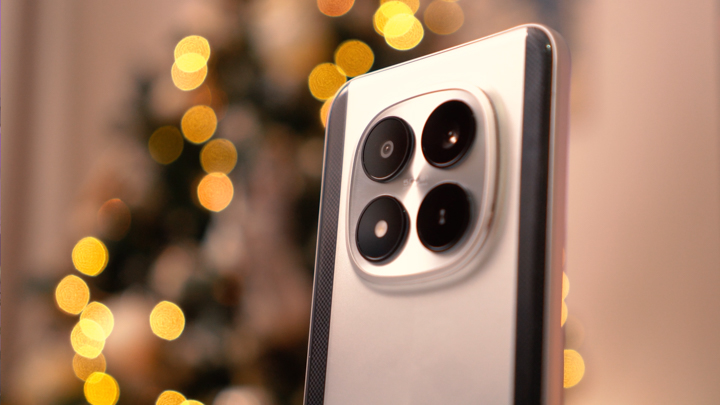
The POCO M8 Pro 5G’s camera setup looks familiar to its China-released Redmi (Note 15 Pro+) counterpart, but with a notable difference: it gets rid of the telephoto sensor. It features a 50MP main sensor alongside an 8MP ultrawide, and in front is a 32MP selfie camera.
POCO M8 Pro 5G Sample Photos
Wednesday, Jan 7


In daylight, the main shooter captures crisp and detailed shots with vibrant colors. POCO’s post-processing also likes to up that contrast but it is still tasteful. Portrait shots are pleasing, with adequate edge detection, great for social media.
And the ultrawide behaves as expected, it’s great for landscapes and group shots, though it doesn’t match the quality of the main camera in, especially in low light.

Selfies are reliably sharp, lending themselves well to social posts and video chats. This isn’t a camera phone meant to outshoot flagships, but for everyday photography and content sharing? It gets the job done consistently and well.
For video, the device is capable of shooting at a max resolution of 4K at 30fps at the rear. There is a shoot steady option that caps the resolution to 1080p at 30 or 60fps. And it also gets the ability to shoot slow motion capped at 1080p, 120fps. The selfie camera maxes out to 1080p at 60fps, and 720p at 120fps for slow mo.
OS, Apps and UI
Out of the box, the device runs on HyperOS 2 based on Android 15, giving us a clean and modern interface with minimal clutter.
Navigation does feel as intuitive as any other Android device, animations are smooth, and the software doesn’t get in the way. POCO’s HyperOS has matured nicely especially with HyperOS 3 in terms of stability.
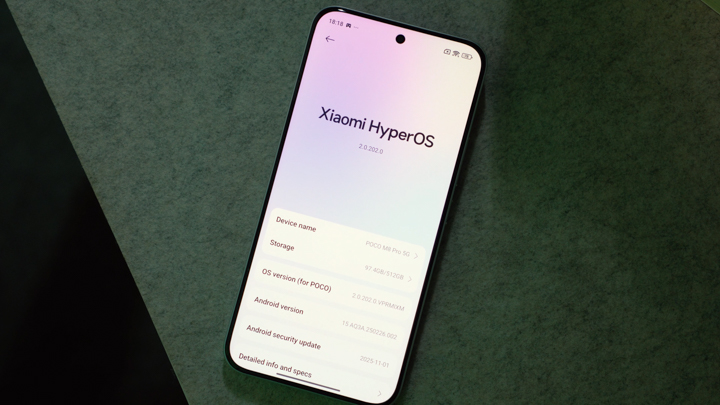
The question on our mind is, Why didn’t it ship with ‘that’ out of the box?
Other than that, it is pretty typical POCO, everything works as intended, still no extra dim mode available in the settings, we get ads every now and then from pre-installed system apps like Mi Video, and annoying notifications from Get Apps, Mi Browser, and Themes are all still here.
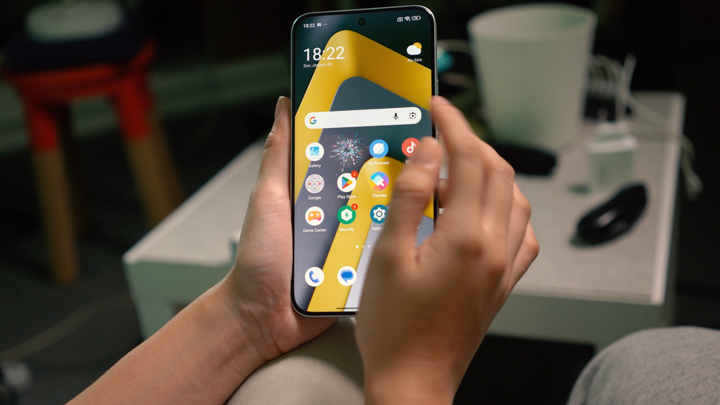
Of course we can easily turn those notifications off, and even uninstall or hide uninstallable apps we don’t want to see somewhere. For remedying the ads in system apps, that may take some extra steps which you guys can find from our video here.
In terms of software support, POCO has committed to four years of major OS updates and six years of security patches for the POCO M8 series.
Performance and Benchmarks
Under the hood is the Qualcomm Snapdragon 7s Gen 4 chipset, a well-balanced performer made with a 4nm process that features an octa-core CPU clocked up to 2.7GHz and paired with the Adreno 810 GPU.
Our review unit came equipped with 12GB of LPDDR4X RAM and 512GB of UFS 2.2 storage. And it is worth noting that we do get extended RAM options here too.
| Device: | POCO M8 Pro 5G |
|---|---|
| Chipset: | Qualcomm Snapdragon 7s Gen 4 |
| RAM | 12GB |
| Antutu v10 | 837,685 |
| Geekbench Single-Core | 1,503 |
| Geekbench Multi-Core | 4,446 |
| Geekbench OpenCL | 3,302 |
| Geekbench Vulkan | 3,412 |
| 3D Mark Wild Life | -- (UL services error) |
| PCMark Work 3.0 | 14,484 |
| Antutu v10 Storage | 80,911 |
| Seq. Write | 1,043.7 MB/s |
| Seq. Read | 1,033.3 MB/s |
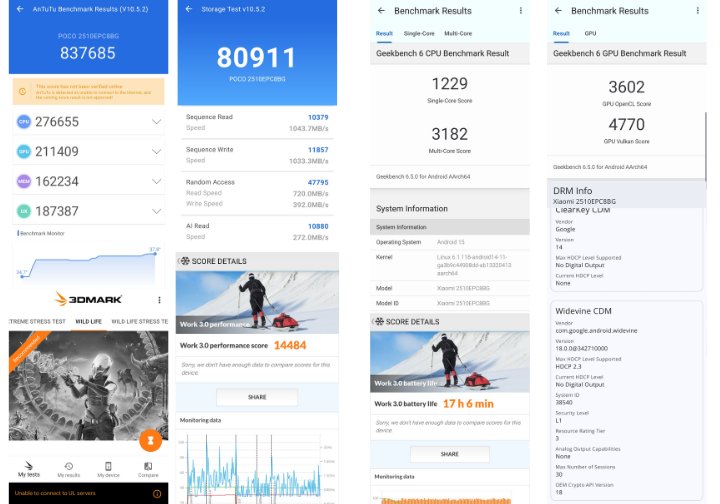
Our synthetic benchmark scores paint a clear picture: the M8 Pro 5G sits comfortably in the upper midrange territory.
CPU performance is strong, translating to quick app launches, smooth multitasking, and reliable day-to-day responsiveness. GPU scores tell us that most games run admirably at moderate settings, we won’t hit flagship-tier frame rates, but performance is stable enough for PUBG Mobile, Mobile Legends, COD: Mobile, and Asphalt without noticeable hiccups.
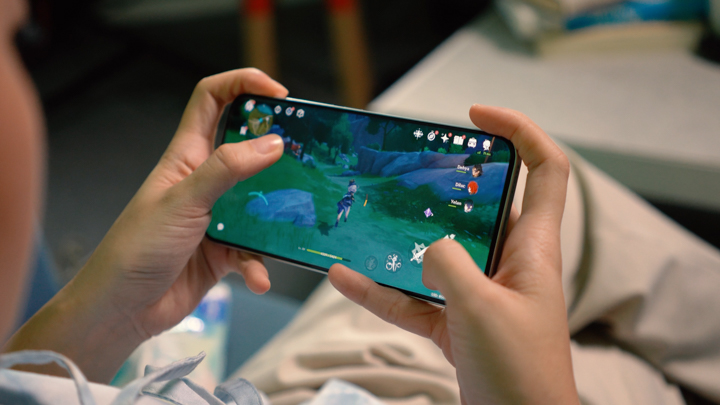
In Genshin Impact, graphics are set to Medium by default, and we recommend keeping those settings the same but we can push the framerate to 60 for more fluidity.
Storage speeds are respectable for this class, ensuring that large app loads and media loads don’t bog down the experience. In real-world use, switching between apps, gaming sessions, and media playback all feel responsive.
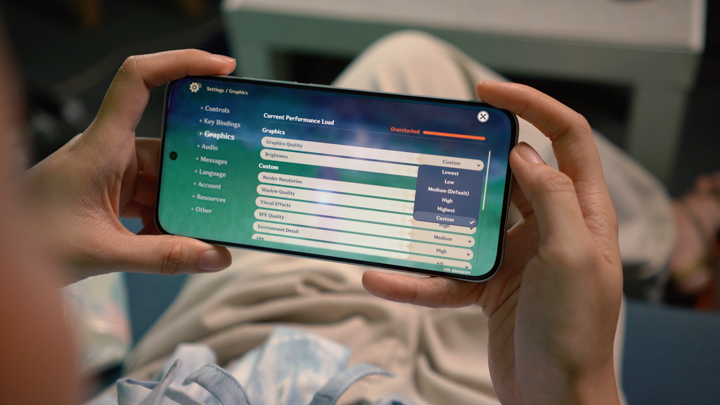
Overall, this is a performance profile that impresses for its price segment, fast enough to satisfy power users without straying into unnecessary overkill. It’s also worth noting that all our benchmarks were ran in performance mode.
Battery
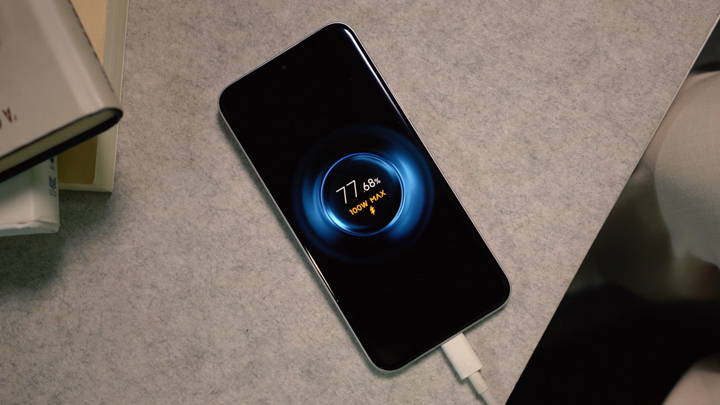
Battery life is pretty good on this device. The M8 Pro 5G packs a promising 6,500mAh cell.
In our PCMark Work 3.0 Battery Test, it lasted 17 hours and 6 minutes, which translates to a full day of heavy use and even longer under mixed or light usage patterns.
But for a 6,500 mAh capacity it is a little questionable. We did expect a higher number due to its capacity but it is what it is. Luckily this thing charges quickly, thanks to its 100W fast charging brick included in the box.
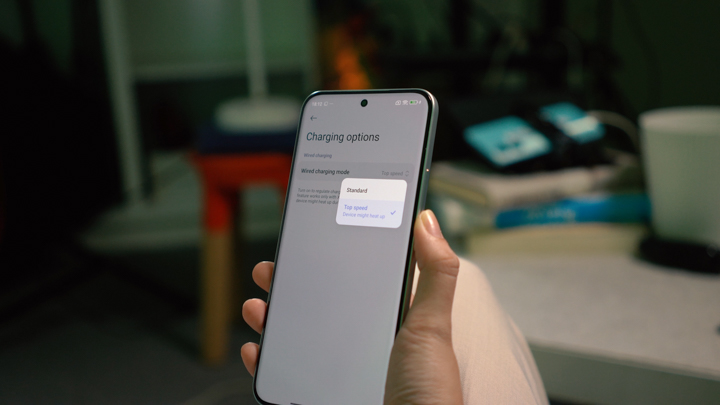
So, whether we need to top up during lunch or prepping for an evening out, a quick boost gives us a significant return on screen time in just minutes. Just make sure the wired charging mode is set to Top Speed in Battery settings.
Connectivity
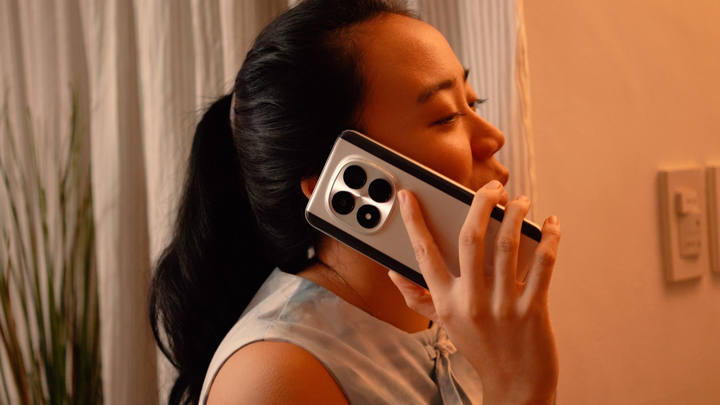
In terms of connectivity, the POCO M8 Pro 5G packs-in all the basic essentials, including 5G, Wi-Fi 6E, Bluetooth 5.4, and NFC for contactless transactions.
Like I mentioned earlier POCO also retains the IR blaster, which is a quirky but useful feature that lets us control appliances like TVs and air conditioners straight from the phone.
Overall call quality is good whether on data or WiFi, and nope, there is no eSIM support on this device nor expandable storage via microSD.
Conclusion
Official PH Pricing:
- POCO M8 Pro 5G (8GB + 256GB) – PHP 16,999 [Early Bird – PHP 13,149]
- POCO M8 Pro 5G (12GB + 512GB) – PHP 19,999 [Early Bird – PHP 15,999]
Wrapping this video up, the POCO M8 Pro 5G may not be trying to rewrite the smartphone playbook, but it does rewrite expectations in its class.
It brings a well-rounded experience with a premium-feeling display, dependable performance, all-day battery life, and a camera setup that hits the sweet spot for everyday shooters, unless of course you’d rather get a telephoto sensor over an ultrawide; for that you may need to look elsewhere.
Because it doesn’t chase after the latest and greatest camera specs or unnecessary bells and whistles. Instead, it delivers what POCO thinks most people actually need.
If you want a phone that’s fast, enduring, and versatile for both work and play, without pushing you into premium price territory, the POCO M8 Pro 5G is a compelling candidate.
It’s a perfect example of how smart choices trump over-specification, giving us value where it matters most.
What we LIKED:
- Overall performance
- Display quality
- Audio quality
What we Liked LESS:
- Doesn’t ship with HyperOS 3 out of the box
- Ads in basic system apps
POCO M8 Pro 5G specs:
6.83-inch 1.5K Quad-curved AMOLED display,
60-120Hz refresh rate, 3,200 nits peak brightness, Widevine L1
Qualcomm Snapdragon 7s Gen 4
Adreno 810 GPU
12GB LPDDR4X RAM
512GB UFS 2.2 storage
50MP main camera
8MP ultra-wide camera
32MP front camera
Optical in-display fingerprint scanner
Android 15 with HyperOS 2 for POCO
5G SA/NSA, 4G LTE
Wi-Fi 6E
Bluetooth 5.4
NFC
IR blaster
Dual nano SIM slot
USB Type-C (USB 2.0)
6,500mAh battery
100W fast charging
IP68 dust and water resistance
GPS, GLONASS, GALILEO, BDS
Weight and dimensions: 163.3 x 78.3 x 8.3 mm
Color options: Black, Green, Silver

0 Comments
Leave a Reply