

Tablets, iPads, these have seemingly become one of the go-to options when it comes to gaming, PC-level productivity- stuff like that.

Out of all the options out there today, I chose to buy the Xiaomi Pad Mini. Why? It’s because this tablet is one, if not the only one, that offers a balanced experience at more affordable price.
So, what makes this tablet special? Let’s explore in this full review.
Design and Construction
Probably, the best thing about the Xiaomi Pad Mini is, of course, its size. It only has a screen size of 8.8 inches and a thin frame, measuring just 6.46 mm.
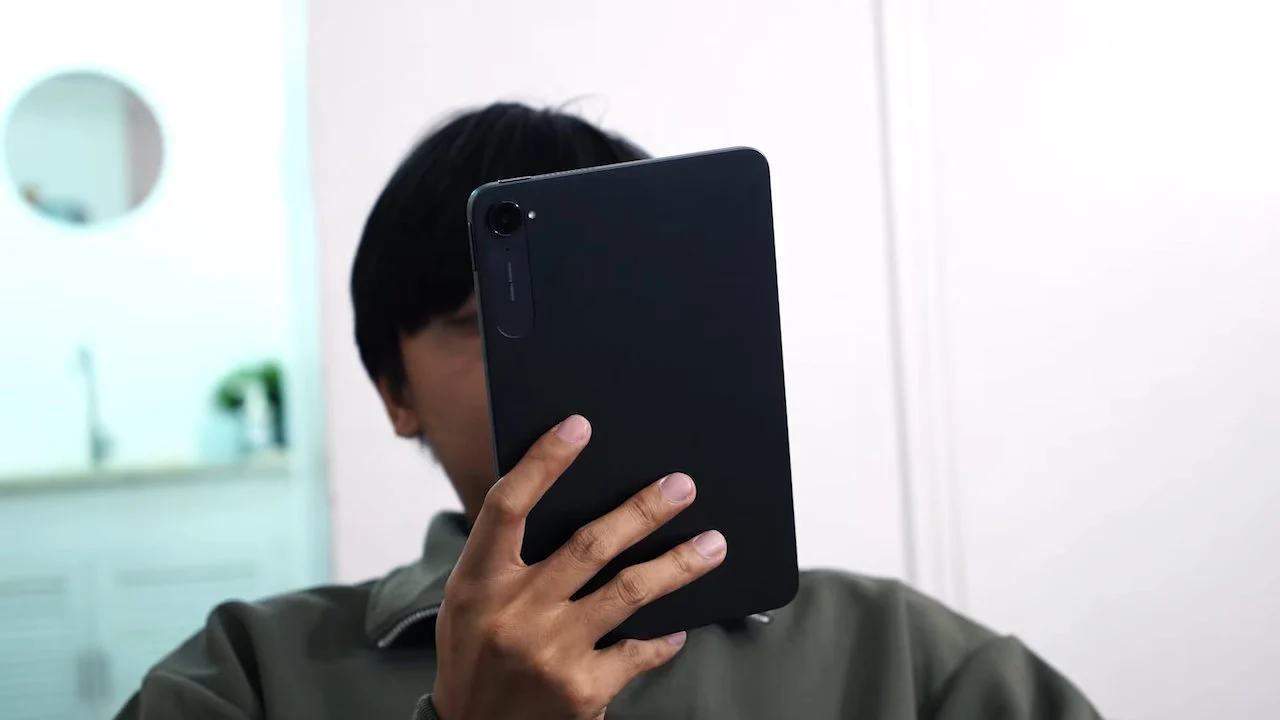
This makes it relatively easier to use the tablet one-handed. In my opinion, it’s the sweet spot as to how large a tablet would be while still providing decent screen real estate and much needed comfort.
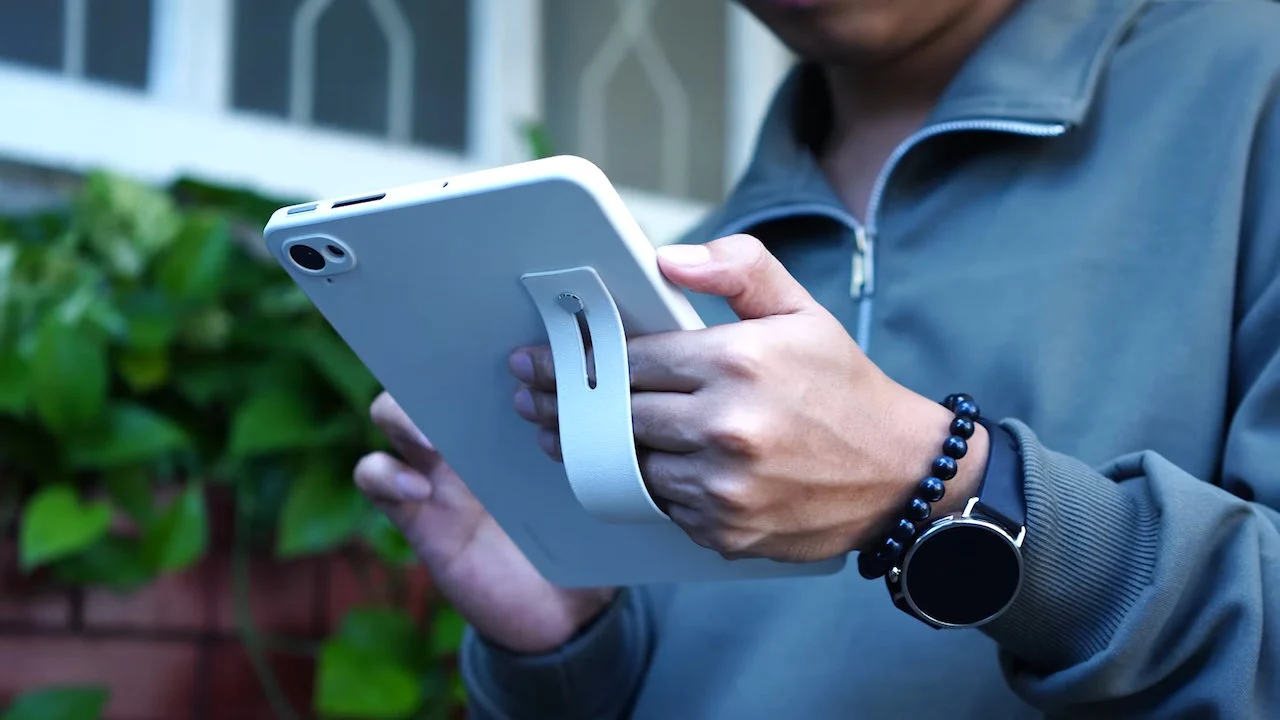
Adding points for practicality is the optional case with a built-in handle. This provides a more comfortable grip for longer usage, and it even doubles as a stand when set on a table. That’s pretty neat if you ask me.
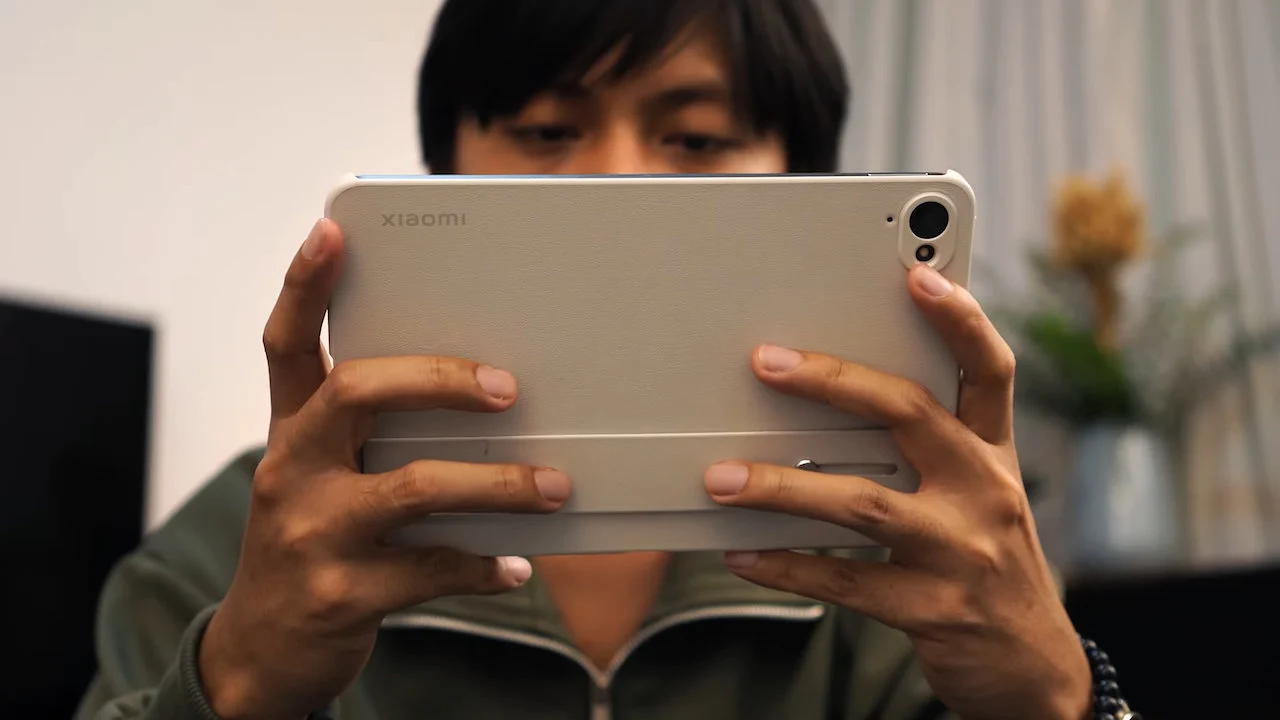
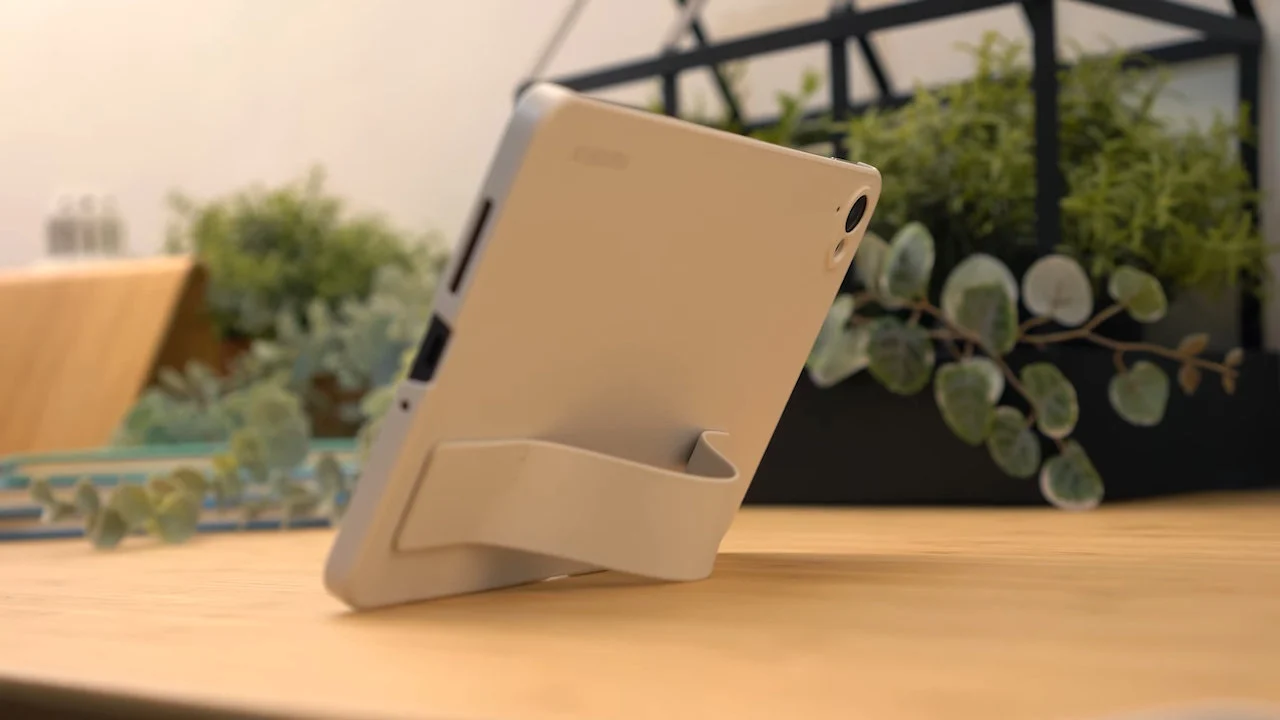
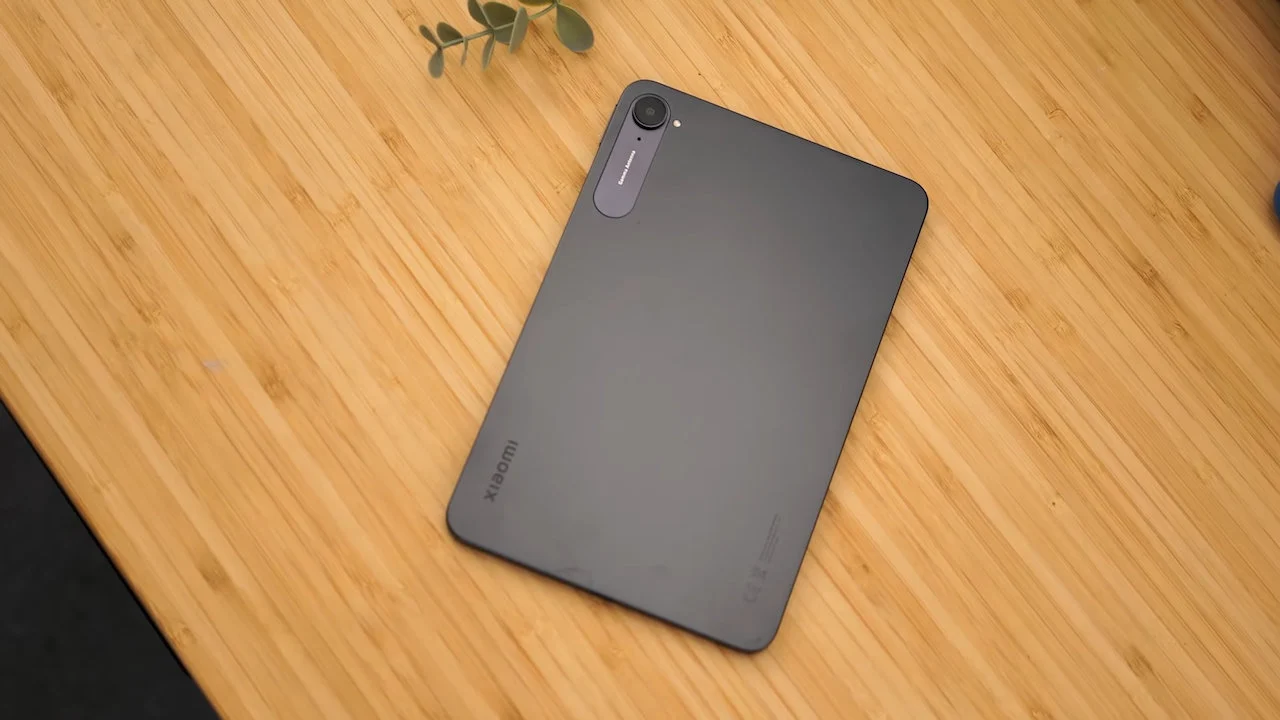
Going back to the tablet itself, it has that standard look that we’re used to: a metal unibody design with flat edges. From the back (in landscape orientation), we’ll find the single camera lens on the upper-right corner and the Xiaomi logo on the left.
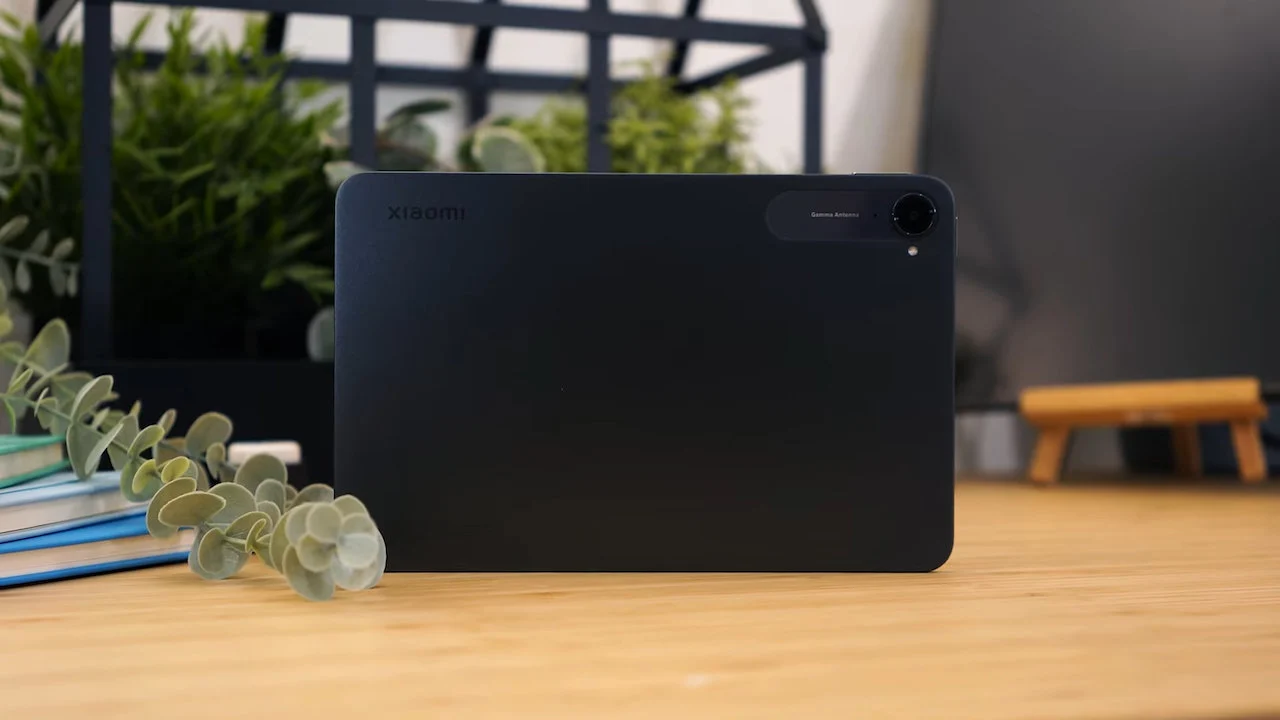
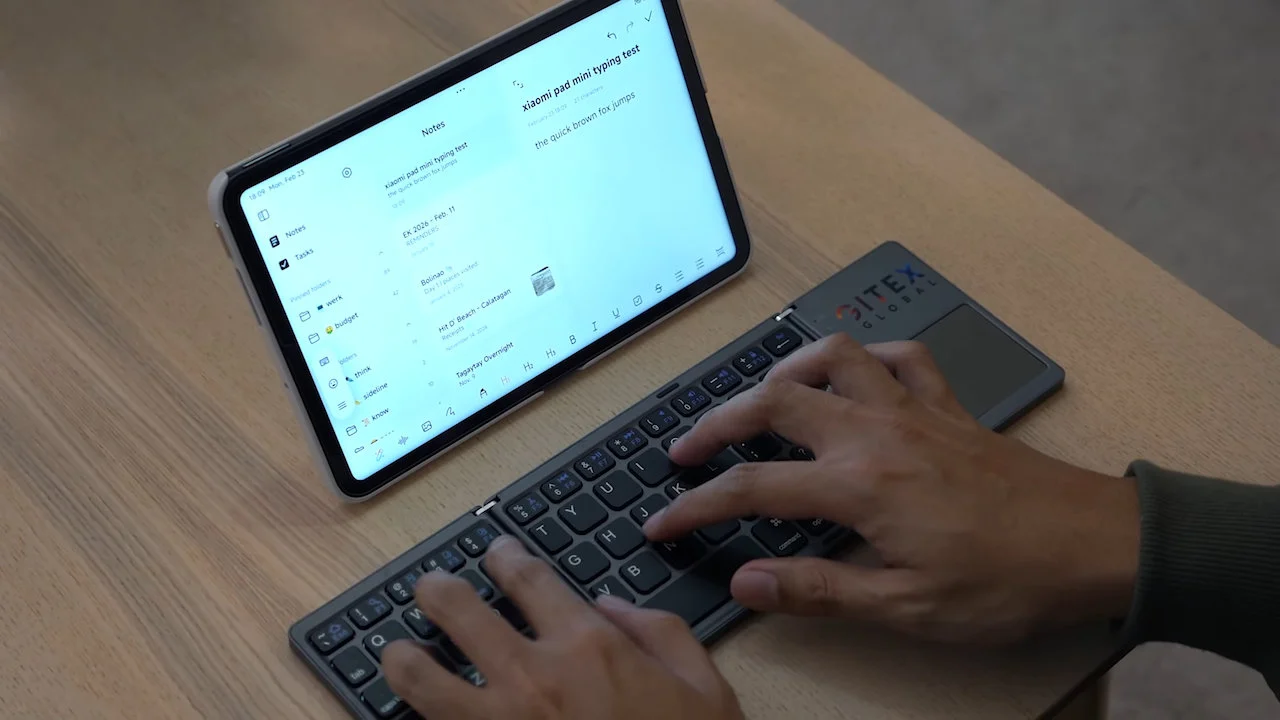
There are no pogo pins for a keyboard attachment here, which makes sense since Xiaomi didn’t make a dedicated physical keyboard either.
In this case, we paired it up with a third-party keyboard to still be able to do a mini laptop setup. So, you still have that option.
Our unit is in the Gray colorway, and while it does sport a matte finish, it’s still prone to smudges. This becomes even more noticeable if you have sweaty hands, but it can be easily minimized by using the case, which has a faux leather finish.
For I/Os, in landscape orientation facing the screen, we have the power button on the left, a speaker grille, and a microphone. At the top, there’s the volume rocker alongside a magnetic strip for charging and storage of the stylus. Also, there’s the second mic just beside the rear camera.
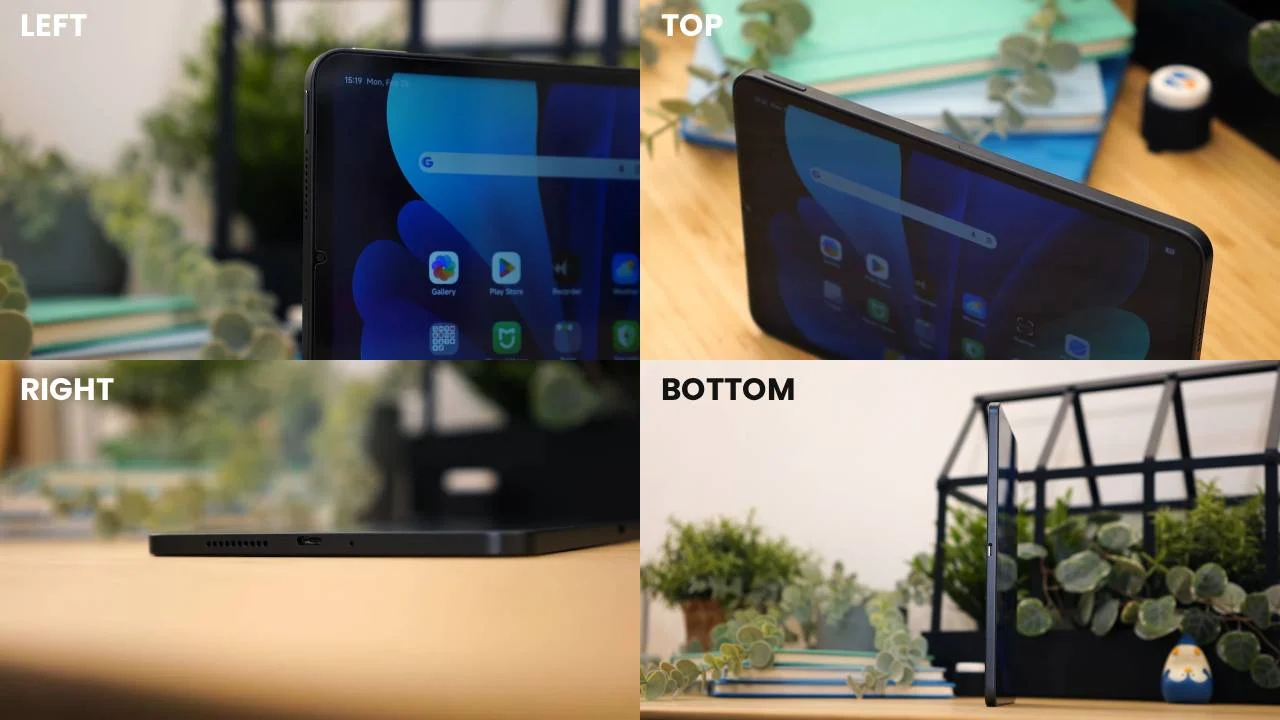
On the right, there’s the second speaker grille, the USB-C port, and another mic. And at the bottom, there’s another USB-C which is a USB 3.2 Gen 1 (more on that later).
When it comes to extra protection, you may need to be more careful while using this tablet. For one, it doesn’t have an IP rating, and second, its display doesn’t have any glass protection. So, that’s something to keep in mind.
Display, Multimedia, and Biometrics
Now, speaking of the display, again, the Xiaomi Pad Mini sports an 8.8-inch screen. However, this one uses an IPS LCD panel which might make some people off.
Despite the fact, the overall visual experience has been great in my opinion. The details are sharp thanks to its 3K resolution, the colors are decent, and it has nice viewing angles.
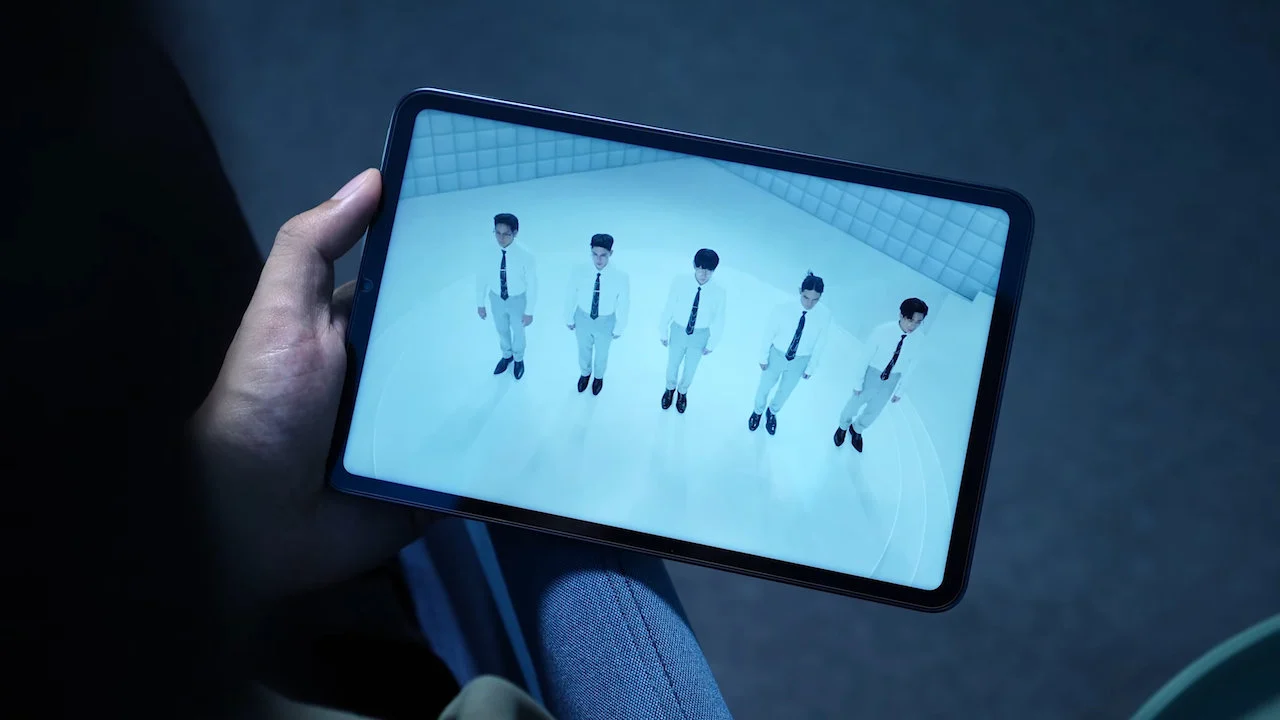
We also get thin, uniform bezels all around and an insane refresh rate of up to 165Hz. Although not all apps (let alone games) run at that level, it’s still great to have.
As expected from an IPS LCD panel, the blacks aren’t gonna be as deep as compared to OLED. So, when watching shows or movies, you’ll usually notice the black borders looking a tad bit grayish.
Screen brightness also takes a hit here since the tablet only supports 700 nits of luminance in high brightness mode (HBM). This means you should probably use this tablet more often indoors.
One thing I really like about this tablet is its audio performance. It gets impressively loud, enough to fill a small room, while maintaining balanced sound even at max volumes.
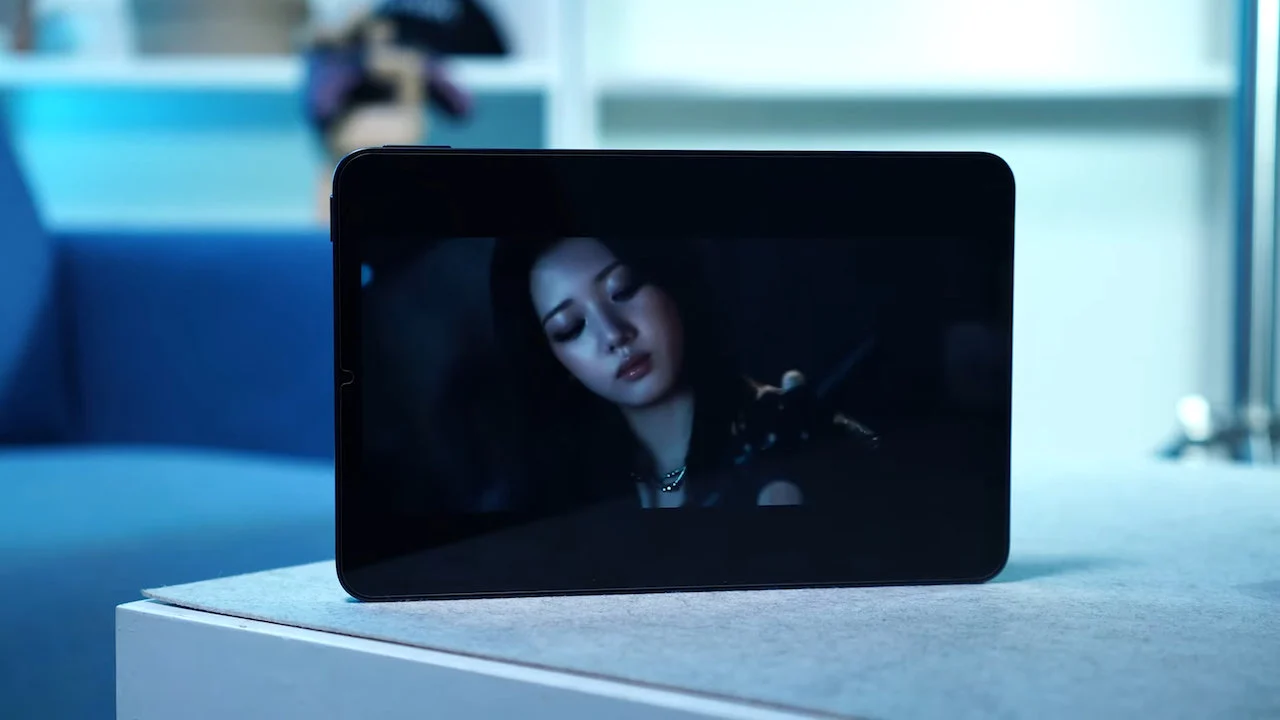
The highs and mids come through clearly, and the bass is surprisingly punchy, though it doesn’t quite match the depth you’d get from the likes of iPad Pro.
Still, I must say, it’s easy to get immersed in how good the audio sounds, especially with the stereo speakers enhancing the overall experience.
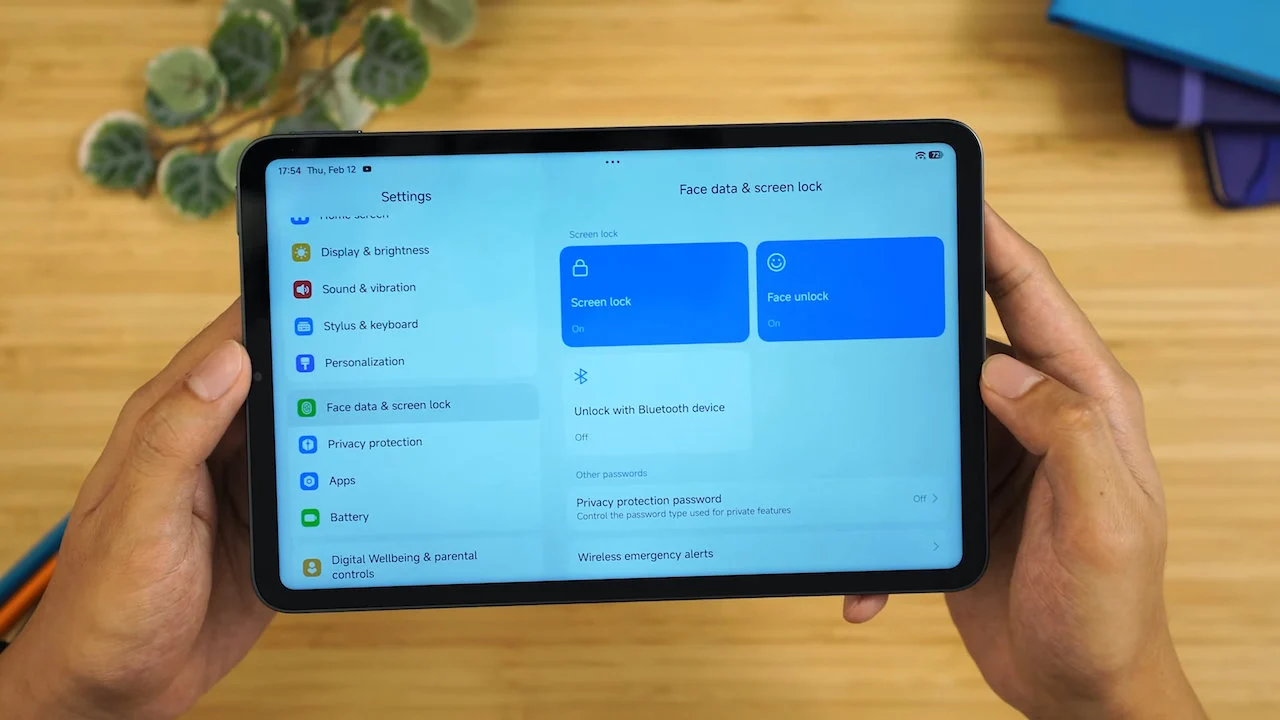
For biometric security, the tablet doesn’t come with a dedicated fingerprint sensor, but it does support face unlock. It’s quite quick in unlocking the device, though not very secure, so you’d rather stick to using PIN or pattern.
Cameras
Moving on to cameras, nothing impressive here. As you would generally expect with tablets, their camera capabilities are decent at best.
The Xiaomi Pad Mini features a single 13-megapixel rear camera and an 8-megapixel selfie shooter.
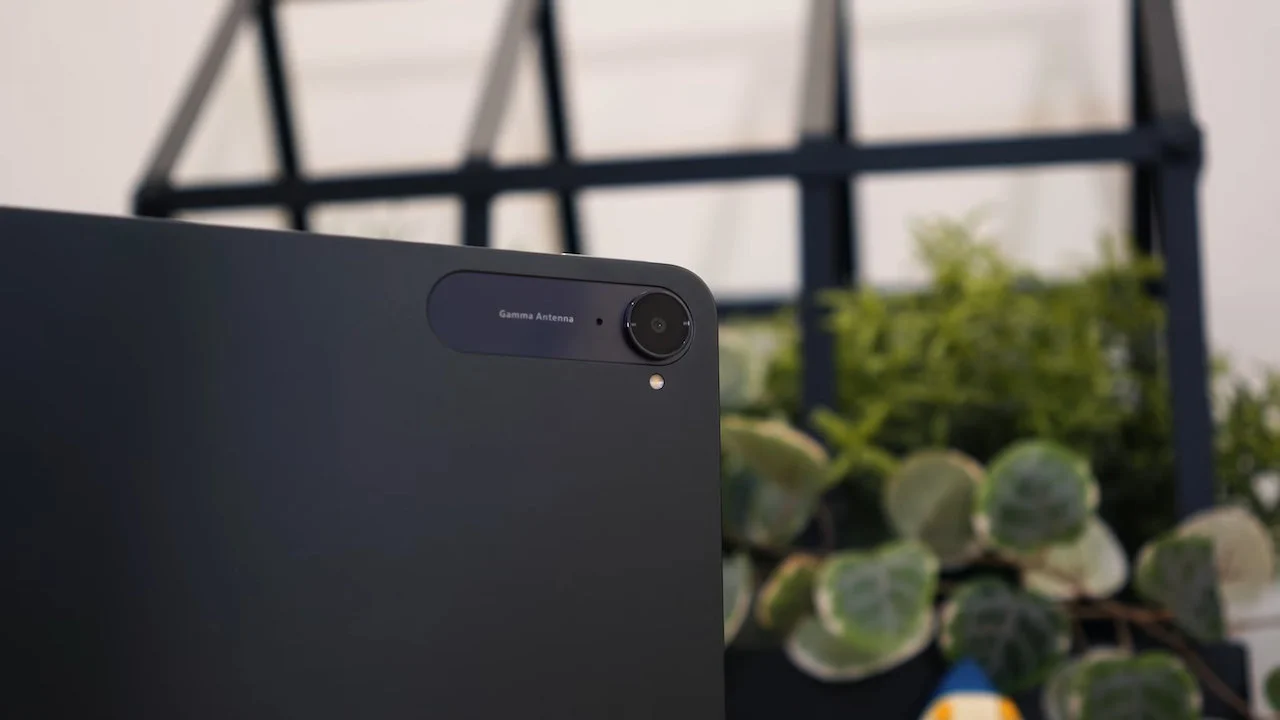
Taking a look at our sample shots, the image quality is acceptable. The detail is sharp in well-lit areas but it becomes rather soft for indoor shots, and the colors look a bit more saturated, though it offers decent dynamic range.
Xiaomi Pad Mini sample shots
Feb 12 – 23


It does have a Portrait mode, but it’s not so good at separating the subject from the background.
Selfies are pretty decent, too, with nice skin color and texture for bright shots, although details are less sharp.
I like the fact that the selfie camera already uses a wide-angle lens, so more content can fit the frame. What I don’t like here, however, is the camera placement: it’s on the left side in landscape orientation, so you’re not gonna be centered in frame.
In terms of video capture, the tablet can shoot up to 4K at 30 fps from the rear and the front is limited to 1080p at 60 fps.
The video quality here is also acceptable. The details and colors look alright, the dynamic range is okay, and there’s some form of image stabilization here which is likely electronic, making the shots a little less shaky.
However, the quality gets worse from the selfie camera. In low light setting, faces can become too smooth and pale, and the overall image is a bit washed out.
You wouldn’t want to use a tablet for photography anyway. Still, it will be useful for stuff like online meetings, taking photos of documents, or even random quick snaps just in case you don’t have access to your phone right away.
Performance and Benchmarks
Now, perhaps the biggest selling of the Xiaomi Pad Mini is its flagship-level performance.
Under the hood, the tablet is equipped with MediaTek’s flagship chip from 2025, the Dimensity 9400+. It’s the same chip powering the likes of Xiaomi 15T Pro.
As you can see in our benchmark results, the Xiaomi Pad Mini achieved favorable results. In AnTutu V10, it achieved over 2.4 million points, and in 3DMark Wild Life Extreme, it achieved an average frame rate of about 33 FPS.
| Benchmark | Xiaomi Pad Mini |
|---|---|
| Chipset | MediaTek Dimensity 9400+ |
| AnTutu V10.5.2 | 2,461,050 |
| AnTutu V11.0.9 | 2,943,551 |
| AnTutu Storage V11.0.9 | 177,529 |
| S.Read Speed | 3861.6 MB/s |
| S.Write Speed | 3558.5 MB/s |
| 3DMark Wild Life | MAXED OUT |
| 3DMark Wild Life Extreme | 5,577 | Avg. FPS: 33.40 |
| Geekbench 6 CPU Single-Core | 2,581 |
| Geekbench 6 CPU Multi-Core | 6,218 |
| Geekbench 6 GPU Vulkan | 13,810 |
| Geekbench 6 GPU OpenCL | 12,314 |
| PCMark Work 3.0 performance | 17,243 |
| PCMark Work 3.0 battery life | 13 hrs & 4 mins |
| Video loop test | 11 hrs & 26 mins |
Those numbers already show how powerful this tablet is. Navigating around is buttery smooth, app loading times are fast, and gaming is a breeze.
We tried to play both casual and graphic-intensive games, the tablet handled them quite well.
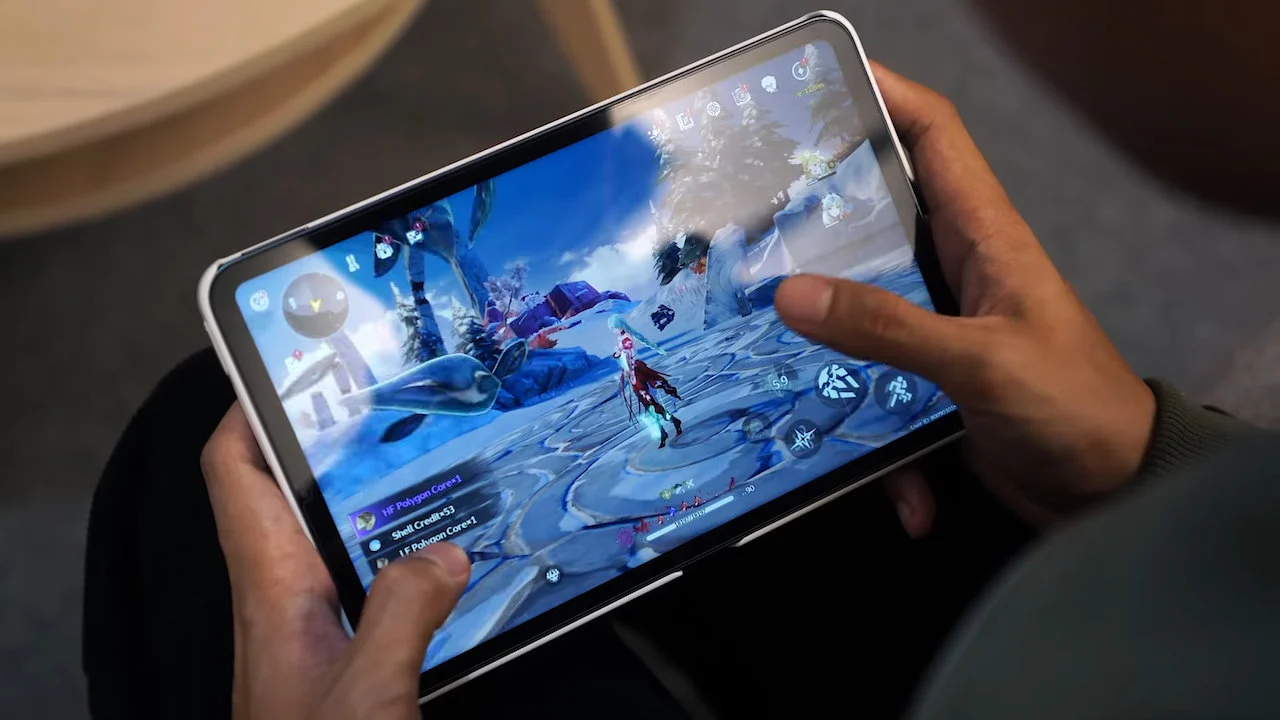
Mobile Legends ran effortlessly at 120 FPS with Ultra graphics settings. In Call of Duty Mobile, while it was playable at 120 FPS, the graphics will be capped at Medium setting. You can crank it to Ultra graphic, but the frame set will be capped to 60 FPS.
Meanwhile, in Wuthering Waves, the tablet was able to run at 60 FPS even with Maxed out settings. However, there are some stutters here and there, especially with moments where a lot of visual effects are happening at once.
Adding to that, the tablet quickly heats up when all settings are toggled to Max, so I would recommend lowering the graphics settings to at least Medium, especially if you plan to play for long periods.
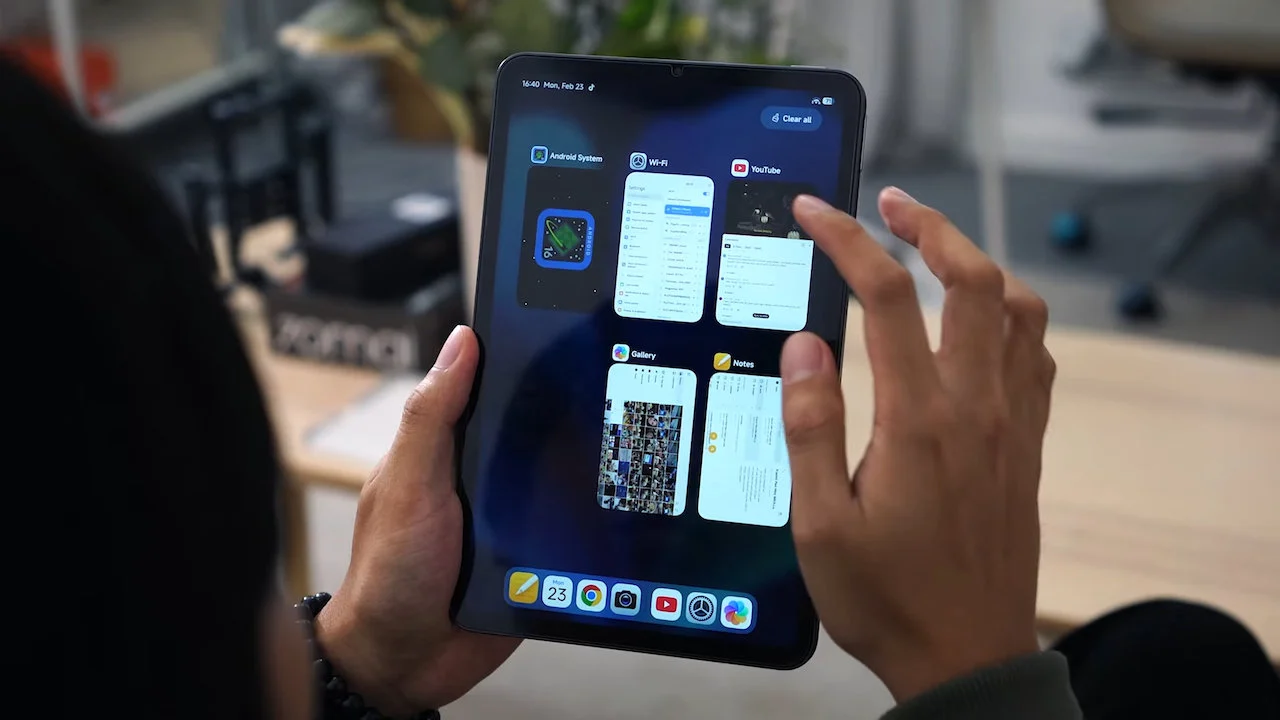
My only real gripe is the limited memory and storage options. In the Philippines, you only get the 8GB+256GB version, while other countries like Singapore get a 12GB+512GB option.
Sure, apps open quickly, but the RAM management isn’t the best. When I switch between apps, they usually reload when I come back to them.
OS, UI, and Apps
Onto the software side, the Xiaomi Pad Mini, being a 2025 release, shipped with HyperOS 2 based on Android 15.
Fortunately, during the time we bought this, the HyperOS 3 update is already available, and we’ve been using the latest version throughout our review.

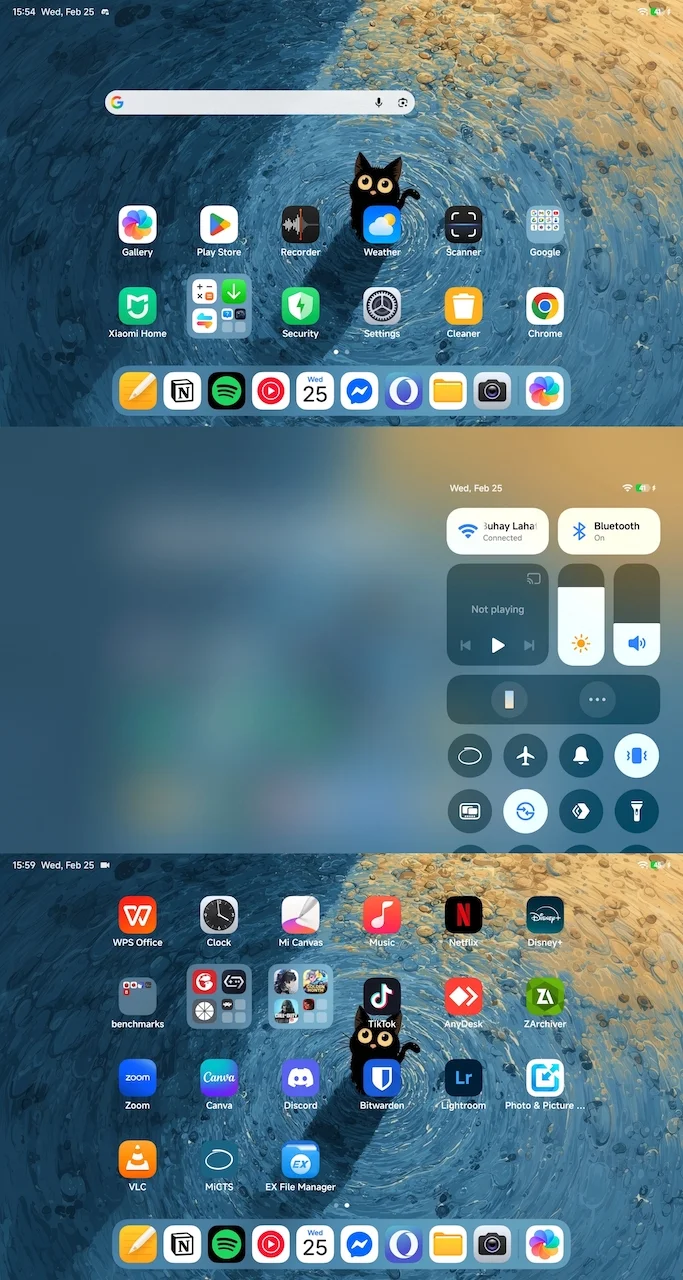
The UI design is pretty much the same as before in HyperOS 2, but you can appreciate the smoother, bouncier animations in certain places. And the overall visual design, even though mostly inspired by iOS, looks great in our opinion.
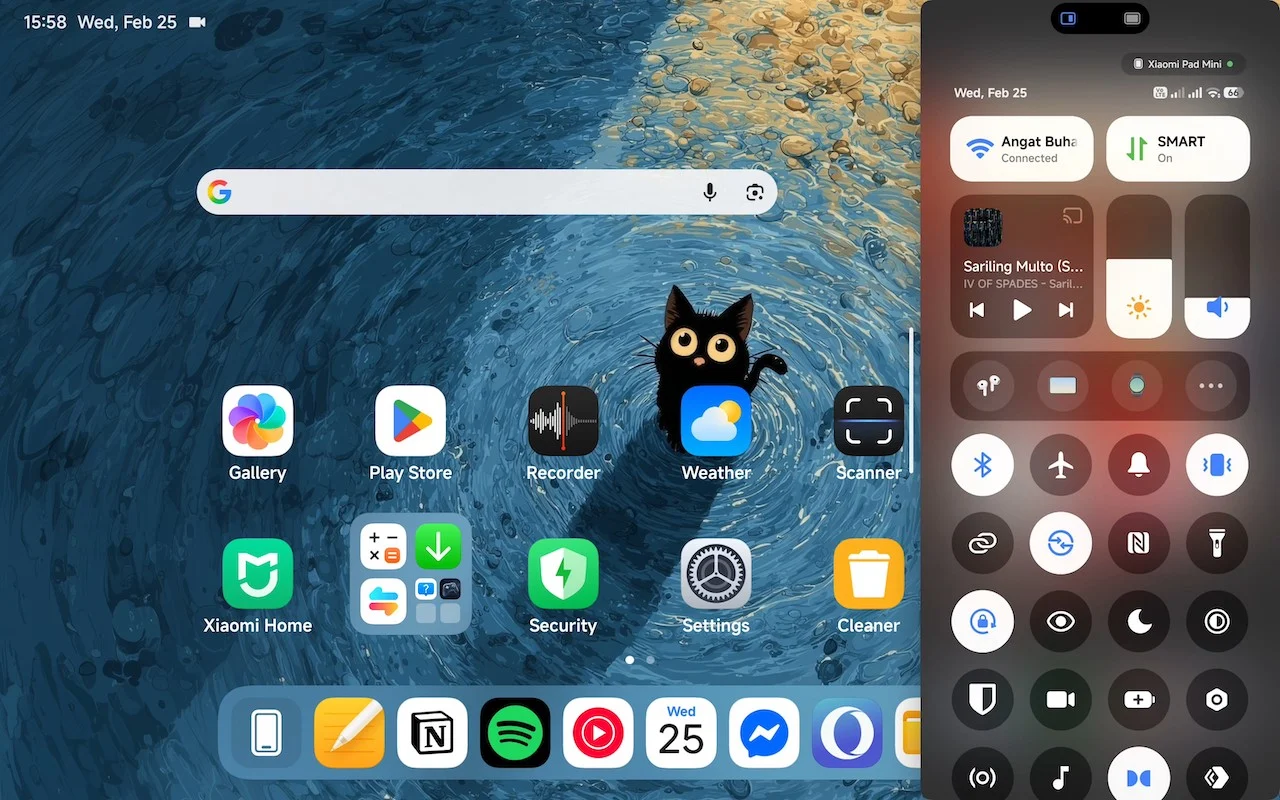
If you have a newer midrange or flagship Xiaomi phone, be it REDMI or POCO, you can take advantage of Xiaomi Interconnectivity.
It’s essentially their fancy term for ecosystem features, allowing seamless cross-device functions such as mirroring your phone’s screen to the tablet and copying and pasting text or images between the two devices and so on.
There were some bloatware here on boot up, like Netflix and Spotify but they can be easily uninstalled if you want to.
Of course, this being a tablet, there are multi-tasking features available like floating windows, and split-screen. There’s even Workstation mode allowing you to open up to four windows for quickly switching from different apps.
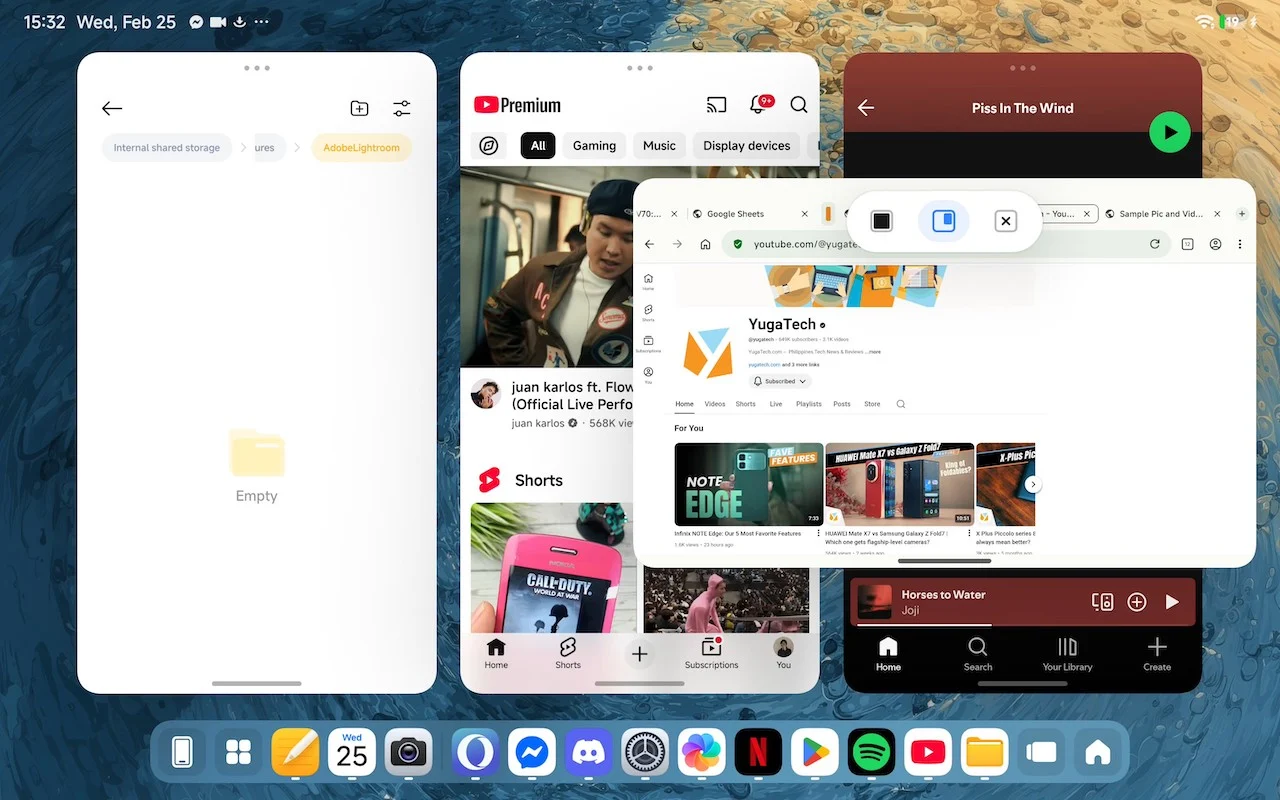
While that is useful, I mostly found myself using the tablet in regular mode, usually just in split-screen and two floating windows.
Xiaomi HyperAI is also available here offering a suite of AI tools for Notes, Gallery, and real-time communication such as AI Translate and AI Subtitles.
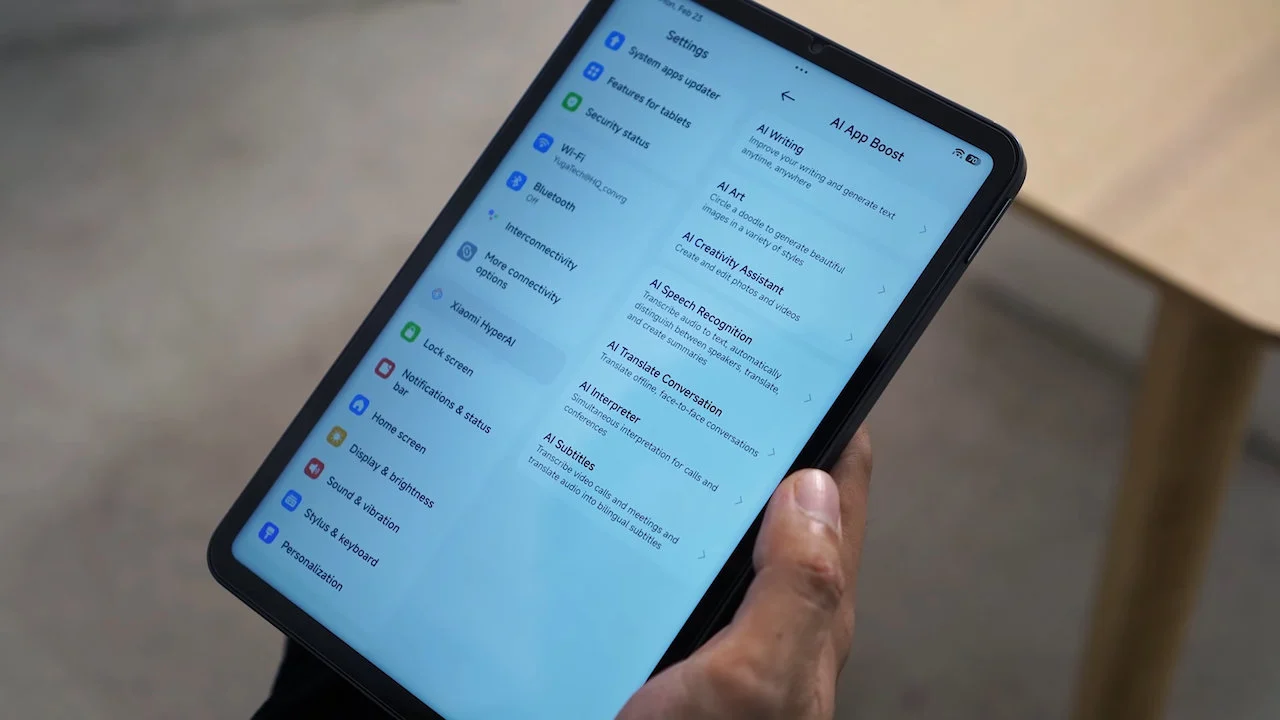
Sadly, Xiaomi did not say anything about update policy for the Pad Mini, but we’re expecting at least two major OS upgrades and three years of security patches.
Connectivity and Battery Life
Battery-wise, the tablet packs a 7500mAh battery paired with 67W of wired charging. It also supports 18W of reverse wired charging for charging small accessories.
Now, that battery size isn’t that big, but it was still able to deliver a decent battery life. In our PCMark test, the Xiaomi Pad Mini passed 13 hours and 4 minutes of uptime, and in our proprietary video loop test, it registered 11 hours and 26 minutes of battery life.

When we only did some light work and watching content from time to time, the tablet lasted even longer, getting over a day of typical use.
Remember the dual USB-C ports? Both support up to 67W fast charging, but only the port on the longer side supports USB 3.2 Gen 1 and DisplayPort 1.4.
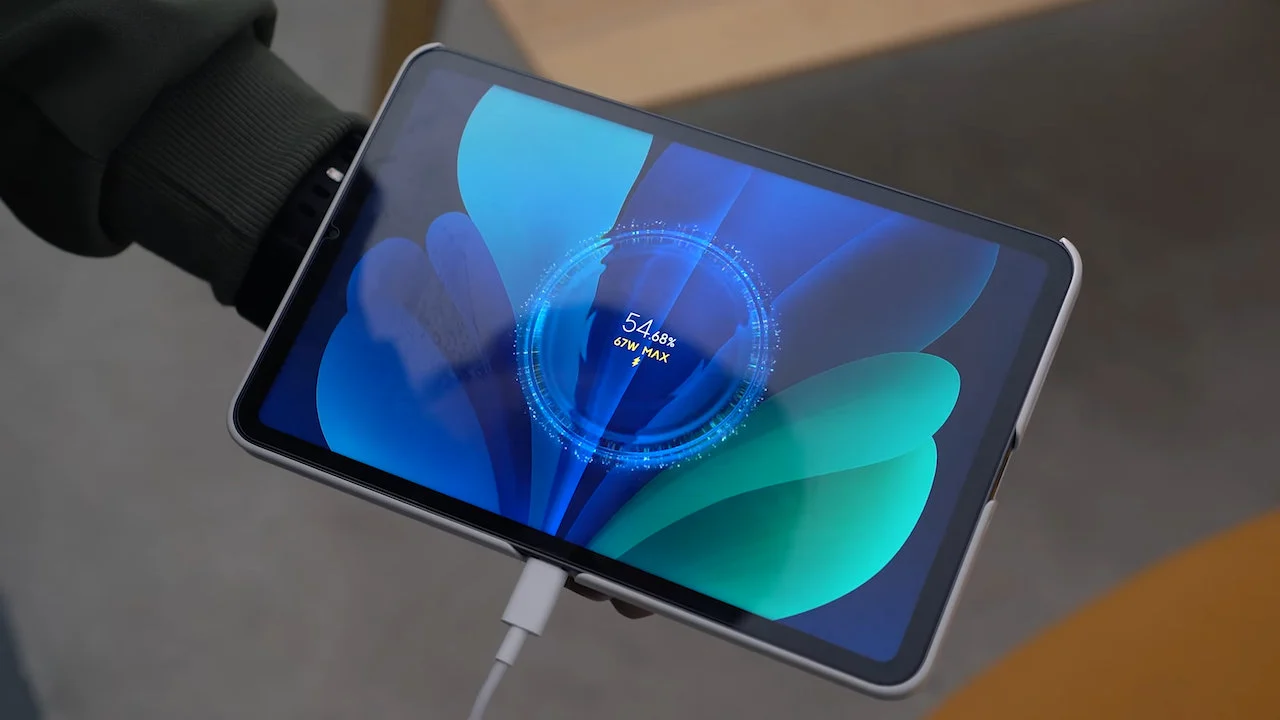
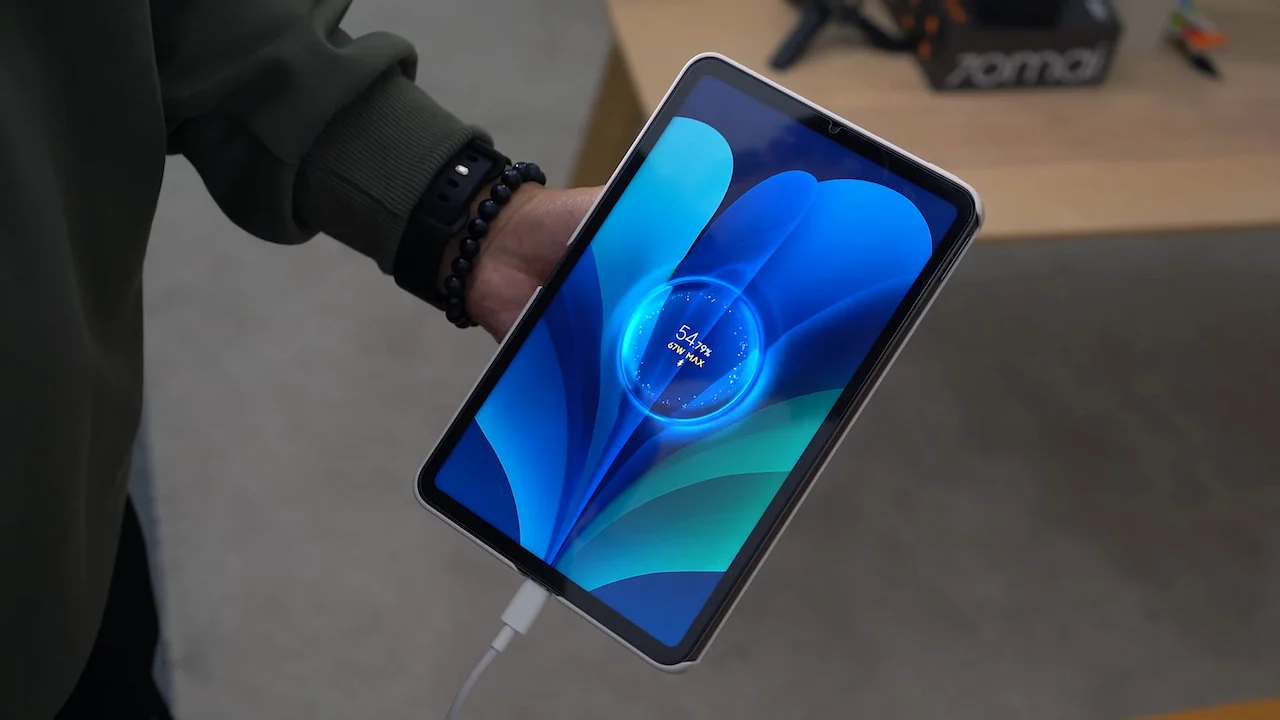
That means you can connect USB hubs to the tablet and use peripherals such as SSDs with higher bandwidth. You can also project the tablet’s screen to an external display like a TV or monitor.
Charging doesn’t take long as the included charging brick gets the tablet from zero to full in about an hour. And yes, you actually get a charger in the box, unlike before with the Xiaomi Pad 7 Series, which only came with a USB-C cable.
There’s no bypass charging here, but oddly enough, there’s a setting called “Slow Charging” hidden in the Game Turbo page.

As the name suggests, it slows down the charging speed to prevent overheating, so playing games while charging shouldn’t damage the battery in the long run.
Connectivity-wise, the tablet is limited to Wi-Fi 7 connectivity and Bluetooth 5.4.
Pricing
Before we move on to our verdict, let’s talk about the price.
The Xiaomi Pad Mini retails for PHP 25,999 (8GB+25GB), but during a sale last January, we were able to snag it at just PHP 18,700.
Verdict
All things considered, the Xiaomi Pad Mini gets many things right for its price.
You’re getting a flagship-tier performance, a decent IPS screen, and a respectable battery life with fast charging capability all packed into a compact body. In a market where bigger screens dominate, that alone makes it stand out.
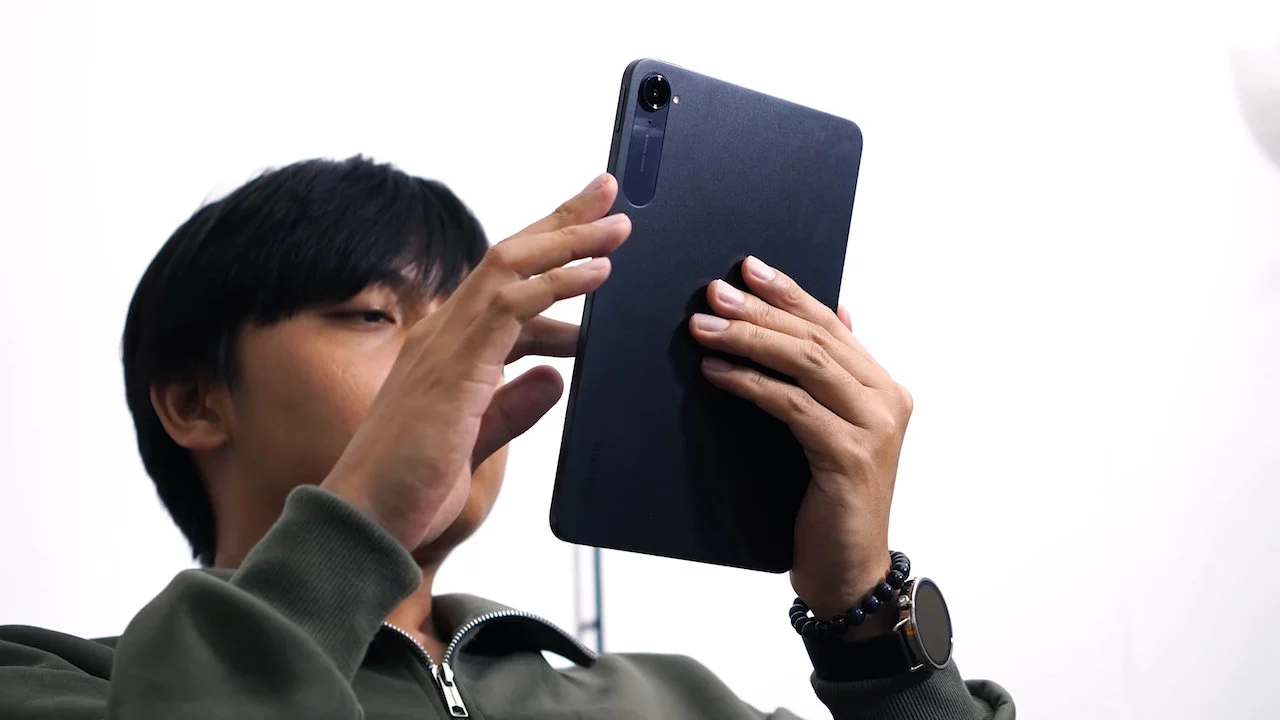
It’s giving more than enough power for literally any games and smooth multitasking, without feeling overkill for everyday use.
On top of that, the build quality feels premium, and the lightweight design makes it easy to carry around. It’s honestly great for commuting, travel, or just chilling on the couch.
Overall, the Xiaomi Pad Mini is one of the most value-packed tablets right now, giving strong competition even to the likes of the iPad Mini.
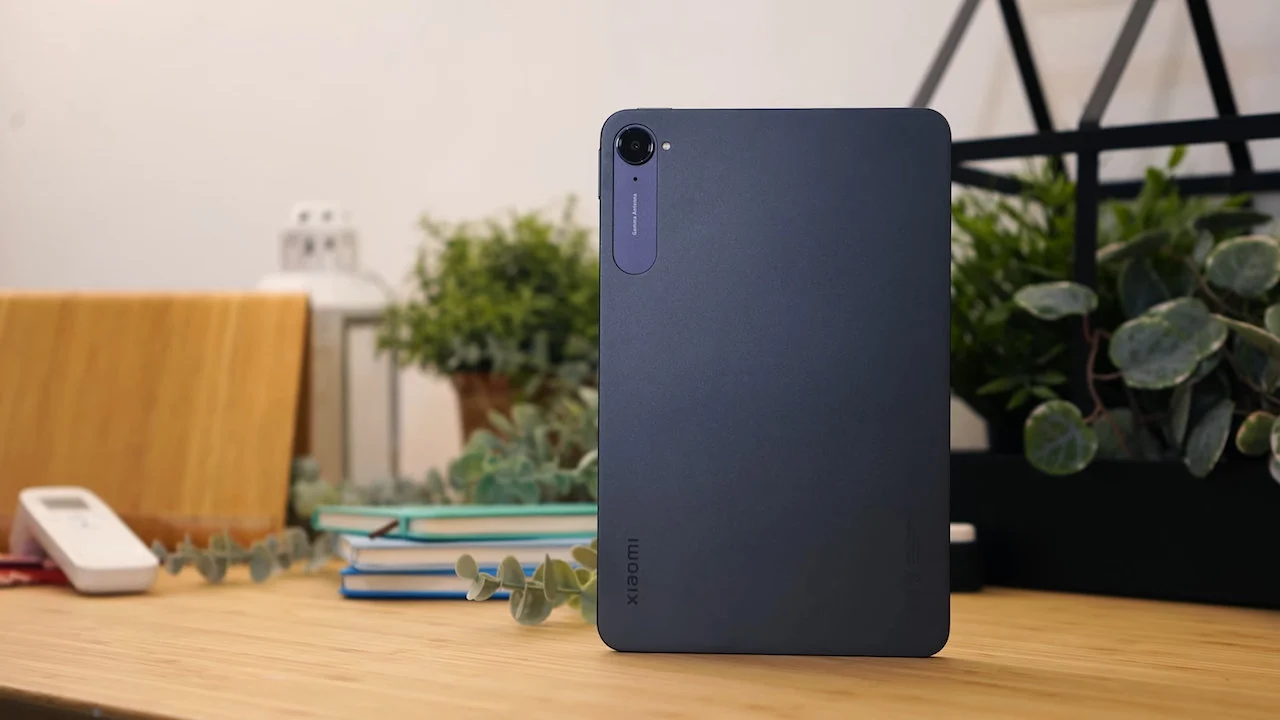
I mean, I chose this tablet for a reason. If you’re someone looking for a tablet, the Xiaomi Pad Mini definitely hits the sweet spot between performance, portability, and affordable price.
What we liked:
- Flagship-tier performance
- Loud stereo audio with reasonably punchy bass
- Decent battery life
- Charging brick inclusion
What we didn’t like:
- Not using OLED screen
- Only one port is USB 3.2 Gen 1
- No dedicated keyboard accessory
- Lack of fingerprint sensor
Xiaomi Pad Mini specs:
8.8-inch 3K IPS LCD
3008 x 1880 pixels, up to 165Hz refresh rate
16:10 aspect ratio, 700 nits (HBM)
MediaTek Dimensity 9400+
3nm, octa-core, up to 3.73GHz
8GB LPDDR5X RAM
256GB UFS 4.1 storage
– 13MP f/2.2 single rear, PDAF
8MP f/2.28 selfie shooter
(No SIM support)
Wi-Fi 7
Bluetooth 5.4
Dual USB-C (USB 3.2 Gen 1 on the long side)
Face unlock
Dual stereo speakers, supports Dolby Atmos/ Vision
Xiaomi HyperOS 2 (Android 15)
7500mAh battery
67W charging
18W reverse wired charging
205.13 x 132.03 x 6.46 mm (dimensions)
326g (weight)
Purple, Gray (colorways)




0 Comments
Leave a Reply