

The Philippine Space Agency (PhilSA) successfully launched two locally-built cube satellites (CubeSats)—Maya-5 and Maya-6—to the International Space Station (ISS) via the SpaceX Falcon 9 while on its 28th commercial resupply mission on June 5, 2023 at around 11:47 PM PST.
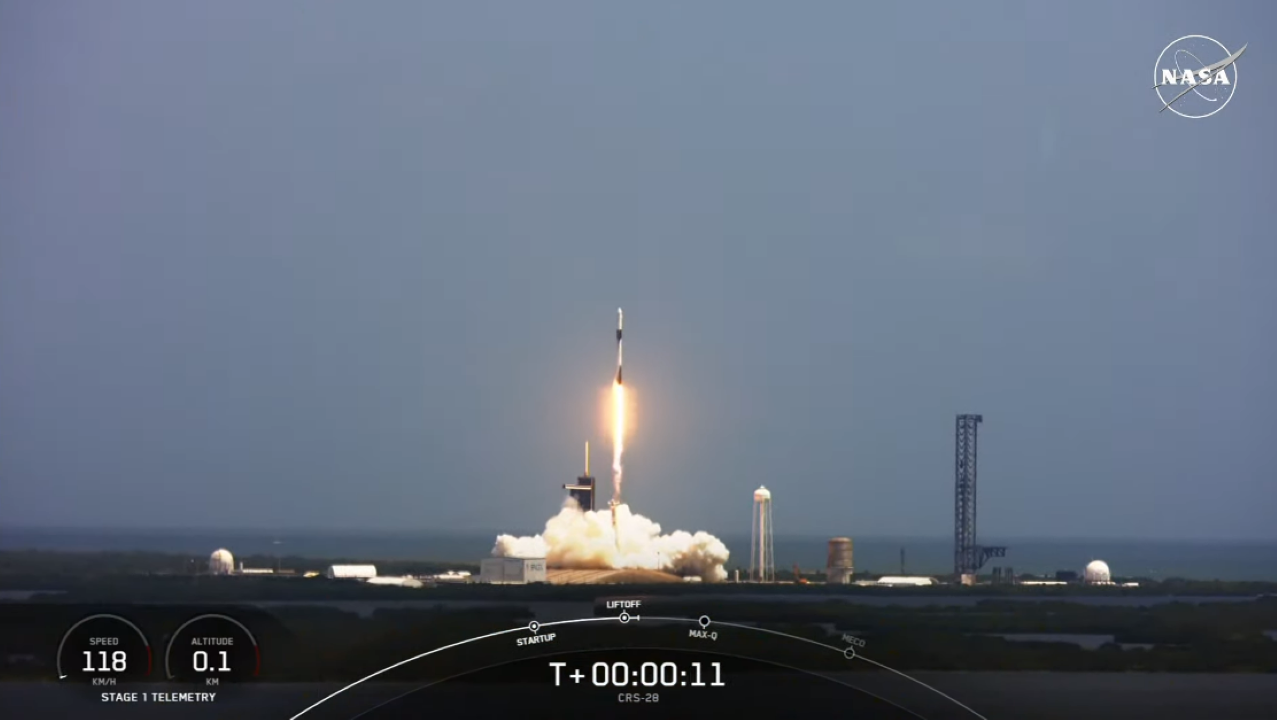
These small satellites, each weighing around 1.15 kilograms, will travel at an altitude of approximately 400 kilometers—the same orbit as the ISS—and are designed to provide opportunities for local space technology development and hands-on experience.
“It is also geared towards increased utilization of domestic capabilities by transitioning to locally available components, fabricated boards, and manufactured structural frames,” said PhilSA.
According to the space agency, the Maya-5 and Maya-6 CubeSats were created as a technology demonstration and educational platform developed for remote data collection using Store-and-Forward (S&F) Mechanism.
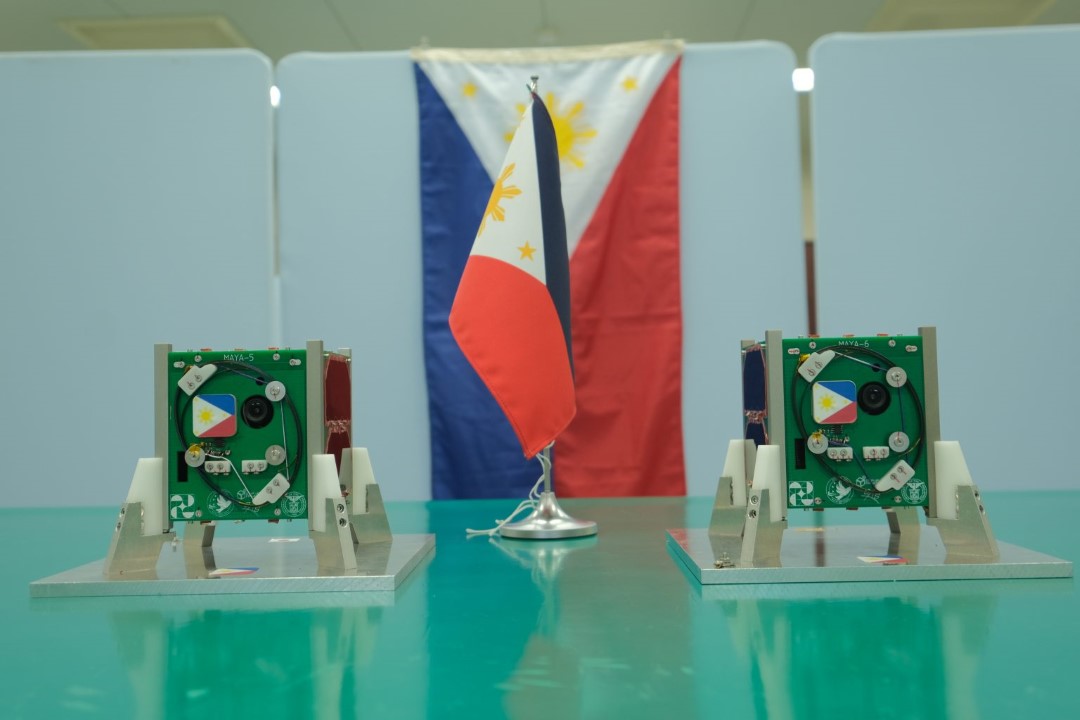
The said mechanism involves collecting data and then storing it until the satellite passes over a ground station, at which point the data is forwarded to the station for analysis. Which then enables collection of data from remote or hard-to-reach areas that may not have real-time communication capabilities.
The CubeSats are similar to their predecessor from Kyutech’s BIRDS-4 Project, Maya-2, which was decommissioned on July 5, 2022.
Maya-3 and Maya-4, which were the first cube satellites made by Filipinos, were launched to the International Space Station in August 2021 and returned to Earth a year later.
Maya-5 and Maya-6 CubeSats were crafted as part of the STAMINA4Space Program’s Space Science and Technology Proliferation through University Partnerships (STeP-UP) project, which was funded by the Department of Science and Technology (DOST) and carried out by the University of the Philippines Diliman (UPD) and the DOST Advanced Science and Technology Institute (DOST-ASTI).
The Electrical and Electronics Engineering Institute (EEEI) of UPD’s Master of Science (MS) or Master of Engineering (MEng) program’s nanosatellite track was also developed in partnership with Japan’s Kyushu Institute of Technology (Kyutech), with DOST’s Science Education Institute (DOST-SEI) providing scholarship support.
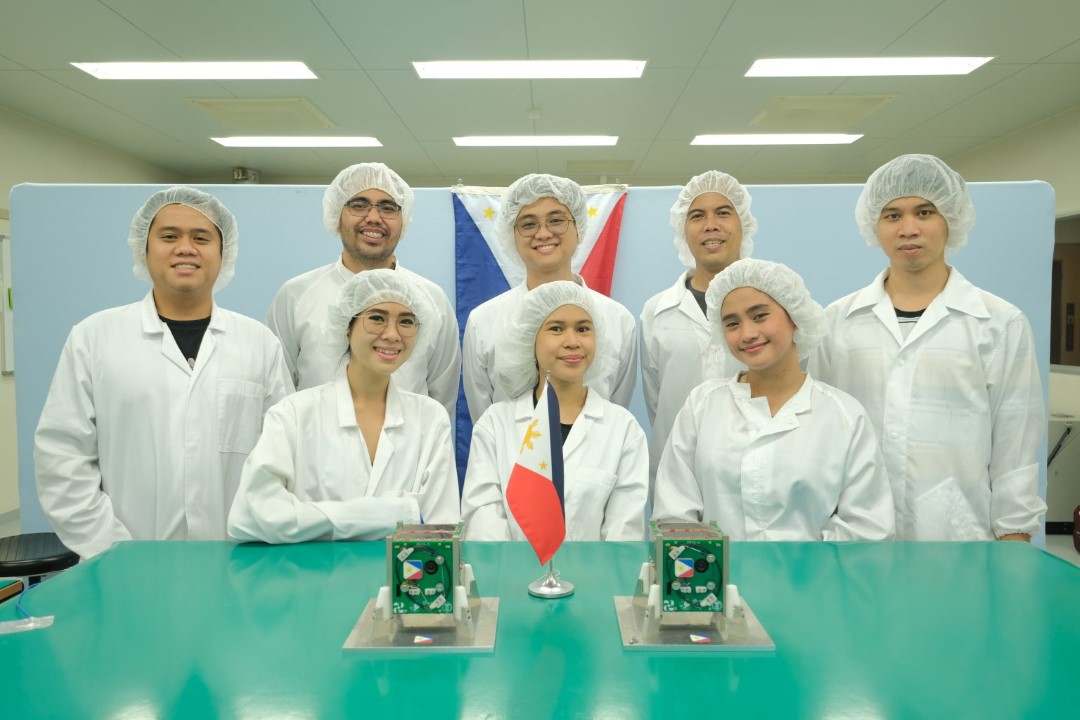
In addition, the development of CubeSats serves as a course requirement for the UP EEEI’s nanosatellite engineering track. Eight students who were granted scholarship support from DOST-SEI make up the second batch of STeP-UP scholars—and they are Anna Ruth Alvarez, Joseph Jonathan Co, Ronald Collamar, Angela Clarisse Chua, Chandler Timm Doloriel, Khazmir Camille Valerie Macaraeg, Genesis Remocaldo, and Gio Asher Tagabi.







0 Comments
Leave a Reply