

Display and Multimedia
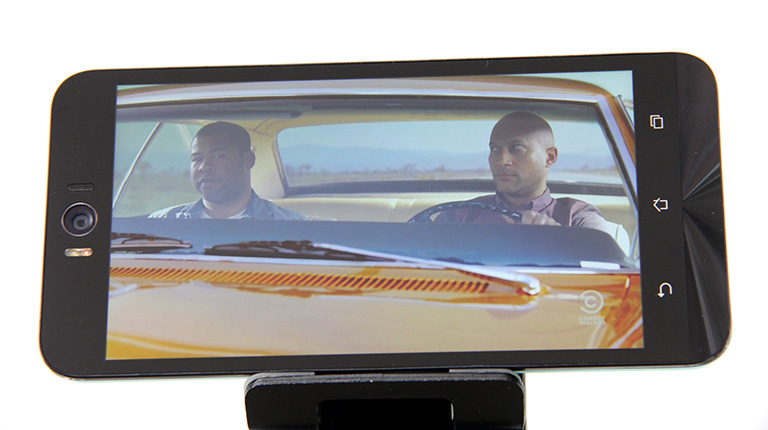
Touting a Full HD screen with its resolution maxing out at 1080p, the Selfie carries a 403 pixel density which is the same as what was used on the ZE155ML Zenfone 2. It provided decent colors, but its viewing angles and outdoor visibility suffer under direct sunlight.
Plus, we noticed that while playing different video clips, there were times when the images get too dark and it was hard for us to see the details. Other than that, we had no major gripes on this aspect.
OS, UI, and Apps

Adding to the similarities to the Zenfone 2, it packs Android 5.0 and is layered with the company’s ZenUI. Initial storage space is around 22GB out of its 32GB capacity due to the memory taken by its OS. Still, the remaining 22GB proves sufficient for downloading games, apps, and storing media files into the phone.
As for the customizations that you can do on its interface, they’re basically the same as the other Zenfones so that’s a good thing — with their simple, clean, and almost bloatware-free software.
Camera

The front has a huge sensor which is identical to the one at the back although it has a wider field of view at 88° so the shots capture more of the view. The dual-tone, dual LED flash along with the earpiece speaker flanks the camera lens right up in the center.

The Camera app carries with it an array of presets and shooting modes to cater to your different imaging needs and at the same time give you options on the kind of feel you want for your photo. Since it specializes on taking self portraits, it naturally has the Beautification function that would help fix your face (if it does need fixing) so you can upload an Instagram-worthy selfie.
Check out the following shots taken with its front camera. Also notice the comparison between the Auto Mode and Low-light Mode when it comes to shooting indoors:


Its not a good phone… it overheats, drains battery so fast after 3months use… sa una lng maganda…