miui

yugatech x ASUS

Latest Review

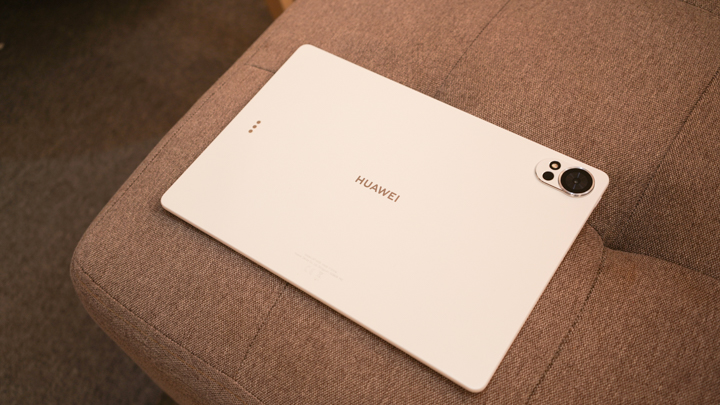
Sleek HUAWEI MatePad 12 X tablet on a dark surface
HUAWEI MatePad 12 X (2026) Review
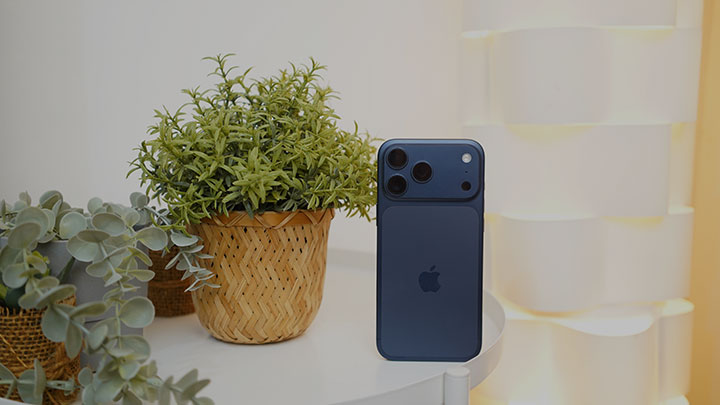
A person holding the new iPhone 17 Pro Max
iPhone 17 Pro Max Review
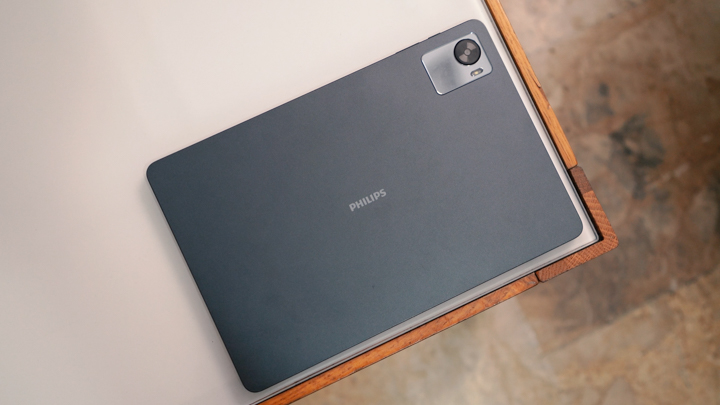
Gray Philips tablet with rear camera and flash on metallic finish
PHILIPS 10-inch Tablet (T7305L) Review
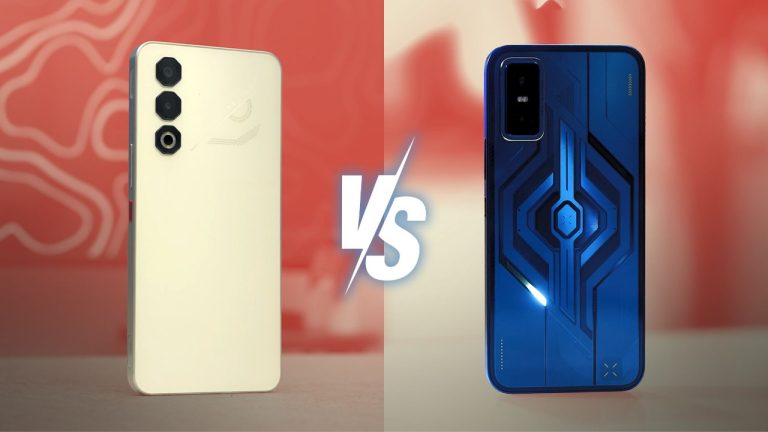
nubia Neo 3 GT vs. Infinix GT 30 Comparison Review
Nothing Phone (3a) Lite smartphone on a white background
Nothing Phone (3a) Lite Review

Latest Guide

What’s new with Samsung One UI 8
Smartphones Under PHP 10,000 | Q3 2025
Smartphones Under ₱6K (Php 6,000) | Q3 2025
Xiaomi 15T Pro vs. Xiaomi 14T Pro: What’s different?
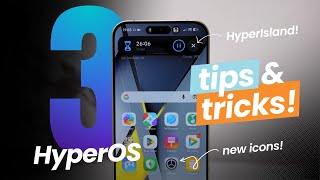
List of Xiaomi devices for HyperOS 3 Update Timeline
MIUI: Xiaomi's Android Skin, Features, Updates, and Transition to HyperOS | YugaTech
Yugatech Logo 2023
YugaTech is the largest and longest-running technology website in the Philippines. Orignally established in October 2002, the site was transformed in 2005 into a full-fledged technology news and reviews destination for Filipinos across the globe.

Tech Guides

YugaTech | Philippines Tech News & Reviews
© 2025. All Rights Reserved.

MIUI is the custom Android-based operating system developed by Xiaomi, known for its user-friendly interface and feature-packed take on Android. First launched in 2010 based on Android 2.2 Froyo, MIUI played a pivotal role in Xiaomi's early popularity, helping it become a top smartphone brand. Over the years, it evolved through versions like MIUI 12, 13, and 14, introducing features such as background video playback and Memory Extension. In a major shift, Xiaomi officially announced in October 2023 that HyperOS would succeed MIUI, beginning with the Xiaomi 14 series. This page details MIUI's journey, its final versions, and the transition to its successor.

More About miui

Frequently Asked Questions

What is MIUI and when was it first released?

MIUI is Xiaomi's custom Android-based operating system. The first MIUI OS was based on Android 2.2 Froyo and was initially developed for the Chinese market in 2010. It featured added apps like Notes, Backup, Music, and Gallery, and was later ported to other languages by independent developers, contributing significantly to Xiaomi's early success.

Is MIUI still being updated?

No, MIUI is being replaced by Xiaomi HyperOS. Xiaomi's founder, Lei Jun, officially announced HyperOS in October 2023 as the successor to MIUI, stating it would power the upcoming Xiaomi 14 series. The company has since been rolling out HyperOS updates to replace MIUI on its smartphones, tablets, and POCO and Redmi devices throughout 2024 and 2025.

What were some notable features in later MIUI versions?

Later MIUI versions introduced several user-focused features. MIUI 14, based on Android 13, brought improved system security and a faster 'Search in Setting' feature. A highlight of MIUI was its Memory Extension feature, which allocates more RAM to the system by using internal storage as virtual memory. Another thoughtful feature since MIUI 12 was background video playback, which allowed video playback with the screen off, though this was later removed in the HyperOS update (MIUI 15).