

SIM cards are essentially what runs our phones. We have seen advances in SIM technology from shrinking its size from full, mini, micro, and nano SIMs to having eSIMs that eliminate the need for a traditional SIM card. An embedded SIM (eSIM) is essentially a SIM baked in your phone’s motherboard that is tied to a carrier, this eliminated the use of traditional SIM cards. However, eSIMs have a few drawbacks that prevent them from being the new normal when it comes to SIMs, most especially the issue of not having dual-SIM support with eSIM chips. But it seems that Google has its solution ready in Android 13 with its Multiple Enable Profiles (MEP). As reported by Esper’s Mishaal Rahman, Google’s MEP allows multiple active SIM profiles in just a single eSIM. This would mean that one single eSIM would be able to connect to 2 different carriers simultaneously. The unique thing about Google’s MEP is that it is purely software-based which would mean that any phone running Android 13 will be compatible with MEP. Read more in our articles including "One eSIM to Rule them All? Thanks Google!" and "PH among slowest countries in shift away from 3G".
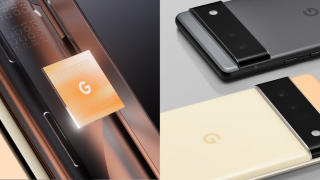
SIM cards are essentially what runs our phones. They allow us to call each other,…
Apr 3, 2022
The Philippines remains among the slowest countries in transitioning away from 3G networks, with most…
Jun 2, 2026
Inflation is now (May 2026) at 7.2%, electricity rates at Php14.33/kWhr, and gas prices through…
May 28, 2026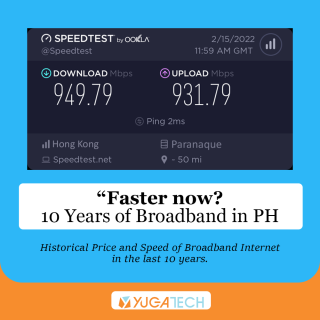
Not long ago, the Philippines have always been reported as among having the slowest internet…
May 28, 2026
Smart Communications, Inc. and TNT are providing free Facebook access through selected prepaid, home, and…
May 26, 2026
Globe introduced new AI, cloud, and connectivity products during its “The Blueprint” media briefing on…
May 26, 2026SIM cards are essentially what runs our phones. We have seen advances in SIM technology from shrinking its size from full, mini, micro, and nano SIMs to having eSIMs that eliminate the need for a traditional SIM card.
An embedded SIM (eSIM) is essentially a SIM baked in your phone’s motherboard that is tied to a carrier, this eliminated the use of traditional SIM cards. However, eSIMs have a few drawbacks that prevent them from being the new normal when it comes to SIMs, most especially the issue of not having dual-SIM support with eSIM chips. But it seems that Google has its solution ready in Android 13 with its Multiple Enable Profiles (MEP).
Our coverage of Google SIM includes: "One eSIM to Rule them All? Thanks Google!"; "PH among slowest countries in shift away from 3G"; "Which Fiber Prepaid Service Should You Get in 2026?". Each article provides unique insights and information.