
At the height of war, there were Qualcomm’s Snapdragon chipsets, engaged in heated battle against Apple’s A-series mobile chips. Slowly, Google threw its Tensor line into the fray. And so did Samsung with Exynos. MediaTek climbed its way back into relevance to claim their stake too. Let’s not forget other brands like NVIDIA with Tegra, Intel’s Atom, Texas Instruments (OMAP), and many others (RIP).
But behind the scenes, a few key players had controlled the chips for “all the other” mobile devices; the affordable phones, non-flagships, entry-level, billions of users – with UNISOC being an integral competitor.

That bet paid off big time, with around 14% of all smartphones shipped today equipped with these processors.
How’d they do it?
The Early Days
Unisoc actually started as Spreadtrum Electronics, a small company built by Chinese entrepreneurs freshly returned from Silicon Valley. Since telecom wasn’t globally standardized at the time and China had its own 3G networks that global manufacturers found difficult to support, the company sought to develop a chipset that solved these issues.
They succeeded at this and quickly became the go-to of the country’s largest telecom provider, China Mobile. Their growth continued when they set up a one-stop-shop for all mobile device internals at a time when manufacturers had to source the CPU, modem, and GPS chips separately.

Putting together a fully-working phone in a Shenzhen factory became easier than ever. This is why so many no-brand devices being sold at the time came with Spreadtrum chips installed.
2011 Market Breakthrough
Spreadtrum’s first big break came in 2011.
Samsung, the world’s largest phone manufacturer at the time, chose to experiment with a Spreadtrum in its China release of the Samsung Galaxy Y. This is because its global partner Broadcom had not figured out the local 3G issue yet.
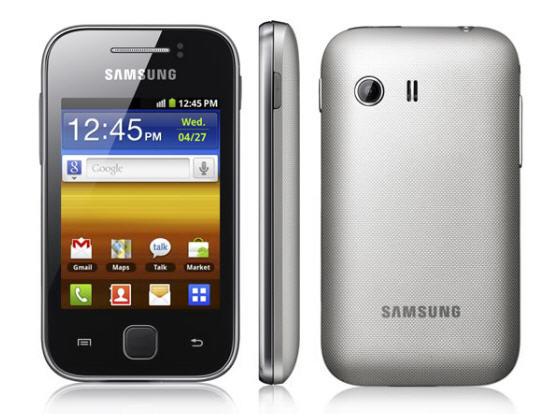
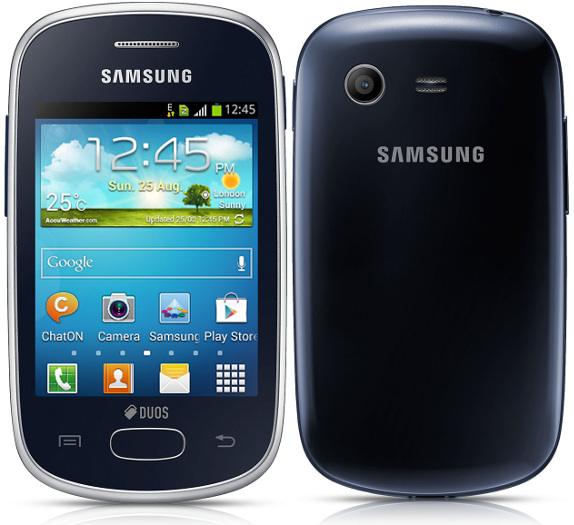
With this China device displaying similar performance and reliability to its global counterpart, it was time for Samsung to begin installing it in global devices. The Samsung Galaxy Star (2013) featured a single-core Spreadtrum processor. This was an absolute workhorse in an ultra-affordable overall package (PHP 3,990). So while everyone salivated over the Galaxy S4 and its state-of-the-art Qualcomm Snapdragon 600, the Star was what most of us actually got to use on a daily basis.
Strategic Acquisitions
In 2014, it was acquired by Chinese giant Tsinghua Unigroup. Notable developments include an Intel investment, which not only injected funding but also gave the team the necessary technical knowledge to evolve their craft further; as well as a partnership with RDA Microelectronics, a company specializing in wireless chips.
Spreadtrum continued supplying chipsets to entry-level and midrange devices globally. The legendary Samsung Galaxy J1 and Tab 3 V even had these chips built-in.
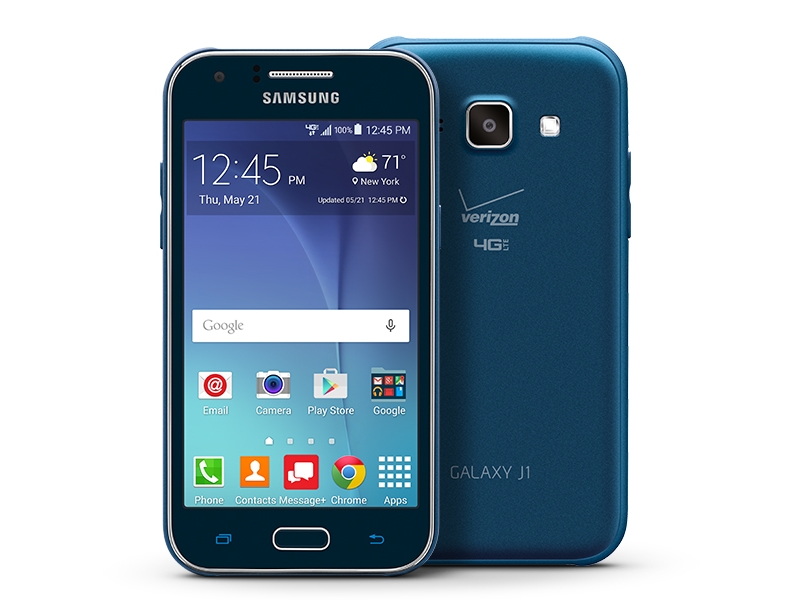
Despite its rising fame though, Spreadtrum’s low cost meant they’d be put in the cheapest devices you’d find on the back corner shelf of a tech store.
Manufacturers would bundle these with barely 500MB of RAM rendering them laggy pieces of disposable e-waste after a few months. This did not pan out so well for Spreadtrum’s reputation, which had been tarnished by short-lived obsolete phones, often badly-made clones of real devices. A change was needed.
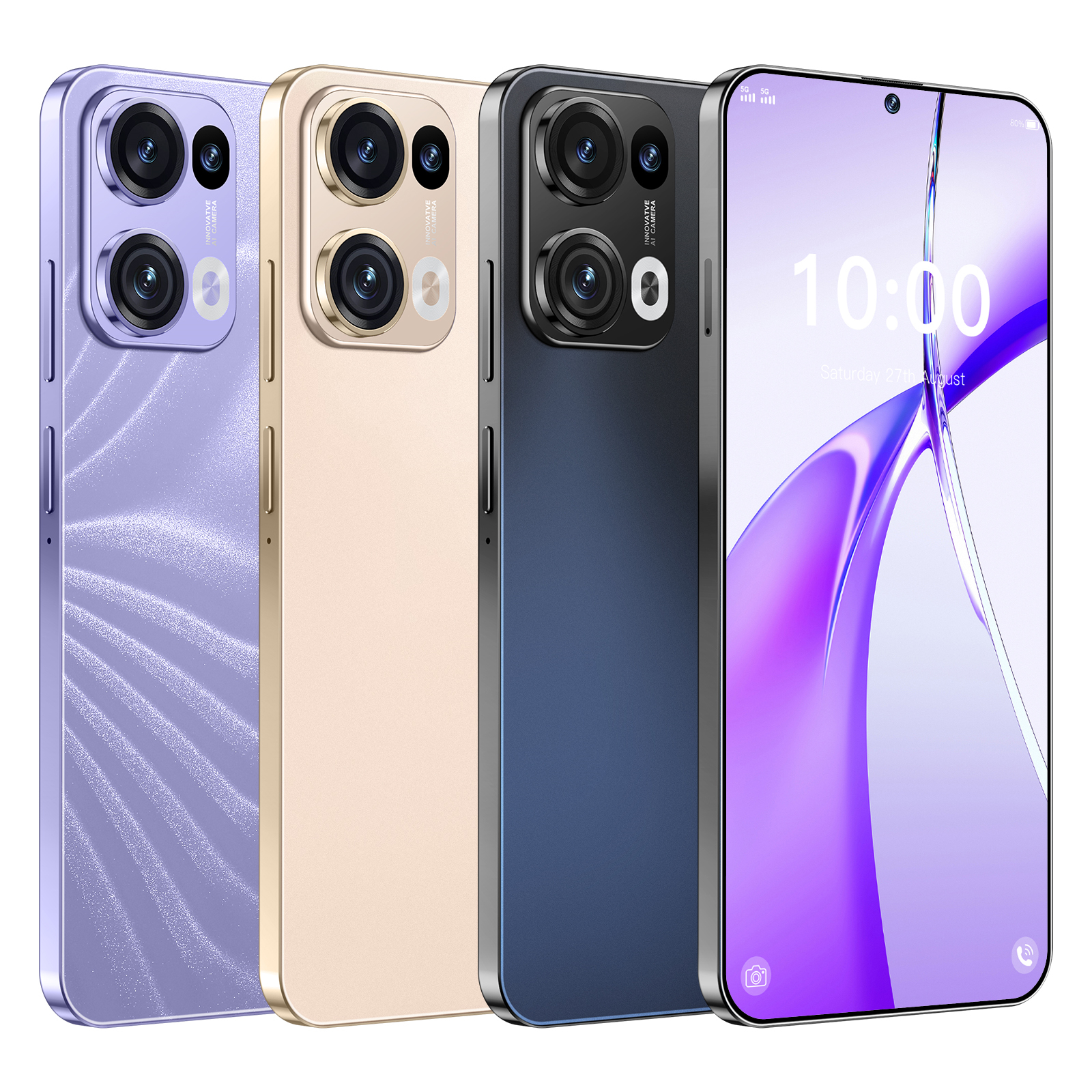
The brand’s largest success
Spreadtrum and RDA finally merged in 2018 under a new name: UNISOC, meaning UNIFIED Systems on Chips (SOC). The goal of this rebrand was to shed off the “wholesale/no-name” reputation Spreadtrum had gained over the years in favor of a positive image.
The first chip launched under the UNISOC flag was the SC9863 (2018), embedded in devices like the Alcatel 1S (2019).

Being the first entry-level chip to pack eight Cortex A55 cores, it was definitely decent at the time. It could run games at passable frame rates without reaching scorching temperatures. Its only major flaw was that it was built on an ancient 28nm architecture in a time when its competitors were downsizing to 12/14nm. This meant it was thirstier for power and juiced out more quickly.

Despite its shortcomings, that chip proved to be a good sign of things to come – as it was followed by the revolutionary UNISOC Tiger T618. It was a powerhouse with two larger cores in a big.LITTLE arrangement, trading blows on equal ground with its Qualcomm and MediaTek equivalents. An integrated Mali GPU meant it could take sustained gaming loads for extended periods of time. 48 megapixel image processing and smooth 1080p video finally became truly achievable.

To put things into perspective, it neared the performance of the famed Snapdragon 700-series chipsets, rather than compete against its price-like 600s. All for under PHP 10K.
It wasn’t just competitive, it was disruptive.
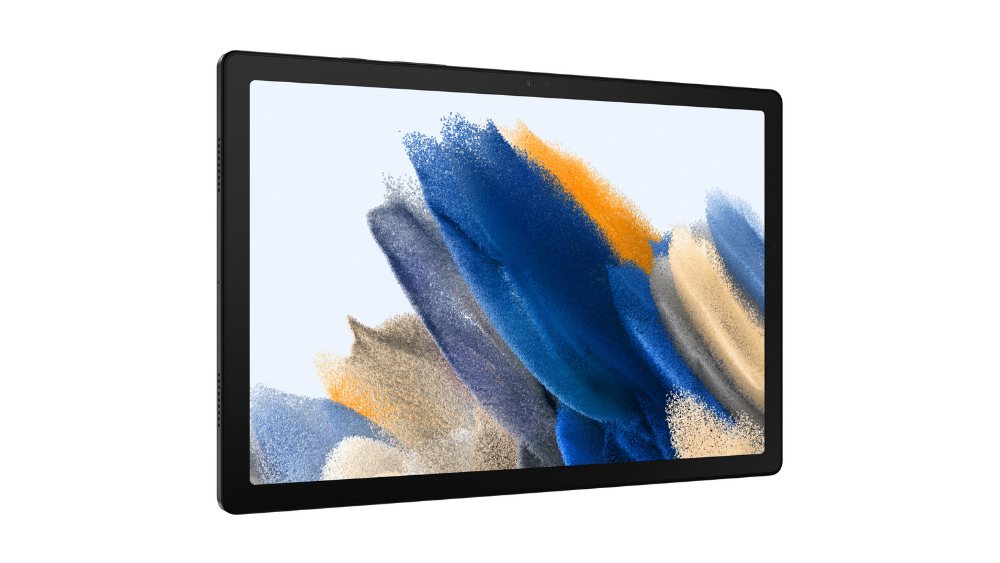
Samsung used the T618 in the Galaxy Tab A8 (2021), realme picked it up, and even ZTE placed it in the 4G version of their cutting-edge Axon 20, the world’s first phone with an under-display camera. Talk about performing in the limelight!
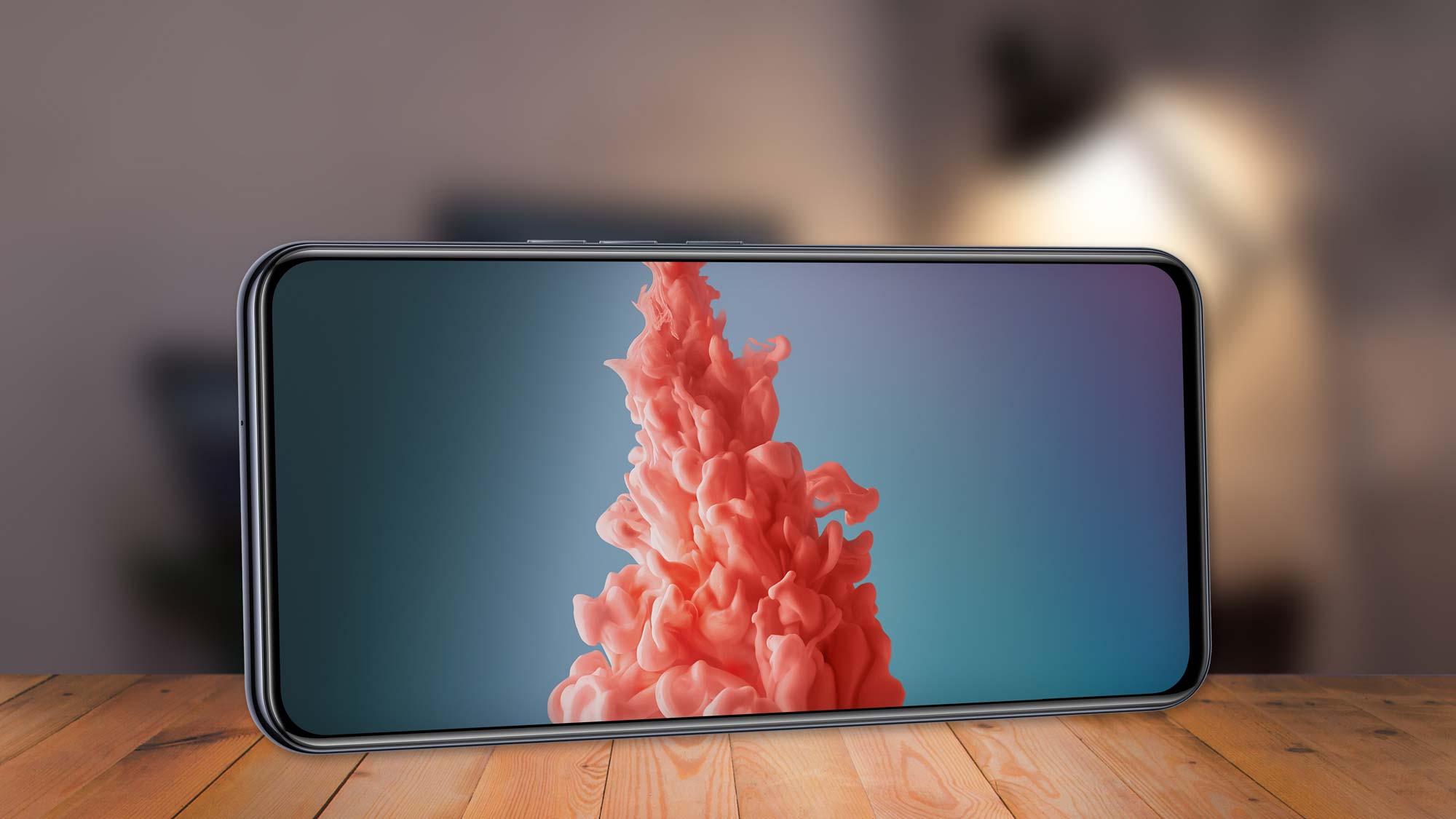
The brand followed it up by releasing multiple iterations of the Tiger chipset at various price points (nothing above mid-range, of course.) This saw massive adoption, not only by big smartphone manufacturers, but the “Shopee-special” tablet brands from China that could now compete without much compromise. Lag-free 1080p Netflix was finally a dream made reality.
To this day, the T618 is still used as the processor of choice in retro gaming simulators for its consistent performance.

UNISOC today
The brand has made significant strides to get to its 14% global market share today. UNISOC further evolved on the Tiger line to meet the modern-day requirements of 5G connectivity and AI.
In 2020, UNISOC released its first 5G chipset. The following UNISOC T612 and T616 chipsets dominated the market in 2023/24 by being the primary chip of choice in entry to mid-level Transsion devices, as well as budget choices from realme/Nokia (HMD).

This ultra-budget space was previously reigned over by MediaTek, but the latter’s push towards occupying the midrange made a perfect gap for the Tigers to take their place.
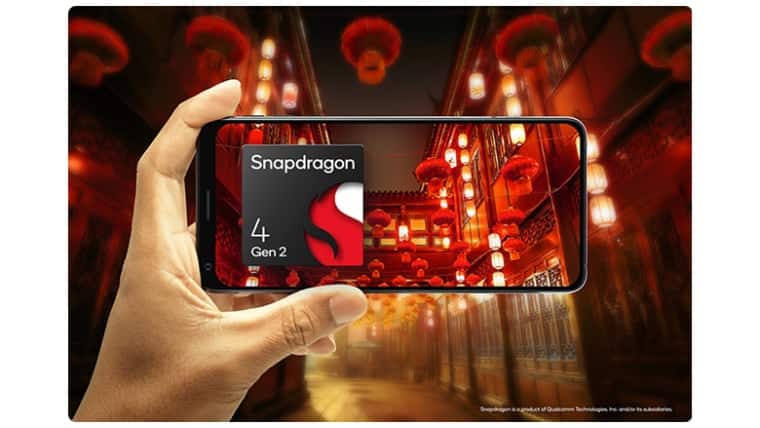
That’s why itel, Tecno, and Infinix have made these the backbone for millions of its devices in that segment. It’s so lucrative that even Qualcomm has taken another look to see how it can compete in this space.
It is crystal clear though that UNISOC has not halted in its pursuit of technological advancement and competition. In 2025/26, it has finally launched chips built on a power-efficient 6nm process, the T9300 and T820. These can stack up in performance to flagship chips from just 2-3 generations back. If you can achieve the same power but lessen cost, power consumption, and thermal throttling, then it’s a win.
When was the last time you used a flagship phone wishing it was “faster,” anyway? A cleaner UI and animations, sure. But overclocking a mobile chip? Those days are long gone.
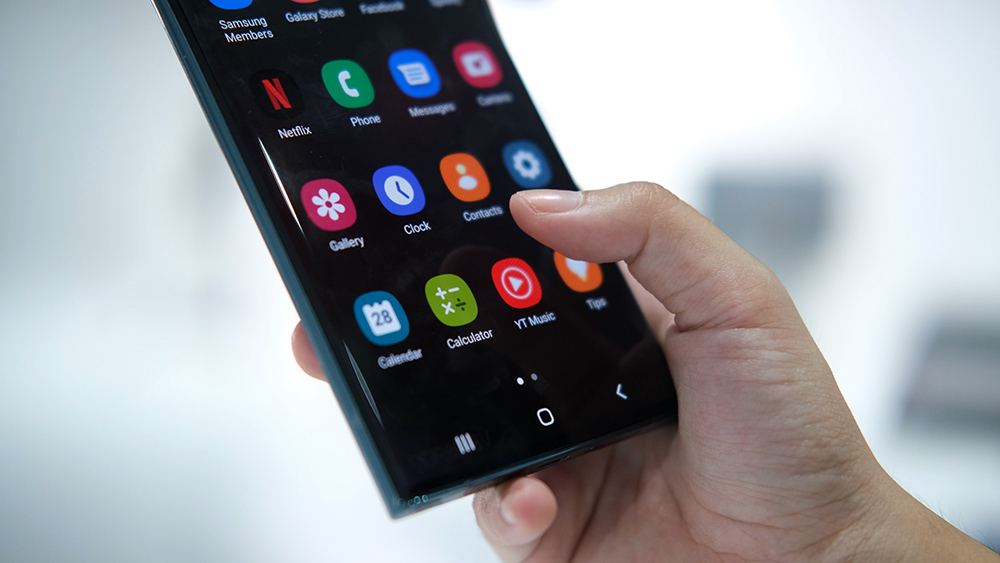
UNISOC devices continue to be spotted not only in mobile phones but also in tablets and game devices sold worldwide. Some have followed in its footsteps, like Allwinner and Rockchip, eager to pick up the market share UNISOC might neglect from its transition to the big leagues.

Anyway, today’s UNISOC chips are now rapidly closing the gap with major players in select segments. They also have built-in NPU (Neural Processing Units) capable of dealing with AI as well as any other.

The latest UNISOC chips for late 2026 have 4nm on the horizon, closer to the top-shelf 3nm than ever before. That’s a big deal – we’ve moved on from an age where playing lag-free Netflix at 1080p on a UNISOC is something to be celebrated.

In developing markets like SEA, Africa, and Latin America, UNISOC’s presence drives digitalization by powering lower-cost smartphones accessible to just about anyone. It helps not only bring users online, but elevate the quality of the experience without charging a pretty penny.
From a small team in Shanghai trying to solve a 3G connection issue, a struggling company building “trash bin” chipsets, to now a global giant powering around 14% of the world’s pockets with 6nm AI processors….
Who knows, maybe your next phone will have a UNISOC in it?



0 Comments
Leave a Reply