

The Infinix NOTE Edge is out and it’s the brand’s very first entry for 2026. This one’s got some promising hardware and software features, at least on paper.
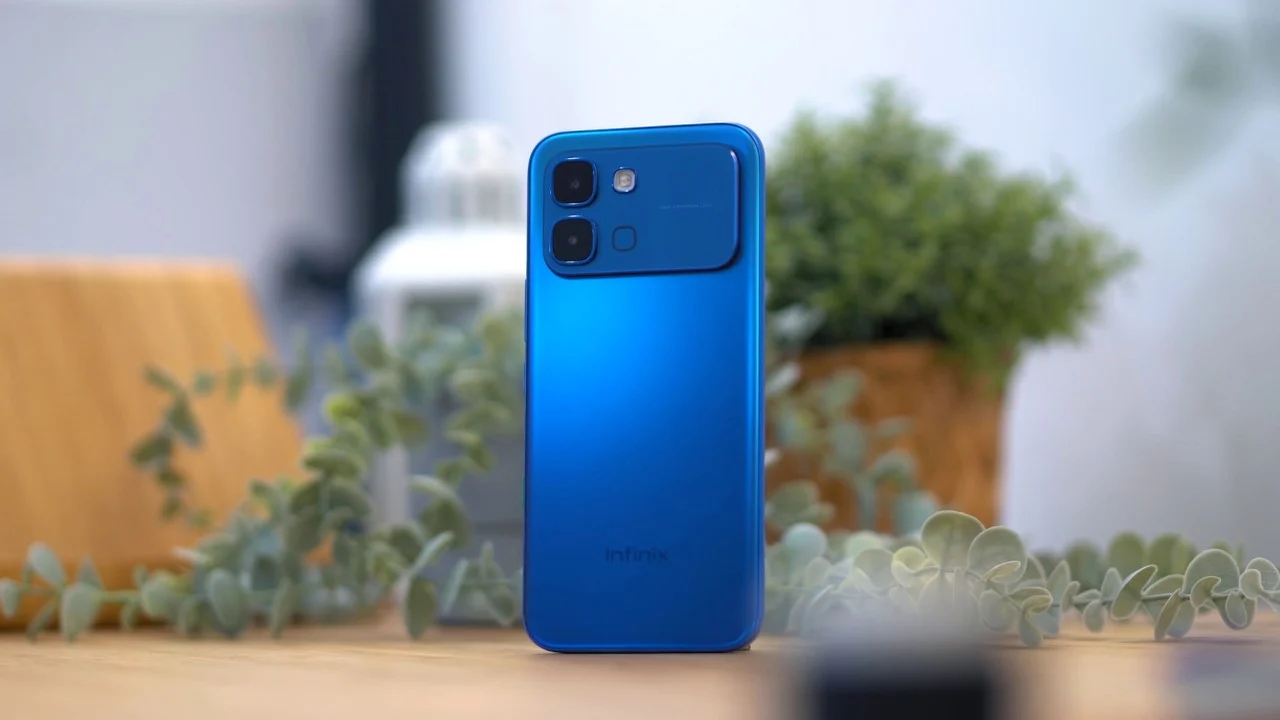
It’s the first phone to adopt the fairly new Dimensity 7100 5G chip accompanied by a large 6500mAh battery, and an updated software experience with longer support. These are just among its key highlights to look out for.
But as a whole, does it have THE edge to stand out in the crowd as your next daily driver? Let’s find out in this review.
Design and Construction
Starting with its looks, the NOTE Edge clearly took out some design inspiration.
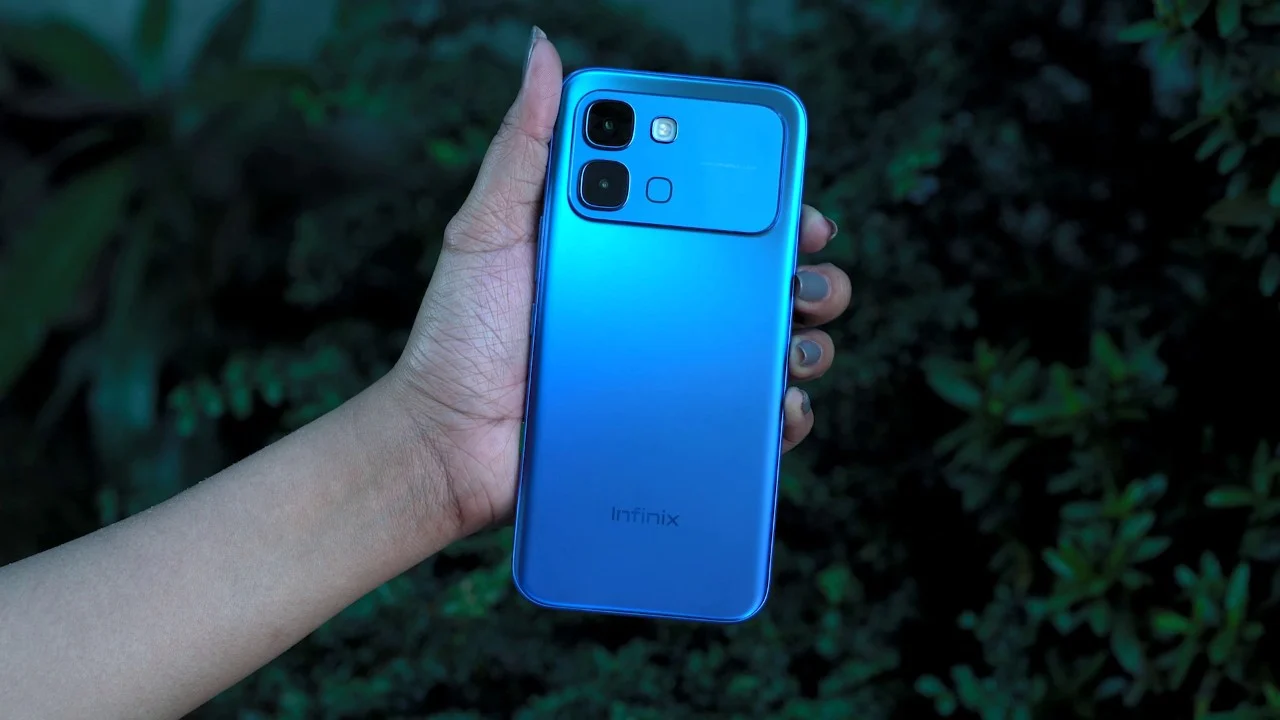
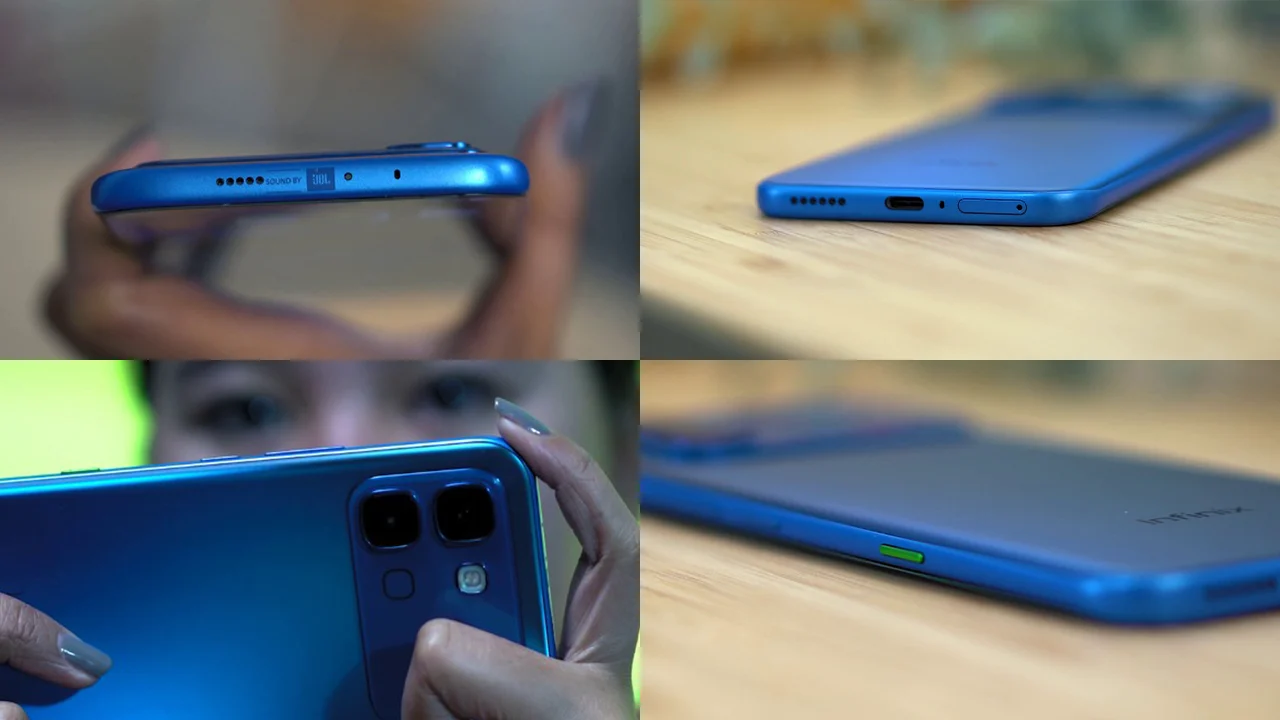
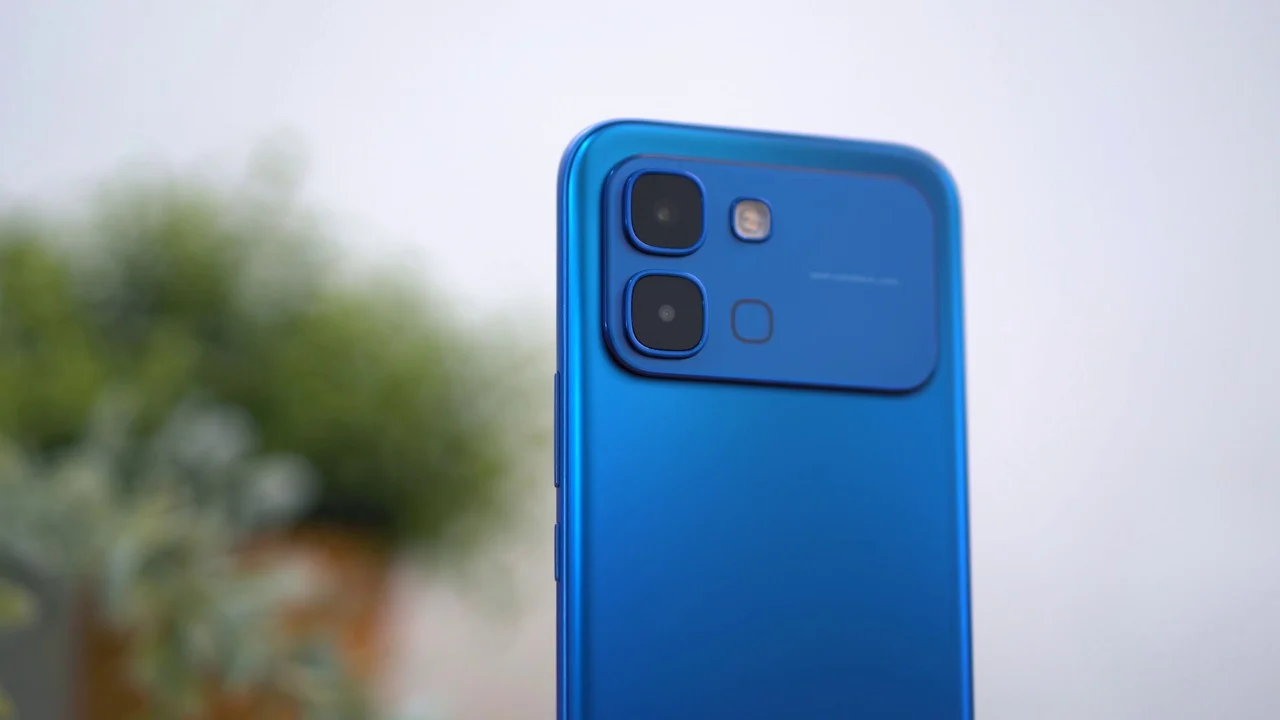
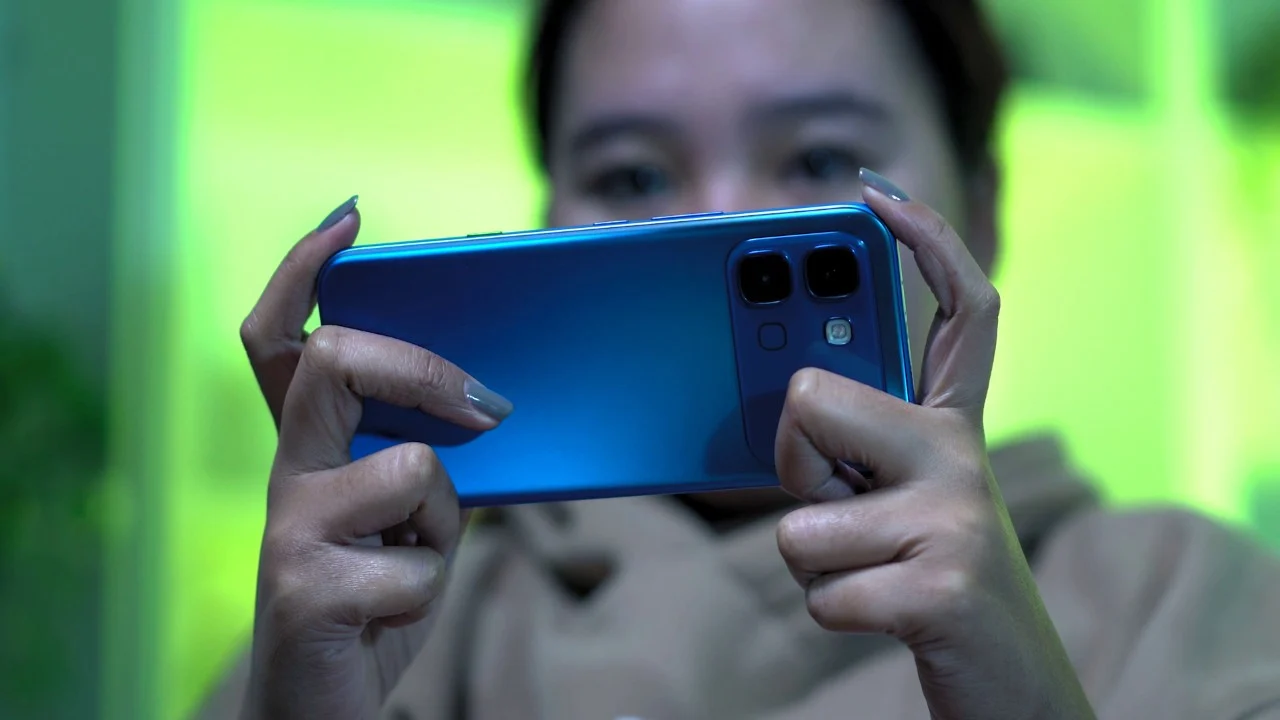
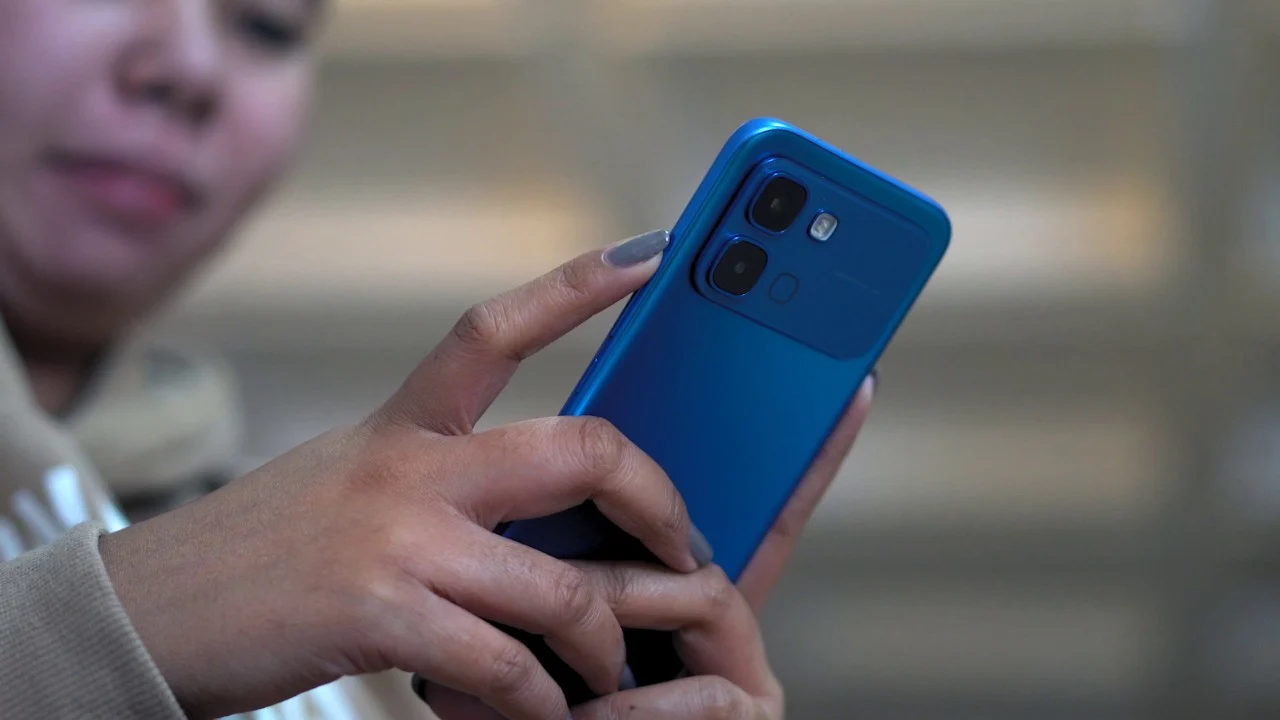
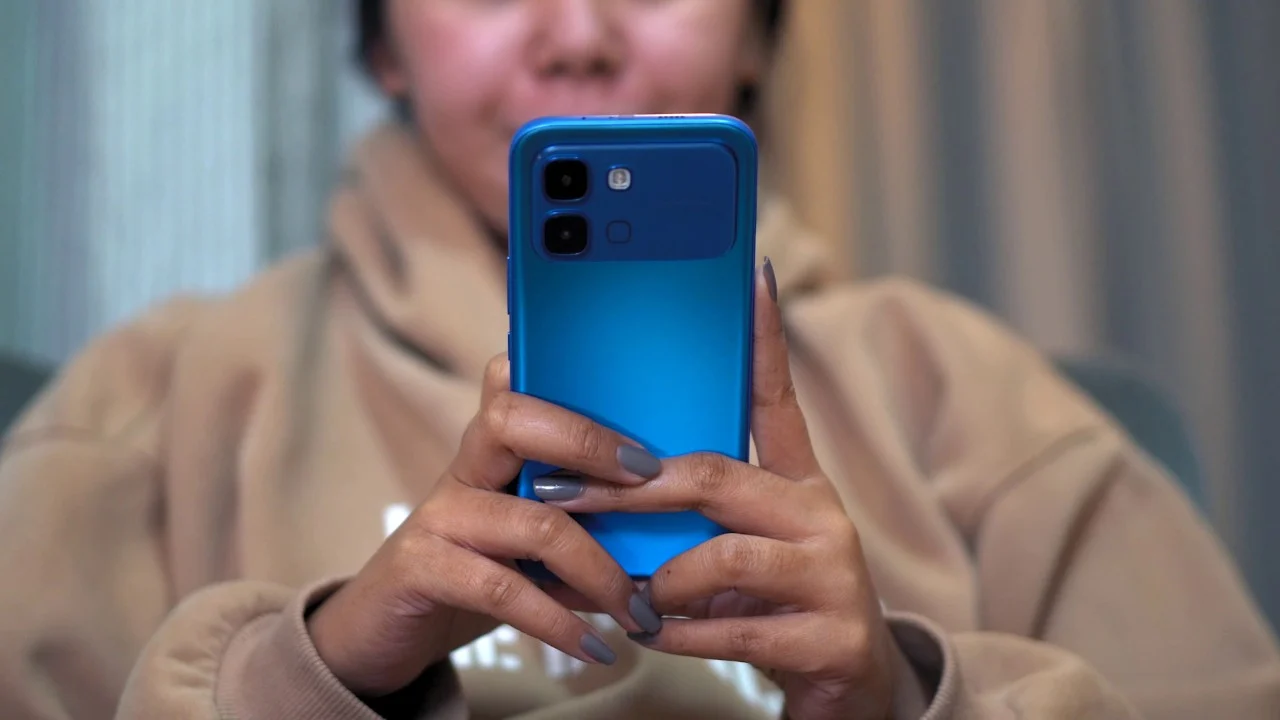
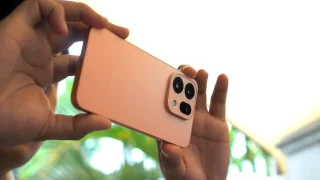
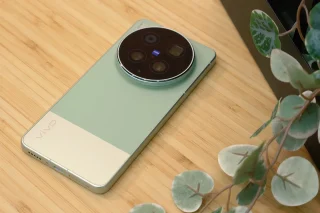
Our unit comes in a Blue colorway that’s rather loud and has a matte, gradient-like finish, with color tones that shift depending on how the light hits it. It has this large, color-matched camera island at the top part, housing its camera system.
Don’t be fooled though. It may look like it has two cameras, but it’s actually just one. Despite the fact, the design is pretty much consistent in my opinion, with its chamfered edges matching beautifully down to the camera lenses.
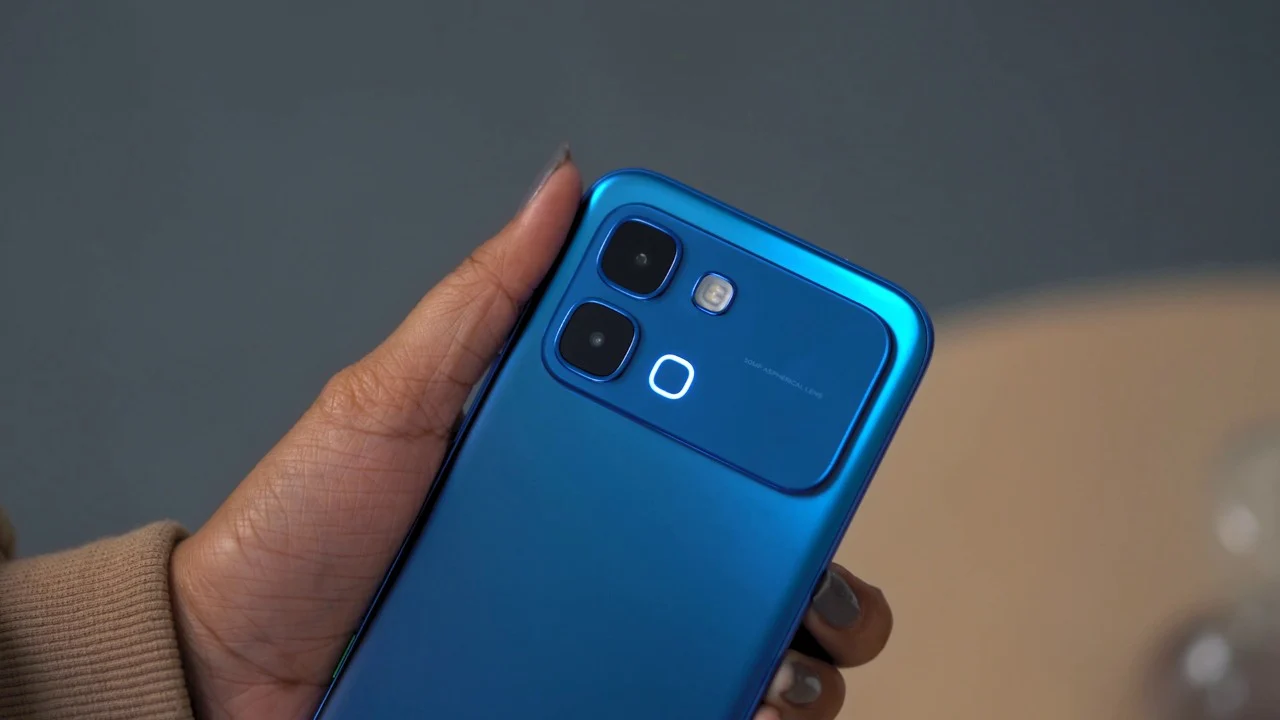
And notice the square thing below the LED flash? It’s the so-called Active Halo Lighting that lights up to different activities like music playback, charging indicator, and launching AI assistant among others. As someone who often leaves their phone face down on the table, I find it best suited for notifications.
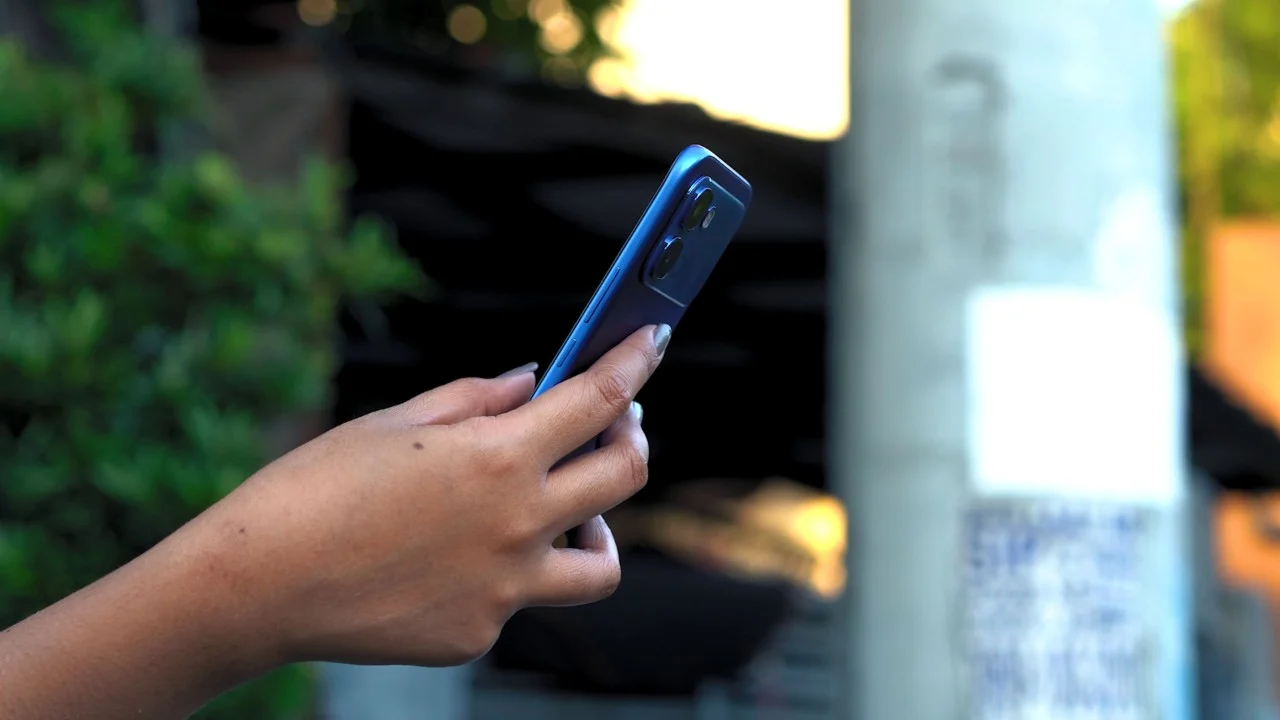
Now, in terms of build quality, the phone features an all-plastic build with subtle curved edges all around. The “Edge” naming scheme here is a bit odd, considering its frame goes for 7.2 mm, but it’s still a slim profile regardless.
Moving on to the I/Os, facing the screen, you’ll find the speaker grill with “Sound by JBL” branding at the top, alongside a microphone and an IR blaster. There’s nothing on the left side, while the right side houses the power and volume buttons, as well as the green-accented “One Tap” button— more on that in a bit. At the bottom are the second loudspeaker, another microphone, the USB-C port, and the dual nano-SIM card slot.
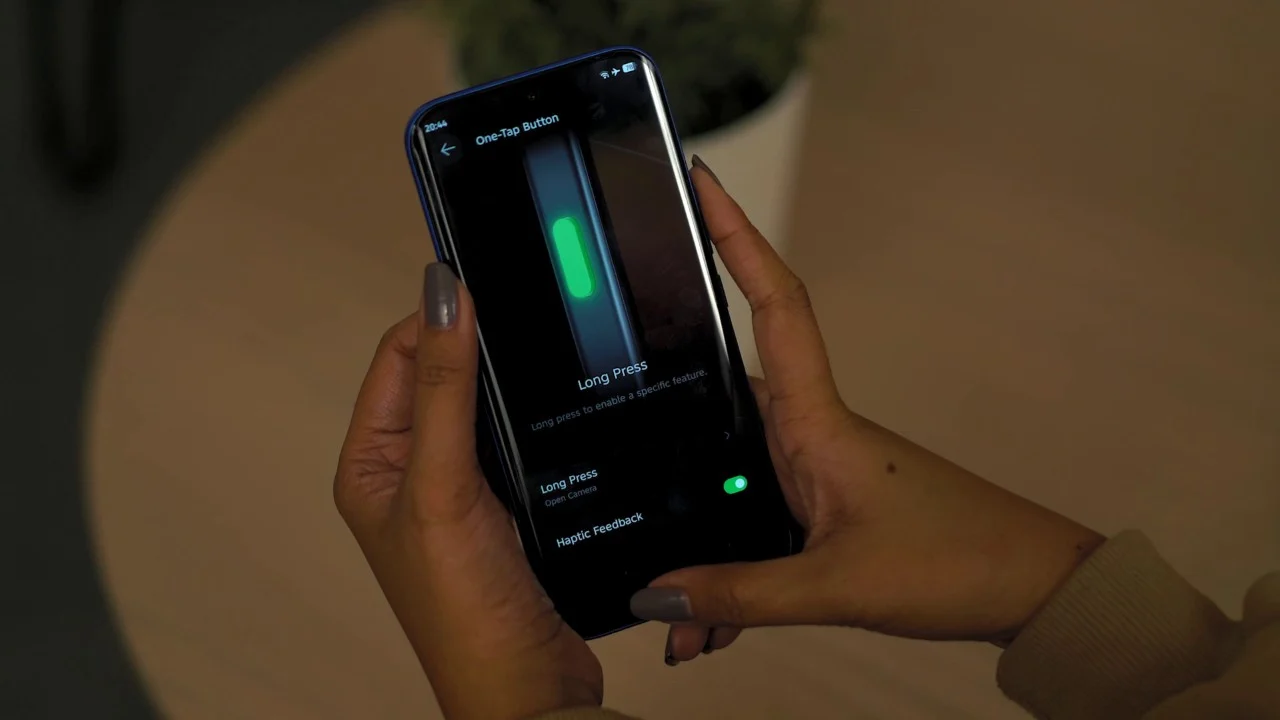
Going back to the One Tap button, a single press does nothing, while a long press launches the Camera app by default. That means, it also acts as a shutter button, but we do have an option to map it to different functions like launching AI Assistant, writing a quick note, and so on.
For extra peace of mind, the phone has an IP65 rating, giving it protection against dust and water jets. It also comes with a pre-installed screen protector film out of the box.
Display, Multimedia, and Biometrics
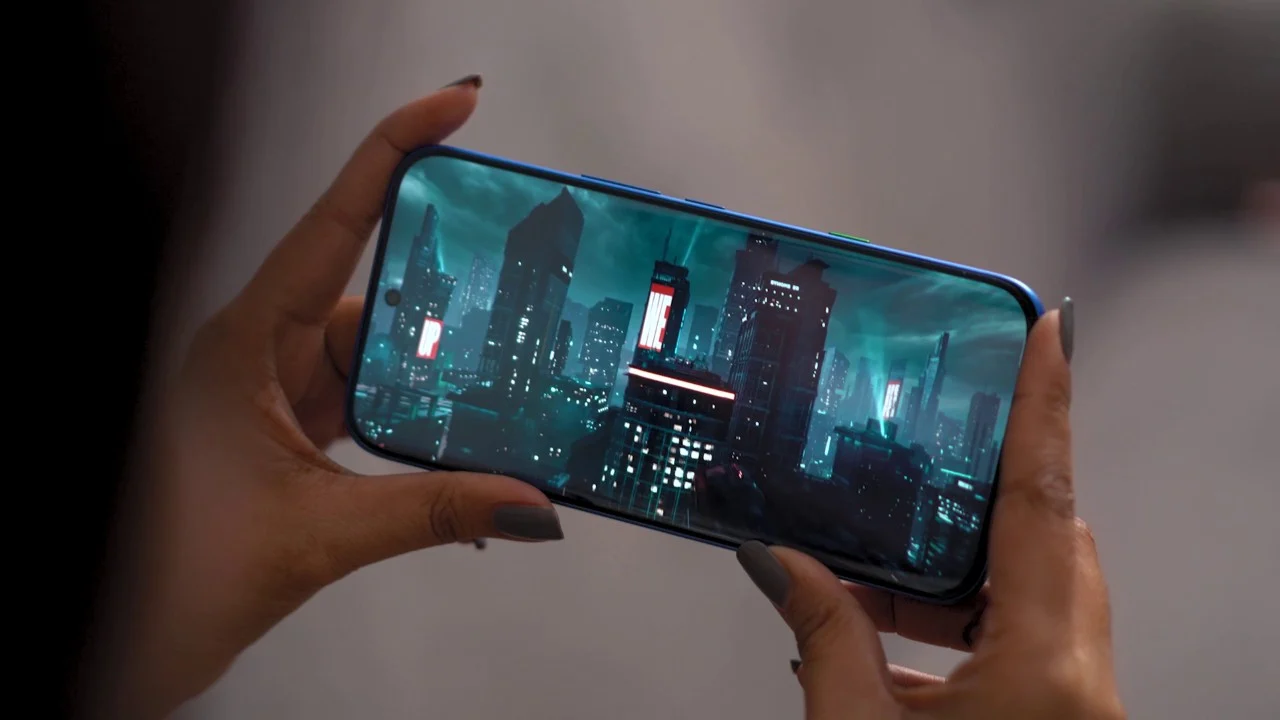
Flipping over to front, we are greeted by a 6.78-inch 1.5K AMOLED display and just like from the rear, it has a curved-edge design, too. This makes the bezels look so thin that it actually is, measuring 1.87 mm, and it seems to be uniform on all sides.

It runs up to 120Hz refresh rate and has a peak brightness of 4500 nits. The colors look nice and vibrant with sharp details, and deep blacks.
Notably, it has 10-bit color and HDR10+ support, letting the display show those smoother gradients and more precise colors in HDR videos and photos. Checking out its DRM settings, the phone is Widevine L1 certified for HD viewing on Netflix.
However, the listening experience is quite underwhelming. The “Sound by JBL” tuning doesn’t really improve the audio quality. It can get loud, with clear highs and decent mids, but it mostly lacks bass.
You still get some level of immersion thanks to its dual stereo setup, but that’s about it.
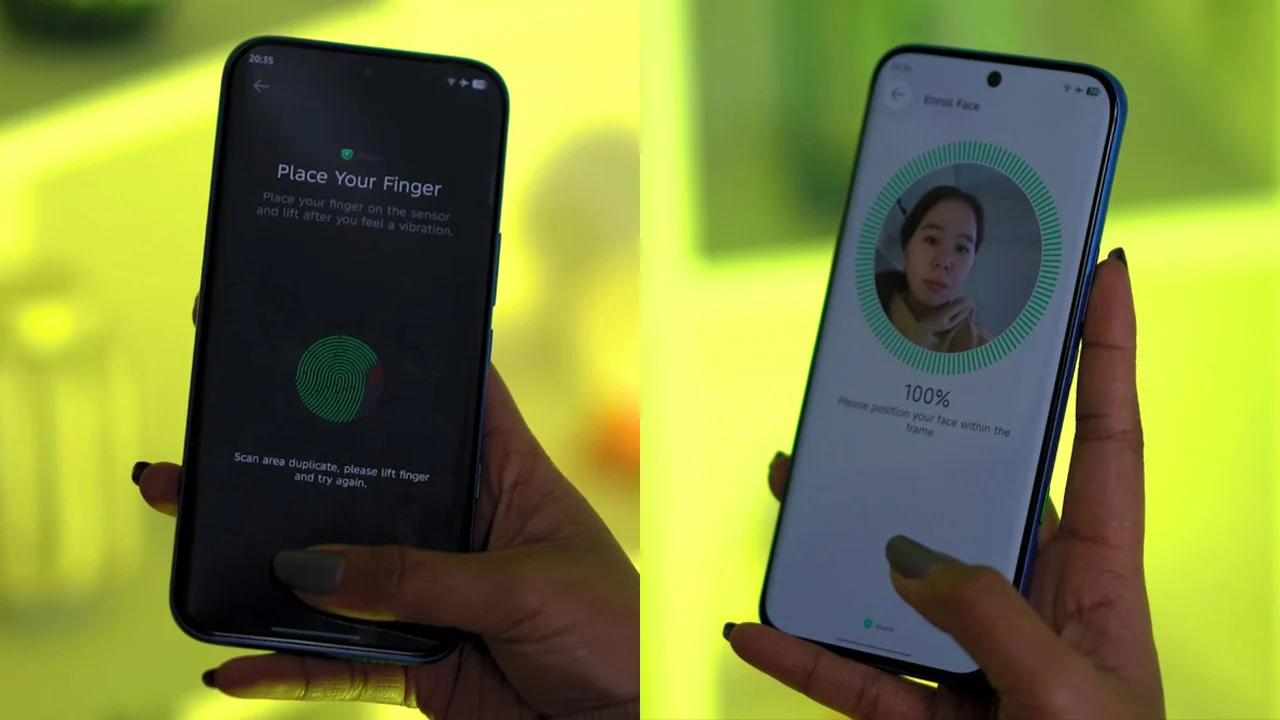
As for biometric security, it features the usual under-display fingerprint sensor, that’s optical, and face recognition. Unlocking the phone using the fingerprint sensor is decently fast, but it can get sluggish sometimes mainly because there’s a bit of animation delay.
Cameras
Now, let’s talk about the camera performance.
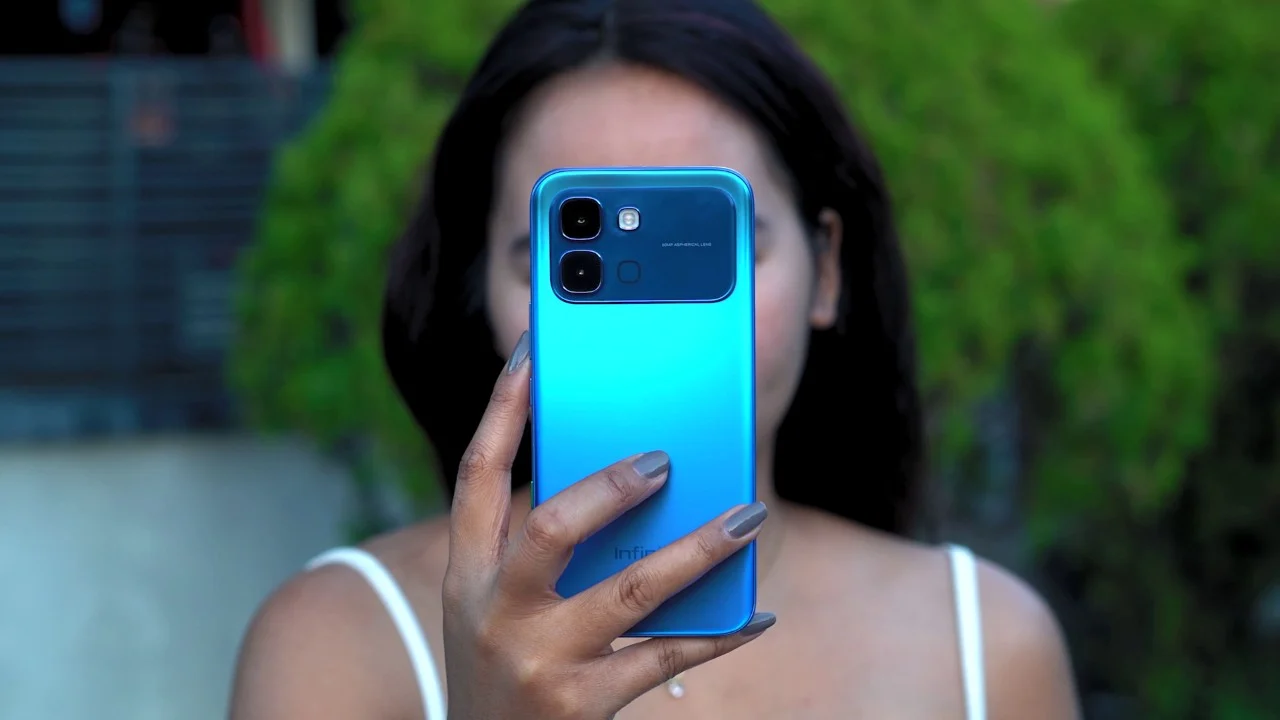
Like mentioned earlier, the NOTE Edge features a single 50-megapixel camera sensor at the rear. Infinix didn’t bother to specify what the other “lens” does here— we can only assume it’s an auxiliary “AI lens.” At the front, it has a 13-megapixel selfie shooter housed in a punch hole notch.
Taking a look at our sample shots, the image quality in general is surprisingly good as long as you don’t pixel peep since noise becomes more noticeable zooming in. Speaking of, the zoom levels range from 1x, 2x, and up to 15x digital zoom, but at that point, the sharpness drops drastically. That’s fine since this doesn’t have a telephoto sensor to begin with.
Infinix NOTE Edge sample shots
Jan 27 – 28


It seems a bit heavy on AI processing as it tries to enhance every image as much as possible, and there’s no way to turn that off by the way.
I also noticed that image processing takes a while; I often had to wait about three seconds or so before the phone could fully process the photos. Still, it does a good job of preserving natural color reproduction and bringing out nice details and dynamic range.
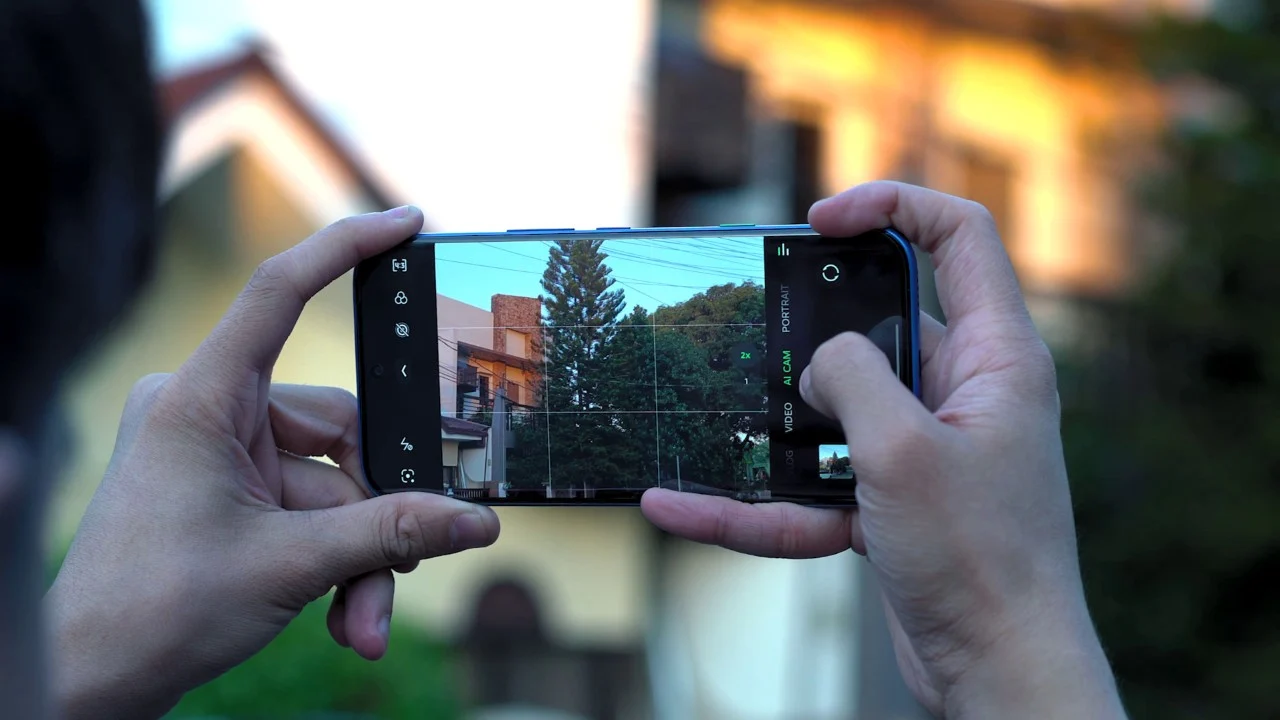
Not to mention, there is now a Live Photo mode, so that’s a nice addition.
Portraits have serviceable background and subject separation, while selfies are alright with acceptable skin tones and facial texture.
As for video, the phone can shoot up to 2K at 30 fps for both the rear and front cameras. There’s no optical stabilization, although there’s this AI Steady mode that adds some electronic stabilization. However, it caps out the resolution to 1080p at 30 fps.
Video quality is quite nice but expect shaky footage if you want to shoot at 2K resolution. Colors look natural, but the dynamic range is a bit limited, often blowing out highlights.
Performance and Benchmarks
Moving on to performance, the Infinix NOTE Edge is powered by the new MediaTek Dimensity 7100 5G. It’s a 6-nanometer chip with an octa-core CPU clocked at up to 2.4GHz.
Our unit comes with 8GB of LPDDR5X RAM and 256GB of UFS 2.2 storage— no microSD card support here though.
Looking at our benchmark results, the phone posted decent numbers, scoring over 664,191 points on AnTuTu version 10. Meanwhile, on 3DMark Wild Life, it got an average frame rate of about 15 fps, which shows its overall graphical performance.
| Benchmark | Infinix NOTE Edge |
|---|---|
| Chipset | MediaTek Dimensity 7100 5G |
| AnTuTu V10.5.2 | 664,191 |
| AnTuTu Storage | 76,320 |
| S.Read Speed | 539.7 MB/s |
| S.Write Speed | 838.3 MB/s |
| 3DMark Wild Life | 2,520 | Avg. FPS: 15.09 |
| Geekbench 6 CPU Single-Core | 984 |
| Geekbench 6 CPU Multi-Core | 2,877 |
| Geekbench 6 GPU OpenCL | 2,406 |
| Geekbench 6 GPU Vulkan | 2,406 |
| PCMark Work 3.0 performance | 10,733 |
| PCMark Work 3.0 battery life | 10 hrs & 55 mins |
In real-world use, app loading times can be a bit slow, and navigating around isn’t as smooth as I expected. For now, I’m choosing to be optimistic and say this may be due to the relatively new chipset, which could still improve with future software optimizations.
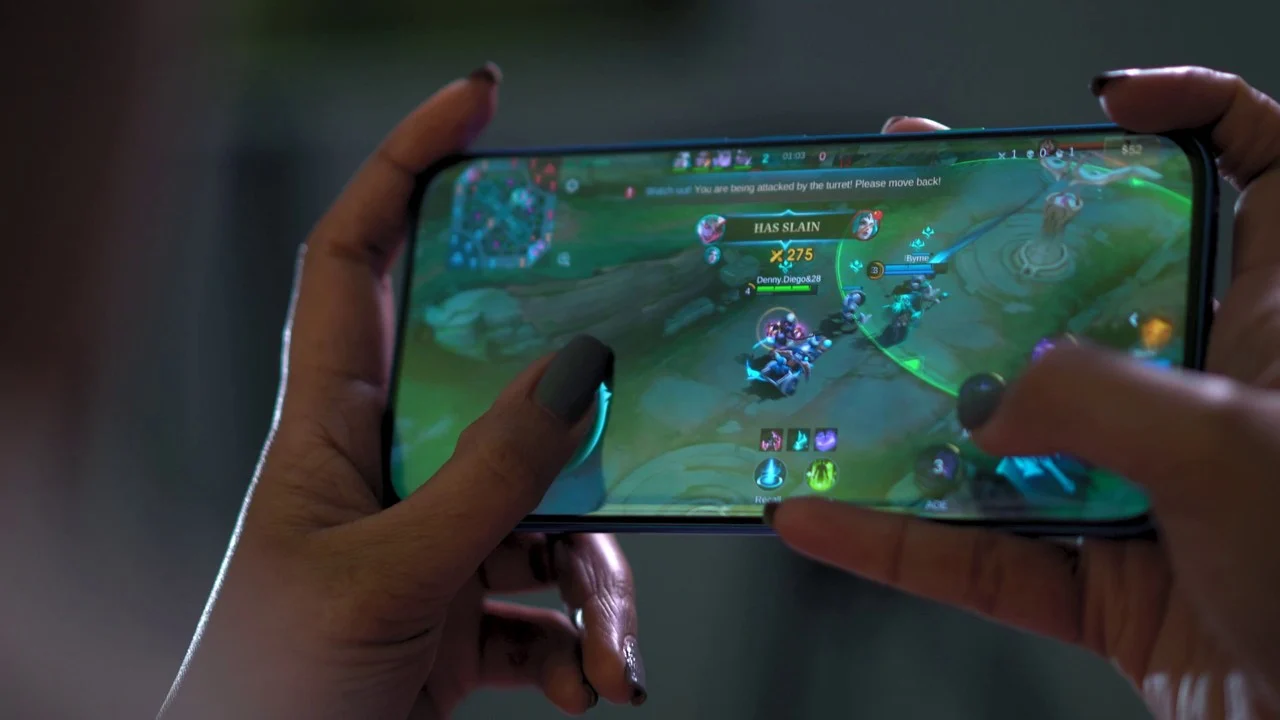
This thing is not designed for gaming though. While it can play light games like Mobile Legends at up to 90 FPS, it struggles to run demanding ones like Genshin Impact. It also gets warm after a few minutes of gameplay, but not to an alarming amount. So, there’s that.
OS, UI, and Apps
On the software side, the NOTE Edge ships with XOS 16 based on Android 16, and oh boy- the design inspiration is even more obvious here. But that doesn’t mean I’m complaining; if anything, I’m actually more impressed.
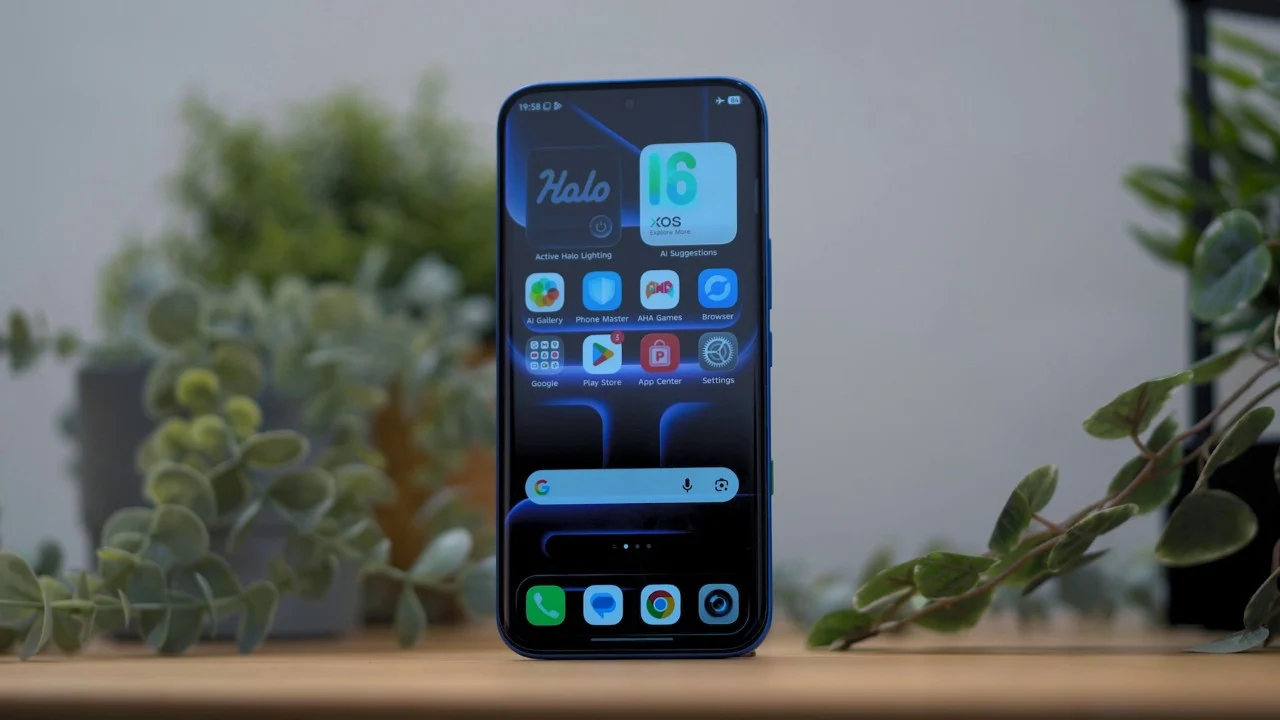
From the lock screen and wallpapers to the control center and app icons, everything feels inspired by iOS 26.
You can see a combination of depth, shadows, gradients, and glass-like design in certain places. It even adopts some navigational UI elements, evident in the back button and navigation icons at the top and bottom of the screen. And to complete the iOS-like experience, of course, there’s the Dynamic Bar to boot.
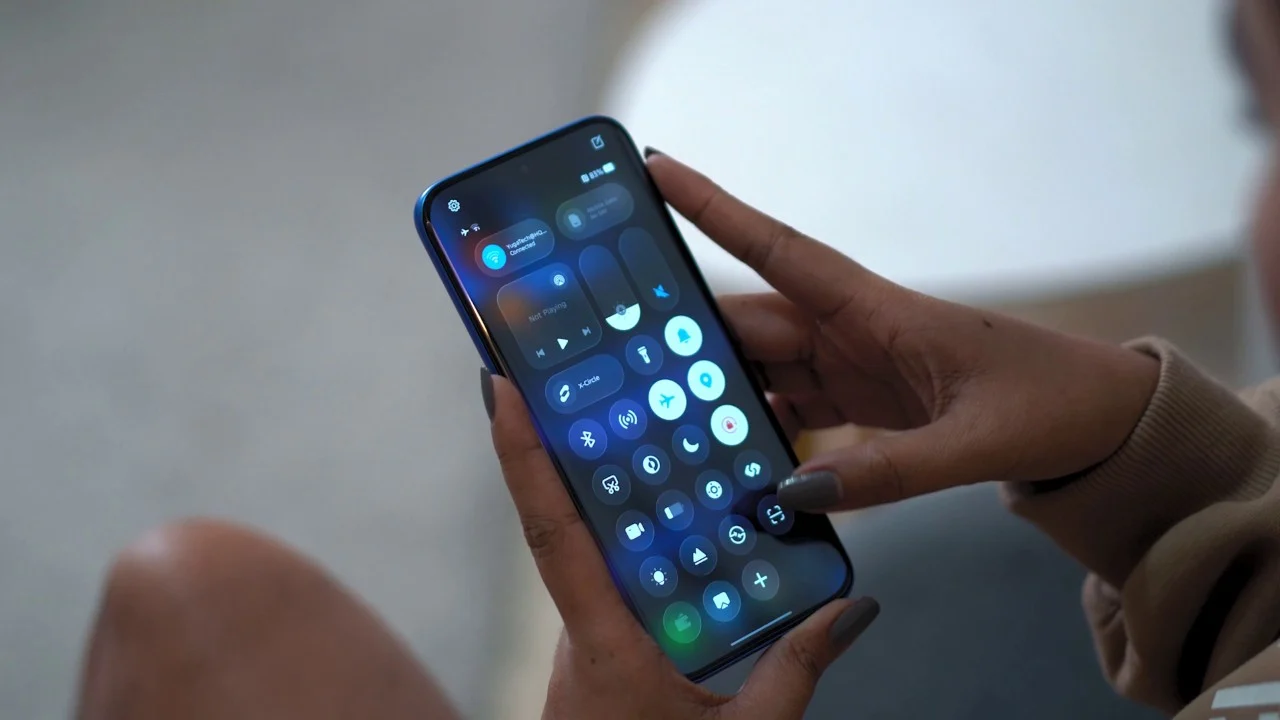
I honestly appreciate the consistency in design here. You’ll see that this specific design language is implemented across the board, including first-party apps like the Dialer, File Manager, Gallery, and the Notes app among others.
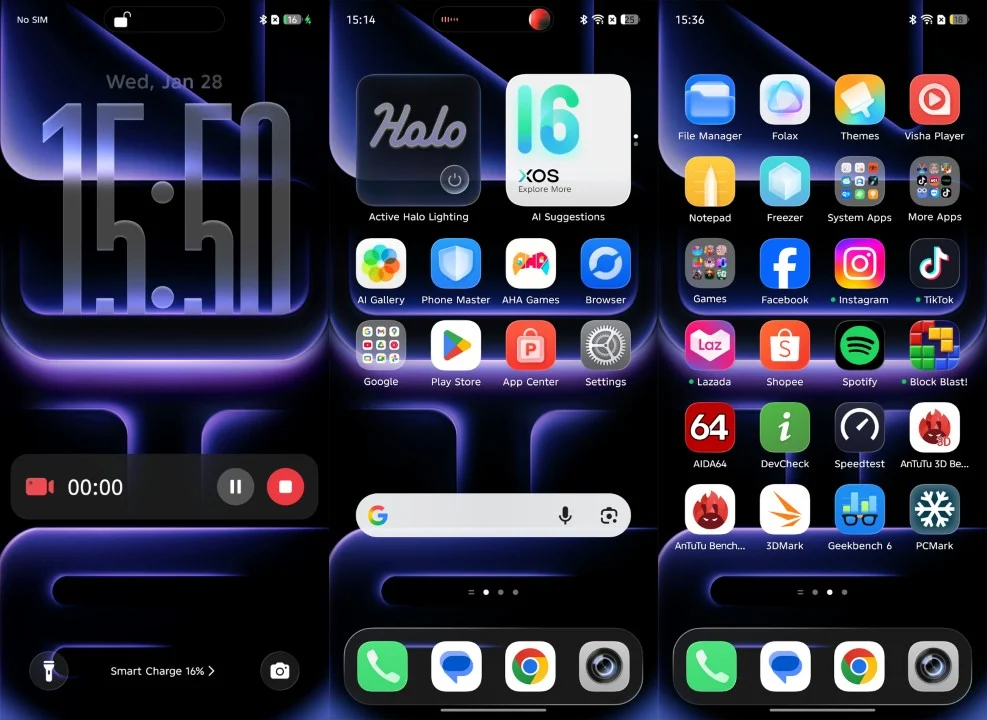
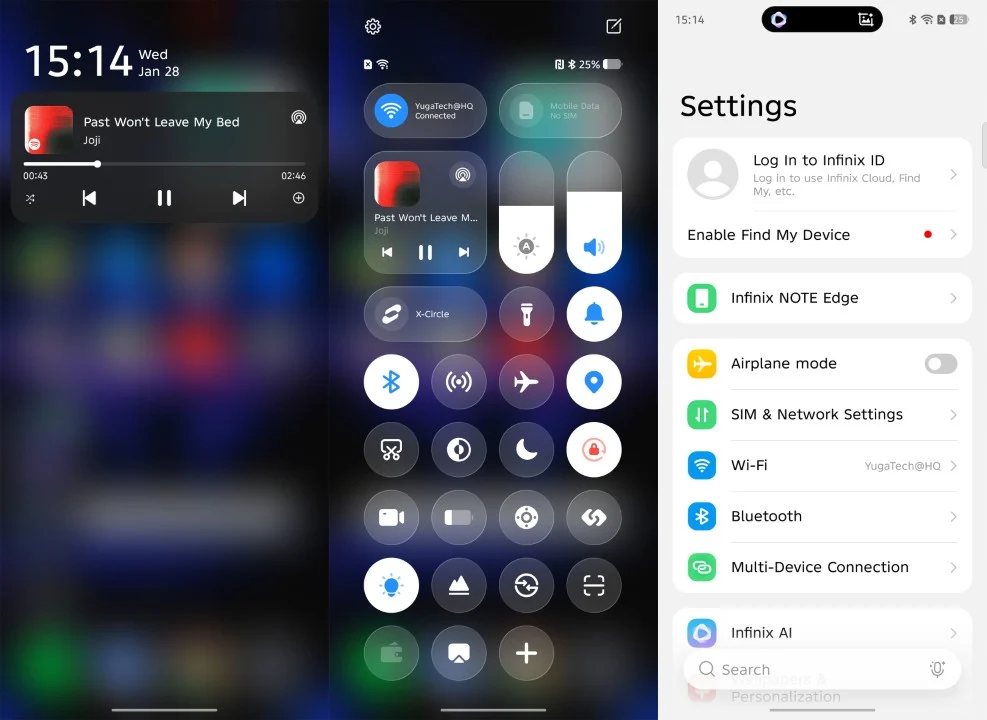
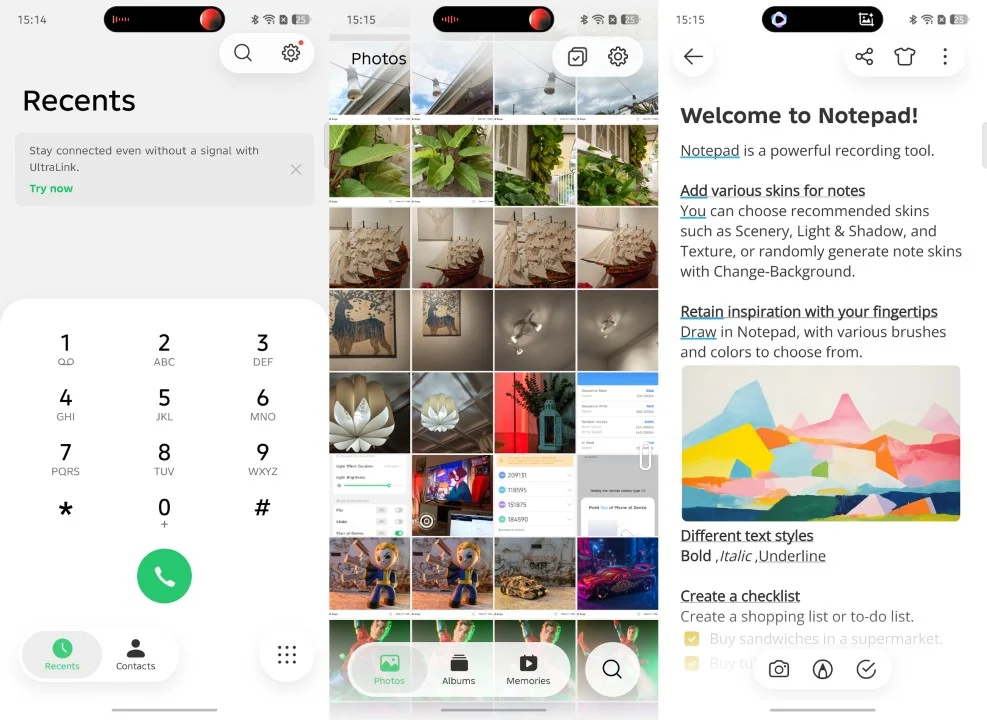
However, the look and feel of “Liquid Glass” aren’t fully implemented here, which is understandable given that it’s not running the fastest chipset. Also, there’s some bloatware, for sure, but it can be easily disabled in the launcher settings.
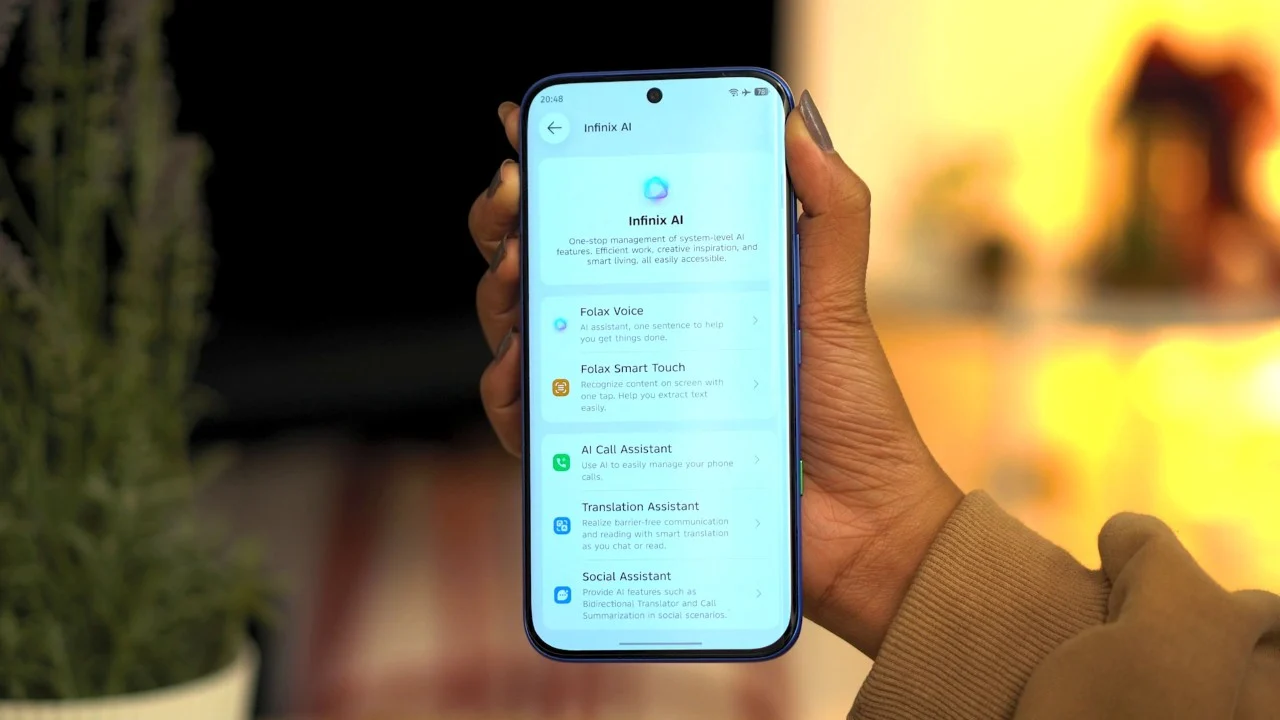
It comes with a suite of AI tools, aptly named “Infinix AI,” accessible in system apps like the Gallery, Notes, summaries for voice recordings, and more. There’s the usual Circle to Search feature but the AI voice chat is default to Infinix’s own Folax assistant.
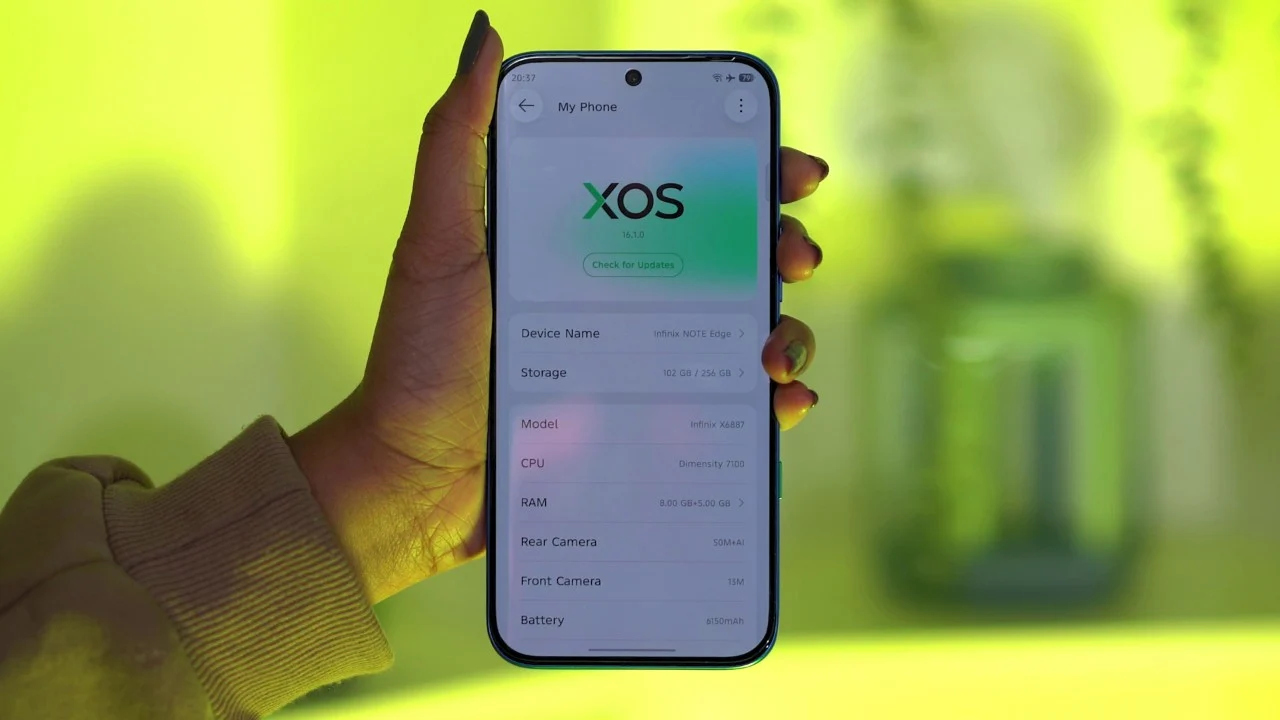
Another thing to give Infinix credit for is its extended software support for the NOTE Edge, now promising up to three years of major OS upgrades and five years of security patches. So that’s, indeed, a welcome improvement.
Connectivity and Battery Life
Battery-wise, the phone packs a large 6500mAh battery paired with 45W of wired charging. As good as that sounds on paper, the large capacity doesn’t really translate to longer battery life in this case.
In our PCMark Work 3.0 battery test, the NOTE Edge lasted 10 hours and 55 minutes, which is a bit underwhelming for a battery this size.
On the plus side, charging is fairly quick. The bundled 45W charger can take the phone from zero to 100% in just about an hour. And the phone can even double as a power bank as it supports 10W of reverse wired charging.
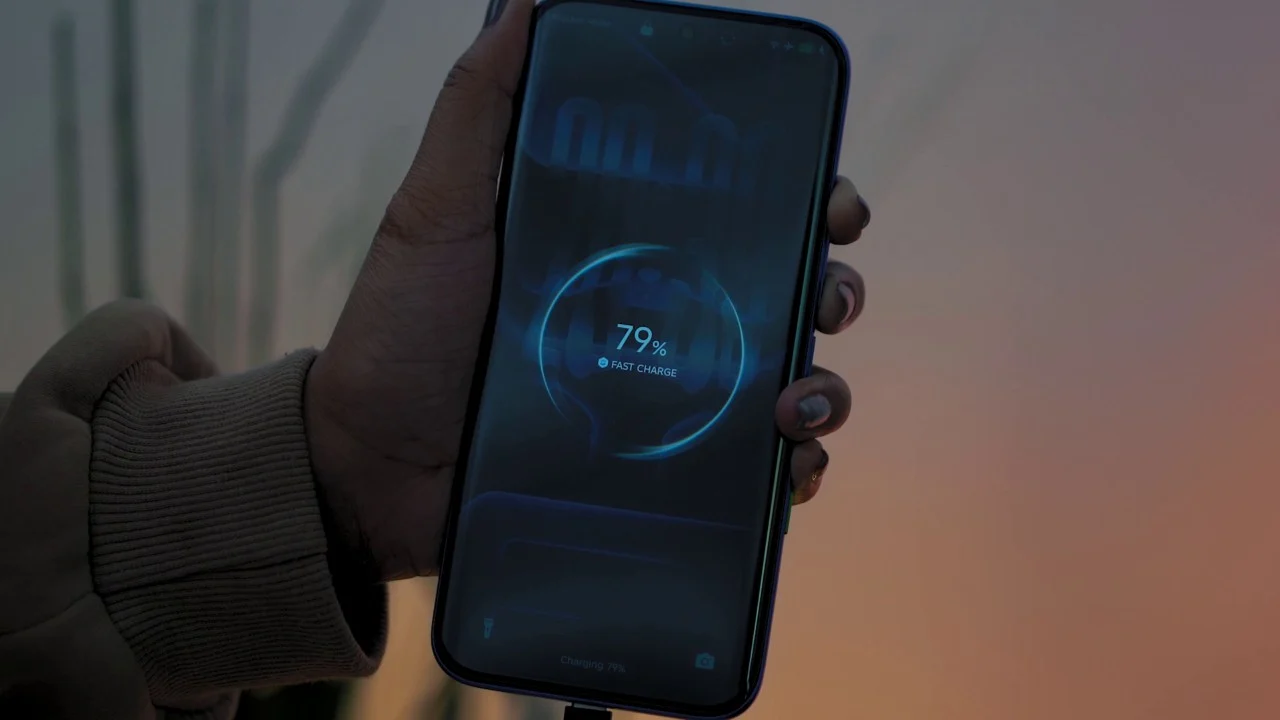
No wireless charging here, but it does support bypass charging, so the phone can draw power straight from the charger during heavy use.
Connectivity-wise, the phone covers all the essentials here: 5G, NFC, FM radio, IR blaster, and surprisingly, even eSIM support, which is a nice bonus to have.
I also want to highlight the phone’s signal performance. The NOTE Edge features UPS 3.0 AI Super Signal Technology, which Infinix says keeps 5G connections stable, even in areas with weak coverage.
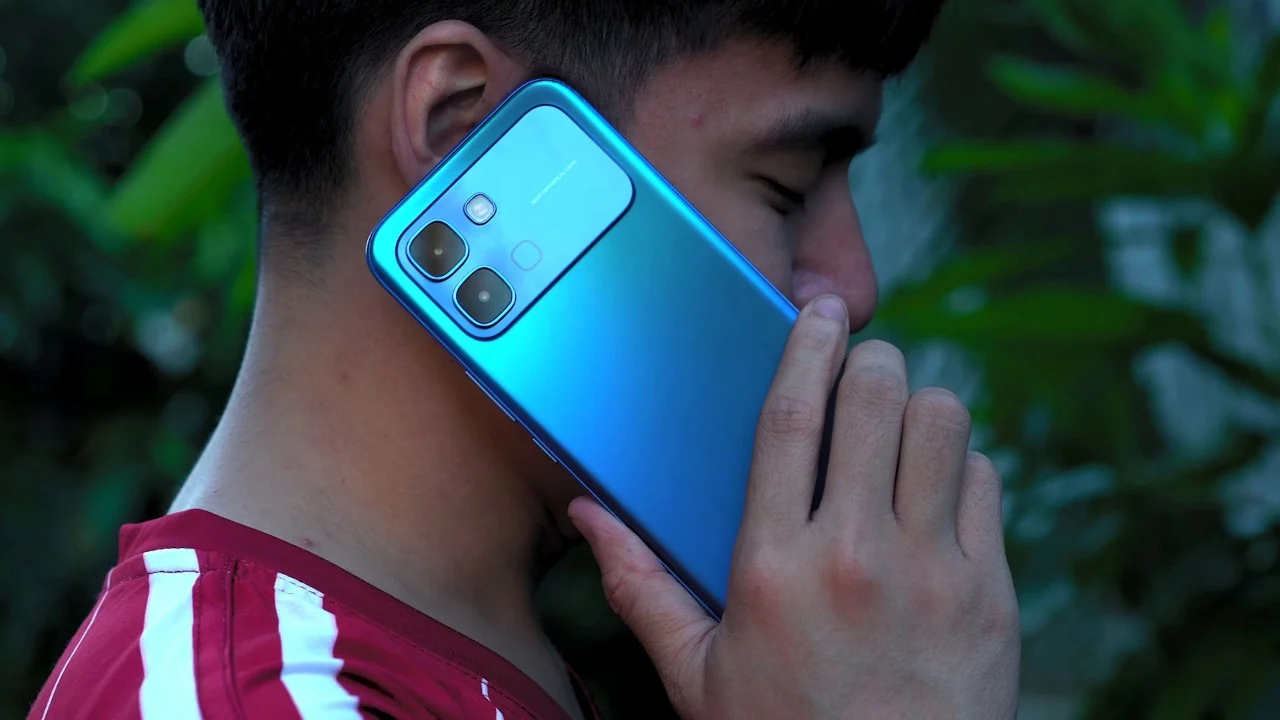
They’re not kidding here. I tested it in a spot where my personal phone couldn’t get a stable 4G signal, let alone 5G. On the NOTE Edge, the connection stayed reliable, which is a real plus if you’re always on the go.
Pricing
Before we move on to our verdict, let’s talk about the expected pricing.
The pricing info for the NOTE Edge hasn’t been announced yet, but judging by its specs and features, it looks to be positioned in the midrange segment. So, I’d expect it to land somewhere around Php12,000 to Php15,000 for the 8GB + 256GB variant here in the Philippines.
But once the pricing is out, we’ll update this article, so stay tuned!
Verdict
So, does the Infinix NOTE Edge really give you the edge? It’s a bit of a mixed bag.
On the plus side, it has a decent audio-visual experience, a 5G signal performance that actually works better than my daily driver, decent cameras, and more importantly, it gets longer software support.
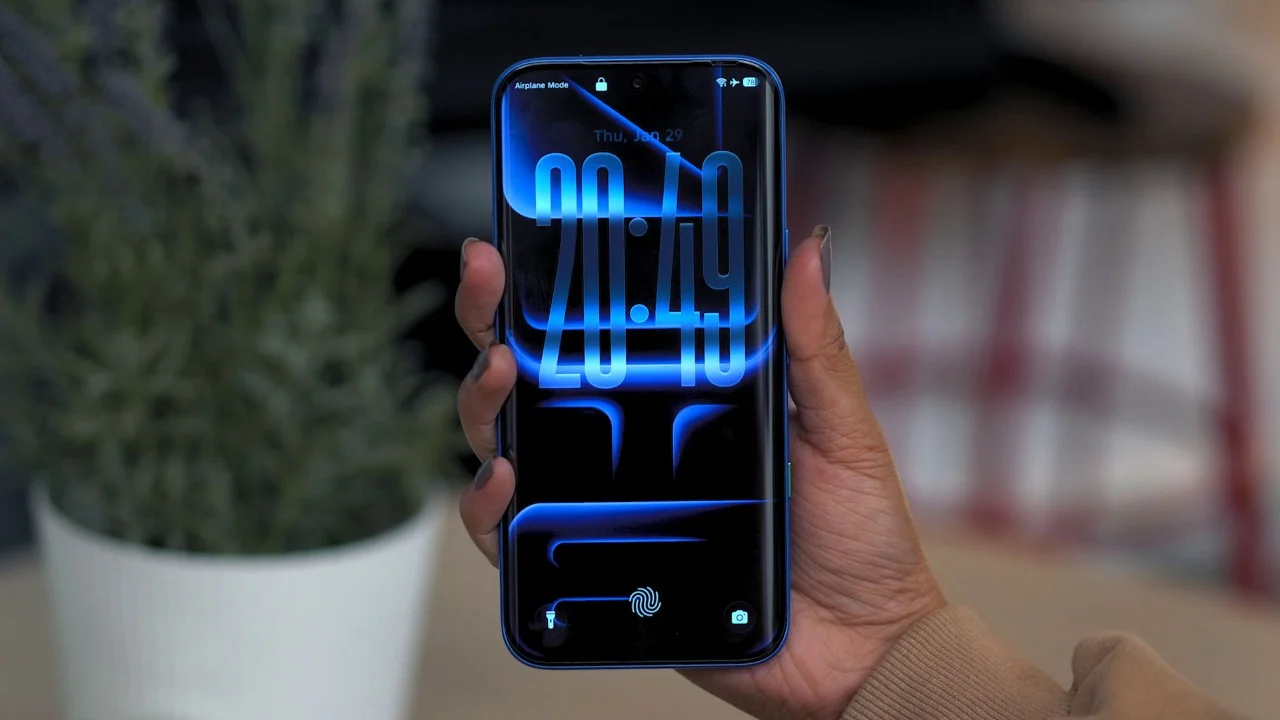
Its new UI design stands out, and the iOS-inspired visuals are quite nice. Some might say it shows lack of originality, but for me, it’s honestly impressive at how well done they have recreated the iOS 26 look for a midrange device.
On the downside, its battery life didn’t meet our expectations despite the large battery, apps can feel a bit slow at times, and gaming performance is limited.
If the price is right, the Infinix NOTE Edge could easily be one of the best options out there in terms of overalls, or it could be an entirely forgettable one, as it’s mainly held back by its performance.
For the most part, it impresses with good-looking software, everyday connectivity, and arguably, a nice appearance rather than raw power. If you’re someone who just wants to daily drive a phone that just works, then the Infinix NOTE Edge is worth checking out.
What we liked:
- Longer software support
- More stable 5G connectivity
- XOS 16 with its iOS 26-inspired look (albeit needs more optimization)
- Decent camera performance
What we didn’t like:
- Underwhelming battery life despite large 6500mAh capacity
- Audio quality lacks punch despite JBL tuning
Infinix NOTE Edge specs:
6.78-inch 1.5K Curved AMOLED
1208 x 2644 pixels, 120Hz refresh rate
1600 nits (HBM), 4500 nits (peak) brightness
Corning Gorilla Glass 7i
MediaTek Dimensity 7100 5G
6nm, octa-core, up to 2.4GHz
8GB LPDDR5X RAM
128GB, 256GB UFS 2.2 storage
– 50MP f/1.8 main
– (Unspecified secondary lens)
13MP f/2.2 selfie shooter (hole punch notch)
Dual nano-SIM
5.5G, 4.5G LTE
Wi-Fi
Bluetooth 5.4
GPS
USB Type-C (USB OTG)
FM radio
NFC
Under-display fingerprint sensor (optical), face unlock
IP65 dust and water (jets) resistance
Dual stereo speakers (sound by JBL), IR blaster, AI button
XOS 16.1.0 (Android 16)
3 years OS updates + 5 years security patches
6500mAh battery
45W charging (wired), 10W reverse wired charging
163.1 x 77.4 x 7.2 mm (dimensions)
185g (weight)
Black, Gray, Blue, Green (colorways)


0 Comments
Leave a Reply