

In recent events, Kodak gets a thumb’s up from the US court to sell their over 1,100 patents. The American imaging company is banking on the proceeds from this sell-out to evade the company’s imminent demise and continue to operate in a much smaller scale.
In case you’ve not been updated about this topic, here’s a rundown of the events that took place that led to the company’s slow and agonizing downfall.
Eastman Kodak or more popularly known as Kodak has been struggling to compete against imaging young bloods for the past decade. The first to threaten their solid foothold on their motherland is unexpectedly a foreign brand. Fujifilm (Fuji Photo Film U.S.A), an imaging company originated from the land of the rising sun was the first who dared to challenge the once imaging giant.

They brought with them their aggressive marketing strategies and cheaper priced products which according to Kodak is inferior to theirs. From a measly 10% market share in the early 90’s, Fujifilm’s share almost doubled in just half a decade later. This proved to be crucial blow to Kodak and marks the start of their demise.
Another major blow to the American company is their failure to anticipate the boom of the digital cameras, which they ironically pioneered back in 1975. The company did not make a strong follow through on this invention which would have solidified their mark on the digital imaging industry. Instead they remained loyal on their photographic film lineup, a decision that had cost the company dearly.
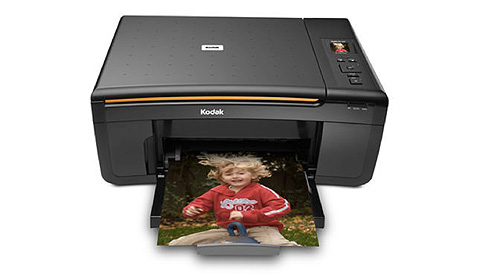
Finally after former CEO George M.C Fisher stepped down as the head of the company and replaced by Daniel A. Carp, the company slowly transitioned to digital printing. In his term, the company made steady progress or at least not falling behind even further. When they unveiled their low budget digicam lineup and the first printer with dock, it sold like hot cakes and for the first time in a long time, Kodak was well on its way to reclaim the top spot in the imaging industry in the U.S.
But their success was short-lived as Asian manufacturers have also entered the American market with their more innovative and cheaper digital cameras. Kodak didn’t stand a chance against their competitors in terms of pricing as these Asian manufacturers have a cheaper man-power and source of materials as compared to theirs. Another problem that the company is faced with was the growing popularity of phones that have built-in camera.
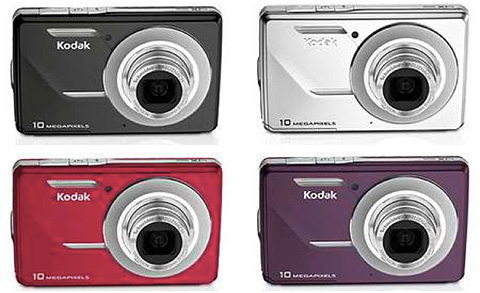
Despite their success with their digital cameras, their market share is still declining and it’s only on 2007 that the imaging company made a profit after almost a decade long slump. But that one year profit isn’t enough to sustain the weakening company, which is very evident on their recent decision.
Earlier this year, Kodak filed for Chapter 11 bankruptcy protection which has deadline of February 13 2013. The company was provided with $950 million credit to structure the crumbling company. Along with this filing, Kodak also asked the court to grant them privilege to auction over a thousand digital imaging patents to hopefully aid them in their restructuring. This was opposed by Apple along with other tech giants who are concerned that their right over the patents may be in serious threat.
But, in spite of the oppositions, the court granted Kodak to sell their patents which will kick-off early this month. In relation to this, the company also announced that they will be abandoning their digital camera ventures and will focus their attentions and resources to Printing business.
In our opinion, the biggest factor in Kodak’s demise is their inability to react to changes to the market and technology in a timely manner. In this fast-paced world that we live in, it’s mandatory for companies to be always a step ahead of the competition, and Kodak has clearly lost their touch on that area on the latter part of their endeavor. It’s very unfortunate to witness a well-established, pioneering company to fall victim to the ever changing world just because of its leaders’ incompetence to steer the company in the right path and make the right call at crucial times.
Kodak played a crucial part on how we cherish our memories through photographs. From the first pocket camera in 1895 which ultimately paved the way for digital cameras that we know and endear today to the invention of the first megapixel sensor which is eventually integrated in to our phones and tablets, we definitely owe the company and their scientists a lot. It’s saddening to see them go away like this.
{source}







Susunod ang Nokia dyan.