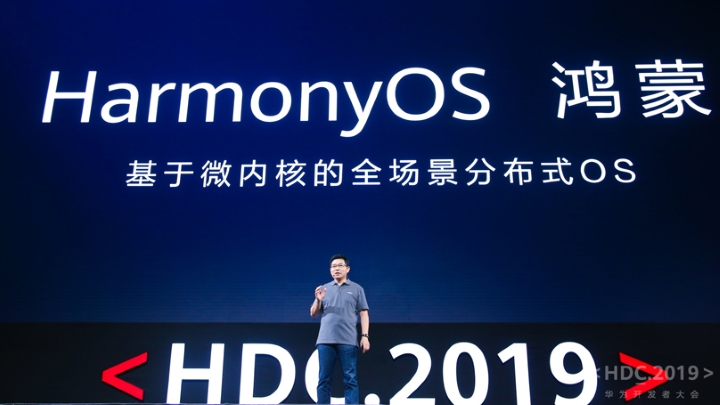

Huawei recently launched their new operating system called the HarmonyOS, also known as HongmengOS in China. But why did Huawei build HarmonyOS in the first place? HarmonyOS or Hongmeng OS is an open-source, microkernel-based, distributed OS that can be used in different platforms. The microkernel-based HarmonyOS offers features that will benefit end-users as well as developers. And since apps built on HarmonyOS can run on different devices, the resulting experience will be seamless and more collaborative across all scenarios. In addition, HarmonyOS's microkernel design also uses Trusted Execution Environment (TEE), a secure area of the main processor and uses much less code than a standard Linux kernel, greatly reducing the probability of an attack. Fourth, HarmonyOS can automatically adapt to different screen layout controls and interactions. HarmonyOS has been in development for the last two years and was initially designed to work on smart devices and the Internet of things (IoT). Read more in our articles including "Why we won't see HarmonyOS in smartphones anytime soon" and "Mariott International hacked, 500 Million guest data compromised".
Huawei recently launched their new operating system called the HarmonyOS, also known as HongmengOS in…
Aug 11, 2019
The Marriott International’s database has suffered a massive data breach, which compromised up to 500…
Dec 1, 2018
Globe is gearing their network to support Internet of Things (IoT) services. By doing this…
Feb 21, 2018
Google has announced new updates to Chrome Autofill. With this feature, it brings support for…
Jun 24, 2026
xAI has officially brought its AI assistant directly into Microsoft’s word-processing platform, launching Grok for…
Jun 20, 2026
Adobe announces a wave of new features for its Creative Cloud suite, including updates to…
Jun 16, 2026Huawei recently launched their new operating system called the HarmonyOS, also known as HongmengOS in China. But why did Huawei build HarmonyOS in the first place?
HarmonyOS or Hongmeng OS is an open-source, microkernel-based, distributed OS that can be used in different platforms. The microkernel-based HarmonyOS offers features that will benefit end-users as well as developers. And since apps built on HarmonyOS can run on different devices, the resulting experience will be seamless and more collaborative across all scenarios.
Our coverage of harmony os iot includes: "Why we won't see HarmonyOS in smartphones anytime soon"; "Mariott International hacked, 500 Million guest data compromised"; "Globe prepares network for IoT services with 700MHz band". Each article provides unique insights and information.