

The United States has approved the export of Nvidia’s H200 AI processors to China, but with a steep 25% fee. President Donald Trump announced Truth Social, adding that AMD and Intel will also follow the same arrangement. The move is seen as a middle ground, allowing U.S. chipmakers to keep their global advantage while still protecting national security.
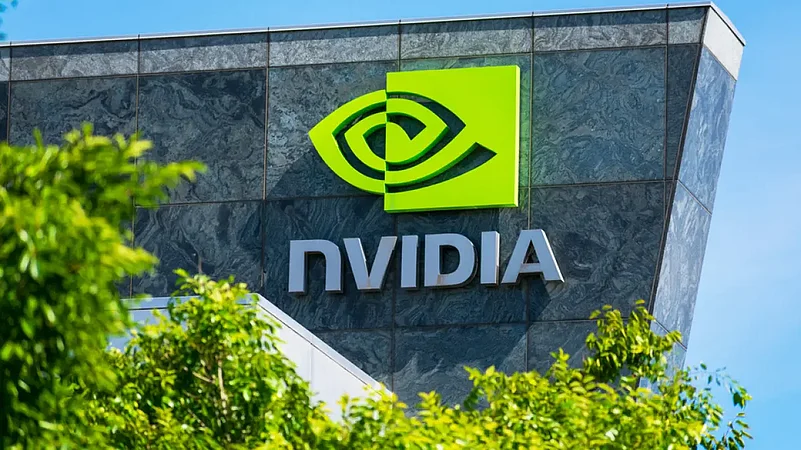
Nvidia welcomed the decision, calling it a balanced approach, but critics in Washington warned that it could boost China’s military and surveillance capabilities. The H200 is far more powerful than the downgraded H20 chips currently sold in China, though it still trails Nvidia’s latest Blackwell processors, which remain restricted. Only vetted commercial customers in China will be allowed to buy the H200, with the U.S. Commerce Department overseeing approvals.
Nvidia’s stock jumped 2% in after-hours trading after the announcement, showing investor confidence despite the risks. Analysts believe Beijing may ease its stance toward Nvidia following Trump’s talks with President Xi, but in the long run, China is expected to continue investing heavily in its own AI chips through companies like Huawei, Cambricon, and Moore Threads.
This development matters because global chip supply chains directly affect the pricing and availability of AI-powered devices in the Philippines. If China gains access to more advanced processors, we could see faster adoption of AI-driven smartphones, laptops, and cloud services in Asia. At the same time, the added 25% fee and ongoing U.S.-China tensions may keep prices volatile, which could trickle down to local markets. For now, the H200 deal highlights how geopolitics and technology are tightly linked—and why consumers here should keep an eye on these global shifts.
Moves like this remind us that what happens in Washington and Beijing doesn’t stay there it eventually shows up in the gadgets we buy here in the Philippines

0 Comments
Leave a Reply