

Google is extending its Android Automotive OS (AAOS) beyond infotainment systems, introducing a new platform aimed at powering the next generation of software-defined vehicles (SDVs). The new initiative, called Android Automotive OS SDV, transforms the platform into a deeper, system-level operating foundation that can run multiple vehicle functions, not just entertainment and navigation (Android Auto). Google has already partnered with Renault, which plans to use the platform in its upcoming Trafic e-Tech electric vehicle, set for production in late 2026. The company is also working with Qualcomm to scale deployment through Snapdragon-based automotive platforms. With this move, Google is positioning Android Automotive OS as a full-stack platform for connected vehicles, reflecting the industry’s shift toward software-driven car architectures. https://www.youtube.com/watch?v=9gaGrdAD7zw Subscribe to YugaTech 📝 Read Video Transcription▼ 0:00The number of automobile brands and car 0:02types have been increasing in the 0:03Philippines as we speak. [music] 2:43Even if portable battery pack technology 2:45has improved significantly in recent 2:47years, it's still susceptible to aging. 6:11And visit us on the website attech.com 6:13for the latest tech news and reviews. Read more in our articles including "Apple CarPlay Ultra set to expand to more car brands this year" and "Android Automotive OS now targets full vehicle control".
Apple’s next-generation in-car system, CarPlay Ultra, is expected to expand to more vehicle brands in…
Apr 12, 2026
Google is extending its Android Automotive OS (AAOS) beyond infotainment systems, introducing a new platform…
Mar 30, 2026
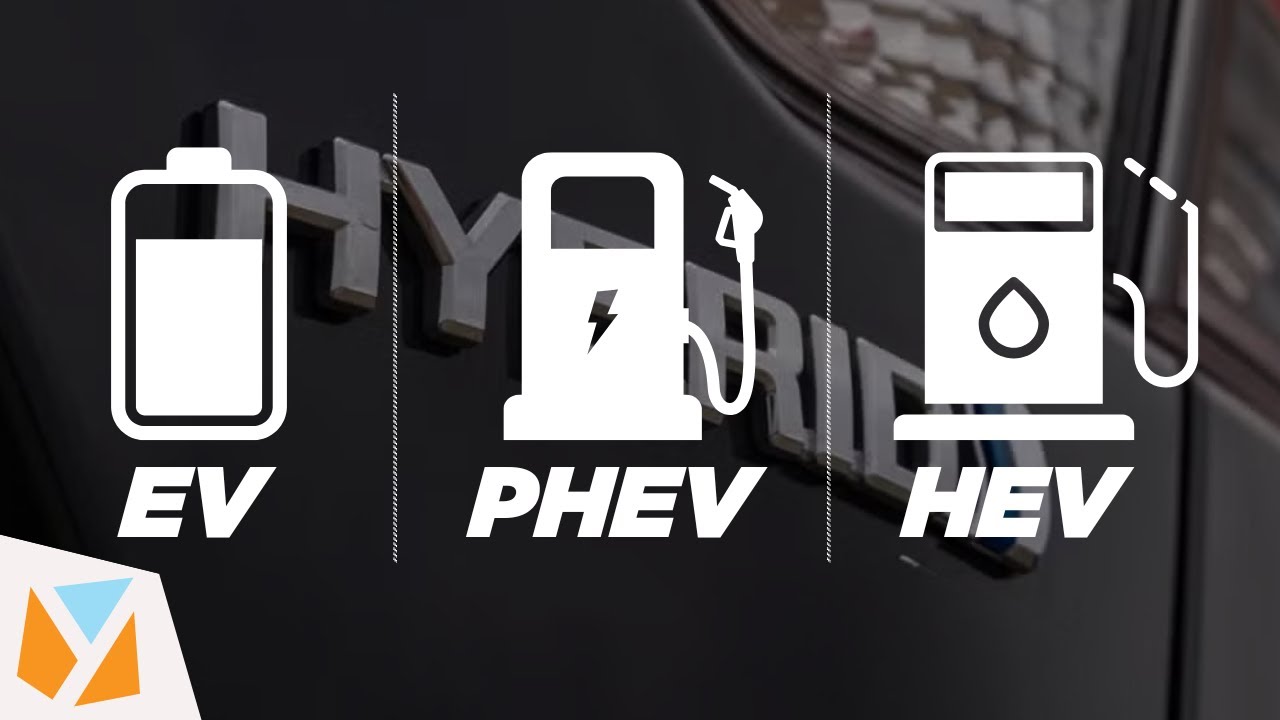
Confused about EVs, hybrids, and PHEVs? Watch our simple explainer breaking down which electrified vehicle…
Dec 31, 2025So here it is — the YugaTech Ovi App for Nokia phones. Now you can…
Jun 2, 2010Sony has revealed the PlayStation Plus Monthly Games lineup for July 2026. These three titles…
Jul 3, 2026
BDO is offering new deals and rewards for users of the BDO Pay app, giving…
Jul 3, 2026Google is extending its Android Automotive OS (AAOS) beyond infotainment systems, introducing a new platform aimed at powering the next generation of software-defined vehicles (SDVs). The new initiative, called Android Automotive OS SDV, transforms the platform into a deeper, system-level operating foundation that can run multiple vehicle functions, not just entertainment and navigation (Android Auto).
Google has already partnered with Renault, which plans to use the platform in its upcoming Trafic e-Tech electric vehicle, set for production in late 2026. The company is also working with Qualcomm to scale deployment through Snapdragon-based automotive platforms. With this move, Google is positioning Android Automotive OS as a full-stack platform for connected vehicles, reflecting the industry’s shift toward software-driven car architectures.
Our coverage of automotive tech includes: "Apple CarPlay Ultra set to expand to more car brands this year"; "Android Automotive OS now targets full vehicle control"; "Watch: BEV, Hybrid, PHEV: An Explainer for the Common Filipino Driver". Each article provides unique insights and information.