


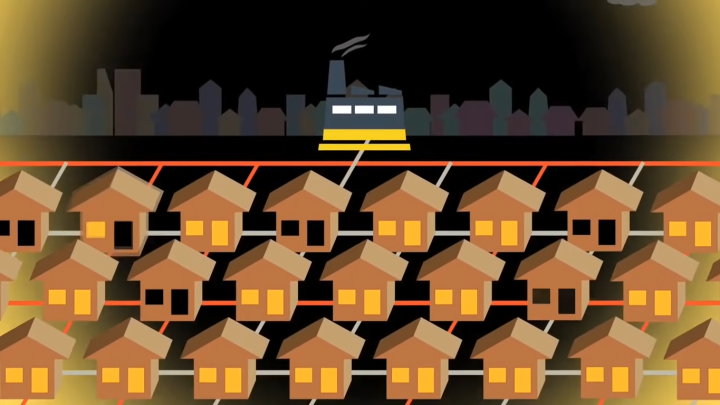
The National Grid Corporation of the Philippines (NGCP) has just now declared a red alert status on the Luzon Grid due to the deficiency in power generation, according to the Department of Energy (DOE). Among other reasons, the IEMOP attributed the increase in energy demand from the relaxing of Covid-related restrictions. As of 2020, the largest sources of power generation in the Philippines according to the Department of Energy (DOE) are as follows: coal (58.2 percent), natural gas (19.5 percent), geothermal (10.8 percent), hydroelectric (7.2 percent), and oil (2.5 percent). For its part, the Philippine Electricity Market Corporation (PEMC) has called for harnessing renewable energy sources to decrease dependence on conventional power sources such as coal. “Institutionalizing effective strategies is imperative for us to fully harness the benefits of these RE resources, which include energy prices and supply stability to power up the Philippine economy in the new normal,” said PEMC President Leonido Pulido III. (LKI) urged the Energy Regulatory Commission (ERC) to probe recent unplanned plant outages. The NGCP said the plants that experienced unplanned outages were Unit 1 of the GN Power Dinginin plant, Unit 2 of South Luzon Thermal Energy, Units 2, 3, 4 of Southwest Luzon Power, Unit 2 of Calaca power plant, and Kalayaan power plant. Historically, with the exception of 2020 when lockdowns drastically decreased demand, data from the Department of Energy (DOE) electricity consumption across the country peaks in the May-June period. Read more in our articles including "Luzon grid under red alert due to "generation deficiency" - DOE" and "Luzon peak energy demand exceeds pre-pandemic level, blackouts possible by May".

The National Grid Corporation of the Philippines (NGCP) has just now declared a red alert…
Jun 18, 2022
Peak electricity demand for this year is expected by May according to the Independent Electricity…
Apr 4, 2022
Back in 1992, blackouts and power outages stole the spotlight of national elections in the…
Mar 23, 2022
An adage goes, “In this world nothing can be said to be certain, except death…
Mar 20, 2022
DJI has officially launched the Osmo Pocket 4P in the Philippines, introducing a new handheld…
Jun 29, 2026
PC Express, a well-known local retailer of various gadgets and pc components, has dropped the…
Feb 7, 2018The National Grid Corporation of the Philippines (NGCP) has just now declared a red alert status on the Luzon Grid due to the deficiency in power generation, according to the Department of Energy (DOE). Among other reasons, the IEMOP attributed the increase in energy demand from the relaxing of Covid-related restrictions.
As of 2020, the largest sources of power generation in the Philippines according to the Department of Energy (DOE) are as follows: coal (58.2 percent), natural gas (19.5 percent), geothermal (10.8 percent), hydroelectric (7.2 percent), and oil (2.5 percent). For its part, the Philippine Electricity Market Corporation (PEMC) has called for harnessing renewable energy sources to decrease dependence on conventional power sources such as coal. “Institutionalizing effective strategies is imperative for us to fully harness the benefits of these RE resources, which include energy prices and supply stability to power up the Philippine economy in the new normal,” said PEMC President Leonido Pulido III.
Our coverage of department of energy includes: "Luzon grid under red alert due to "generation deficiency" - DOE"; "Luzon peak energy demand exceeds pre-pandemic level, blackouts possible by May"; "Explainer: What Happens If There Are Blackouts On Election Day?". Each article provides unique insights and information.