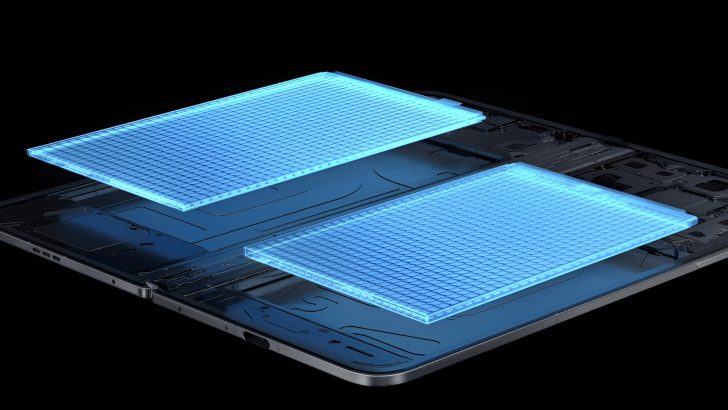


Samsung SDI is reportedly testing a massive dual-cell silicon-carbon (Si/C) battery with a combined capacity of 20,000mAh, signaling early efforts to dramatically increase battery sizes for future smartphones and portable devices. Together, the setup delivers an unprecedented capacity compared to current flagship smartphones, which typically hover around the 5,000mAh mark. Silicon-carbon batteries differ from conventional lithium-ion batteries by using a silicon-based anode instead of graphite. This technology has already been adopted by several Chinese smartphone brands, some of which now ship devices with batteries exceeding 10,000mAh. Reports indicate that the smaller 8,000mAh cell experienced severe swelling up to 80 percent during testing, highlighting one of the biggest challenges facing silicon-carbon batteries. As a result, Samsung is expected to continue using conventional lithium-ion batteries for its near-term flagship devices, including the upcoming Galaxy S26 Ultra, which is still rumored to retain a battery capacity of around 5,000mAh. While the test underscores Samsung SDI’s long-term ambitions in next-generation battery technology, significant engineering hurdles remain before such high-capacity silicon-carbon batteries can safely reach consumer smartphones. A law has been passed by the European Council that forces manufacturers for battery-powered devices to have replaceable batteries. Read more in our articles including "Samsung SDI Tests Experimental 20,000mAh Silicon-Carbon Battery for Future Devices" and "Smartphones to have replaceable batteries by 2027".
Samsung SDI is reportedly testing a massive dual-cell silicon-carbon (Si/C) battery with a combined capacity…
Dec 29, 2025
A law has been passed by the European Council that forces manufacturers for battery-powered devices…
Jul 14, 2023
Smartphone battery capacity is rapidly increasing in 2026, with new data showing a significant shift…
Mar 30, 2026
Despite Microsoft’s aggressive push to transition users onto Windows 11, a massive chunk of the…
Jun 26, 2026
Marking its 10th anniversary alongside National ICT Month, the Department of Information and Communications Technology…
Jun 26, 2026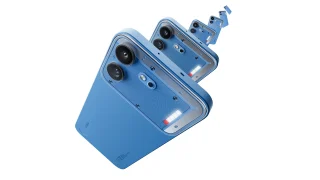
After the teaser video released recently, we’ve finally seen what the Nothing Phone (4b) will…
Jun 26, 2026Samsung SDI is reportedly testing a massive dual-cell silicon-carbon (Si/C) battery with a combined capacity of 20,000mAh, signaling early efforts to dramatically increase battery sizes for future smartphones and portable devices. Together, the setup delivers an unprecedented capacity compared to current flagship smartphones, which typically hover around the 5,000mAh mark.
Silicon-carbon batteries differ from conventional lithium-ion batteries by using a silicon-based anode instead of graphite. This technology has already been adopted by several Chinese smartphone brands, some of which now ship devices with batteries exceeding 10,000mAh. Reports indicate that the smaller 8,000mAh cell experienced severe swelling up to 80 percent during testing, highlighting one of the biggest challenges facing silicon-carbon batteries.
Our coverage of smartphone batteries includes: "Samsung SDI Tests Experimental 20,000mAh Silicon-Carbon Battery for Future Devices"; "Smartphones to have replaceable batteries by 2027"; "Here are the best-selling smartphones with 6000mAh+ batteries". Each article provides unique insights and information.