

OS, UI, and Apps

The P9 is running on the latest Android 6.0 Marshmallow which is overlayed by Huawei’s Emotion UI 4.1. It has a more updated version than what the Huawei GR5 has.

The pull-down tray shows two tabs namely the notifications tab and another for the easy-access functions. The UI itself also has its own offerings and below are some of them:
- Phone Manager – RAM optimizer, storage cleaner, text and call blocker, network traffic manager, power manager, and app locking.
- “Simple” home screen style
- Motion control – flip to mute, share to rearrange icons, double tap screen to turn on, draw letter to open apps
- Different navigation bar designs
- Shake to change home screen wallpaper
- Smart unlock – lets you unlock your phone with a Bluetooth-enabled device like a smartwatch
Camera
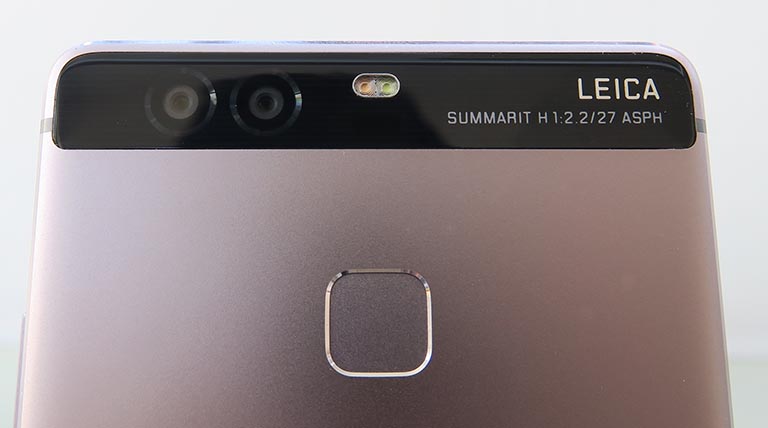
As we’ve mentioned earlier, what makes the Huawei P9 unique from the other smartphones today lies in its imaging department which has been co-engineered with Leica. The handset features dual 12-megapixel rear cameras, but with different BSI CMOS sensors — one with RGB while the other a monochrome sensor.
What the monochrome sensor supposedly does is achieve better detail and depth out of the images and combine those to the colored photo. Additionally, users could also use this same sensor to capture black and white stills with better dynamic range than, say, using a standard B&W filter.

Apart from colored or monochrome, the P9 has different shooting modes depending on what the situation calls for. There’s HDR, Light Painting, Slow Motion, and even Beauty Video. It shoots a maximum of 12MP photos and Full HD 1080p videos (no 4K capturing here).
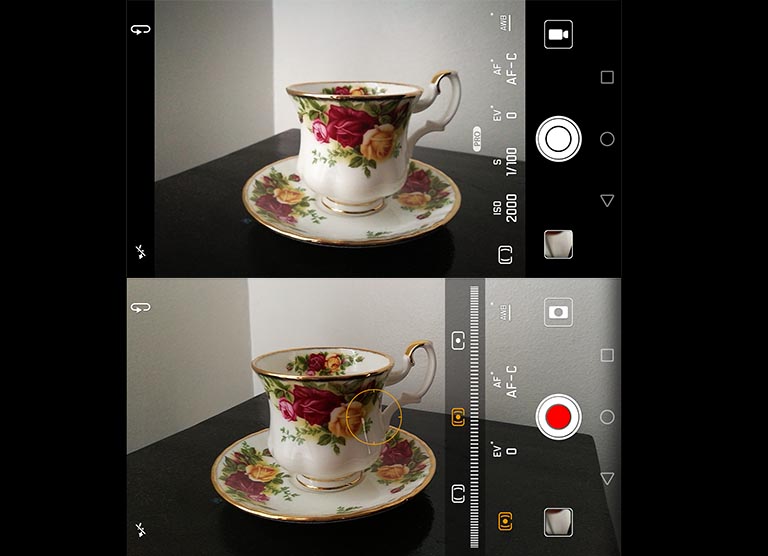
Since it concentrates on imaging, the P9 has full manual control over its ISO, shutter speed, exposure value, focus, and white balance. It also has three film modes but for us, it’s more of a gimmick than an actual tool for mobile photography. Nevertheless, we’re glad that they joined in with other flagships in having full manual access to the camera’s settings.

We’ve recently published an article showcasing the shots we took back in London during its launch. You may check them out below:


Additionally, here are more sample shots taken at night or with very little light source:


You can also watch the sample video:
From those shots, we could definitely agree that Huawei stepped up its imaging capabilities with the help of Leica. With the German brand’s experience in developing lenses (and cameras in general), they were able to give the Chinese manufacturer an edge against the flagship phones we currently have today.

Truly, the images produced were sharp, have good detail in them, and the colors were lively and most importantly, very natural. Its ability to deliver professional-level depth of field is also what the company is boasting about with the P9. This is another feature the dual lens could offer — by measuring the depth of the subject from its background and sending it to the phone’s dedicated image signal processor (ISP). The result, as you can see, is pretty impressive for a cameraphone.


Pretty fun to reread the comments to this