
The European Commission is taking aim at Apple’s closed ecosystem with a new document demanding “effective interoperability” between iOS, Android, and other platforms.
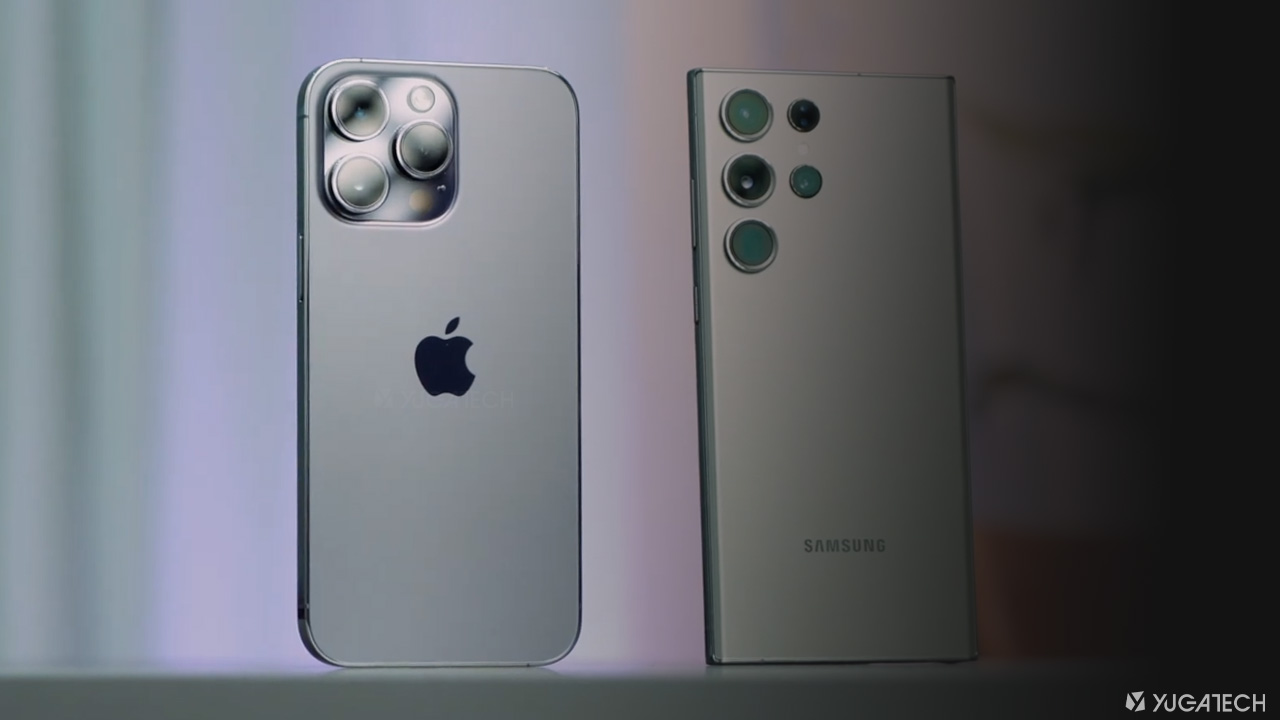
Essentially, the EU wants Apple to make its exclusive features—like AirDrop and AirPlay among others—work with Android and other operating systems.
The push for interoperability goes beyond just file-sharing and casting as the EU also wants Apple to change how iOS works on a fundamental level.
One proposal would require iOS notifications to integrate seamlessly with third-party smartwatches, a capability currently limited to the Apple Watch.
Similarly, Apple would need to let third-party apps operate in the background the same way Apple’s own apps do—something that’s long frustrated accessory makers, especially smartwatch brands outside Apple’s ecosystem.
Among the features the EU is targeting is AirDrop, Apple’s proprietary file-sharing protocol. Right now, AirDrop only works between Apple devices, but the EU wants Apple to publish the technical details that would let third-party apps and platforms send and receive files using the same system.
AirPlay is also on the EU’s radar. While Apple has made AirPlay available on some non-Apple devices, like smart TVs, it’s still a one-way street—only Apple devices can act as AirPlay senders.
The EU is calling for Apple to open up AirPlay entirely, allowing third-party devices to both send and receive media, putting it more in line with Google’s Cast technology, which already works across Android, iOS, and other platforms.
Apple pushes back citing privacy concerns
Unsurprisingly, Apple isn’t happy about it.
The company has criticized the EU’s proposals, claiming they could undermine user privacy. In a response document, Apple singled out Meta (formerly Facebook), alleging that the social media giant has made more interoperability requests than anyone else.
Apple argues that opening up features like AirPlay to companies like Meta could lead to new privacy risks, even suggesting it might expose sensitive data about users’ homes.
The EU is accepting feedback on its proposals until January 9, 2025, before issuing a final mandate. If Apple doesn’t comply, the tech giant could face hefty fines.
Whether this push for interoperability could finally open Apple’s walled garden or lead to a new battle over privacy remains to be seen.





Th EU just hates Apple — and EVERYONE has a right to hate Apple.