

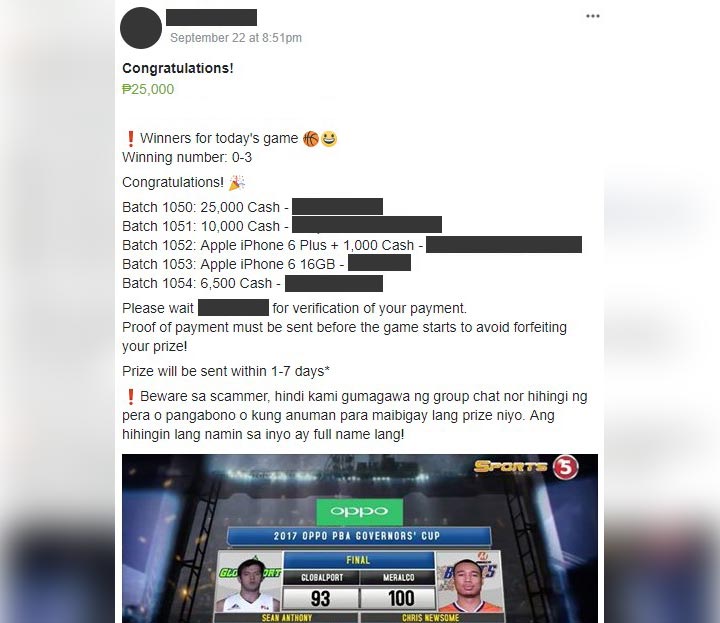
Online gambling in the Philippines is regulated by the government agency PAGCOR (Philippine Amusement and Gaming Corporation). In the 2000s, it began allowing online games: for example, in 2002 PAGCOR partnered with PhilWeb for Internet sports betting. During the COVID-19 pandemic, a new form of betting called “e-sabong” (online cockfighting) became very popular. Today, only PAGCOR-licensed online gambling sites may legally operate in the Philippines. While legal online gambling brings tax income to the Philippines, it can also destroy personal finances, especially in poor families. Read more in our articles including "The real reason why some influencers were excluded from the CICC online-gambling case" and "Illegal Online Gambling in the Philippines thrives on Facebook".

Online gambling in the Philippines is regulated by the government agency PAGCOR (Philippine Amusement and…
Nov 14, 2025
Small-time gambling pastime from the small streets called Ending has now gone to the online…
Sep 24, 2017
Fintech giant GCash has joined forces with climate tech developer Wovoka Philippines to plant over…
Jul 1, 2026
Samsung is planning a massive overhaul for its eighth-generation Fold lineup. Rather than launching a…
Jul 1, 2026Kickstart Ventures Inc., a wholly owned subsidiary of Globe Telecom has recently invested $100K dollars…
Nov 16, 2012
The Cybercrime Investigation and Coordinating Center (CICC) has confirmed that GoreBox is no longer accessible…
Jun 30, 2026Online gambling in the Philippines is regulated by the government agency PAGCOR (Philippine Amusement and Gaming Corporation). In the 2000s, it began allowing online games: for example, in 2002 PAGCOR partnered with PhilWeb for Internet sports betting.
During the COVID-19 pandemic, a new form of betting called “e-sabong” (online cockfighting) became very popular. Today, only PAGCOR-licensed online gambling sites may legally operate in the Philippines. While legal online gambling brings tax income to the Philippines, it can also destroy personal finances, especially in poor families.
Our coverage of online betting philippines includes: "The real reason why some influencers were excluded from the CICC online-gambling case"; "Illegal Online Gambling in the Philippines thrives on Facebook"; "GCash, Wovoka plant 1M trees in Mindoro and Camarines Norte". Each article provides unique insights and information.