

Google has officially unveiled a massive suite of updates for its automotive platforms, bringing a fresh design language, deeper AI integration, and long-awaited entertainment features to vehicles worldwide. Whether you’re using Android Auto or a car with Google built in, your dashboard is about to look and act a whole lot different.
Firstly, Google is looking to bring its fresh Material 3 Expressive design philosophy from its smartphones/tablets to Android Auto. Users can expect refined fonts, more fluid animations, and wallpapers that sync with smartphone themes for a more cohesive “Android” feel. This is a noticeable shift from the rigid, grid-like layout we had gotten used to over the years.
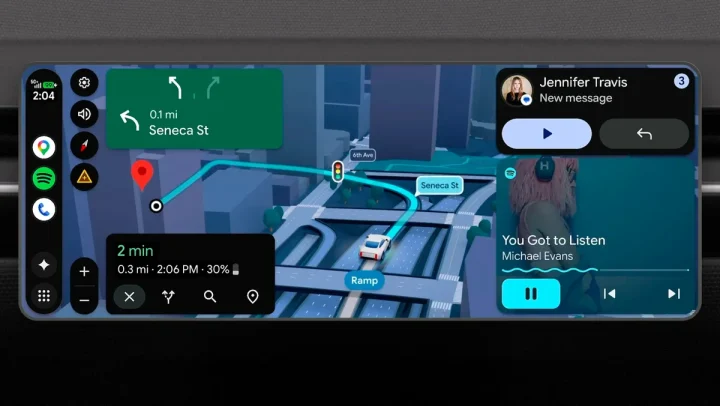
With Edge-to-Edge Maps, navigation now takes full advantage of the car’s screen real estate. We’ve seen multiple carmakers get creative with the shapes of their displays, whether it’s circular, ultrawide, or others. We can all say bye-bye to black bars on less-than-conventional designs.
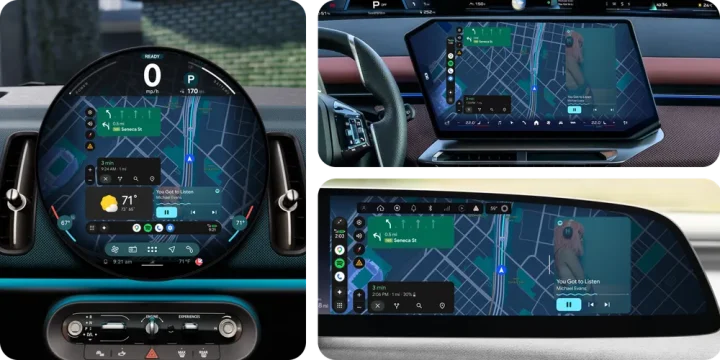
You now also can place dynamic, persistent widgets on your dashboard. This means you can keep your garage door controls, weather updates, or favorite contacts visible even while Google Maps is active.
The next big shift is Google Maps’ new 3D option. It’s a significant visual upgrade that can display detailed 3D views of infrastructures, such as buildings and overpasses. This is not only aesthetically pleasing but can also improve driver safety by giving drivers an idea of what kind of terrain to expect on the road ahead. The function even displays stoplights and other urban landmarks.
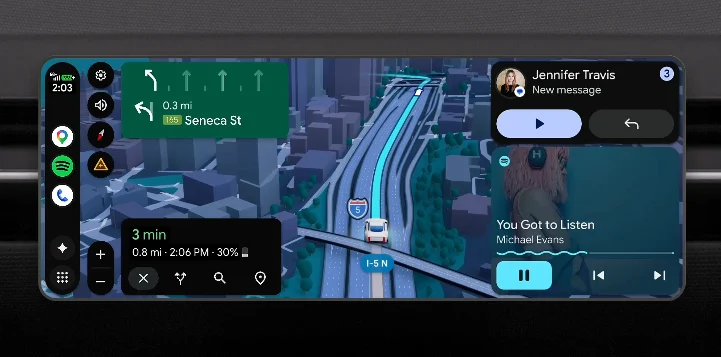
For vehicles with Google built in, the system can now leverage the car’s onboard cameras to identify exactly which lane you’re in, providing ground-level guidance for exits and turns.
Next up, Google is replacing the standard Assistant with Gemini Intelligence, making the car’s voice controls feel more natural and conversational. Magic Cue uses AI to understand the context of your notifications. If you get a text asking about a meeting place, Gemini can automatically suggest the address and offer to start navigation. It can also arrange logistics for food pickups or recommend what to reply to text messages to minimize driver distraction.
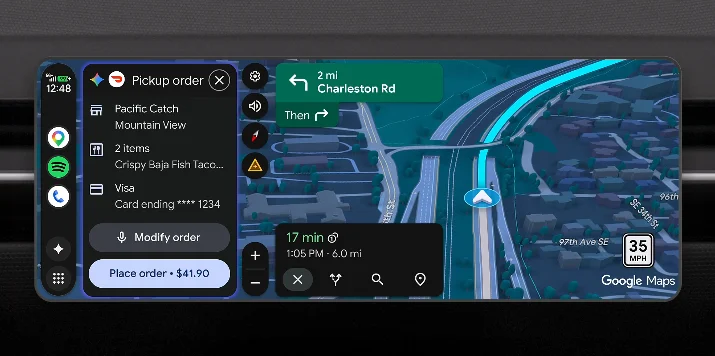
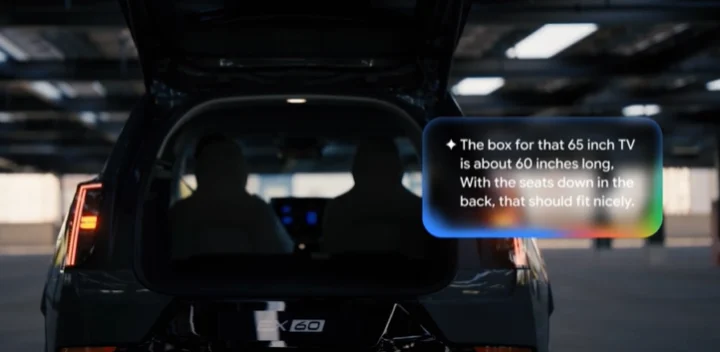
The AI will also now be aware of what car you’re driving (for supported vehicles). As such, users can ask questions like “will this 65-inch TV fit in my trunk” or “would you recommend I drive on this route with my automobile?”
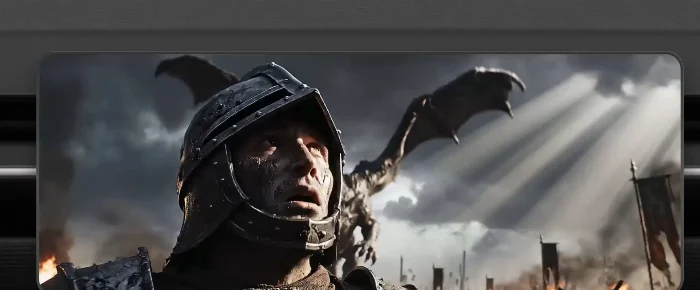
Lastly, for those waiting at charging stations or stuck in parked traffic, your car is now a theater. Android Auto now supports Full HD video (60fps) for apps like YouTube while the vehicle is parked. Of course, when you shift from Park to Drive, the video automatically transitions to an audio-only mode. This ensures safety while allowing you to keep listening to a podcast or interview without interruption.
When can you get it?
Google says these features will roll out gradually throughout 2026. If you have an older car with an aftermarket head unit, keep an eye out for an app update on your phone, though some features like “Live Lane Guidance” will be exclusive to cars with deep hardware integration.





0 Comments
Leave a Reply